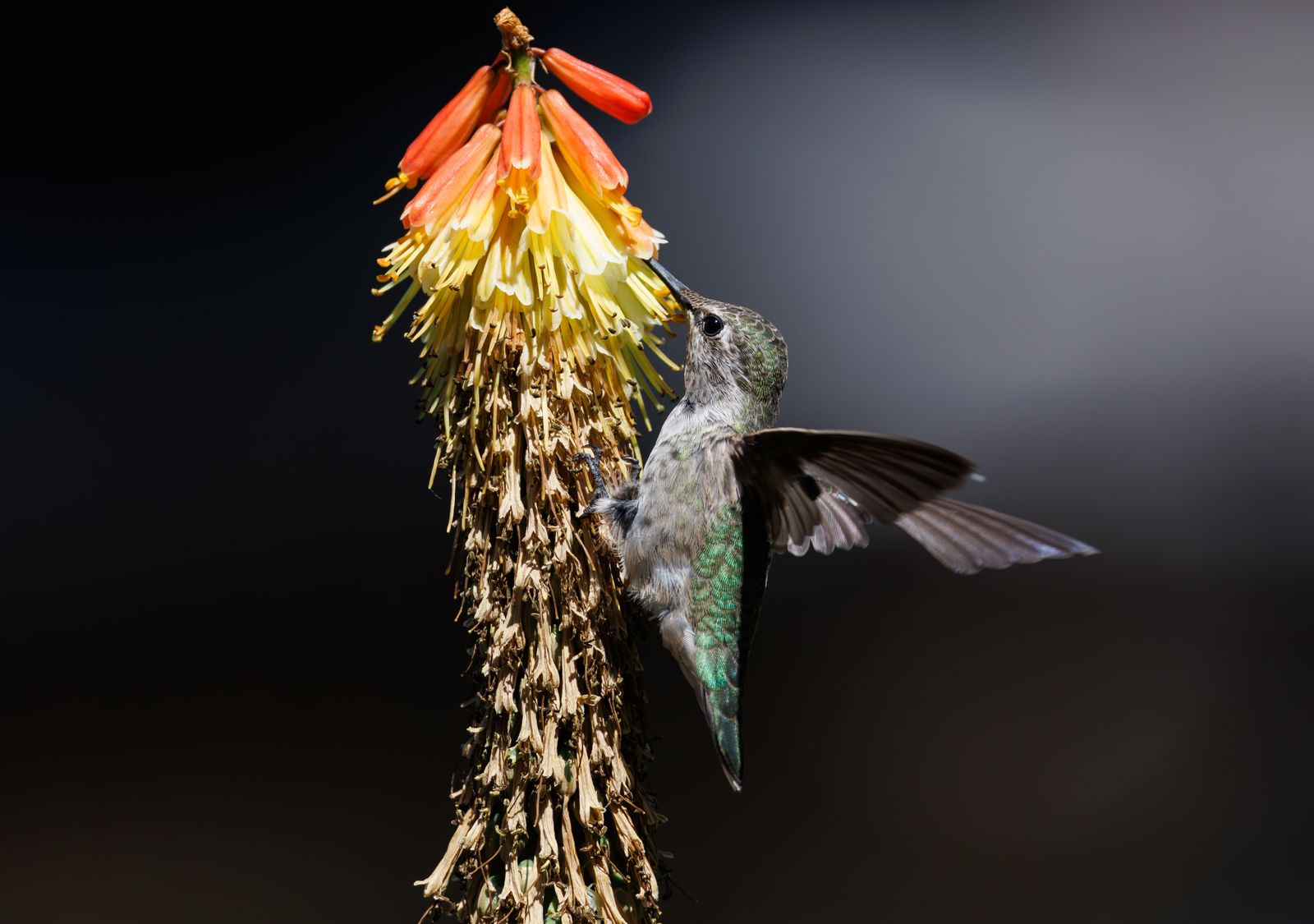
Spring Garden Styling: Hand-Blown Glass & Solar Decor Guide
Style spring gardens using the 3-3-3 rule: position handcrafted glass accents across 3 distinct sightline heights (1–2 ft ground stakes, 4–5 ft eye-level planters, and 6–7 ft elevated hooks), maintain at least 3 feet of clear radial clearance from jumping-off points, and pair 3 complementary jewel tones to maximize natural daylight refraction and 8-hour solar twilight illumination.
Key Principles of Artisanal Spring Garden Styling
- Lead with Heritage Craftsmanship: Hand-blown glass shaped at 2,300°F provides unique structural curves and rich color density that mass-produced molded plastic cannot replicate.
- Optimize Sunlight Refraction: Position translucent glass reservoirs where they catch 6 to 8 hours of direct morning sun to create brilliant ground-level light refractions.
- Dual-Purpose Functionality: Select feeders equipped with integrated solar caps and RGB LED modules to deliver 8 hours of ambient nighttime lighting after sunset.
- Prioritize Heavy-Duty Weatherproofing: Ensure hanging glass art features leak-proof rubber gaskets, 32 fl. oz. balanced reservoirs, and anti-rust coated metal bases to withstand spring storms.
- Maintain 5 to 6 Foot Hanging Heights: Suspend glass feeders 5 to 6 feet above ground level to keep nectar visible to migrating hummingbirds while deterring crawling pests.
Spring Setup Timeline: 4-Week Backyard Transformation
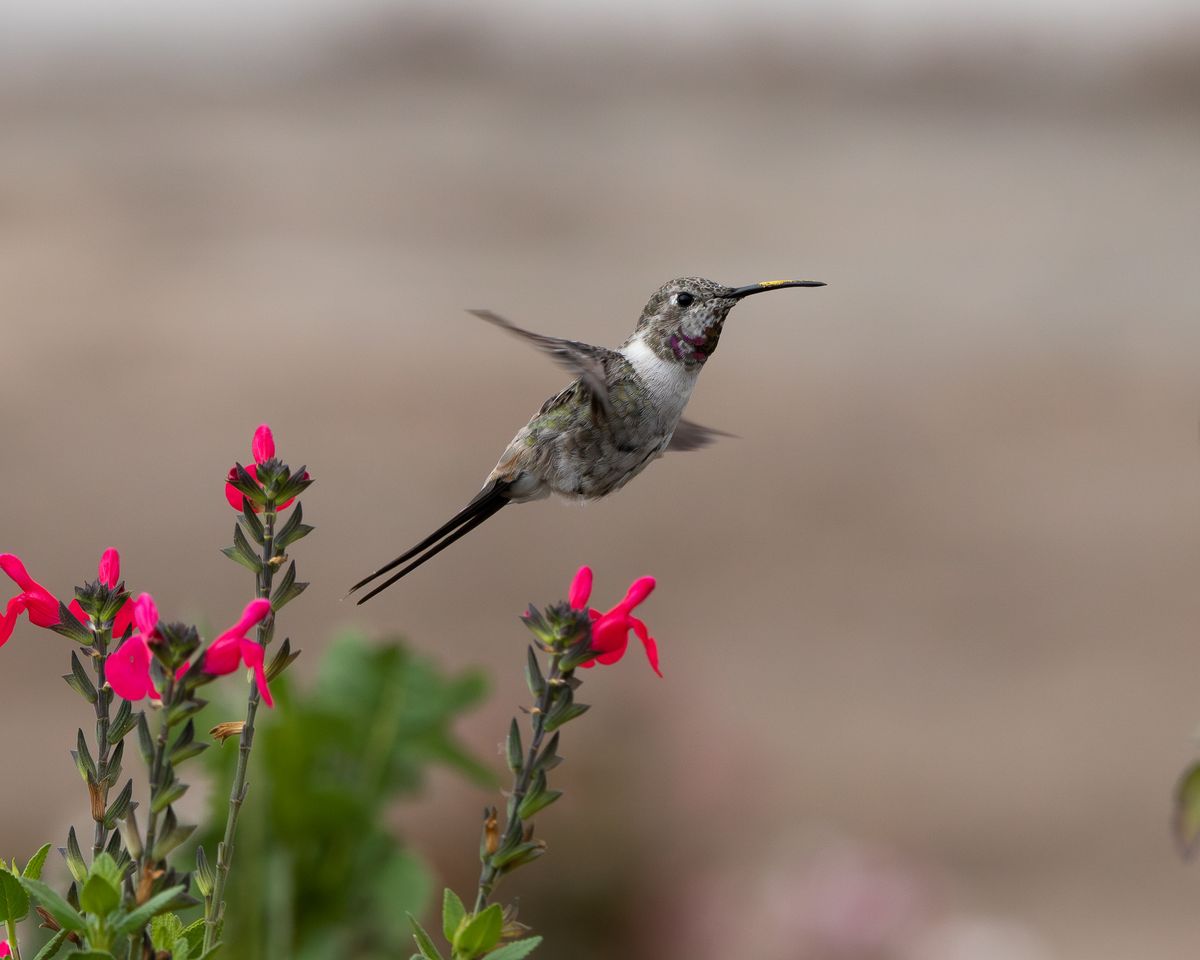
Photo by Carlos Corco on Pexels
- Week 1: Pre-Season Inspection & Solar Testing — Unpack hand-blown glass decor. Inspect reservoirs for hairline cracks. Clean solar caps with a damp microfiber cloth and place in direct sunlight for 6 to 8 hours to verify battery charging efficiency.
- Week 2: Hardware Mounting & Sightline Mapping — Install anti-rust metal shepherd hooks at 5 to 6 feet elevation. Ensure 3 feet of radial clearance from deep tree canopies to maximize solar panel sun exposure.
- Week 3: Nectar Deployment & Early Migration Setup — When nighttime ambient temperatures consistently stay above 40°F, fill the 32 fl. oz. translucent glass reservoir with a 4:1 water-to-refined-sugar nectar solution.
- Week 4: Bloom Pairing & Nighttime Lighting Adjustment — Align glass jewel tones (ruby red, golden amber, cobalt blue) with early spring flower blooms. Set solar RGB lighting modes for dusk ambiance.
Spring Glass Care & Solar Maintenance Schedule
- Every 3 to 4 Days — Rinse glass nectar reservoir with warm water (under 120°F) using a soft sponge. Never use harsh chemical abrasives or dishwasher heat cycles. Refill with fresh 4:1 nectar.
- Weekly — Wipe the waterproof top solar collector cap with a lint-free damp cloth to remove pollen, dust, and bird droppings that block solar absorption.
- Bi-Weekly — Inspect the anti-rust coated metal base and internal rubber sealing gasket. Verify that feeding ports remain clear of debris and mold.
- Monthly / Severe Weather — Check shepherd hook stability. If severe spring hail warnings (stones larger than 0.75 inches) are issued, temporarily relocate glass reservoirs indoors.
Pro Tip: Optimizing Daylight Refraction and Twilight RGB Ambiance
To get the most dramatic visual impact from hand-blown glass decor, angle your feeder toward the south-southeast where morning light hits the glass curves at a 45-degree angle. This throws vivid color refractions across patio stones and garden mulch. At dusk, allow the integrated solar panel to automatically trigger its RGB LED lights. Soft, color-morphing lighting adds a magical glow to your outdoor space while roosting hummingbirds sleep safely in nearby sheltered foliage.
Featured Spring Focal Point: LUJII Solar-Powered Hand-Blown Glass Hummingbird Feeder
Upgrade your outdoor aesthetic with the LUJII Solar-Powered Hummingbird Feeder. Handcrafted by master glass artisans at 2,300°F, each 32 fl. oz. reservoir features unique swirl patterns that dazzle in daylight. At night, its integrated solar cap automatically illuminates the glass with vibrant RGB light modes for up to 8 hours. Complete with a leak-proof anti-rust metal base and a protective waterproof solar cap, it stands up to rain, snow, and bright spring sunshine.
Choosing Your Outdoor Glass & Solar Decor Strategy
When investing in spring garden decor, choosing heavy, 2,300°F hand-blown glass with integrated solar lighting delivers superior wind stability, daylight light refraction, and long-term durability compared to lightweight molded plastic.
Best choice for
- Hand-blown glass solar feeder with RGB lighting — Delivers vibrant stained-glass reflections under direct afternoon sun and provides up to 8 hours of continuous twilight lighting.
- 32 oz thick-walled glass with anti-rust metal base — The weight of a 32 oz liquid reservoir combined with a solid metal base minimizes swaying and prevents tipping during 20+ mph spring gusts.
- Thin, mass-produced clear plastic feeders that yellow, crack, and become brittle under spring UV exposure.
- Unsealed solar lights lacking waterproof top caps that allow rainwater to seep into battery housings during heavy spring downpours.
- Non-illuminated solid blown-glass garden stakes — Provides daytime visual beauty and color, but lacks evening lighting and functional bird feeding capabilities.
Spring Weather & Lighting Maintenance Calendar
| Month | Climate Milestones | Glass & Solar Maintenance | Garden & Bird Care Focus |
| --- | --- | --- | --- |
| March | Fluctuating frost line; night temps 32°F–40°F | Inspect hand-blown glass for cracks; test solar battery charge under direct sun for 6–8 hours | Clean and prepare heavy-duty metal shepherd hooks 5 to 6 feet high |
| April | Stable spring thaw; night temps > 40°F; early blooms | Deploy 32 oz glass feeder; wipe solar top cap weekly; position 3 feet from obstructions | Fill reservoir with 4:1 nectar; attract early migrating scout hummingbirds |
| May | Full spring bloom; high UV index; warm rains | Rinse glass every 3–4 days; adjust RGB solar light modes for dusk ambiance | Pair glass jewel tones with flowering Salvia, Fuchsia, and Columbine |
Track local climate transitions and deployment milestones from early spring through peak migration.
Essential Artisanal Accents for Spring Backyards
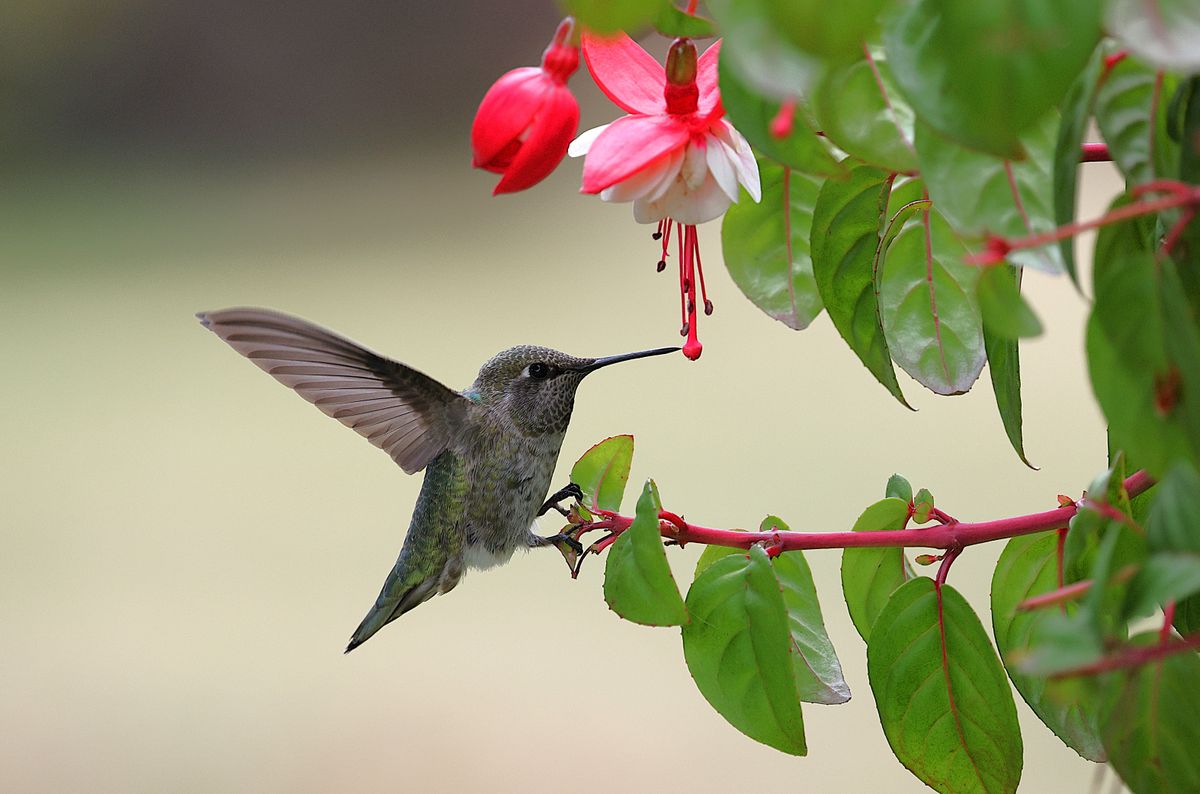
Photo by Veronika Andrews on Pexels
Integrate these handcrafted glass styles to build a layered, twilight-friendly garden layout:
Regional Spring Climate Adaptations
Adjust your glass care and solar decor setup based on your specific US climate region:
- Northern US (Zones 3–5): Delayed spring thaws require keeping glass reservoirs indoors until nighttime temperatures consistently stay above 40°F. Position solar caps where they receive unobstructed southern sun to compensate for lower early-spring sun angles.
- Central & Midwest US (Zones 6–7): Spring storms bring high winds and hail. Mount glass decor on rigid metal hooks pushed 8 to 10 inches into firm soil. Take down glass reservoirs if local alerts forecast hail over 0.75 inches.
- Southern & Desert US (Zones 8–10): Strong sun rays accelerate nectar fermentation. Place hand-blown glass feeders in locations that offer bright filtered morning sunlight and partial afternoon shade. Clean reservoirs every 2 to 3 days when temperatures surpass 75°F.
Spring Backyard Glass & Wildlife Deployment Checklist
- [ ] Verify last local spring frost date before installing water-filled glass reservoirs.
- [ ] Inspect hand-blown glass reservoir for hairline cracks or transit damage.
- [ ] Test solar cap battery charging under direct sunlight for 6 to 8 hours.
- [ ] Check metal base anti-rust coating and ensure sealing gasket is tightly fitted.
- [ ] Hang glass decor 5 to 6 feet above ground level using heavy-duty, rust-proof metal hooks.
- [ ] Position decor at least 3 feet away from deep tree foliage to ensure full solar cap exposure.
- [ ] Fill nectar reservoir with a 4:1 water-to-refined-sugar solution once night temperatures stay above 40°F.
Frequently Asked Questions
Answers to essential questions about caring for artisan glass garden decor and solar lighting.
Further Reading on Outdoor Glass & Solar Decor
Explore additional guides to elevate your garden styling and wildlife care:
- The Art of 2,300°F Glassblowing: How Heritage Craftsmanship Shapes Unique Garden Decor
- Best Illuminated Feeders for Twilight Garden Decor: Solar RGB Glass vs. Standard Feeders
- How to Hang Your Solar Hummingbird Feeder to Block Ants and Crawling Insects
- Hand-Blown Glass vs. Plastic Hummingbird Feeders: Why Artisan Craftsmanship Wins
Your Next Steps for a Radiant Spring Sanctuary
Your decision: Determine your garden's primary focal point sightline from your main patio or indoor viewing window.
Do this next: Select a handcrafted, 32 oz solar glass hummingbird feeder with a rust-proof metal base to anchor your central garden zone.
Related resource: Download the Printable Spring Backyard Prep Checklist PDF.LUJII Hand-Blown Solar-Powered Hummingbird Feeder (32 oz, RGB Lighting)
Take action today to transform your backyard into an illuminated spring haven.
Cover photo by Veronika Andrews on Pexels.