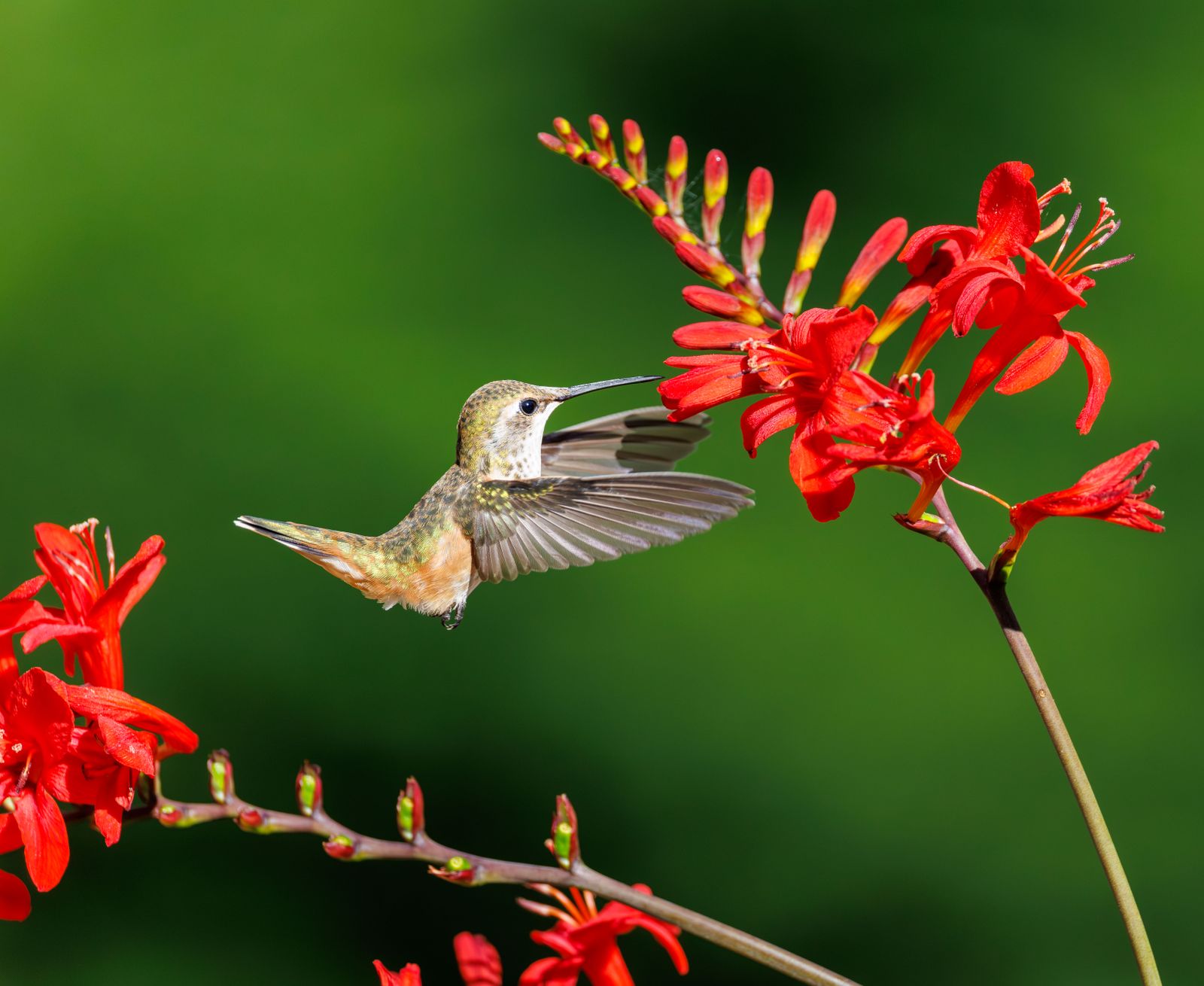
Spring Garden Refresh: How to Add Sustainable Color and Life to Your Yard
Deploy your solar hummingbird feeder 14 days before local average daily temperatures consistently reach 45°F. Position handcrafted solar glass feeders 5 to 6 feet off the ground, within 6 to 10 feet of early spring nectar plants, in spots receiving 6+ hours of direct daily sun. This provides immediate calories for migrating scouts while powering up to 8 hours of evening RGB illumination.
Essential Spring Refresh Takeaways
Leading your spring yard transformation with concrete metrics ensures bird health and vibrant solar performance:
Spring Preparation & Migration Timeline
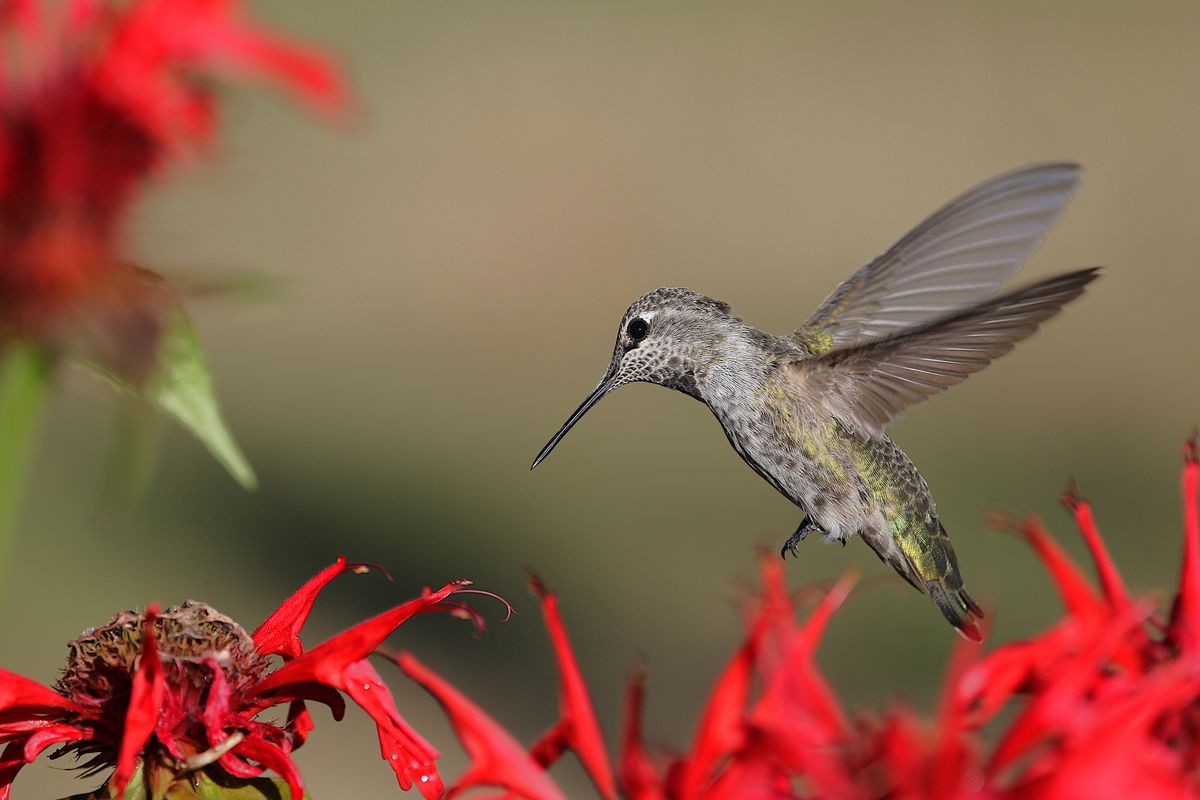
Photo by Veronika Andrews on Pexels
- Early March (4 weeks before arrival) — Inspect shepherd's hooks, clean outdoor mounts, and test solar top caps in direct sunlight to verify sensor and battery function after winter storage.
- Mid March (2 weeks before arrival) — Sterilize hand-blown glass reservoirs, fill with fresh 4:1 boiled sugar solution, and hang solar feeders near south-facing garden borders.
- April (Peak Scout Arrival) — Monitor nectar levels every 3–4 days as daily temps hover between 50°F and 65°F. Wipe solar caps weekly to remove spring tree pollen.
- Late May (Late Spring Routine) — Increase nectar replacement frequency to every 2 days when afternoon temperatures exceed 75°F. Prune surrounding perennial growth to maintain 6-foot clear flight lines.
Seasonal Nectar & Solar Maintenance Cadence
Matching your cleaning and refilling cadence to real-time outdoor spring temperatures prevents bacterial fermentation while preserving hand-crafted artisan glass.
Visualizing the Spring Garden Layering & Solar Placement
Proper spatial planning maximizes solar charging efficiency while giving hummingbirds safe vantage points against spring predators.
Expert Tip: Thermal Nectar Protection & Night Illumination
A common concern among new bird enthusiasts is whether night-glowing RGB solar lights disrupt sleeping hummingbirds. Rest easy knowing that hummingbirds are strictly diurnal creatures. At dusk, as natural light fades, hummingbirds enter a deep state of energy conservation called torpor in high, protected tree canopies far from feeding stations. The soft, multi-mode RGB LED light integrated into the solar cap serves two distinct, non-disruptive purposes:
To optimize charging, ensure your feeder receives direct southern exposure from 10 AM to 4 PM. If tree canopies leaf out in late spring, move the hanging hook 2 to 3 feet outward to maintain unshaded sunlight contact.
US Zone Arrival & Bloom Companion Calendar
| USDA Hardiness Zone | Estimated Scout Arrival | Recommended Feeder Hang Date | Companion Native Bloom Pairings |
| --- | --- | --- | --- |
| Zones 3–4 (Northern Tier) | May 1 – May 15 | April 20 | Wild Columbine (Aquilegia canadensis), Bleeding Heart |
| Zones 5–6 (Midwest / Northeast) | April 15 – May 1 | April 1 | Virginia Bluebells, Coral Bells (Heuchera), Red Buckeye |
| Zones 7–8 (Mid-South / West) | March 15 – April 1 | March 1 | Autumn Sage (Salvia greggii), Crossvine, Coral Honeysuckle |
| Zones 9–10 (Sunbelt / Deep South) | February 15 – March 1 | February 1 | Firebush (Hamelia patens), Tropical Sage, Fuchsia |
Align your seasonal garden tasks with regional migratory scout arrival dates and complementary native flora.
Regional Spring Climate Adaptations (Zones 3–10)
Spring weather varies drastically across North America. Adjust your feeder maintenance and placement strategies based on your specific regional conditions:
- Northern & Alpine Climates (Zones 3–5): Late spring frosts are common. Take feeders indoors overnight if freeze warnings drop below 28°F to prevent nectar slush formation. Hand-blown 2,300°F glass resists thermal stress, but frozen liquids expand and put pressure on the metal base seal.
- Humid Southern Regions (Zones 8–10): High early-season rainfall and moisture encourage mold growth on feeder ports. Ensure your location has good air circulation, and clean the anti-rust metal base weekly using a stiff brush.
- Arid Southwestern Zones (Zones 7–9): High sun intensity recharges solar caps in just 4 hours, but dry winds accelerate evaporation. Check the see-through 32 fl. oz. glass reservoir every 2 days to ensure port openings remain submerged.
Handcrafted Solar Accents for Spring Yards
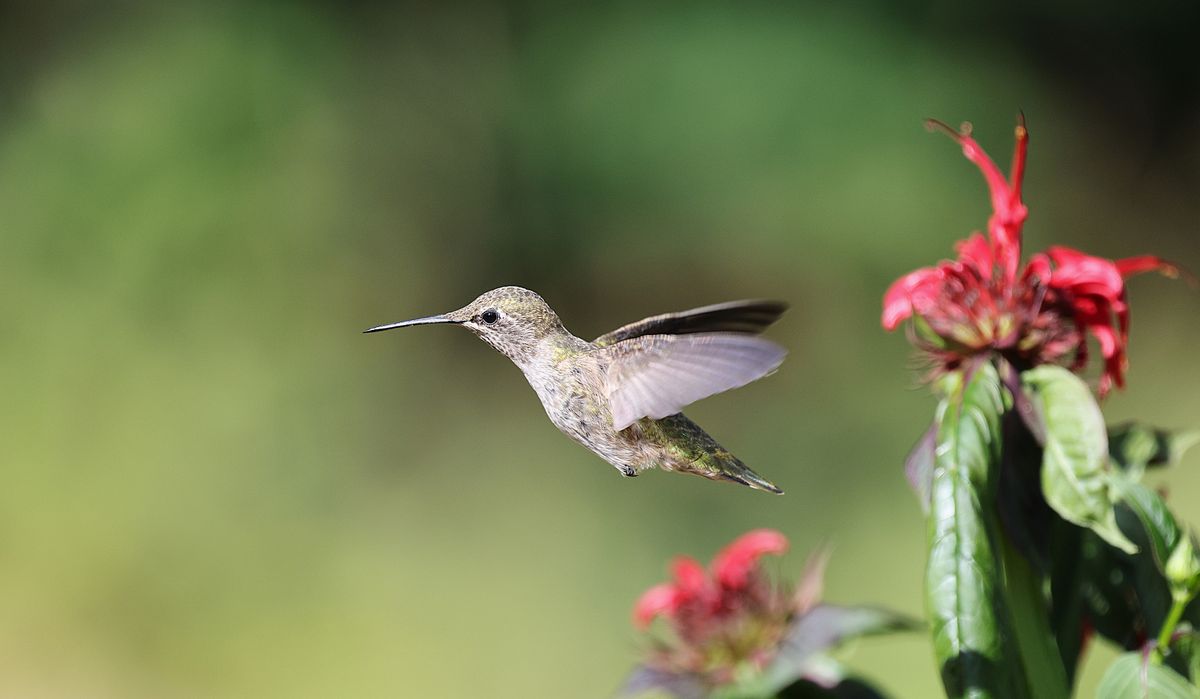
Photo by Veronika Andrews on Pexels
Transform your outdoor living space with functional, eco-friendly garden art designed specifically for spring migration and nighttime beauty.
The Ultimate Spring Hummingbird Garden Preparation Checklist
- [ ] Clean and inspect shepherd's hooks or hanging mounts at a stable 5 to 6 foot height.
- [ ] Wipe top solar cap with a microfiber cloth to remove winter dust and maximize photo-cell absorption.
- [ ] Prepare fresh 4:1 refined white sugar solution (1 cup sugar to 4 cups boiling water; cool completely).
- [ ] Sterilize hand-blown glass reservoir and metal base with warm water and vinegar; avoid harsh soaps.
- [ ] Plant early-blooming native perennials (Columbine, Salvia, Penstemon) within a 6 to 10 foot radius.
- [ ] Install ant moats or fill base reservoirs with water to block crawling pests.
- [ ] Verify RGB solar light function by covering the photo-cell sensor in a dark room prior to hanging outdoors.
Frequently Asked Questions
Get fast answers to common spring setup, solar charging, and feeder placement questions.
Your Action Plan for a Vibrant Spring Sanctuary
Your decision: Identify your hardiness zone migration date and install a leak-proof, high-capacity solar glass feeder 2 weeks prior.
Do this next: Hang your handcrafted solar glass feeder 5 to 6 feet high in a south-facing spot near early spring nectar blooms.
- Read next: How to Make Safe DIY Hummingbird Nectar: The Ultimate 4:1 Recipe
- Read next: How to Illuminate Your Nighttime Garden: A Seasonal Guide to Solar Bird Decor
LUJII Hand-Blown Glass Solar Hummingbird Feeder (32 fl. oz.)
Ready to welcome returning hummingbirds and elevate your garden's evening ambiance?