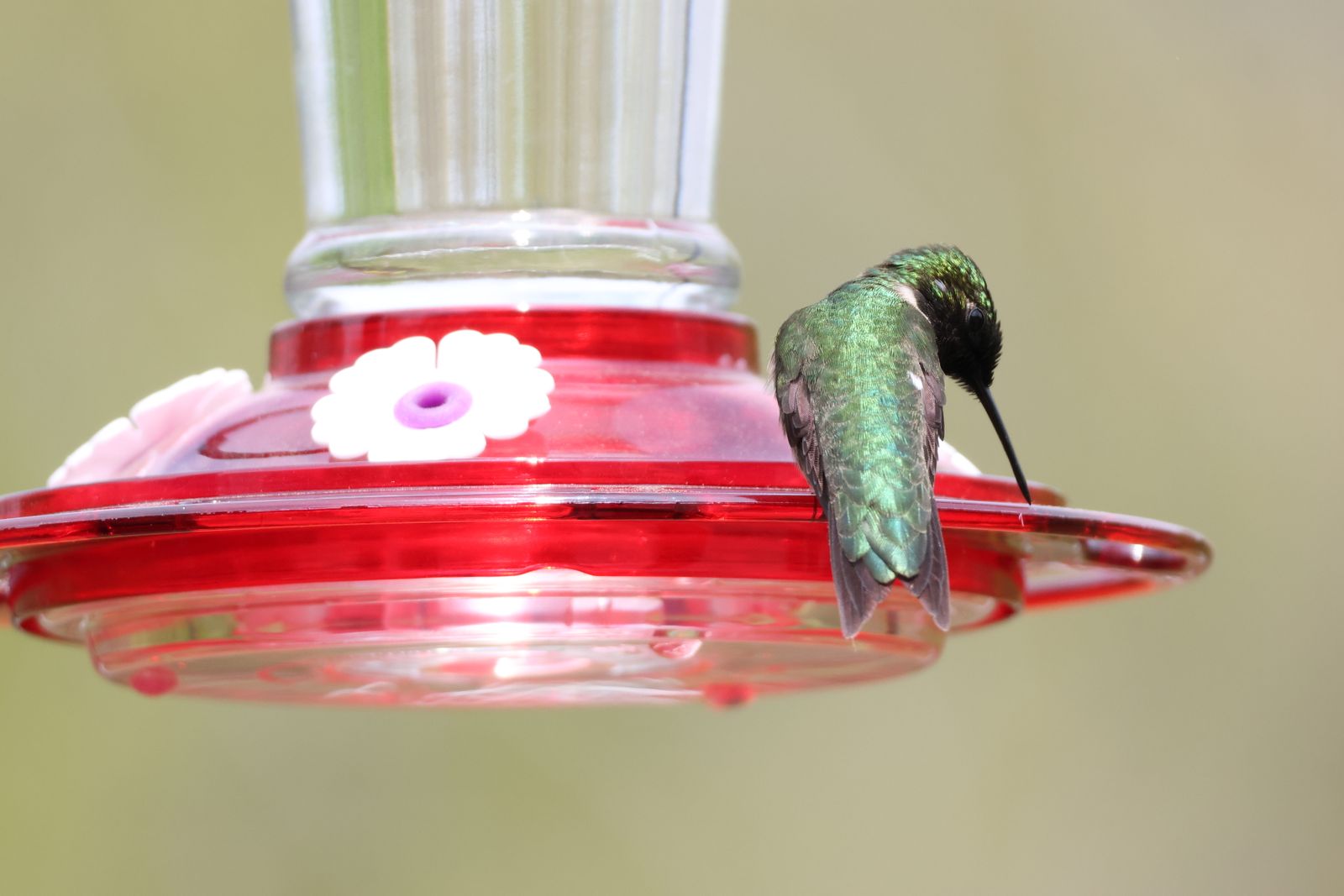
Solar Hummingbird Feeder Maintenance FAQ & Cleaning Guide
A common myth is that because solar hummingbird feeders are rated for outdoor rain and snow, you can dunk the entire unit into a dish basin or dishwasher. In reality, submerging the top solar cap destroys the delicate LED circuitry.
To clean your feeder safely, always separate the components: soak the hand-blown glass reservoir and anti-rust metal base in a 1:4 white vinegar bath, while using a barely damp microfiber cloth to wipe down the upper solar cap and lighting sensor.
Sanitation Method Selection: Choosing the Safe Agent for Your Feeder
Always prioritize non-toxic, scent-free natural sterilizers that protect both avian digestive tracts and handcrafted materials.
Best choice for
- Distilled White Vinegar & Warm Water (1:4 ratio) — Effortlessly dissolves crystalized sugar, neutralizes bacterial spores, and leaves zero toxic residue or scent after rinsing.
- 3% Hydrogen Peroxide Bath (Glass & Metal Only) — Oxidizes stubborn mold colonies in narrow feeding ports without stripping anti-rust metal coatings.
- Commercial Dish Soaps (scented residues deter hummers and cause severe stomach distress)
- Chlorine Bleach (strips anti-rust base coatings and degrades rubber seal gaskets)
- Boiling Water over 140°F (causes thermal shock cracks in delicate hand-blown glass art)
- Micro-Fiber Port Brushes & Soft Nylon Bottle Swabs — Reaches slender 32 oz glass neck curves without scratching artisanal color patterns.
Safe vs. Harmful Cleaning Solutions Matrix
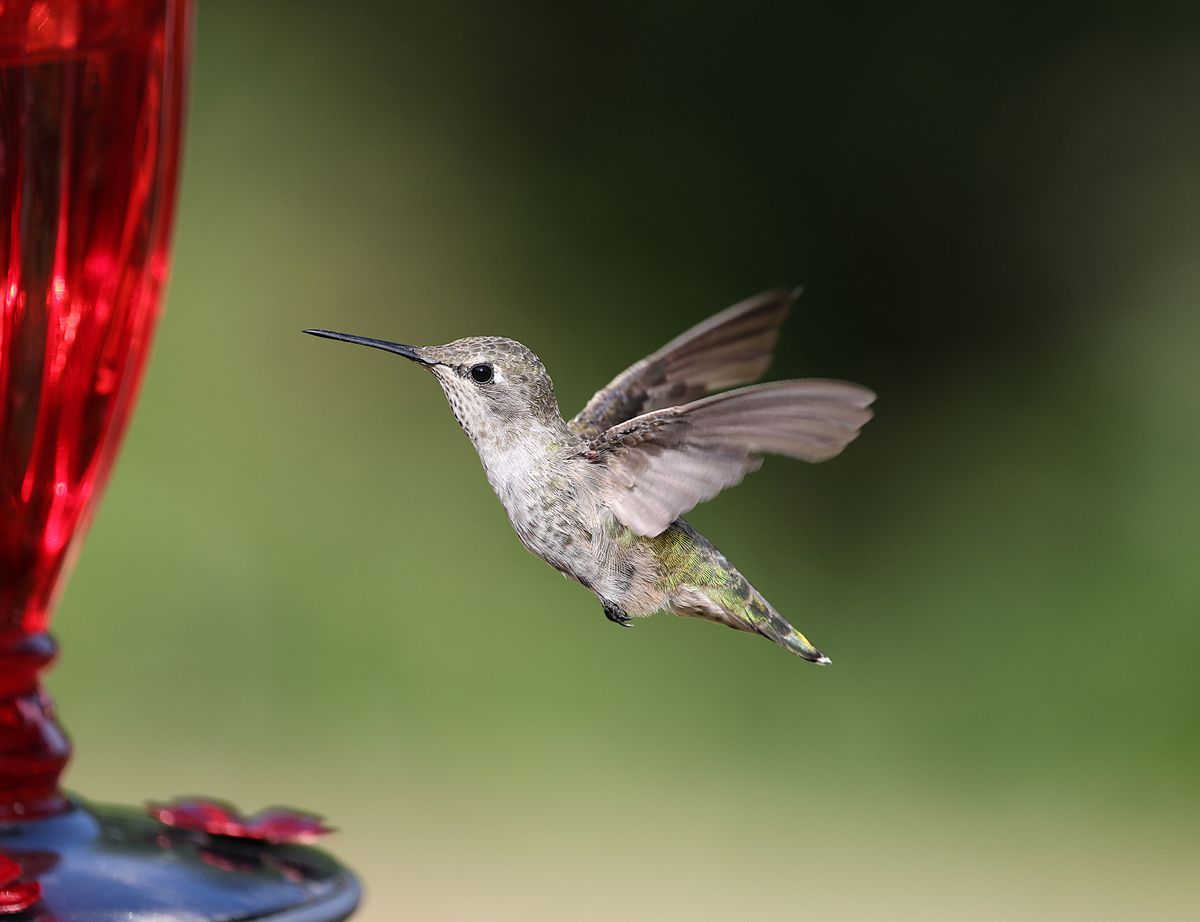
Photo by Veronika Andrews on Pexels
| Cleaning Agent | Bird Safety Rating | Solar Cap Safe? | Metal Base Safe? | Best Used For |
| --- | --- | --- | --- | --- |
| Distilled White Vinegar (1:4) | 5/5 (Safe & Non-toxic) | Damp-wipe only | Yes (Rinse & dry) | Weekly routine sanitation & sugar dissolves |
| 3% Hydrogen Peroxide | 5/5 (Breaks down to water) | No (Keep off sensor) | Yes (Short soak) | Eliminating black mold in narrow ports |
| Warm Water Rinse | 5/5 (100% Safe) | Damp-wipe only | Yes | Daily quick flush during extreme heat |
| Commercial Dish Soap | 1/5 (Dangerous Scent Film) | No | No (Leaves film) | Never recommended for bird feeders |
| Chlorine Bleach Solution | 2/5 (Toxic if unrinsed) | No (Erodes plastic) | No (Strips anti-rust) | Emergency sterilization only (Not for metal) |
Compare popular household cleaning solutions to ensure you protect both your resident hummingbirds and your handcrafted solar feeder investments.
Recommended Gear for Hand-Blown Solar Feeder Care
If you want a magical garden centerpiece that combines artisan beauty with easy maintenance, look for features like hand-blown 2,300°F glass, sealed leak-proof bases, and weather-shielded solar caps.
Expert Sanitation Tip: Protecting Integrated RGB Circuitry
When cleaning a solar-powered feeder, treat the top cap like a high-end smartphone camera lens. The protective plastic solar housing shields against overhead rain and snow, but water submersion creates capillary action that draws moisture past rubber gaskets into the battery casing.
Pro Tip: Set up a dedicated dry zone on your counter with a clean microfiber cloth. Place your solar cap face-up in this dry zone immediately upon disassembly before turning on any running water for the glass bottle.
Temperature-Adjusted Feeder Cleaning & Refill Schedule
- Under 70°F (Cool Spring/Autumn) — Clean and refill every 5 to 7 days. Full vinegar soak required during weekly refill.
- 70°F – 79°F (Moderate Summer) — Clean and refill every 3 to 4 days. Inspect feeding ports for cloudy residue.
- 80°F – 89°F (Warm Summer Peak) — Clean and refill every 2 to 3 days. Flush glass reservoir with cool water between vinegar soaks.
- 90°F+ or Full Sun Exposure — Clean and refill every 24 to 48 hours. Move feeder to partial shade to protect nectar clarity.
Solar Feeder Cleaning & Nectar Freshness Calculator
Plan your sanitation schedule based on your local microclimate and yard lighting conditions.
Solar Feeder Hygiene & Hardware Troubleshooting
| Observed Scenario | Root Cause | Immediate Corrective Action | Preventative Measure |
| --- | --- | --- | --- |
| Black specks inside metal flower ports | Fungal buildup (Candidiasis risk) from fermenting nectar | Soak base in 3% hydrogen peroxide; scrub ports with micro-brush | Shorten refill cycle by 1-2 days during hot weather |
| Hand-blown glass reservoir looks cloudy/filmy | Hard water mineral scale or sticky sugar crystal buildup | Swirl warm vinegar and uncook white rice inside glass bottle | Use distilled water when mixing 4:1 homemade sugar nectar |
| Solar RGB lights are dim or do not illuminate at night | Dust/pollen film on solar lens or insufficient sunlight charge | Wipe solar cap lens with damp microfiber cloth; re-position in sun | Ensure solar top receives 6-8 hours of direct daytime sunlight |
| Nectar drips slowly from metal base flowers | Air bubble pressure displacement or loose base threads | Tighten glass reservoir securely onto base gasket; hang level | Fill reservoir completely to minimize internal air pocket space |
Diagnose common visual issues with nectar clarity, glass maintenance, and solar light performance.
Action Plan for Safe Twilight Feeding
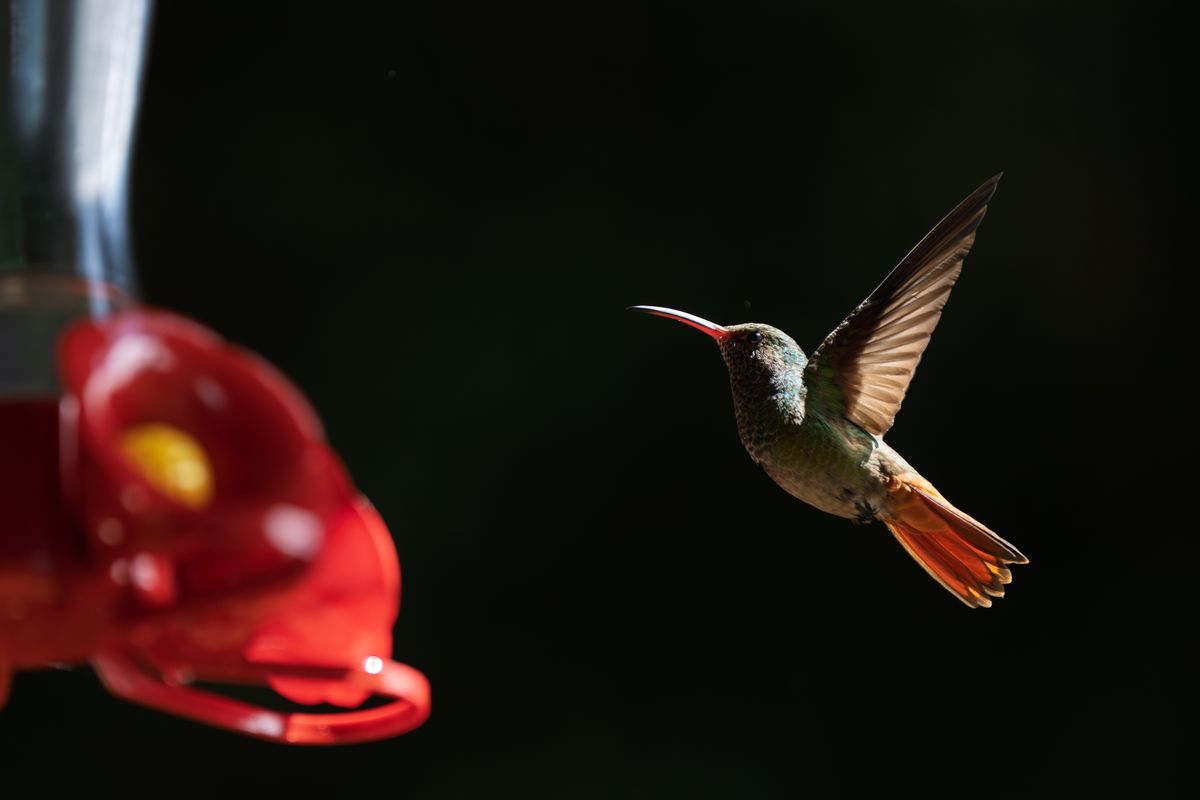
Photo by Mario Spencer on Pexels
Your decision: Disassemble your feeder today and verify the solar cap is kept completely isolated from submersion basins.
Do this next: Mix a fresh 1:4 white vinegar bath for your glass reservoir and use a micro-brush on the metal base feeding ports.
- Read next: Twilight Nectar Care FAQ: Does Nighttime Solar Light Affect Nectar Freshness?
- Read next: Hot Weather Nectar Ratios: How to Keep Hummingbird Food Fresh in Summer
Upgrade to the LUJII 32 oz Hand-Blown Solar Hummingbird Feeder with rust-resistant metal base for an easy-clean, leak-proof feeding experience.
Take these quick steps today to preserve your solar cap electronics while offering fresh nectar to your visiting hummers.
Essential Maintenance Takeaways
Keep these rules in mind every time you service your outdoor solar hummingbird feeder:
Step-by-Step Weekly Solar Feeder Sanitation Checklist
- [ ] Unscrew the upper solar cap and place it carefully on a dry microfiber cloth.
- [ ] Empty all unused nectar from the hand-blown glass reservoir.
- [ ] Submerge glass reservoir and metal base in a 1:4 distilled white vinegar and warm water bath for 15-20 minutes.
- [ ] Scrub internal glass curves and small port holes using soft bottle brushes.
- [ ] Wipe top of solar panel and housing using a soft, barely damp microfiber cloth (do not submerge).
- [ ] Rinse glass and metal parts thoroughly with cool water and air dry completely before refilling with fresh 4:1 nectar.
5 Deadly Cleaning Mistakes That Ruin Solar Feeders & Harm Birds
Avoid these critical errors that can permanently break your feeder's solar components or expose hummingbirds to lethal pathogens.
Deep Dive into Hummingbird Nectar Safety
Explore additional guides on bird safety, homemade nectar preparation, and twilight garden decor care:
- How to Make Safe DIY Hummingbird Nectar: Learn the exact 4:1 water-to-sugar ratio without artificial red dye.
- Hot Weather Nectar Ratios: Adjusting feeding strategies during peak summer heat waves.
- Artisan Glass Care Secrets: Protecting handcrafted hand-blown glass art in extreme outdoor weather.
Frequently Asked Questions About Solar Feeder Care
Got questions about maintaining your solar-powered feeder? Here are exact answers to the most common post-purchase concerns.
Cover photo by Catherine Dempsey on Pexels.