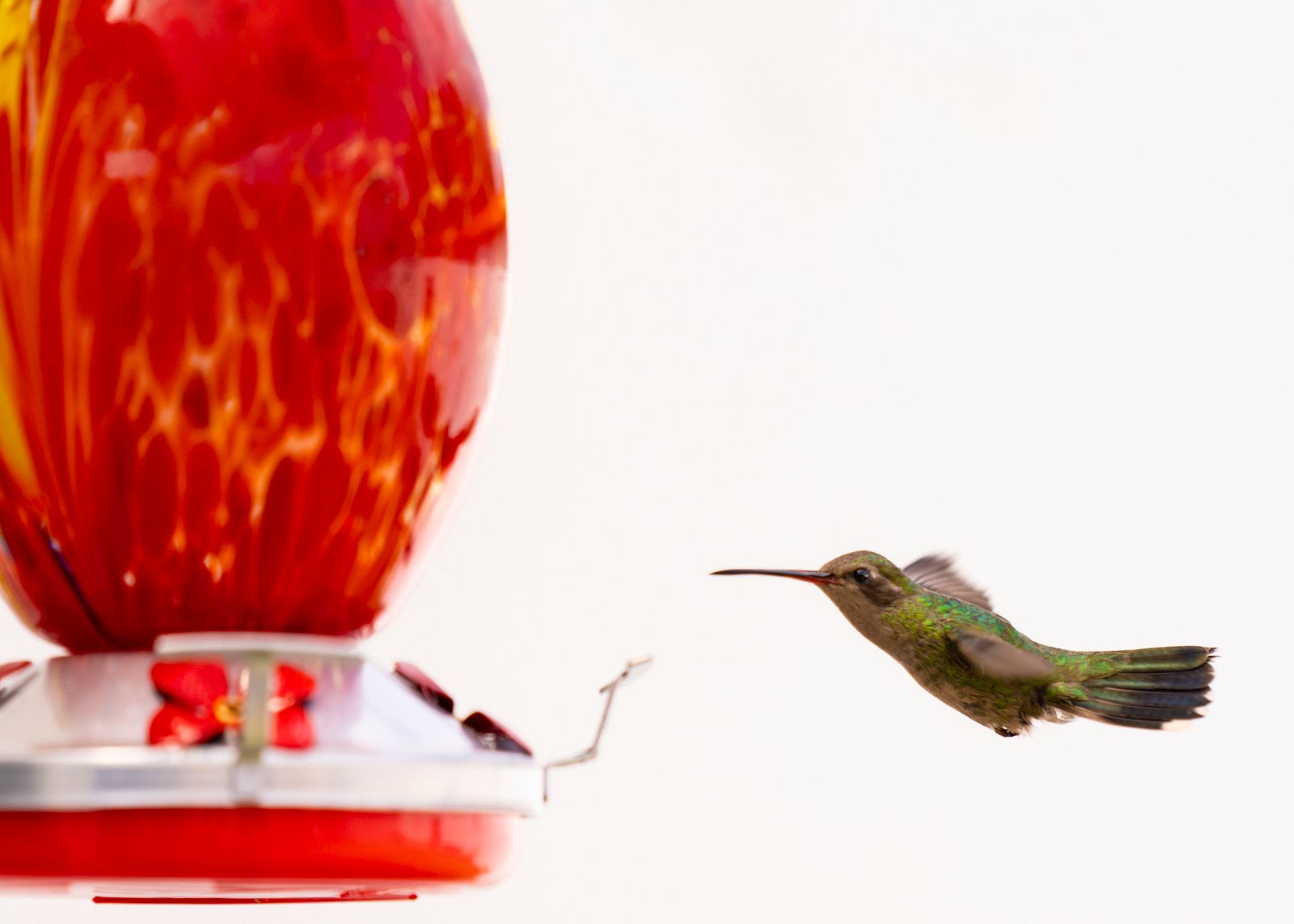
How to Get Mold Out of a Hummingbird Feeder: Vinegar vs. Soap Solutions
To safely remove mold from a hummingbird feeder, use a distilled white vinegar solution (1 part vinegar to 2 parts warm water) rather than dish soap. Vinegar's acetic acid neutralizes mold spores effectively without leaving chemical surfactant residues, artificial fragrances, or soapy films that deter hummingbirds and cause severe avian digestive illness.
Cleaning Solutions Comparison Matrix: Vinegar vs. Soap vs. Bleach
| Evaluation Criteria | Distilled White Vinegar (1:2) | Mild Dish Soap | Dilute Bleach (1:10) |
| --- | --- | --- | --- |
| Mold Eradication Efficacy | High (Neutralizes active fungal spores & biofilms) | Low (Lifts surface grime, leaves microscopic spores) | Extremely High (Completely sterilizes organic mold) |
| Avian Safety & Toxicity Risk | 100% Safe (Zero toxic residue after warm rinse) | High Risk (Surfactant films cling to plastic ports) | Severe Risk (Chlorine gas & chemical residues) |
| Safety for Hand-Blown Glass | Safe (Non-abrasive, preserves glass luster) | Safe (Mild non-acidic cleaner) | Moderate Risk (Can dull glass brilliance over time) |
| Safety for Metal Bases & Seals | Safe (15-min soak will not pit anti-rust metal) | Safe (Does not react with metal or silicone) | High Risk (Corrodes metal coatings & degrades O-rings) |
| Scent & Fragrance Residuals | Zero Residual (Dissipates 100% upon drying) | High Residual (Synthetic perfumes linger in ports) | Severe Residual (Strong chemical odor repels birds) |
| Required Rinse Effort | Low (Rinses clean instantly with warm water) | High (Requires repetitive flushing to clear bubbles) | Extreme (Mandatory 10-minute plain water soak) |
This criteria-based matrix evaluates the three most common hummingbird feeder cleaning agents across safety, mold neutralization, and material compatibility.
Pros and Cons: Evaluating Each Cleaning Agent
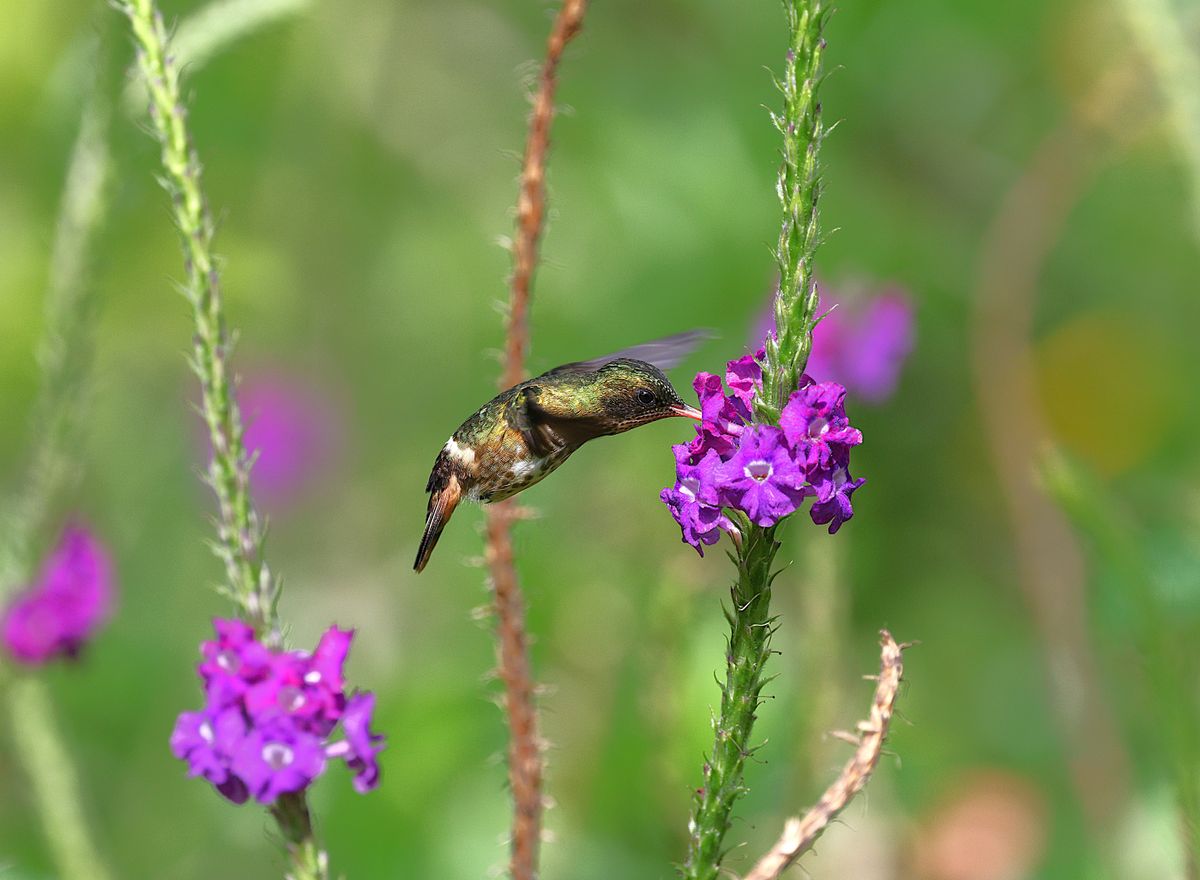
Photo by Veronika Andrews on Pexels
Pros
- White Vinegar: Acetic acid breaks down fungal cell walls naturally without harsh chemicals.
- White Vinegar: Leaves zero artificial scents or dangerous chemical films once rinsed and dried.
- White Vinegar: Safely dissolves stubborn sugar crystal crusts in narrow glass reservoirs.
- Dish Soap: Effective at cutting grease and sticky tree sap on outer decorative housing.
- Dilute Bleach: Rapidly kills 99.9% of severe black mold outbreaks in neglected feeders.
- White Vinegar: Requires 15 to 20 minutes of soak time to loosen dense black mold colonies.
- Dish Soap: Contains chemical surfactants that coat narrow feeding flower ports and cause fatal liver toxicity in hummingbirds.
- Dish Soap: Artificial fragrances overwhelm hummingbirds' delicate respiratory systems.
- Dilute Bleach: Pits anti-rust metal bases and accelerates the dry-rot of rubber O-ring gaskets.
- Dilute Bleach: Requires a strict 10-minute clear water neutralization soak to prevent lingering chlorine poisoning.
Expert Bird-Safety Tip: Protecting Solar Caps & Hand-Blown Glass
When sanitizing handcrafted solar feeders—such as LUJII's artisan glass models—never submerge the top plastic solar cap in water or acid baths. The solar housing protects sensitive RGB LED wiring and rechargeable batteries. Simply wipe the exterior housing with a damp microfiber cloth.
Additionally, hand-blown glass reservoirs are created at 2,300°F and retain unique microscopic curves. To prevent thermal shock cracking, ensure your cleaning bath water matches the ambient temperature of the glass before soaking.
Feeder Mold Troubleshooting Matrix
| Symptom / Mold Pattern | Root Cause | Targeted Remedy | Prevention Step |
| --- | --- | --- | --- |
| Black Specks in Flower Ports | Black mold spores colonizing nectar residue in tight crevices | Soak base in 1:2 warm vinegar solution for 20 mins; scrub ports with a micro-brush | Clean feeding ports every 2-3 days during summer heatwaves |
| Pink Biofilm on Glass Reservoir | Serratia marcescens bacteria breeding in warm sugar water | Submerge glass bottle in 1:2 vinegar solution, wipe interior with soft swab | Replace nectar before ambient temperatures exceed 85°F |
| Cloudy, Hazy Nectar Liquid | Rapid wild yeast fermentation triggered by direct sun exposure | Discard nectar immediately, rinse bottle with warm vinegar water | Relocate feeder to partial shade to reduce nectar temperature |
| Clogged Flower Openings | Dried sugar crystals trapping active fungal spores inside feeding tube | Dip metal base in hot vinegar solution; flush ports with a micro-pipe cleaner | Ensure feeder base is thoroughly dry before refilling with fresh nectar |
Identify the exact type of contamination in your feeder and apply the appropriate safe remedy.
Dangerous Cleaning Mistakes That Threaten Hummingbirds
Avoid these four frequent errors to protect your backyard hummers and keep your solar feeder performing beautifully year after year.
Step-by-Step Mold Sanitization Checklist
- [ ] Unscrew hand-blown glass reservoir and metal base; wipe plastic solar cap with a damp cloth (NEVER submerge electronics).
- [ ] Prepare a 1:2 solution of distilled white vinegar and warm water in a clean washing basin.
- [ ] Submerge glass reservoir, anti-rust metal base, and silicone O-rings; soak for 15-20 minutes to loosen mold spores.
- [ ] Scrub inside glass walls and narrow flower feeding ports using a specialized micro-port brush or soft pipe cleaner.
- [ ] Rinse all non-electronic parts thoroughly with scalding tap water and allow to dry completely in sunlight before refilling.
Frequently Asked Questions About Feeder Mold & Sanitization
Answers to the most common maintenance queries from backyard birding enthusiasts.
Your Mold Prevention Action Plan
Your decision: Choose Distilled White Vinegar (1:2 dilution) for all routine and mold-clearing feeder maintenance.
Do this next: Disassemble your feeder, wipe the solar cap with a damp cloth, and soak the glass bottle and metal base in warm vinegar water for 15 minutes before scrubbing ports with a micro-brush.
- Read next: Hot Weather Nectar Ratios: How to Keep Hummingbird Food Fresh in Summer
LUJII Hand-Blown Glass Solar Hummingbird Feeder — Features a removable leak-proof metal base and wide-mouth glass reservoir designed for effortless micro-brush cleaning.
Put your cleaning routine into practice to keep your garden glowing and your feathered visitors thriving.
Essential Takeaways for a Safe, Mold-Free Garden
Remember these core principles whenever you perform routine feeder care.
Which Cleaning Solution Should You Use Today?
Distilled white vinegar diluted 1:2 with warm water is the undisputed gold standard for routine maintenance and moderate mold removal. Soap should be limited strictly to exterior decorative housing, while bleach is reserved for extreme contamination.
Best choice for
- Distilled White Vinegar Solution (1 part vinegar to 2 parts warm water) — Vinegar's acetic acid neutralizes mold spores effectively without leaving harmful chemical films, artificial fragrances, or toxic residues.
- Mild Unscented Natural Dish Soap (Exterior base only) — Cuts outer grime efficiently when kept away from internal nectar reservoirs and flower ports.
- Using scented commercial dish soaps (fragrances linger in plastic feeding ports and irritate hummingbird respiratory systems).
- Using full-strength undiluted bleach on hand-blown glass or metal bases (causes metal pitting and degrades silicone O-rings).
- 3% Food-Grade Hydrogen Peroxide Soak — An excellent non-toxic alternative to vinegar that breaks down cleanly into pure water and oxygen, leaving zero chemical residue.
Real-World Sanitization Scenarios: Light Maintenance vs. Heavy Outbreaks
Scenario A: 3-Day Summer Flush (Clear Nectar, No Visible Mold) — Disassemble base and bottle. Flush reservoir with hot tap water and a 1:2 vinegar rinse. Swill for 60 seconds, rinse thoroughly with warm water, and refill with cool 4:1 homemade nectar.
Scenario B: Mid-Season Black Mold Outbreak (Specks in Flower Ports) — Perform a 20-minute soak of the glass bottle, anti-rust metal base, and O-ring in a warm 1:2 white vinegar bath. Scrub ports with a micro-brush, flush thoroughly, and air-dry in full sun.
Scenario C: End-of-Season Deep Overhaul (Crusted Sugar & Biofilm) — Soak non-electronic components in a 30-minute 1:2 vinegar bath. Use a microfiber bottle swab for the interior hand-blown glass curves and a pipe cleaner for all port crevices before storing.
Match your cleaning strategy to the severity of your feeder's condition.
Hummingbird nectar is a simple 4:1 water-to-refined-sugar mixture that mimics natural flower nectar. However, warm summer weather across the United States turns this sweet solution into a breeding ground for wild yeast spores, Serratia marcescens bacteria, and black mold. Spores are continuously introduced into the feeder by wind currents and on the beaks of visiting hummingbirds.
When daytime temperatures exceed 80°F, sugar fermentation accelerates exponentially. Fermenting nectar produces ethanol and acidic byproducts that can cause severe liver damage in wild birds. Furthermore, black mold colonizing narrow feeding ports restricts flow and causes candidiasis—a painful fungal infection of the hummingbird's tongue that prevents feeding.
Hand-blown glass reservoirs, like those on the LUJII Solar Hummingbird Feeder, offer a distinct advantage over cheap plastic bottles. Glass is non-porous, meaning mold hyphae cannot penetrate the surface material. By combining the smooth interior of artisan glass with a regular white vinegar soak, backyard birders can easily wipe away biofilms before they threaten local hummer populations.
Further Guides for Backyard Hummingbird Care
Explore additional educational resources to maintain a healthy, vibrant hummingbird habitat:
- How to Clean and Maintain Hand-Blown Glass Hummingbird Feeders Without Fading Color
- Hummingbird Feeder Gasket and O-Ring Maintenance: FAQs for a Drip-Free Garden
- Hot Weather Nectar Ratios: How to Keep Hummingbird Food Fresh in Summer
- Is Red Dye Safe for Hummingbirds? Myths, Dangers, and Safe Nectar Alternatives
Recommended Safe Cleaning Tools & Artisanal Feeders
Pair your bird-safe cleaning routine with high-quality feeders engineered for easy maintenance and stunning visual appeal.
Take Action: Keep Your Hummingbird Haven Safe & Glowing
Your decision: Adopt a strict Distilled White Vinegar (1:2 dilution) cleaning cycle every 2 to 3 days during summer.
Do this next: Inspect your feeder's feeding ports today for black specks. If present, disassemble the feeder, protect the solar cap, and soak the glass and metal base in warm vinegar water for 20 minutes.
- Read next: Hot Weather Nectar Ratios: How to Keep Hummingbird Food Fresh in Summer
LUJII Hand-Blown Glass Solar Hummingbird Feeder — Upgrade your yard with a durable, easy-to-clean handcrafted glass feeder featuring built-in solar RGB illumination.
Protecting your feathered friends is simple when you rely on natural acid sanitization instead of harsh detergent chemicals.
Cover photo by Iñaki TG Sweater on Pexels.