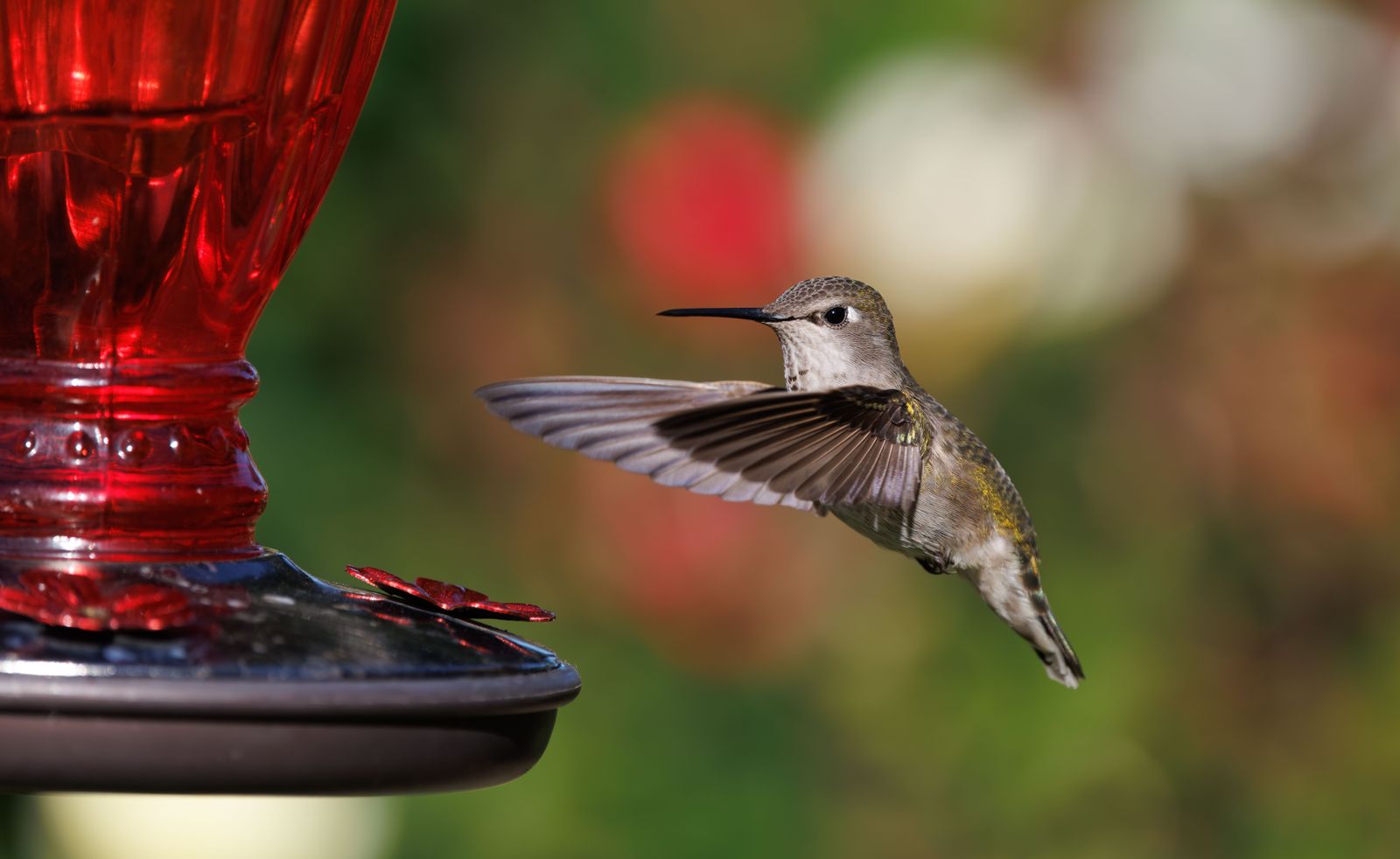
RGB Garden Light Modes Explained: Customizing Your Outdoor Solar Ambiance
Should you set your solar RGB light to static single color, slow fade, or rapid flashing? For optimal garden tranquility, mesmerizing hand-blown glass refraction, and maximum 8-hour battery runtime, select Slow Fade or a static warm color setting. Rapid flash modes drain solar batteries unexpectedly quickly, cause visual fatigue, and can startle nighttime garden wildlife.
RGB Solar Light Mode Performance Matrix
| Lighting Mode | Battery Discharge Rate | Glass Refraction Index | Wildlife Sensitivity Risk | Max Nightly Runtime |
| --- | --- | --- | --- | --- |
| Static Amber / Warm White | Low (1.0x baseline) | High (Constant caustics) | Negligible | 7.5 - 8.0 Hours |
| Slow Fade (Smooth Transition) | Moderate (1.15x baseline) | Optimal (Dynamic highlights) | Low | 6.5 - 7.5 Hours |
| Smooth Spectrum Cycle | Moderate (1.20x baseline) | High (Vibrant color play) | Low-Moderate | 6.0 - 7.0 Hours |
| Rapid Flash / Strobe | High (1.85x baseline) | Poor (Harsh, jarring bursts) | High (Startles twilight fauna) | 2.5 - 3.5 Hours |
Review the technical operational parameters of solar RGB lighting modes before configuring your outdoor fixtures.
How Light Refracts Through Artisan Hand-Blown Glass
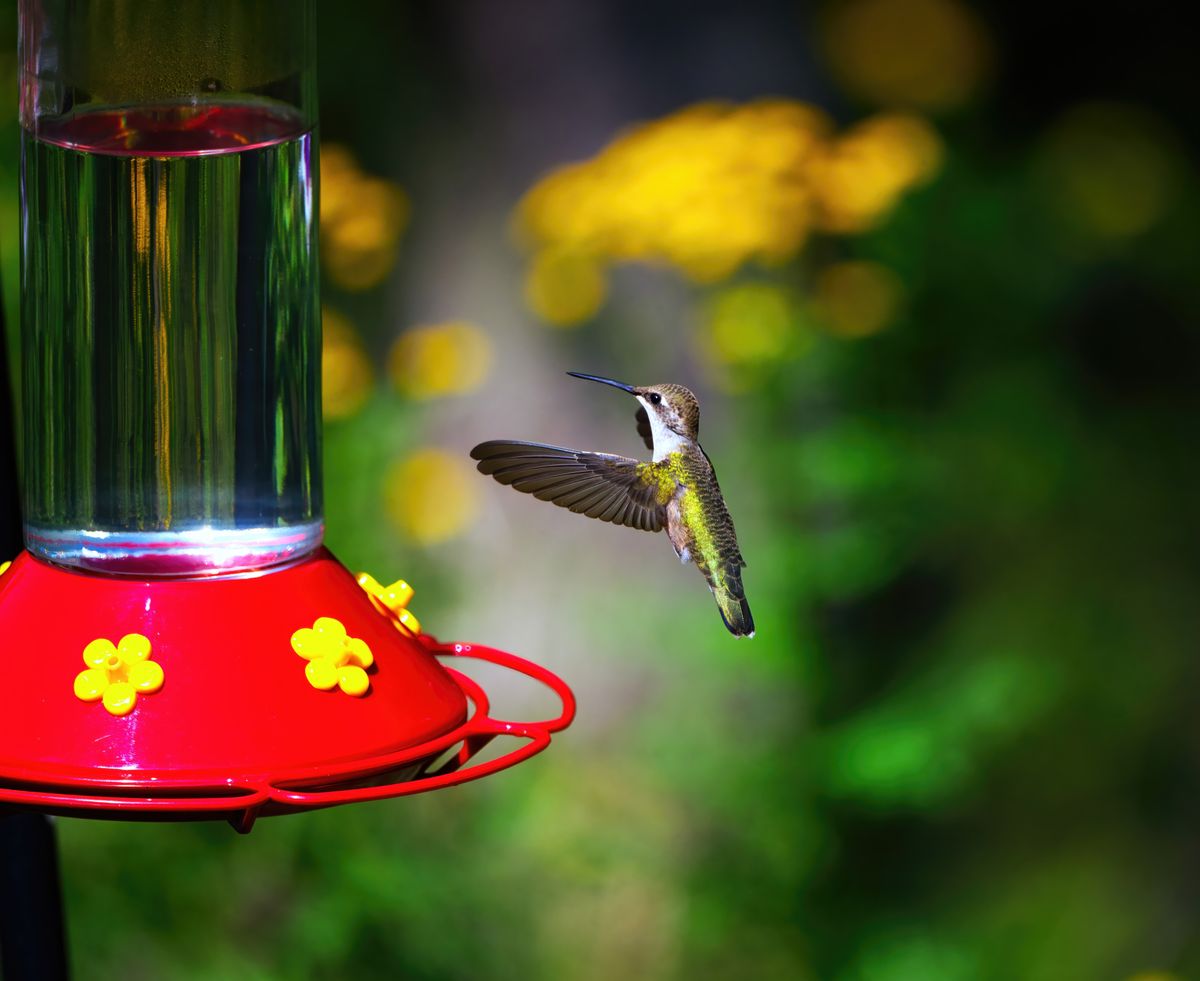
Photo by DANNIEL CORBIT on Pexels
This schematic illustrates the physics of photon dispersion through handcrafted glass crafted at 2,300 degrees versus flat industrial plastic.
Quick Selection Guide: Setting the Right Ambiance
Choosing the Right Light Setting for Your Outdoor Space
- For Peaceful Evening Relaxation: Select Slow Fade mode. The gradual shifting colors illuminate the unique variations in hand-blown glass, creating soft caustic patterns on your patio while conserving battery power.
- For Outdoor Entertaining: Select Smooth RGB Spectrum Cycle. The full-color transition brings vibrancy to garden spaces and serves as a striking focal point for evening guests.
- For Extended Overcast Weather: Select Static Amber or Cyan. Static single-color modes draw minimal current from the lithium solar battery, preserving illumination through cloudy periods.
Expert Lighting Tip: Protecting Solar Battery Longevity
To maintain up to 8 hours of continuous illumination every night, wipe the protective plastic solar cap weekly with a damp microfiber cloth. Accumulated pollen, dust, and hard water spots reduce photovoltaic absorption by up to 30%, which leads to premature battery shutdown regardless of the selected RGB lighting mode.
Initial Setup Actions for Evening Glow
Your decision: Determine your primary goal: serene evening relaxation (slow fade/static) or high-energy event entertaining (dynamic cycle).
Do this next: Set your solar light cap to 'Slow Fade' mode, wipe the solar panel clean with a microfiber cloth, and position the fixture in direct sunlight for 6 hours.
- Read next: Learn about seasonal RGB light palettes
LUJII Hand-Blown Glass Solar Hummingbird Feeder - featuring multi-mode RGB lighting, a 32 oz leak-proof capacity, and weather-resistant metal base.
Follow these practical steps to configure your solar illuminated decor for optimal lighting performance.
Frequently Asked Questions About Solar RGB Lighting
Clear technical answers to common owner questions regarding solar RGB lights, weather resistance, and wildlife interactions.
Core Principles of Outdoor Solar RGB Lighting
Keep these key operational takeaways in mind when selecting lighting modes and positioning garden accents.
Selecting Your Ideal Solar RGB Lighting Profile
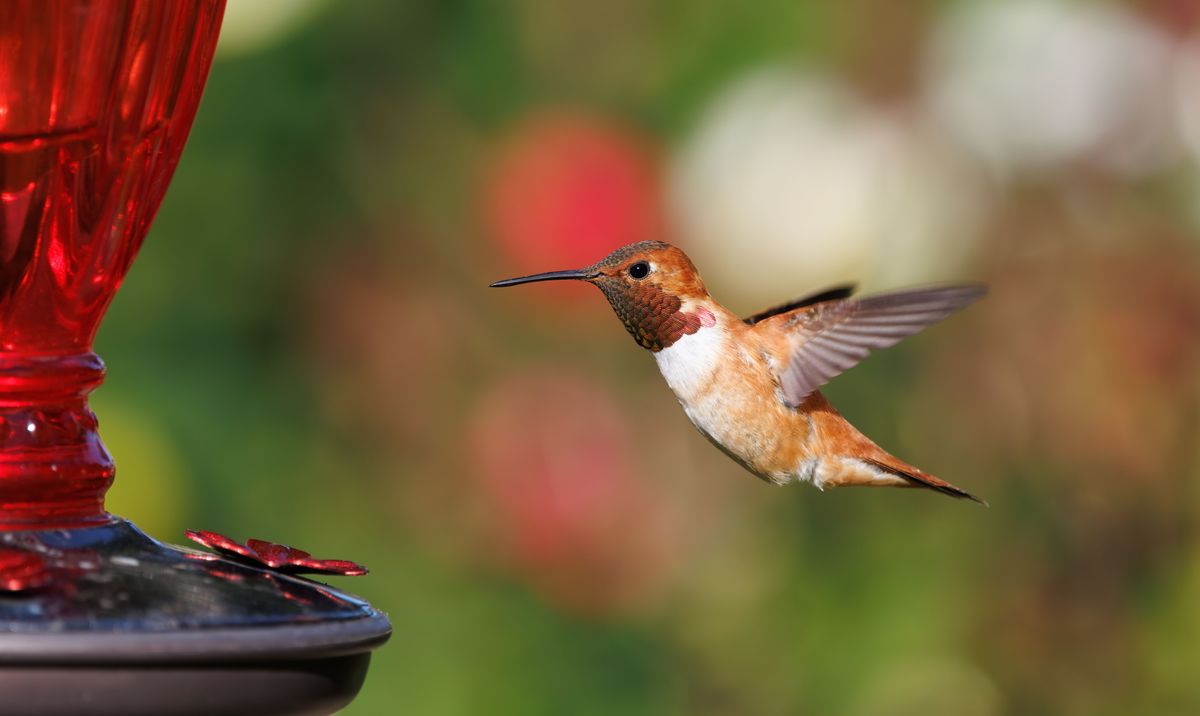
Photo by Veronika Andrews on Pexels
Choose slow fade or static warm tones for everyday relaxation and maximum runtime (up to 8 hours); reserve dynamic color-shifting for brief social gatherings.
Best choice for
- Slow Fade or Static Soft Amber/Cyan — Provides soothing illumination, maintains up to 8 hours of continuous runtime, and highlights hand-blown glass textures without eye fatigue.
- Smooth RGB Spectrum Cycle — Delivers vibrant color transitions that turn illuminated glass art into a conversational centerpiece.
- High-frequency flashing modes during quiet evening relaxation, as rapid transitions disrupt peaceful garden atmospheres and increase battery discharge rates.
- Placing solar lights in heavily shaded foliage without clean solar panel access, leading to premature battery shut-off.
- Static Warm White / Amber Setting — Best for maximizing solar battery efficiency during overcast or winter days while keeping glass textures visible.
Outdoor garden lighting has evolved beyond simple utility into an art form that merges solar technology, optical science, and landscape design. Understanding how solar RGB lighting operates allows garden enthusiasts to curate mesmerizing outdoor experiences while protecting fixture longevity.
The Physics of Hand-Blown Glass Refraction
Unlike mass-produced plastic globes with uniform wall thickness, handcrafted glass accents offer rich visual depth. Glass artists shape molten silica at 2,300°F, passing techniques down through generations. This high-temperature process creates subtle variations in wall density, delicate micro-swirls, and organic surface curves.
When light from internal RGB LEDs passes through hand-blown glass, photons bend across varying surface angles—a phenomenon known as optical refraction. The result is a pattern of caustic light ribbons projected onto surrounding patio pavers, foliage, and garden walls. Standard flat plastic produces flat, harsh glare because photons travel straight through uniform surfaces without dispersion. Handcrafted glass transforms simple LED emissions into warm, soothing ambient art.
For a deeper dive into materials, explore our analysis on hand-blown glass vs. plastic hummingbird feeders.
How Light Modes Influence Battery Discharge Rates
Solar-powered illuminated garden accents rely on top-mounted photovoltaic cells integrated into protective plastic caps. During daylight hours, these panels convert solar radiation into electrical current, storing energy in internal rechargeable batteries. At night, integrated photo-sensors automatically activate the RGB LED array.
The chosen light mode determines energy consumption:
To dive deeper into maximizing evening power, consult our guide on how to maximize nighttime battery life for solar feeders.
Harmonizing Outdoor Ambiance and Wildlife Comfort
Twilight is a transition period in the garden. Late-visiting hummingbirds perform final nectar stops before roosting, while beneficial insects begin their evening activity. Soft, gradual RGB transitions mirror natural twilight hues, enhancing garden beauty without disturbing wildlife.
Positioning your illuminated decor near seated patio areas brings hand-blown glass details into full view. For additional context on how evening lighting affects wildlife, read our breakdown on whether nighttime solar lights bother hummingbirds and discover how dusk bird watching elevates your sunset routine.
RGB Light Mode Criteria Evaluation
| Evaluation Criteria | Static Soft Amber | Slow Fade Transition | Smooth RGB Spectrum | Rapid Flash / Strobe |
| --- | --- | --- | --- | --- |
| Energy Efficiency & Runtime | Excellent (8.0 Hrs) | Very Good (7.5 Hrs) | Good (6.5 Hrs) | Poor (2.5 Hrs) |
| Visual Harmony & Ambiance | Soothing & Subtle | Captivating & Serene | Vibrant & Dynamic | Harsh & Distracting |
| Wildlife Sensitivity Impact | Zero Disruption | Minimal Disruption | Low Disruption | High Startle Risk |
| Glass Caustic Highlight | Constant Geometry | Evolving Highlights | Multi-Tone Contrast | Flickering Glare |
This criteria-based matrix evaluates four RGB light modes across four critical operational factors.
Failure Modes & Common Lighting Mistakes to Avoid
Avoid these operational mistakes to prevent reduced runtime, glass dullness, or premature equipment failure:
- Selecting Strobe Mode for Daily Use: Rapid flashing modes deplete battery reserves within 2 to 3 hours, leaving your garden dark for the rest of the night.
- Shading the Solar Panel: Installing fixtures underneath dense trees or roof overhangs blocks sunlight, preventing the battery from reaching the recharge level needed for an 8-hour glow.
- Neglecting Solar Cap Maintenance: Allowing dust, pollen, and hard water spots to accumulate on the plastic solar cap reduces charging efficiency by up to 30%.
- Ignoring Rust Protection on Bases: Inferior outdoor decor often uses un-coated metals that rust when exposed to moisture. Look for powder-coated or weather-sealed bases to prevent corrosion.
- Using Abrasive Cleaners on Glass: Harsh chemical sprays can damage handcrafted glass lusters. Clean decorative glass using only mild soap and warm water.
Related Outdoor Lighting & Decor Guides
- Best RGB Solar Garden Decor for Evening Ambiance: A Nighttime Aesthetic Guide
Featured Craftsmanship: LUJII Solar-Powered Hummingbird Feeder
Transform your outdoor space with the handcrafted beauty of the LUJII Solar-Powered Hummingbird Feeder. Designed for garden enthusiasts who appreciate fine craftsmanship and evening lighting.
- Solar Power & RGB Lights: Automatically lights up at night for up to 8 hours after a full daylight recharge. Features customizable RGB light mode options to create a magical atmosphere.
- Hand-Blown Glass Art: Each glass reservoir is uniquely handcrafted by skilled artisans shaping molten glass at 2,300°F. Translucent glass allows you to monitor nectar levels effortlessly.
- Leak-Proof & Generous Capacity: Features a 32 fl. oz. capacity with a slender reservoir and sealed base to minimize drips and spills.
- Weatherproof Protection: A durable plastic solar cap protects electrical components against rain and snow, while the anti-rust coated metal base ensures long-lasting outdoor durability.
Your Next Steps to Elevate Your Nighttime Sanctuary
Your decision: Choose between serene single-color lighting or dynamic RGB transitions to match your garden style.
Do this next: Set your solar light cap to 'Slow Fade' mode, wipe the solar panel clean with a damp microfiber cloth, and place the fixture in direct sunlight for 6 hours.
- Read next: How to illuminate your nighttime garden with solar bird decor
- Read next: Why a solar-powered hummingbird feeder makes the ultimate gift
LUJII Hand-Blown Glass Solar Hummingbird Feeder - featuring multi-mode RGB lighting, 32 oz leak-proof capacity, and weather-resistant metal base.
Take these simple steps to bring hand-blown glass art and solar RGB lighting into your garden tonight.
Cover photo by Veronika Andrews on Pexels.