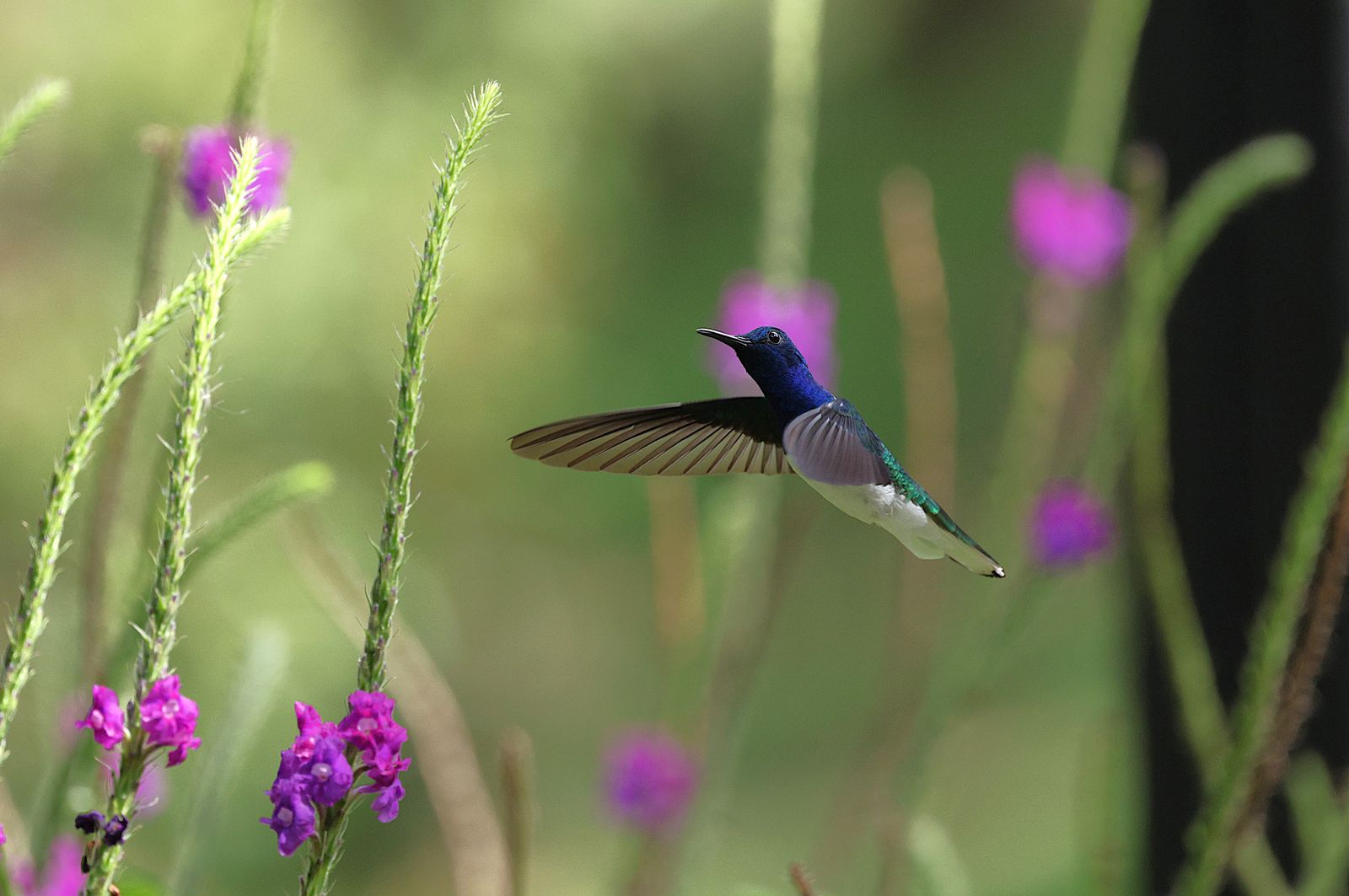
Hand-Blown Glass vs. Plastic Solar Hummingbird Feeders: Which Is Best for Your Yard?
Hand-blown glass solar hummingbird feeders far outperform plastic feeders in UV longevity, thermal nectar preservation, and nighttime optical beauty. While plastic offers a lightweight, shatterproof budget option, artisan glass resists sun damage, insulates nectar against rapid heat fermentation, and transforms solar RGB lighting into a radiant garden centerpiece for years.
Glass vs. Plastic Performance Matrix
| Evaluation Criterion | Hand-Blown Glass Solar Feeder | Plastic Solar Feeder |
| --- | --- | --- |
| UV & Sun Damage Resistance | Impervious to UV rays; zero yellowing, chalking, or structural micro-crazing over years of sun exposure. | Highly prone to UV breakdown; turns brittle, yellow, and cloudy after 1–2 seasons outdoors. |
| Thermal Insulation (Nectar Care) | Thick glass walls shield nectar from rapid temperature spikes, keeping sugar water fresh longer. | Thin plastic walls transfer external ambient heat rapidly, accelerating dangerous nectar spoilage. |
| Nighttime Solar RGB Illumination | Artisan 2,300°F handcrafted glass refracts RGB solar LEDs into dancing, prismatic light patterns. | Molded plastic diffuses light flatly with dull illumination, often showing internal water spots or mold stains. |
| Wind & Weight Stability | Substantial filled weight (32 oz capacity) keeps feeder stable during windy summer afternoon gusts. | Extremely lightweight body sways excessively in mild breeze, increasing accidental nectar spills. |
| Cleanability & Mold Resistance | Smooth, non-porous glass wipes clean effortlessly without developing micro-scratches that harbor black mold. | Soft plastic scratches easily during routine brush scrubbing, creating microscopic grooves where algae thrives. |
| Structural & Aesthetic Longevity | Multi-year heirloom quality; embedded glass mineral pigments never fade, peel, or wash away. | Budget utility lifespan; surface dyes fade and plastic casing wears down requiring frequent replacement. |
Here is how hand-blown artisan glass compares directly against molded plastic across critical backyard performance factors.
Material Trade-Offs at a Glance
Pros
- Superior thermal mass keeps nectar cool and safe during high heat afternoons
- Handcrafted at 2,300°F so embedded colors never fade, peel, or leach chemicals
- Thick glass refracts solar RGB LEDs into breathtaking nighttime garden illuminations
- Heavy base and reservoir provide excellent stability against wind tipping
- Non-porous glass withstands deep cleaning and scrubbing without scratching
- Requires sturdy hanging hardware (shepherd's hook rated for 8–10 lbs)
- Can crack if dropped on concrete or exposed to expanding frozen liquid in winter
Which Feeder Belongs in Your Yard?
If you view your backyard as a peaceful wildlife sanctuary and love evening patio ambiance, a hand-blown glass solar feeder is an unbeatable addition. It combines traditional glassmaking heritage with eco-friendly solar lighting.
Frequently Asked Questions
Clear up common questions about maintaining hand-blown glass, solar lighting behavior, and seasonal care.
Key Summary Points
Keep these vital comparisons in mind as you curate your ideal backyard bird feeding setup.
Decision Framework: Matching Your Yard & Climate
Hand-blown glass solar feeders are the superior long-term investment for garden decor, offering higher UV resistance, better nectar insulation, and gorgeous RGB light refraction. Plastic feeders suit short-term setups or high-impact zones where risk of falling is high.
Best choice for
- Hand-Blown Glass Solar Feeder — Thick glass provides thermal inertia, slowing nectar fermentation on hot summer days.
- Hand-Blown Glass Solar Feeder — Handcrafted glass curves act as optical lenses, casting vibrant solar RGB patterns across foliage.
- Plastic Hummingbird Feeder — Shatterproof plastic withstands accidental bumps or drops onto stone pavers.
- Avoid plastic feeders in hot sunny climates where thin walls accelerate nectar mold growth.
- Avoid heavy glass feeders if hanging from thin, unanchored tree branches or weak suction cups.
- Heavy-Duty Metal Base Glass Feeders — Offers rust resistance and added lower weight for superior stability in high winds.
Real-World Backyard Scenarios
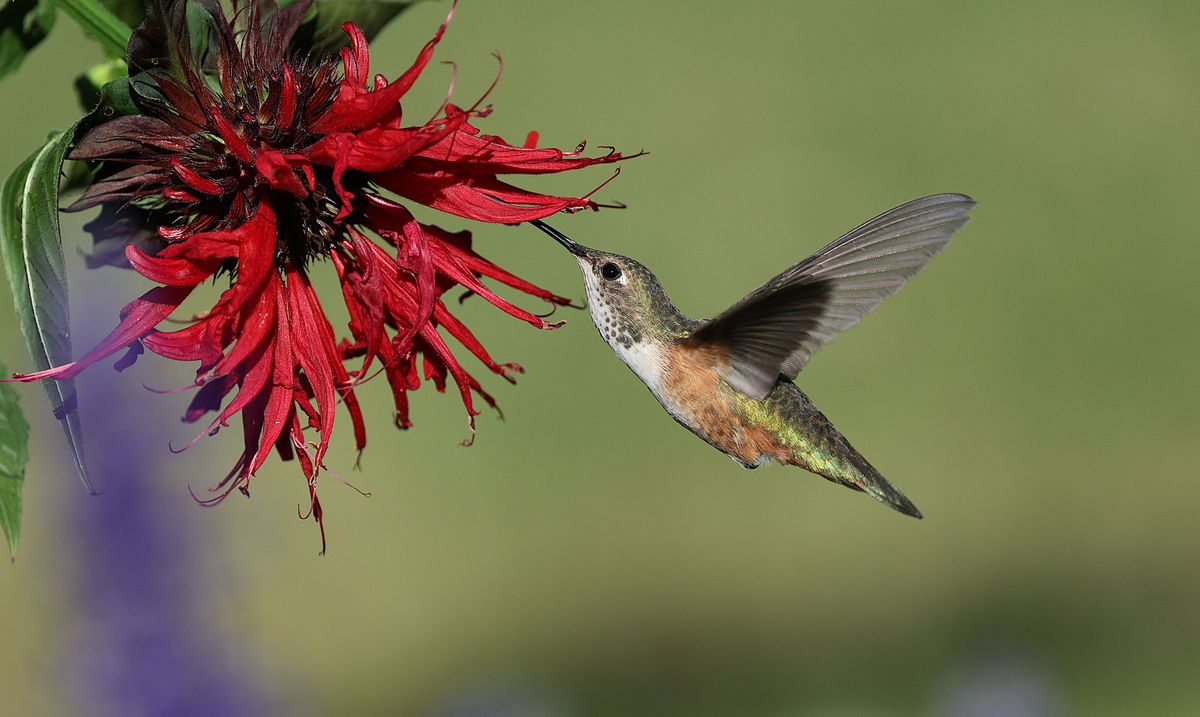
Photo by Veronika Andrews on Pexels
A Scorching 95°F July Afternoon in the Sun — Choose Hand-Blown Glass. Thin plastic reservoirs absorb sun radiation quickly, pushing internal nectar temperatures past safe limits and causing rapid fermentation within 24 hours. Thick glass insulates the sugar solution, extending freshness and keeping visiting hummingbirds safe from toxic spoiled nectar.
Hosting Evening Patio Dinners at Twilight — Choose Hand-Blown Glass. When dusk arrives, the solar cap automatically turns on internal RGB LEDs. As light passes through the handcrafted glass patterns fired at 2,300°F, it projects jewel-toned reflections across your garden walls and plants, creating an enchanting glow plastic simply cannot replicate.
Breezy Summer Thunderstorms & Sudden Wind Gusts — Choose Hand-Blown Glass on a Heavy-Duty Hook. Lightweight plastic feeders swing violently in 15 mph breezes, sloshing nectar out of the ports and coating your patio in sticky liquid. A filled 32 oz glass feeder has substantial mass, hanging steadily and preventing messy leaks.
How feeder materials respond under real outdoor conditions.
The Physics of Nectar Preservation: Thermal Mass vs. Plastic Transfer
When attracting hummingbirds to your yard, nectar safety is paramount. According to research published by avian wildlife care organizations like the Audubon Society and the Cornell Lab of Ornithology, sucrose nectar rapidly ferments when exposed to high temperatures, breeding harmful bacteria and fungal mold.
Material composition plays an enormous, often overlooked role in temperature regulation. Plastic feeders are thin-walled polymers with low thermal density. Under direct sunlight, solar energy penetrates plastic almost instantly, heating internal nectar and causing rapid fermentation.
In contrast, hand-blown glass reservoirs possess high thermal mass. The thick glass walls act as a natural thermal buffer, absorbing external temperature swings gradually. During peak afternoon heat, glass keeps the internal nectar significantly cooler than the surrounding ambient air, preserving freshness and protecting delicate hummer digestive systems.
Artistic Light Optics: How Hand-Blown Glass Transforms Solar RGB LEDs
Solar-powered hummingbird feeders serve a dual purpose: nourishing daytime feathered visitors and enhancing your evening outdoor landscape. However, the visual quality of that evening glow relies entirely on the optical clarity of the reservoir.
Plastic reservoirs diffuse light uniformly but flatly. Because molded plastic lacks internal depth and optical density, solar LED rays simply pass through, creating a dull, washed-out illumination. Furthermore, any surface scratches, water spots, or micro-cracks in plastic become glaringly visible under nighttime illumination.
Hand-blown glass tells a completely different story. Artisans shape molten glass at extreme temperatures reaching 2,300°F, introducing swirling curves, mineral color swirls, and varied wall thicknesses. When the solar RGB LEDs light up automatically at sunset, these glass variations act like microscopic prisms. Light refracts and dances through the translucent colored glass, casting intricate, magical patterns across your patio, garden bed, and leaves for up to 8 hours.
Micro-Scratches & Hygiene: Why Non-Porous Glass Keeps Birds Safe
Hummingbird feeders require frequent washing—often every 2 to 3 days during midsummer. Over time, maintaining plastic feeders becomes a battle against microscopic degradation.
Plastic is a relatively soft material. Every time you scrub a plastic reservoir with a bottle brush, tiny micro-abrasions form on the inner walls. These microscopic scratches create ideal breeding grounds for stubborn black mold and bacterial colonies that resist standard rinsing. Over a season or two, plastic turns cloudy, stained, and difficult to sanitize thoroughly.
Hand-blown glass is dense, hard, and entirely non-porous. It withstands deep warm-water washes and soft bottle scrubbing without developing surface micro-scratches. Mold and sugar residue slide right off the smooth glass surface, ensuring your 32 oz reservoir stays crystal clear and completely hygienic season after season.
Featured Solar Hummingbird Feeder
Discover the ideal combination of artisanal heritage, solar innovation, and bird safety.
Actionable Next Steps for Backyard Bird Lovers
Your decision: Invest in a handcrafted glass solar feeder for superior garden elegance, nectar thermal protection, and multi-season durability.
Do this next: Select a heavy-duty steel shepherd's hook rated for at least 8 to 10 lbs. Mount your feeder in a location receiving 6 to 8 hours of direct sunlight daily so the solar cap recharges fully for evening illumination.
Related resource: Cornell Lab of Ornithology - Backyard Bird Feeding & Nectar Safety Guide
LUJII Hand-Blown Glass Solar Hummingbird Feeder (32 oz, RGB Lights, Anti-Rust Metal Base)
Follow these practical guidelines to install your new solar glass feeder safely and maximize its life in your yard.
Expand Your Sanctuary: Related Guides
Guide readers to pillar and supporting articles.
Cover photo by Veronika Andrews on Pexels.