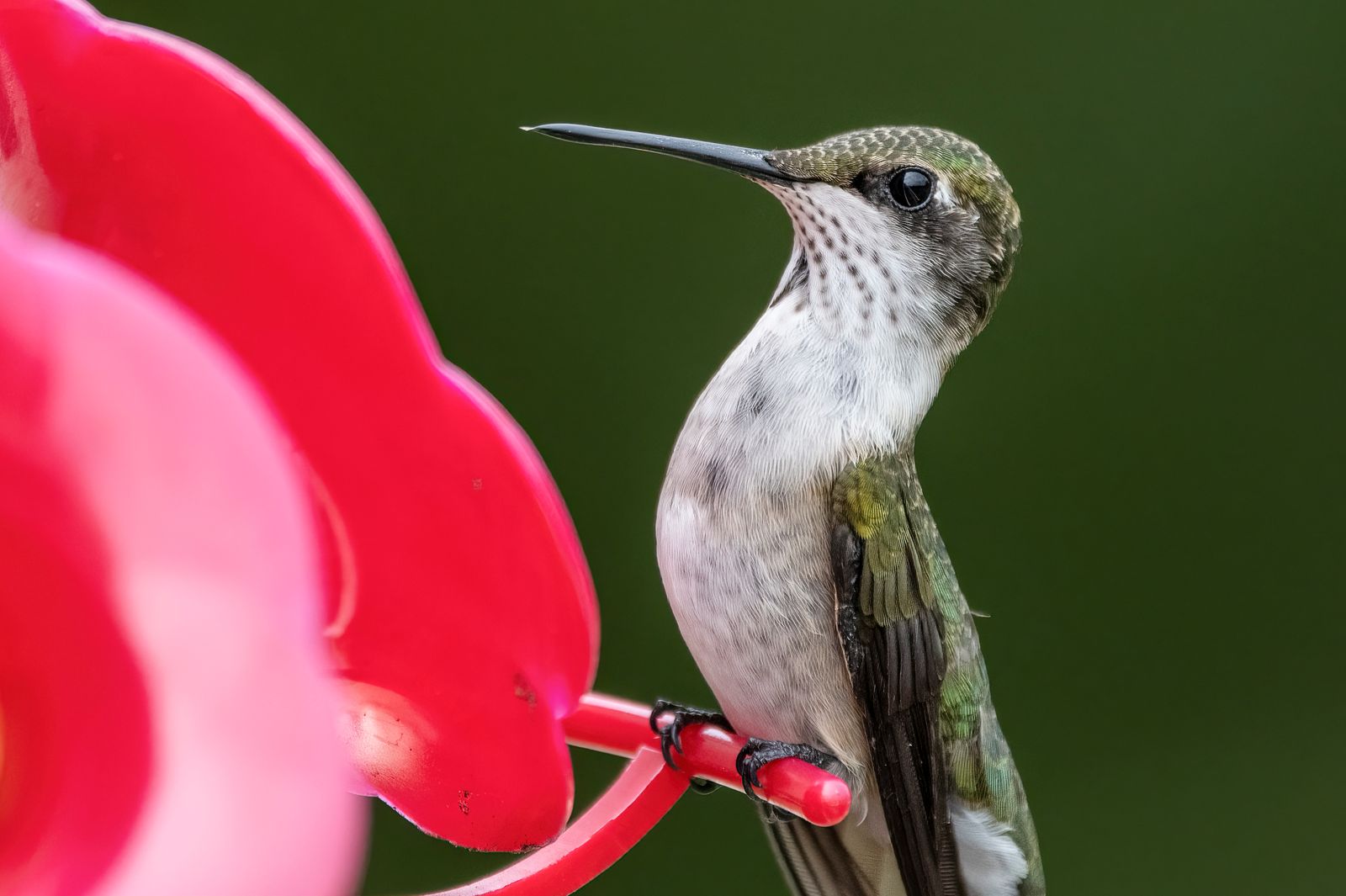
How to Maintain Solar Hummingbird Feeder Lights & Prevent Leaks
Is your solar hummingbird feeder failing to light up at dusk or dripping nectar onto your garden patio? To restore 8 hours of vibrant RGB lighting, ensure the underside power switch is set to 'ON', clean the solar collector panel with a damp microfiber cloth, and replace aging 1.2V AA Ni-MH batteries annually. To eliminate nectar leaks, inspect the rubber seal gasket for proper seating, tighten the anti-rust metal base securely, and position the feeder in afternoon shade to prevent heat expansion.
Pre-Maintenance Safety & Visual Diagnostic Checklist
- [ ] Verify the solar cap power switch is toggled to the 'ON' position beneath the protective housing.
- [ ] Wipe top solar collector free of dust, pollen, and water spots using a damp microfiber cloth.
- [ ] Ensure the feeder receives at least 6 hours of direct, unobstructed sunlight daily.
- [ ] Inspect the rubber base gasket for tears, misalignments, or sugar crystallization.
- [ ] Confirm the metal base is tightly hand-screwed onto the hand-blown glass threads.
- [ ] Verify nectar is kept out of direct 90°F+ afternoon sun to prevent thermal pressure leaks.
Printable 1-Page Maintenance Quick Reference
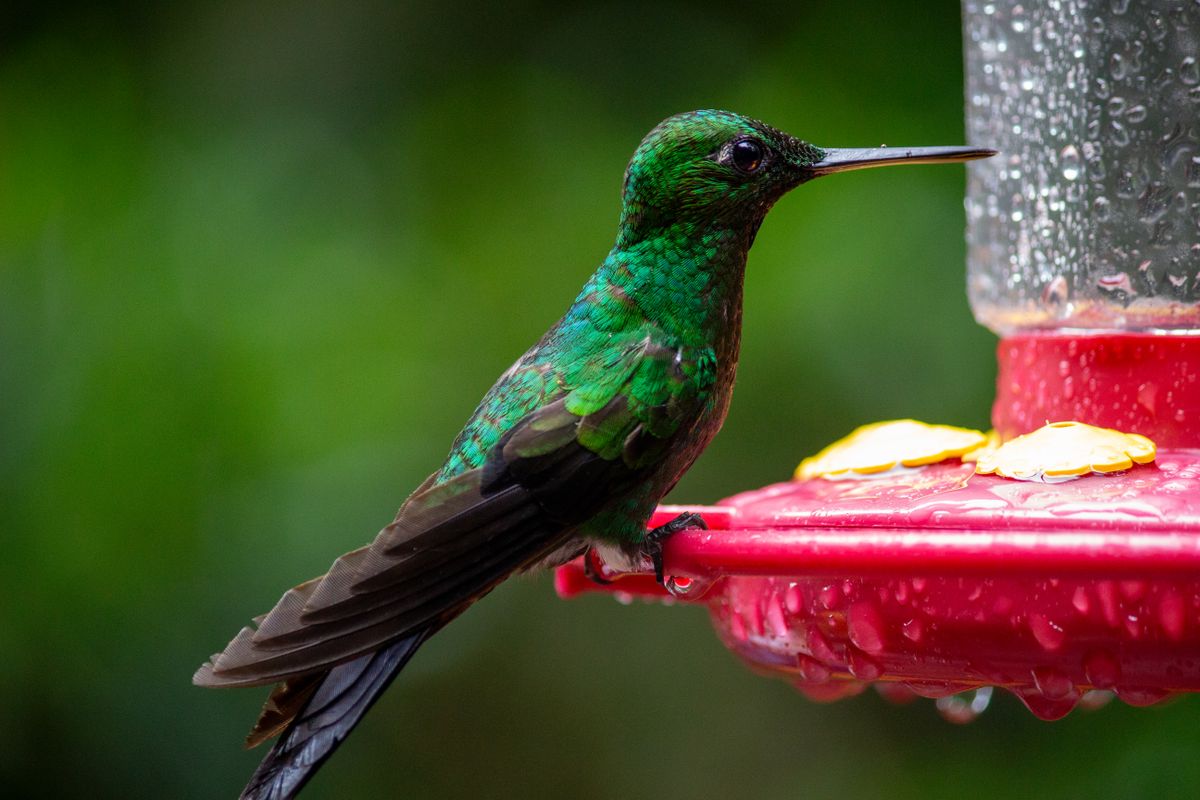
- Solar LED Diagnostics: 1) Switch set to ON. 2) Wipe solar cap panel clean weekly. 3) Replace 1.2V AA Ni-MH battery every 12 months.
- Leak Prevention: 1) Align rubber gasket flush against glass neck. 2) Hand-tighten anti-rust metal base securely. 3) Hang feeder in afternoon shade.
- Safe Cleaning: 1) Rinse 32 oz hand-blown glass reservoir with warm water every 3–5 days. 2) NEVER submerge top solar lid in water; wipe cap with damp cloth.
- Nectar Health: 1) Mix 4 parts water to 1 part white refined sugar. 2) Replace nectar before it becomes cloudy or ferments in summer heat.
Expert Tip: Preserving Solar Cap Waterproof Seals & Hand-Blown Glass
Always isolate the solar housing during cleaning! While the hand-blown glass reservoir is forged at 2,300 degrees Fahrenheit to withstand atmospheric pressure and warm water rinses, the top solar cap houses sensitive electronics and a rechargeable Ni-MH battery. Never submerge the solar cap in water. Wipe it clean with a lightly damp cloth to preserve its waterproof seal and keep the photo sensor clear for automatic twilight illumination.
Solar Light & Nectar Leak Failure Modes Diagnostic Table
| Failure Scenario | Root Cause | Diagnostic Check | Corrective Action |
| --- | --- | --- | --- |
| Dark Solar LED at Dusk | Solar switch OFF or solar panel obstructed by dirt/debris | Inspect switch under cap; check panel clarity | Toggle switch to ON; wipe solar collector with microfiber cloth; re-charge in direct sun for 6 hours |
| Rapid Battery Drain (< 3 Hours Glow) | Degraded Ni-MH battery or insufficient daily direct sunlight | Check battery age and shadow cover during peak morning/afternoon hours | Relocate feeder to unshaded location; replace internal 1.2V AA Ni-MH battery if older than 12 months |
| Nectar Dripping from Metal Base | Misaligned rubber gasket or thermal air expansion from heat | Unscrew metal base to check gasket positioning; observe if leaking occurs during hottest afternoon hours | Reseat rubber sealing ring flat against glass rim; hang feeder in partial afternoon shade to stabilize internal air pressure |
| Clouded or Sticky Glass Reservoir | Sugar syrup buildup or mildew accumulation | Examine glass clarity and port flow | Flush 32 oz glass bottle with warm water and soft bottle brush; avoid chemical solvents that dull translucent glass luster |
Immediate Action Plan for Feeder Restoration
Your decision: Determine whether your feeder issue is electrical (solar cap/battery) or mechanical (gasket seal/thermal expansion leak).
Do this next: Clean the solar panel surface, inspect the base gasket alignment, and place the feeder in afternoon shade.
- Read next: How to Clean and Maintain Hand-Blown Glass Hummingbird Feeders Without Fading Color
- Read next: Twilight Nectar Care FAQ: Does Nighttime Solar Light Affect Nectar Freshness?
LUJII Solar-Powered Hand-Blown Glass Hummingbird Feeder with Metal Base
Key Maintenance Rules for Solar Art Hummingbird Feeders
- Solar caps require 6+ hours of direct daily sunlight and a clean solar cell surface to deliver up to 8 hours of evening RGB light.
- Never submerge the solar cap in water; clean electronics with a damp cloth while washing the glass bottle separately.
- Base leaks are almost always caused by misaligned silicone gaskets or heat-induced thermal pressure inside the 32 oz chamber.
- Shading your feeder during 90°F+ afternoons prevents nectar fermentation and thermal siphoning.
- Standard 1.2V AA Ni-MH solar batteries should be replaced every 12 to 18 months for optimal illumination power.
Seasonal Maintenance & Cleaning Schedule
- Every 3–5 Days — Empty remaining nectar, rinse the 32 oz hand-blown glass bottle with warm water, refill fresh 4:1 sugar water solution, and wipe feeding ports clean.
- Weekly — Wipe the top solar panel with a damp microfiber cloth to remove dust, pollen, and bird droppings that block photo sensors.
- Monthly — Unscrew the anti-rust metal base, inspect the rubber gasket for wear or sugar build-up, clean threads, and test solar switch toggle.
- Every 12 Months — Replace the interior 1.2V AA Ni-MH rechargeable battery inside the solar cap compartment to restore full 8-hour nightly glow duration.
- Winter / Freeze Warning — Bring glass feeder indoors before hard freezes to protect 2,300°F glass art and battery housing from frost expansion damage.
5 Common Maintenance Mistakes That Ruin Solar Feeders
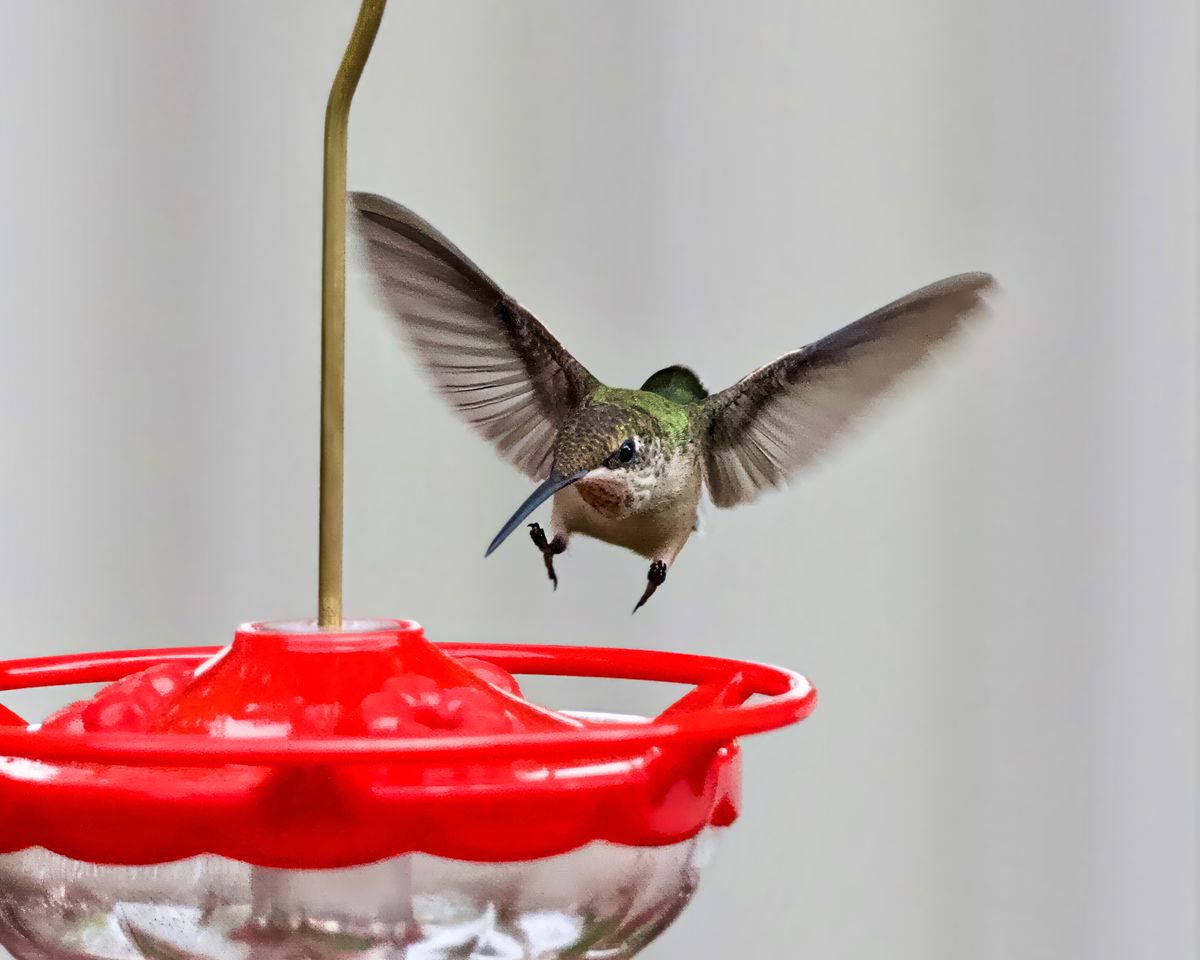
Photo by A. G. Rosales on Pexels
Solar Component & Battery Lifespan Timeline
- Day 1 – Installation — Unpack hand-blown glass feeder, insert rubber gasket, tighten metal base, toggle solar cap switch ON, charge 8 hours in full sun.
- Months 1–6 — Maintain 3-5 day nectar refreshes and weekly solar panel wipes. Peak RGB light output (7-8 hours per night).
- Months 6–12 — Inspect rubber base seal for sticky residue buildup. Solar battery performance holds at 80-90% efficiency.
- Months 12–18 — Replace 1.2V AA Ni-MH solar rechargeable battery when nightly illumination drops below 4 hours.
- Year 2+ — Inspect anti-rust metal base coating and silicone gasket; replace gasket if dry-rot or hardening occurs.
Related Guides for Eco-Friendly Garden Aesthetics
- Why should I choose a Solar Hummingbird Feeder with lights?
- Solar Hummingbird Feeder Maintenance: Hand-Blown Glass Cleaning Guide
- Keep Your Garden Glowing: How to Care for and Troubleshoot Your Solar Hummingbird Feeder Light
Frequently Asked Questions About Solar Hummingbird Feeder Lights
Why is my solar hummingbird feeder light not turning on at night?
First, check the ON/OFF switch under the solar cap to ensure it is switched ON. Next, verify the solar panel receives 6+ hours of direct, unshaded sunlight daily. Dust, pollen, or water spots on the solar collector can block charging; wipe the panel clean with a microfiber cloth. If the light remains dark after charging, replace the internal 1.2V AA Ni-MH rechargeable battery.
How do I stop nectar from dripping out of the metal base ports?
Inspect the internal rubber sealing gasket between the bottle neck and the metal base to ensure it sits completely flat without kinks or sugar residue. Screw the anti-rust base firmly onto the glass threads until hand-tight (do not over-torque). Finally, hang the feeder in partial afternoon shade; direct 90°F+ sun heats air inside the 32 oz reservoir, creating thermal expansion that pushes nectar out.
Can I submerge the solar top cap in water when cleaning the glass bottle?
No! NEVER submerge the top solar cap in water. Submerging breaks the waterproof seal, damages the circuit board, and ruins the rechargeable battery. Wash the hand-blown glass reservoir and metal base separately in warm water, and clean the solar cap by wiping it gently with a damp microfiber cloth.
What type of battery does the solar top cap use?
The solar cap operates on a standard 1.2V AA Ni-MH (Nickel-Metal Hydride) rechargeable battery designed specifically for outdoor solar garden lights. Do not use standard single-use alkaline batteries, as they cannot recharge and will damage the solar housing.
Do night lights disturb hummingbirds?
No. Hummingbirds enter a state of deep metabolic rest called torpor at night in secure tree perches. The soft, decorative RGB solar glow illuminates the garden aesthetic for human enjoyment without disrupting nocturnal avian sleep cycles.
Recommended Care Products & Hand-Blown Solar Feeders
Upgrade your outdoor sanctuary with the handcrafted elegance of the 🌟 LUJII Solar-Powered Hummingbird Feeder 🌟. Crafted from vibrant hand-blown glass shaped at 2,300°F, each unique 32 fl.oz reservoir combines artisanal beauty with an anti-rust metal base and an intelligent solar RGB light top cap that glows for up to 8 hours every night.
Ready to elevate your twilight garden? Explore the handcrafted beauty of the LUJII Solar-Powered Hand-Blown Glass Hummingbird Feeder and bring vibrant colors and glowing charm to your backyard oasis today!
Next Steps for Your Garden Oasis
Your decision: Determine whether your feeder issue is electrical (solar cap/battery) or mechanical (gasket seal/thermal expansion leak).
Do this next: Clean the solar panel surface, inspect the base gasket alignment, and place the feeder in afternoon shade.
- Read next: How to Clean and Maintain Hand-Blown Glass Hummingbird Feeders Without Fading Color
- Read next: Twilight Nectar Care FAQ: Does Nighttime Solar Light Affect Nectar Freshness?
LUJII Solar-Powered Hand-Blown Glass Hummingbird Feeder with Metal Base
Cover photo by David Dibert on Pexels.