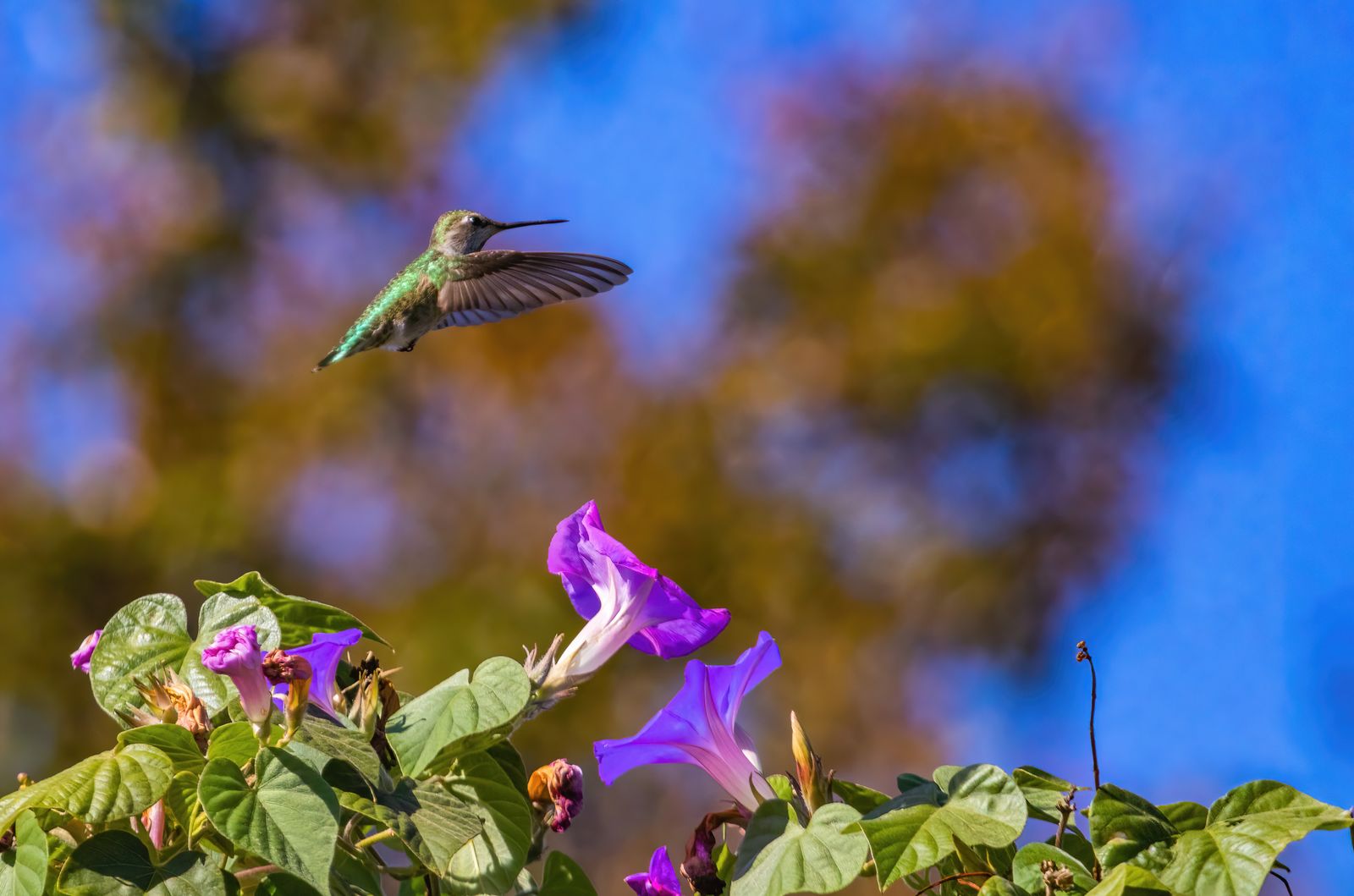
How to Keep Night Predators Away From Solar Hummingbird Feeders
To keep night predators away from your solar lighted hummingbird feeder, mount it on a freestanding pole with a 15-inch stovepipe baffle at least 10 feet from tree branches, and keep nectar ports sealed with leak-proof bases.
Morning Evidence Diagnostic Flowchart
- Is the entire 32 fl.oz glass reservoir drained with zero sticky drips on the pole or ground? → Yes: Suspect Bats or Sphinx Moths (flying nectar feeders; clean drain without hardware movement).. No: Proceed to check physical hardware condition..
- Is the feeder tipped sideways, pole smeared with dirt/grease, or glass art shifted? → Yes: Suspect Raccoons or Opossums (dexterous climbing mammals needing heavy pole baffles).. No: Suspect Feral Cats or Owls (stalking near low perches or swinging hooks)..
Nocturnal Feeder Raid Troubleshooting Matrix
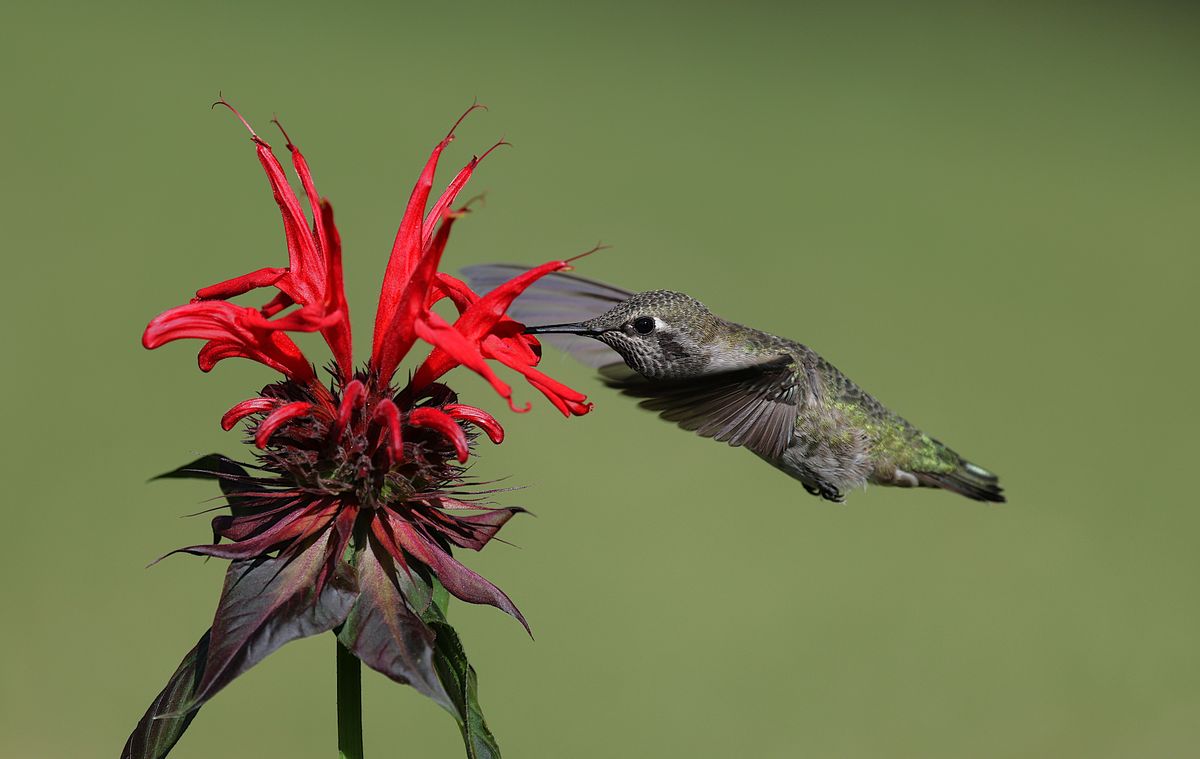
Photo by Veronika Andrews on Pexels
| Morning Clue / Symptom | Likely Culprit | Immediate Physical Fix | Solar & Glass Safeguard |
| --- | --- | --- | --- |
| Reservoir completely drained overnight; zero sticky residue on pole or ground | Bats or Sphinx Moths | Install Nectar Guard rubber port valves to restrict non-hummingbird tongues | Maintain solar RGB light glow; moths are harmless, but port guards prevent nectar drain |
| Feeder tilted violently, metal base smeared with sticky paw prints, glass reservoir shifted | Raccoons or Opossums | Move shepherd's hook 10 feet clear of structures; install a 15-inch stovepipe pole baffle 5 feet high | Verify sealed base rubber stopper is tight to prevent glass-damaging drops |
| Feeder swinging wildly on hook, scratch marks on metal base, bird feathers nearby | Feral Cats or Owls | Raise feeder height to at least 5 feet off the ground and prune low garden bushes | Ensure solid pole anchoring so heavy hand-blown glass doesn't sway and strike objects |
| Small drips on solar cap, sticky residue attracting ants by morning | Temperature Expansion / Overfilling | Fill reservoir only 3/4 full and hang in an area with afternoon shade | Wipe plastic solar cap with damp cloth so solar panels receive full sun exposure |
Use morning evidence to diagnose which night predator visited your solar feeder and apply immediate physical safeguards.
Protecting Hand-Blown Glass Under Heavy Wildlife Activity
When dealing with dexterous climbers like raccoons, protecting hand-blown glass formed at 2,300 degrees requires structural integrity. Never hang fragile art feeders directly from tree branches. Always anchor a solid steel shepherd's hook pole deep into stable soil and pair it with a 15-inch stovepipe baffle. The smooth metal surface renders climbing impossible, guaranteeing your artisanal glass reservoir stays safe.
Sunset Feeder Security Checklist
- [ ] Verify feeder is hung on a freestanding pole at least 10 feet from tree branches or deck rails.
- [ ] Ensure the stovepipe baffle is securely clamped 4.5 to 5 feet off the ground.
- [ ] Check that the sealed base and rubber stoppers are tight to prevent sweet nectar leaks.
- [ ] Confirm the solar cap is clean so the solar panel charged properly during daylight.
- [ ] Wipe down any accidental nectar drips on the glass reservoir or metal base.
- [ ] Inspect the surrounding ground and remove any fallen seeds or fruit that attract mammals.
Selecting Your Nighttime Defense Strategy
- Is your solar feeder currently hanging from a tree branch, porch roof, or deck railing? → Yes: Relocate immediately to a freestanding pole positioned at least 10 feet away from jumping off points.. No: Evaluate your current pole hardware.
- Are raccoons or opossums active in your neighborhood or raiding nearby trash cans? → Yes: Install a 15-inch stovepipe baffle clamped 5 feet off the ground on your shepherd's hook pole.. No: Focus on silicone port inserts to block bats and keep the solar panel clean for maximum night illumination.
Immediate Action Steps
Your decision: Determine whether your nighttime visitor is a climbing mammal (raccoon/opossum) or a flying visitor (bat/moth).
Do this next: Install a 15-inch stovepipe baffle on a freestanding hook placed 10 feet clear of all overhead structures.
- Read next: Do Hummingbirds Feed at Night? Understanding Dusk Behavior
- Read next: Nighttime Garden Safety for Roosting Hummingbirds
🌟 LUJII Solar-Powered Hand-Blown Glass Hummingbird Feeder
Take these initial steps to audit your yard before dark.
Key Takeaways for Nighttime Feeder Safety
- Physical Barriers are Essential: A 15-inch stovepipe baffle installed on a freestanding pole is the single most effective defense against climbing raccoons.
- The 10-Foot Clearance Rule: Place your feeder at least 10 feet laterally from tree trunks, roofs, or deck rails to stop leaping nocturnal animals.
- Protect Hand-Blown Glass Art: Heavy-duty mounting prevents violent swinging and protects artisanal glass formed at 2,300°F from impact.
- Never Use Capsaicin or Petroleum Jelly: Spicy additives burn bird mouthparts, and greasy pole lubricants ruin preening feathers; rely strictly on physical baffles.
- Maintain Solar Charging: Clean the plastic solar cap daily to ensure the RGB lights charge for up to 8 hours of evening garden beauty.
Deterrent Methods: Decision Support
To protect hand-blown solar glass feeders from nocturnal raids, physical baffles combined with spatial isolation (10ft clear zone) offer 100% protection without impairing solar charging or harming wildlife.
Best choice for
- 15-inch Stovepipe Pole Baffle on Freestanding Hook — Prevents climbing mammals from reaching the top hook or grasping fragile hand-blown glass.
- Nectar Guard Bee/Bat Proof Port Inserts — Prevents winged visitors from draining nectar while retaining daytime accessibility for hummingbirds.
- Greasing feeder poles with petroleum jelly (can coat hummingbird feathers)
- Adding cayenne pepper or chili oil to nectar (causes severe oral inflammation in birds)
- Bringing feeder inside overnight — Guarantees zero nighttime loss, but requires re-hanging every morning before dawn.
Recommended Gear for Secure Solar Hummingbird Feeding
Combine artisan glass craftsmanship with robust outdoor defense.
Defense Method Effectiveness & Safety Matrix
| Method | Target Predators | Effectiveness | Safety for Hummingbirds | Impact on Solar Aesthetics |
| --- | --- | --- | --- | --- |
| 15-Inch Stovepipe Pole Baffle | Raccoons, Opossums, Squirrels | 99% Effective | 100% Safe (no chemicals or residue) | Zero impact; fits cleanly below solar cap |
| 10-Foot Spatial Clearance Zone | Leaping Mammals, Cats | 95% Effective | 100% Safe (improves flight paths) | Enhances solar RGB visibility in open garden |
| Nectar Guard Rubber Port Inserts | Bats, Sphinx Moths, Large Bees | 90% Effective | 100% Safe (flexible silicone) | Zero impact on solar panel or light output |
| Pole Greasing (NOT RECOMMENDED) | Climbing Mammals | 50% Effective (temporary) | HAZARDOUS (coats preening feathers) | Messy; ruins pole appearance and attracts dirt |
| Chili Powder in Nectar (NEVER USE) | Mammals | Variable | HAZARDOUS (burns bird eyes and mouth) | No visual impact, but deadly to birds |
Compare popular pest control tactics on safety, effectiveness, and protection of your hand-blown glass feeder.
Step-by-Step: Installing a Bulletproof Baffled Hook System
Follow these steps to construct a hardware barrier that stops nighttime raiders cold.
Common Nighttime Protection Mistakes to Avoid
Avoid these well-intentioned mistakes that can endanger wildlife or damage your glass garden art.
Related Guides for Twilight & Nighttime Garden Safety
- How to Keep Insects Away From Solar Hummingbird Feeders Naturally
- Troubleshooting Pest Barriers: Keeping Wasps Away Without Blocking Solar Lights
- Best Hummingbird Feeder to Keep Bees Away: 2024 Design Comparison
Frequently Asked Questions
Find fast answers to common concerns about nighttime animals, nectar loss, and solar feeder lighting.
Action Plan & Next Steps
Your decision: Determine whether your nighttime visitor is a climbing mammal (raccoon/opossum) or a flying visitor (bat/moth).
Do this next: Install a 15-inch stovepipe baffle on a freestanding hook placed 10 feet clear of all overhead structures.
- Read next: Do Hummingbirds Feed at Night? Understanding Dusk Behavior
- Read next: Nighttime Garden Safety for Roosting Hummingbirds
🌟 LUJII Solar-Powered Hand-Blown Glass Hummingbird Feeder
Take action today to secure your garden sanctuary and preserve your hand-blown glass art.
Expert Advice: Protecting Hand-Blown Glass Under Heavy Animal Activity
Detail high-end glass preservation, tethering tips, and shock-absorbing hooks.