How to Keep Hummingbird Nectar Fresh in Autumn: Spoilage & Freeze Guide
To keep hummingbird nectar fresh during autumn temperature swings, swap nectar every 2–3 days when daytime highs reach 60°F–70°F, and shift to a safe 3:1 water-to-sugar ratio on cold nights to lower the freezing point slightly while offering extra energy. Bring glass feeders indoors during overnight hard frosts.
Daily Autumn Nectar Risk Evaluation Flowchart
- Is the nectar cloudy, stringy, or showing black spots near the ports? → Yes: ACTION: Discard nectar immediately. Wash feeder base thoroughly with a 4:1 water-to-vinegar solution, rinse with lukewarm water, and refill with fresh sugar water.. No: Proceed to morning temperature check..
- Did overnight temperatures drop below 28°F (-2°C)? → Yes: ACTION: Check for ice crystal slush in the glass reservoir. Bring feeder inside to thaw at room temperature or swap with a pre-warmed room-temperature feeder before dawn.. No: Proceed to afternoon forecast check..
- Is today's forecasted daytime high temperature above 70°F (21°C)? → Yes: ACTION: High sun exposure will accelerate fermentation. Plan to clean and swap nectar every 48 hours, keeping the feeder shaded during peak afternoon sun.. No: ACTION: Nectar remains safe for 3–4 days. Maintain standard visual inspection routines..
Autumn Nectar Troubleshooting Matrix: Spoilage vs. Freezing
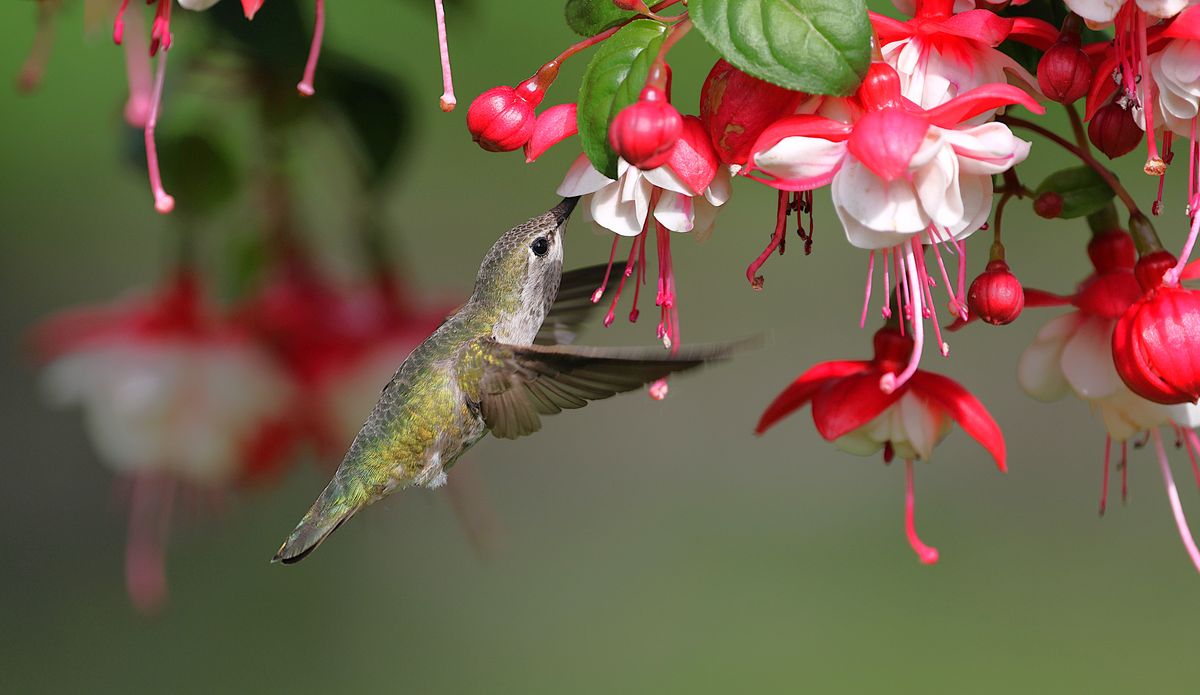
Photo by Veronika Andrews on Pexels
| Scenario / Temp Range | Visual & Sensory Indicators | Fermentation & Freeze Risk | Mandatory Caretaker Action |
| --- | --- | --- | --- |
| Warm Autumn Days (70°F+ / 21°C+) | Nectar turns hazy or cloudy; micro-bubbles form at top of glass reservoir; faint sour odor. | HIGH Spoilage Risk: Rapid bacterial growth and mold formation within 48 hours. | Swap nectar every 2 days. Use standard 4:1 refined white sugar ratio. Hang feeder in afternoon shade. |
| Mild Fall Conditions (55°F–69°F / 13°C–20°C) | Nectar remains crystal clear; no clouding or port discoloration; birds feed steadily. | LOW Risk: Ideal microbial stability zone. | Swap nectar every 3–4 days. Inspect daily for fallen leaves or debris around port gaskets. |
| Chilly Nights & Crisp Days (32°F–54°F / 0°C–12°C) | Liquid appears clear but viscous; zero signs of mold or fermentation. | NEGLIGIBLE Spoilage / LOW Freeze: Cold temperatures naturally preserve sugar water. | Swap nectar every 5–7 days. Consider shifting to a 3:1 ratio (1 cup sugar to 3 cups water) to boost migrating calories. |
| Hard Overnight Frost (Below 32°F / <0°C) | Ice slush forms in reservoir; port openings freeze shut; hummingbirds hover near dry ports at dawn. | HIGH Freeze Risk: Standard 4:1 nectar freezes at 27°F (-3°C). Frozen liquid expands and can stress glass seams. | Bring hand-blown glass feeders indoors at dusk. Rehang pre-warmed 3:1 nectar at first light before birds awake. |
Autumn weather is famously erratic. A bright 75°F sunny afternoon can easily crash into a 30°F frost by sunrise. Match your local weather forecast to the matrix below to determine the exact swap schedule, ratio adjustments, and maintenance actions required.
Thermal Protection Strategy for Thick Hand-Blown Glass
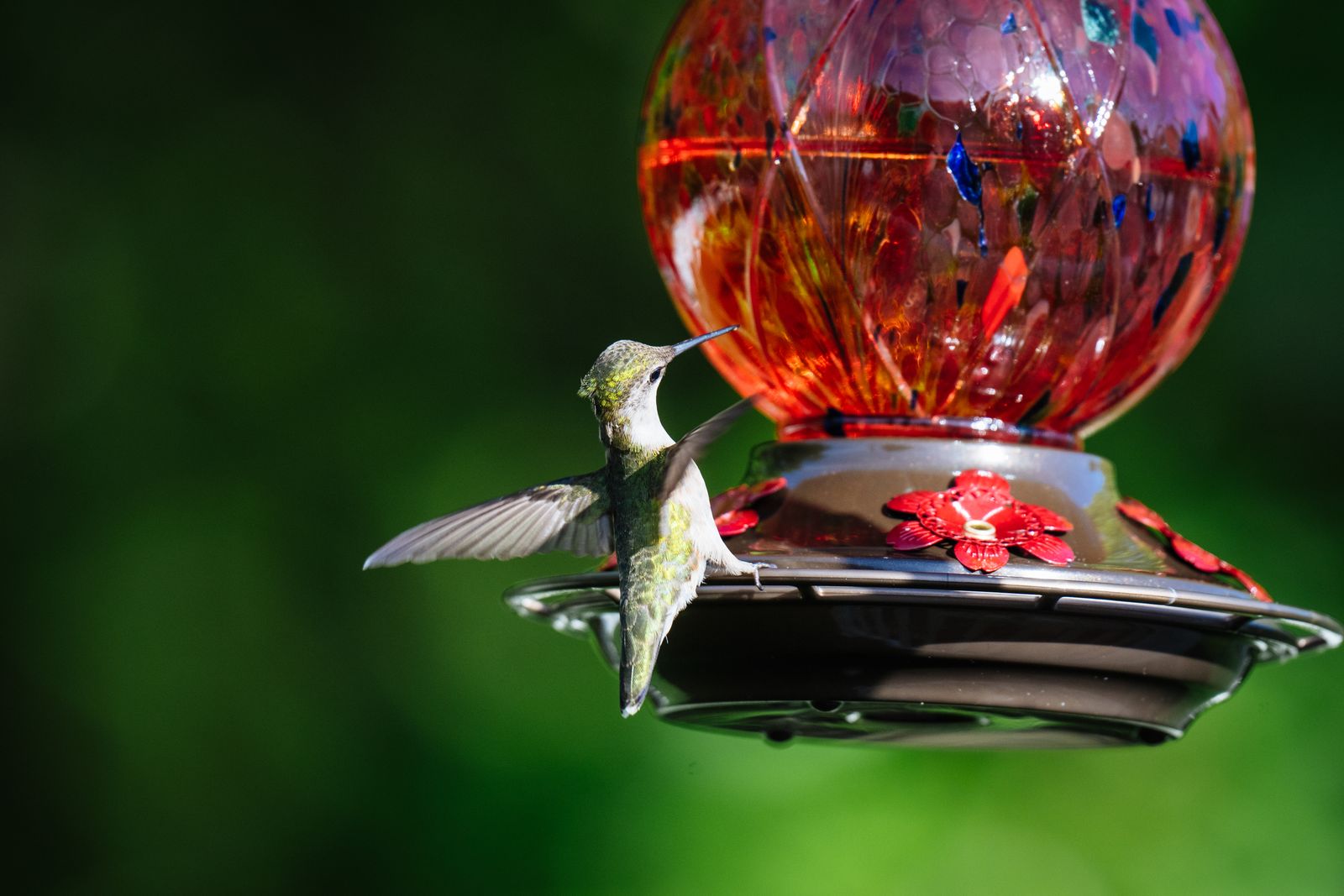
Artisan hand-blown glass feeders—like those crafted at 2,300°F with rich translucent color swirls—offer a distinct natural advantage during autumn temperature dips. Thick art glass possesses greater thermal mass than thin plastic, helping nectar resist sudden temperature changes.
Daily Autumn Feeder Safety & Quality Checklist
- [ ] Inspect nectar clarity against morning sunlight (cloudiness or floating specks indicate immediate bacterial spoilage).
- [ ] Check liquid level through the 32 oz see-through reservoir to ensure late migrants have ample food.
- [ ] Examine soft flower port openings for signs of black mold, yellow jacket activity, or ice blockage.
- [ ] Check local overnight temperature forecast: if below 28°F, set an alarm to bring glass feeders indoors at dusk.
- [ ] Wipe down the plastic solar cap to keep solar panels free of fallen leaves and dirt, ensuring full evening RGB light illumination.
Autumn Feeder Protection Decision Tree
- Is the overnight low forecasted to remain ABOVE 35°F (2°C)? → Yes: LEAVE OUTSIDE: Feeder is completely safe outdoors. Enjoy the evening solar RGB glow as twilight feeders take their last evening sips.. No: Proceed to frost point assessment.
- Is overnight low forecasted between 28°F and 34°F (-2°C to 1°C)? → Yes: SWITCH & SHIELD: Shift nectar to a 3:1 ratio (freezes at ~25°F). Hang feeder close to the house under an eave or porch light for heat retention.. No: Proceed to hard freeze protocol.
- Is overnight low forecasted to plummet BELOW 28°F (-2°C)? → Yes: BRING INDOORS AT DUSK: Bring feeder inside once birds roost. Store at room temperature overnight and re-hang 30 minutes before sunrise.. No: Monitor local microclimates and shelter against wind.
Key Takeaways for Fall Hummingbird Nectar Management
- Daytime heat ferments sugar water into toxic mold; overnight frost freezes ports and risks breaking thin feeders.
- Shifting from a standard 4:1 ratio to a 3:1 ratio in late fall adds extra energy calories for migrating hummers while slightly lowering the freezing point.
- Solar LED lights provide beautiful ambient garden illumination but produce virtually zero thermal heat—they will not prevent nectar from freezing.
- Hand-blown glass provides superior durability and insulation, but requires care to avoid thermal shock during washing.
- Never take feeders down early out of fear of freezing; hummers migrate based on daylight hours (photoperiod), and late feeders provide a lifesaving refueling stop for stragglers.
Step-by-Step Protocol: Adjusting Nectar and Feeder Placement for Fall
Follow this simple 4-step workflow when recalibrating your feeding station for the autumn transition.
5 Critical Autumn Nectar Mistakes to Avoid
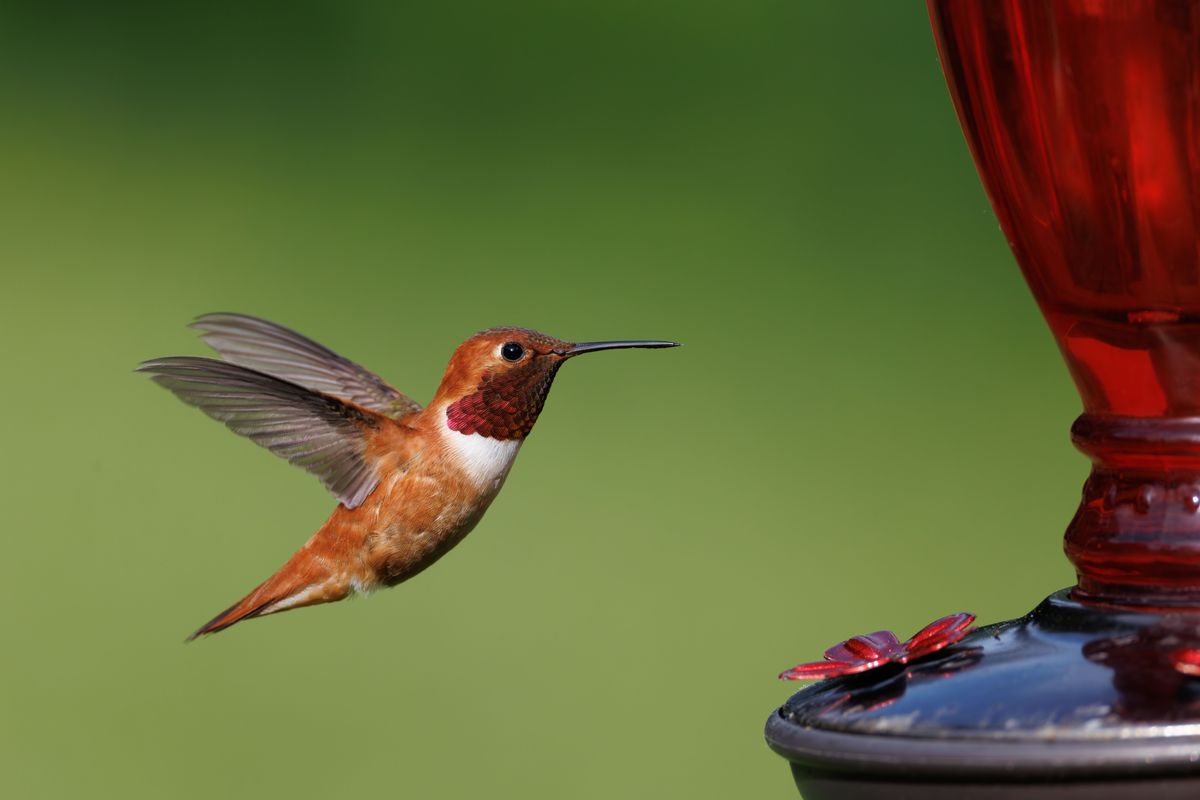
Photo by Veronika Andrews on Pexels
Avoid these common fall pitfalls that can harm visiting birds or ruin your decorative handcrafted garden feeders.
Frequently Asked Questions About Autumn Nectar Care
Here are answers to the most common questions bird lovers ask when managing feeders during fall weather transitions.
Recommended All-Weather Solar Hummingbird Feeders
Elevate your autumn garden while providing an indispensable, weatherproof sanctuary for southbound hummingbirds.
Next Steps for Autumn Avian Care
Your decision: Determine your immediate autumn feeder strategy based on your local overnight low temperature forecast.
Do this next: Clean your feeder with a mild vinegar-and-water solution, mix a safe 3:1 or 4:1 refined sugar solution, and hang your hand-blown glass feeder in a sheltered spot shielded from harsh northern winds.
Related resource: How to Clean and Maintain Your Hand-Blown Solar Hummingbird Feeder
LUJII Hand-Blown Glass Solar Hummingbird Feeder (32 oz capacity, anti-rust metal base, sealed leak-proof design).
Take immediate action today to safeguard your backyard hummingbirds through every fall weather shift.