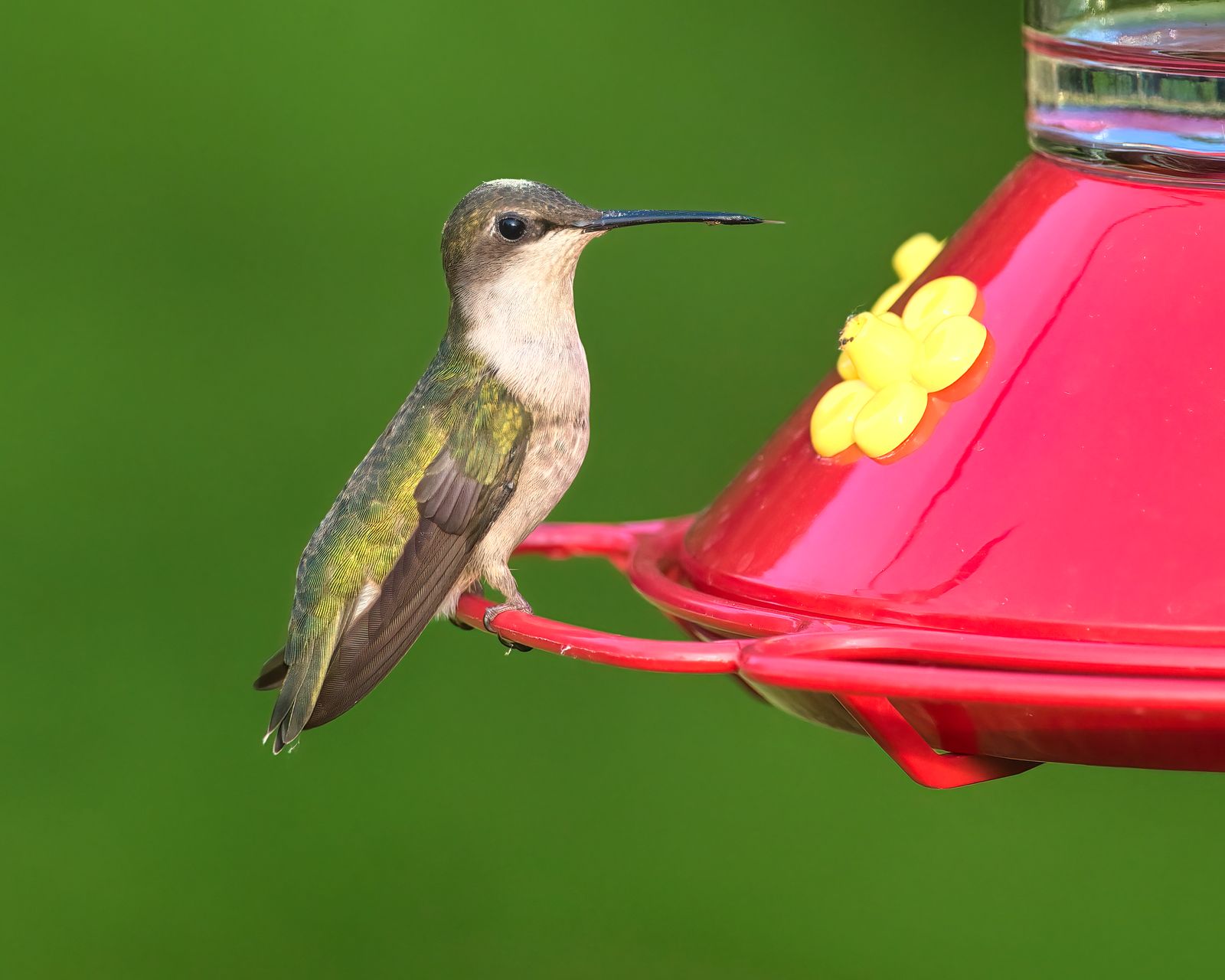
Hummingbird Sugar Water Ratio by Season: Interactive Calculator & Seasonal FAQ Guide
The standard hummingbird sugar water ratio is 4 parts water to 1 part white refined sugar for standard spring and summer feeding. During early spring cold snaps or late autumn migration, you can safely adjust to a 3:1 ratio for extra calories. Never use a 3:1 ratio during high summer heat over 90°F.
Interactive Seasonal Nectar Batch Calculator
Use this quick specification guide to calculate precise amounts of pure white granulated sugar and fresh water based on your feeder volume and current local weather conditions.
Seasonal Ratio & Cleaning Matrix
| Criteria | 4:1 Standard Nectar (Spring/Summer) | 3:1 High-Energy Nectar (Cold/Migration) |
| --- | --- | --- |
| Sucrose Concentration | 20% (Simulates average natural flower nectar) | 25% (Simulates rich, high-octane cold-weather flowers) |
| Freezing Temperature Threshold | Approximately 32°F (0°C) | Approximately 27°F (-3°C) due to higher solute density |
| Spoilage & Fermentation Rate (>85°F) | Moderate (Change every 2 days in high summer heat) | Extremely Rapid (Ferments within 24 hours in hot weather) |
| Ideal Temperature Range | 60°F to 88°F (15°C to 31°C) | Below 55°F (13°C) or during heavy migration surges |
| Hydration Balance | Optimal balance of water hydration and energy calories | High energy calories; requires natural water sources nearby |
Choosing between a 4:1 and 3:1 nectar ratio depends entirely on environmental conditions and seasonal energy demands. The table below outlines how these two mixtures perform across key criteria.
Pro Tip: Dusk Feeding & Temperature Buffer Tricks
During late fall migration and early spring cold spells, hummingbirds enter a state of deep metabolic rest called torpor. To fuel up right before nightfall and recover instantly at dawn, they heavily frequent illuminated garden feeding stations. Hanging a feeder with a thick, hand-blown glass reservoir near an ambient twilight light source provides double benefits: the solid glass acts as a natural thermal buffer against quick temperature drops, while soft, low-voltage RGB solar LEDs illuminate the perches so tired migrants can refuel at dusk without generating harmful ambient heat that degrades nectar.
4 Critical Seasonal Nectar Mistakes to Avoid
Even well-intentioned bird lovers can inadvertently harm hummingbirds by straying from scientific nectar guidelines. Keep your garden feeders safe by avoiding these four common errors:
Frequently Asked Questions About Seasonal Nectar Adjustments
Here are expert answers to the most common questions regarding nectar ratios, weather shifts, and nighttime garden lighting.
Year-Round Hummingbird Care & Refill Schedule
| Season / Month | Recommended Ratio | Refill & Cleaning Frequency | Key Seasonal Care Goal |
| --- | --- | --- | --- |
| Early Spring (March - April) | 3:1 (Cold snaps) or 4:1 (Mild) | Every 4 to 5 days | Provide high energy for returning spring migrants recovering from long journeys. |
| Peak Summer (May - August) | 4:1 (Standard) | Every 1 to 3 days (1-2 days if >90°F) | Prevent fermentation and bacterial growth in intense sun and heatwaves. |
| Late Fall Migration (Sept - Nov) | 3:1 (High Energy Boost) | Every 3 to 4 days | Fuel Southbound travelers stacking body fat for grueling non-stop flights. |
| Winter Roosting (Dec - Feb) | 3:1 (Anti-Freeze Boost) | Every 4 to 5 days (Protect from frost) | Support overwintering species (e.g., Anna's) during frost and sub-freezing nights. |
Track local temperature shifts and bird activity levels to adjust your maintenance routine throughout the year.
Immediate Actions for Your Seasonal Garden
Your decision: Determine your local ambient outdoor temperature and current season to choose between 4:1 standard or 3:1 migration booster nectar.
Do this next: Mix a batch using white refined sugar using our calculator, clean your feeder thoroughly, and adjust replacement frequency based on local weather.
- Read next: How to Make Safe DIY Hummingbird Nectar: The Ultimate 4:1 Recipe
Pair your seasonal feeding schedule with a leak-proof LUJII Hand-Blown Solar Glass Feeder for easy monitoring and twilight garden beauty.
Take these quick steps to ensure your backyard hummers enjoy safe, invigorating nectar no matter what the thermometer says.
Summary: Key Nectar Rules by Season
Keep these essential hummingbird nutrition principles in mind whenever you prepare a fresh batch:
- Standard 4:1 Ratio: Mix 4 parts water to 1 part plain white granulated cane sugar for general spring and summer feeding.
- Cold & Migration 3:1 Ratio: Increase concentration to 3 parts water to 1 part sugar during early spring freezes, autumn migration surges, and winter roosting periods.
- No Additives: Avoid red dye, honey, brown sugar, molasses, or artificial sweeteners under all circumstances.
- Temperature Dictates Cleaning: In hot summer weather (>85°F), replace nectar and clean your feeder every 24 to 48 hours to prevent toxic mold growth.
- Illuminated Dusk Care: Twilight solar lights on decorative glass feeders help migrating birds locate late-evening food without heating the sugar water.
Seasonal Feeding Scenarios & Solutions
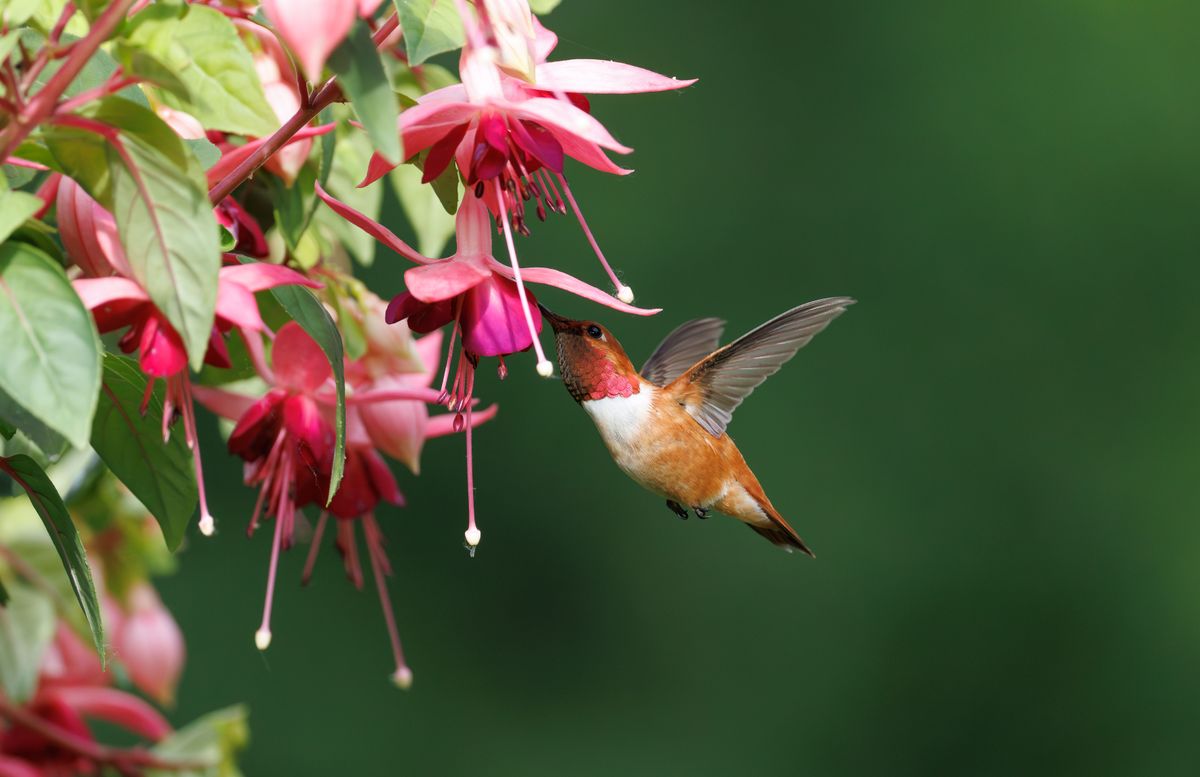
Photo by Veronika Andrews on Pexels
Sudden Early Spring Cold Snap (Temperatures drop to 30°F - 38°F) — Switch immediately to a 3:1 nectar ratio. Boil water before mixing to ensure complete dissolution. Hang the feeder at dawn in a sunlit spot protected from harsh winds.
Midsummer Heatwave (Temperatures exceed 92°F for multiple days) — Stick strictly to a 4:1 nectar ratio. Fill the feeder only halfway to minimize wasted nectar, place it in full shade, and perform a complete hot water scrub and refill every morning.
Peak Autumn Migration Surge (Dozens of territorial migrants passing through) — Offer a 3:1 high-calorie nectar ratio across multiple separated feeding stations. Ensure translucent glass feeders allow quick visual checks so reservoirs never run dry during dusk refueling.
Real-world weather events call for quick adjustments. Here is how to handle three common seasonal garden situations.
Seasonal Feeder Maintenance Checklist
- [ ] Measure plain white refined cane sugar and pure water accurately using the 4:1 standard (or 3:1 for cold/migration).
- [ ] Boil water if storing extra batches or if municipal tap water quality is uncertain.
- [ ] Stir sugar until completely dissolved and allow liquid to cool fully to room temperature before filling.
- [ ] Inspect hand-blown glass reservoir and metal base for cleanliness, scrubbing with hot water and a micro-brush.
- [ ] Check ambient temperature forecast to set your calendar reminder for feeder cleaning (1-5 days depending on heat).
Printable Nectar Mixing Cheat Sheet
- Standard Spring/Summer (4:1): 1 Cup Water + 1/4 Cup White Granulated Sugar (Yields ~8.5 fl. oz)
- Standard Spring/Summer (4:1): 4 Cups Water + 1 Cup White Granulated Sugar (Yields ~34 fl. oz)
- Cold/Migration Boost (3:1): 3 Cups Water + 1 Cup White Granulated Sugar (Yields ~28 fl. oz)
- Cold/Migration Boost (3:1): 1.5 Cups Water + 1/2 Cup White Granulated Sugar (Yields ~14 fl. oz)
- Gold Rule: Cool completely to room temperature. Never add red dye, honey, or artificial sweeteners!
Recommended Guides on Hummingbird Care
Expand your knowledge on backyard bird conservation and outdoor decor with these essential topics:
- How to Make Safe DIY Hummingbird Nectar: The Ultimate 4:1 Recipe
- Hot Weather Nectar Ratios: How to Keep Hummingbird Food Fresh in Summer
- Do Hummingbirds Feed at Night? Understanding Dusk Behavior Around Illuminated Feeders
- How to Clean and Maintain Your Hand-Blown Solar Hummingbird Feeder
Featured Garden Accent: LUJII Hand-Blown Solar Glass Feeder
Combine essential avian nutrition with breathtaking nighttime garden decor. The LUJII Solar-Powered Hummingbird Feeder features a hand-blown glass reservoir crafted at 2,300°F by master artisans, rendering every piece a unique artistic masterpiece. Its brilliant translucent colors allow effortless nectar level monitoring, while the generous 32 fl. oz capacity and slender leak-proof shape with a sealed anti-rust metal base keep nectar pristine in sun, rain, or snow.
At dusk, the integrated waterproof solar cap automatically illuminates the glass with radiant RGB LED light modes for up to 8 hours on a full charge—providing soft, zero-heat twilight illumination that welcomes migrating hummingbirds while transforming your yard into an enchanted retreat.
Final Steps: Elevate Your Garden Feeding Sanctuary
Your decision: Choose the appropriate nectar ratio (4:1 for mild weather; 3:1 for chilly snaps and fall migration) based on your local weather forecast.
Do this next: Mix a fresh batch of homemade nectar using white granulated sugar, sanitize your feeder, and hang it where you can easily enjoy daytime visitors and twilight visits.
- Read next: How to Make Safe DIY Hummingbird Nectar: The Ultimate 4:1 Recipe
Upgrade your garden sanctuary with the handcrafted, leak-proof LUJII Solar-Powered Hummingbird Feeder at https://solarhummingbirdfeeder.com.
Now that you know the ideal sugar water ratio for every season, put your knowledge into practice and create a thriving hummingbird haven.
Cover photo by pete weiler on Pexels.