Hummingbird Feeder Refill FAQ: Capacity, Schedules & Spoilage
A common myth is that you must fill a 32 oz feeder to the top every time. In reality, you should only fill what your local flock consumes in 2 to 4 days—often just 8–12 oz in summer heat. Refill every 48 hours when temperatures exceed 85°F to prevent dangerous fermenting mold.
How Much Nectar Should You Fill Today? Decision Framework
Match your feeder's fill level to ambient temperature and flock size rather than filling a 32 oz reservoir to the top every time.
Best choice for
- Partial Fill (8–12 oz) in 32 oz Glass Feeder — Prevents nectar from fermenting before birds consume it, eliminating sugar water waste while preserving the decorative display.
- Full Capacity Fill (28–32 oz) — High traffic drains the reservoir within 48 hours before heat spoilage can occur.
- Filling a 32 oz glass feeder to the brim in 90°F heat when you only have occasional avian visitors.
- Small 8 oz plastic feeder — Requires constant refilling during heavy migration and lacks garden aesthetic or evening solar illumination.
Think of your feeder's 32 fl. oz. capacity as maximum runway space for peak migration, rather than a mandatory daily filling line. During hot summer months, sugar water ferments quickly under direct solar heat. Matching your batch volume to ambient temperatures and bird traffic protects your tiny feathered guests while preventing wasted sugar water.
Optimal Feeders for Capacity Control & Visual Monitoring
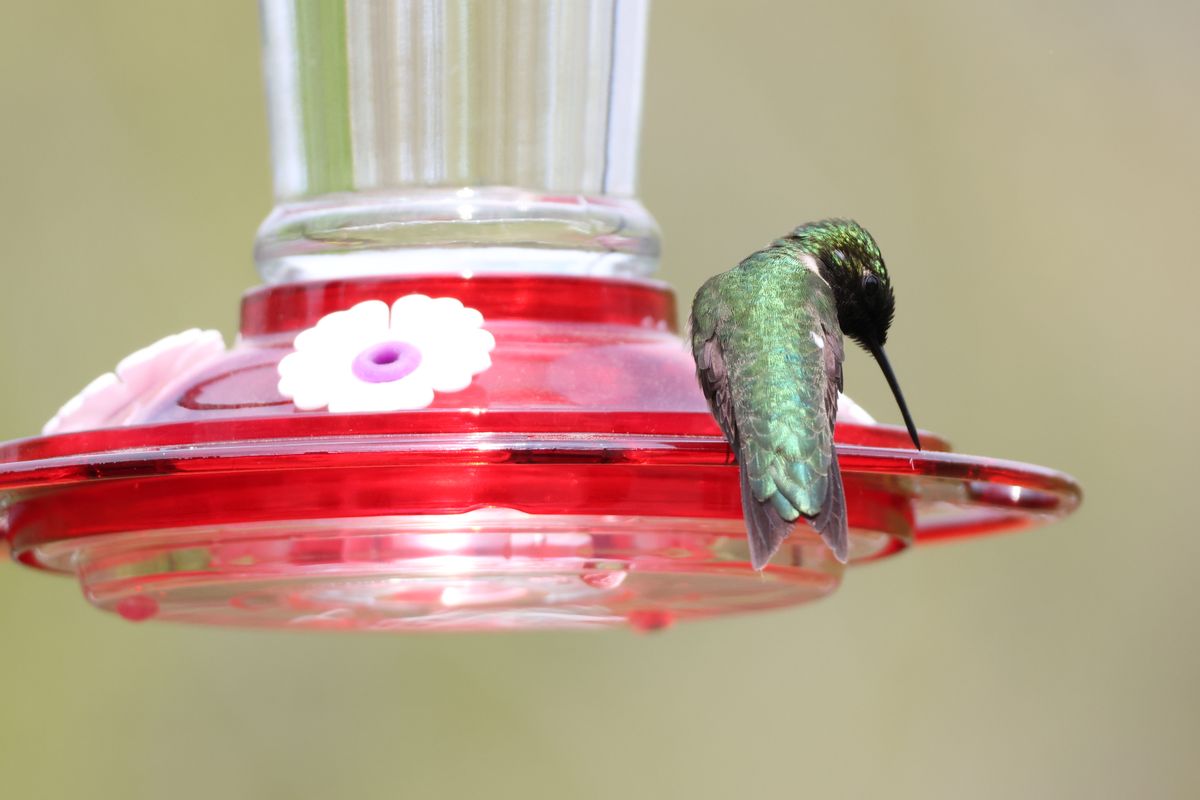
Photo by Catherine Dempsey on Pexels
To make nectar monitoring effortless, choose a feeder that blends handcrafted beauty with functional design. Artistically crafted glass allows you to check liquid levels at a glance without opening the reservoir.
Ready to bring magic to your twilight garden? Upgrade your backyard sanctuary with the LUJII Solar-Powered Hand-Blown Glass Hummingbird Feeder—combining leak-proof 32 oz capacity with enchanting RGB lights!
Seasonal & Temperature-Based Refill Schedule
- Cool Weather (Under 70°F) — Clean and refill every 5 to 7 days. Fill reservoir to 50–100% capacity based on flock size.
- Moderate Warmth (70°F–80°F) — Clean and refill every 3 to 4 days. Fill reservoir to 30–50% capacity.
- Summer Heat (81°F–88°F) — Clean and refill every 2 days (48 hours). Fill reservoir to 25–35% capacity.
- Extreme Heat (89°F+) — Clean and refill every 24 to 36 hours. Fill reservoir with only 8–10 oz of fresh nectar and place in afternoon shade.
Nectar Batch & Refill Volume Calculator Brief
Planning your weekly sugar water preparation helps eliminate unnecessary waste. Use this calculator framework to determine exact batch sizes based on your local climate and visitor count.
Temperature vs. Nectar Refill & Spoilage Matrix
| Temperature Scenario | Max Time Before Refill | Recommended Fill Level (32 oz Capacity) | Spoilage Risk Level | Primary Action Needed |
| --- | --- | --- | --- | --- |
| Cool Spring (<70°F) | 5–7 Days | 16–32 fl. oz. (50–100%) | Low | Inspect weekly; rinse with warm water during refills. |
| Moderate Summer (71°F–84°F) | 3–4 Days | 10–16 fl. oz. (30–50%) | Moderate | Monitor clarity; wash reservoir thoroughly twice weekly. |
| Extreme Heat (85°F–95°F+) | 1–2 Days (24–48 hrs) | 8–12 fl. oz. (25–35%) | Critical | Discard unused nectar every 48 hours max; hang in shade. |
| Migration Peak (Any Temp) | 1–2 Days (High Traffic) | 24–32 fl. oz. (75–100%) | Low (Quick Consumption) | Refill frequently as birds drain nectar before fermentation. |
Refer to this quick scenario matrix to immediately identify how outdoor temperatures impact nectar stability, fermentation risk, and ideal reservoir fill levels.
Immediate Actions for Safe Refilling
Your decision: Partial-fill your 32 oz feeder during hot periods to keep nectar fresh, save sugar, and prevent mold growth.
Do this next: Check tomorrow's local weather forecast, calculate your active bird traffic, and fill your hand-blown glass feeder with a fresh 2-day supply of 4:1 sugar water.
- Read next: How to Clean and Maintain Your Hand-Blown Solar Hummingbird Feeder
🌟 LUJII Hand-Blown Glass Solar Hummingbird Feeder (32 fl oz) - Features translucent art glass for easy level monitoring and a sealed anti-rust metal base.
To keep your feeding station operating cleanly and smoothly today, follow these immediate setup recommendations.
Key Takeaways: Smart Refill Management
- Never feel obligated to fill a 32 oz reservoir to the top unless you have a large flock during peak migration.
- Summer heat over 85°F requires changing sugar water every 48 hours to protect birds from toxic black mold.
- Inverted hand-blown glass feeders rely on an airtight vacuum seal; always fill with cool nectar to prevent thermal expansion leaks.
- The 4:1 white sugar to water ratio remains constant regardless of heat—adjust fill volume, not sugar concentration.
- Translucent art glass makes inspecting nectar levels effortless without disturbing your garden's aesthetic.
Pre-Fill & Refill Essential Checklist
Photo by A. G. Rosales on Pexels
- [ ] Check ambient weather forecast for the next 48 hours to determine optimal fill volume.
- [ ] Inspect nectar for cloudiness, floating black dots (mold), or fermenting stringy bubbles.
- [ ] Discard old nectar completely—never top off fresh sugar water over leftover nectar.
- [ ] Rinse reservoir and base with hot water; scrub ports with a small port brush.
- [ ] Ensure the rubber/metal base gasket is tightly sealed before inverting the feeder to establish a vacuum lock.
5 Critical Refill Mistakes That Cause Waste and Spoilage
Avoid these common mistakes that lead to cloudy nectar, wasted sugar, or unintended base drips.
Explore More Nectar Care Guides
Explore essential care guides for keeping your backyard hummingbirds healthy and thriving:
- Hot Weather Nectar Ratios: How to Keep Hummingbird Food Fresh in Summer
- Twilight Nectar Care FAQ: Does Nighttime Solar Light Affect Nectar Freshness?
- Do Hummingbirds Feed at Night? Understanding Dusk Behavior Around Illuminated Feeders
Frequently Asked Questions: Nectar Capacity & Maintenance
Find clear, expert answers to your most pressing questions regarding solar feeder illumination, ant protection, vacuum seals, and glass care.
Take the Next Step for Your Garden Sanctuary
Your decision: Partial-fill your 32 oz feeder during hot periods to keep nectar fresh, save sugar, and prevent mold growth.
Do this next: Check tomorrow's local weather forecast, calculate your active bird traffic, and fill your hand-blown glass feeder with a fresh 2-day supply of 4:1 sugar water.
- Read next: How to Clean and Maintain Your Hand-Blown Solar Hummingbird Feeder
🌟 LUJII Hand-Blown Glass Solar Hummingbird Feeder (32 fl oz) - Features translucent art glass for easy level monitoring and a sealed anti-rust metal base.
Creating a thriving sanctuary for hummingbirds is simple when you combine handcrafted art glass with proper nectar care.
Cover photo by Veronika Andrews on Pexels.