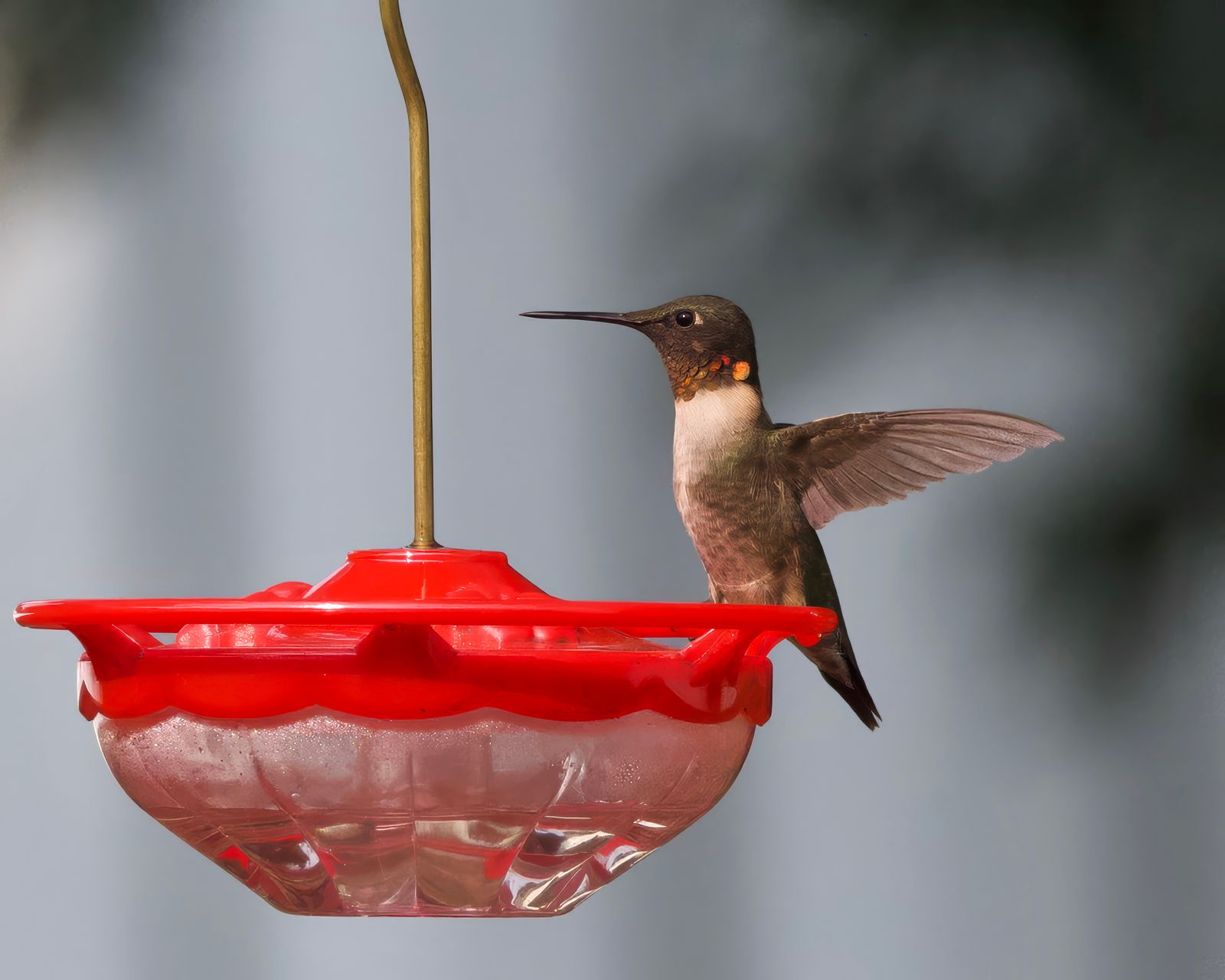
How Much Nectar to Put in a 32 oz Hummingbird Feeder: Partial Fill & Recipe Guide
Fill a 32 oz hummingbird feeder with only as much nectar as your local flock consumes within 2 to 4 days—typically 8 to 16 oz for normal spring/summer feeding, or 32 oz only for large flocks during peak migration. Overfilling leads to rapid fermentation and sugar water spoilage.
32 oz Nectar Fill & Freshness Calculator
High-capacity 32 oz feeders offer fantastic convenience, but filling them to the brim during hot weather often results in poured-down-the-drain sugar water. Our interactive 32 oz Nectar Fill & Freshness Calculator bridges the gap between your feeder's total capacity and your birds' actual daily appetite.
By evaluating three simple variables—your average local daytime temperature, the number of active hummers visiting your yard, and your preferred cleaning schedule—this tool calculates the precise fluid volume to prepare, along with the exact 4:1 white sugar and water recipe measurements. Use it to eliminate wasted ingredients and keep your jeweled backyard visitors safe from fermented nectar.
32 oz Nectar Batch Ratio & Fill Reference Matrix
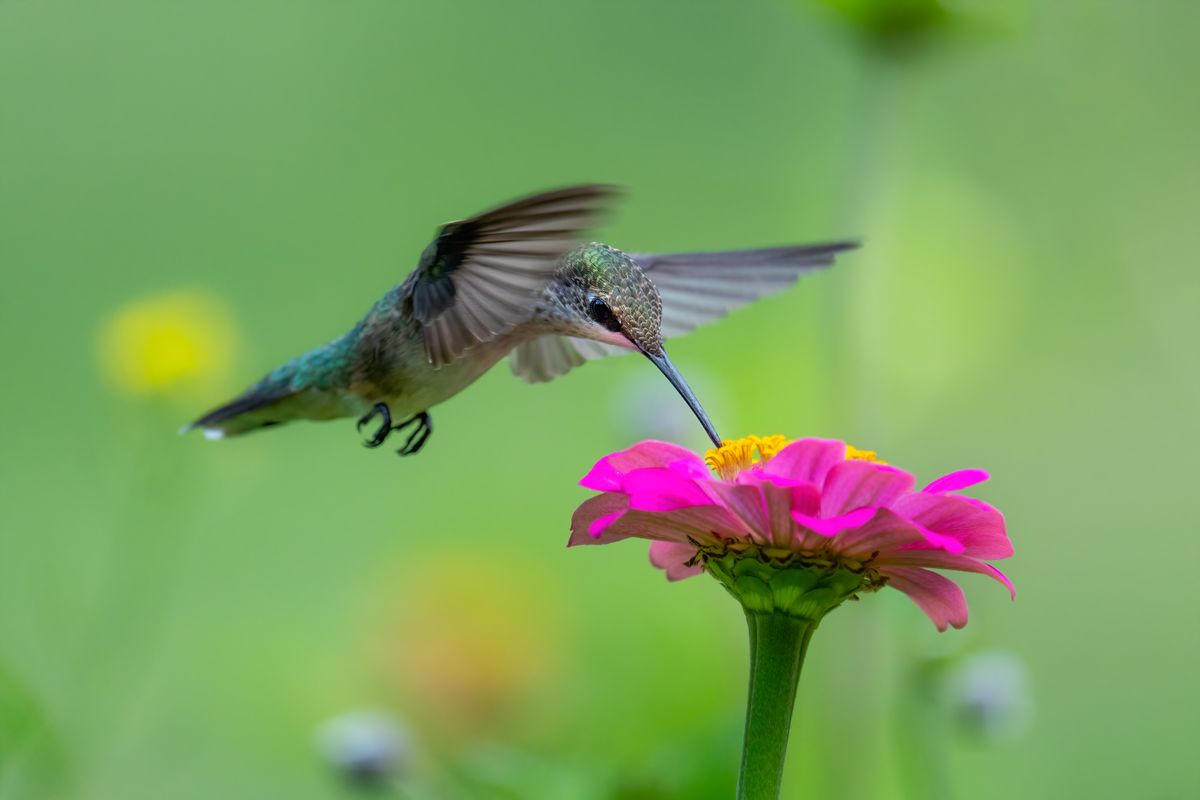
Photo by Skyler Ewing on Pexels
| Evaluation Criteria | 8 oz (1/4 Partial Fill) | 16 oz (1/2 Half Fill) | 32 oz (Full Capacity Fill) |
| --- | --- | --- | --- |
| Daily Outdoor Temperature | 85°F to 95°F+ (Extreme Summer Heat) | 72°F to 84°F (Moderate Summer Days) | 60°F to 71°F (Cool Spring / Autumn) |
| Active Backyard Flock Size | 1 to 3 Solo or Territorial Birds | 4 to 8 Resident Neighborhood Birds | 10+ Birds or Peak Migration Surge |
| Max Safe Hang Time Before Cleaning | 1 to 2 Days (Requires Frequent Refresh) | 2 to 3 Days (Standard Cycle) | 3 to 4 Days (Full Consumption Required) |
| Standard 4:1 Water Recipe Volume | 1 Cup (8 fl. oz.) Water | 2 Cups (16 fl. oz.) Water | 4 Cups (32 fl. oz.) Water |
| Standard 4:1 White Sugar Recipe Volume | 1/4 Cup Refined White Sugar | 1/2 Cup Refined White Sugar | 1 Cup Refined White Sugar |
| Nectar Fermentation & Waste Risk | Lowest Risk (Zero Waste) | Moderate Risk (Balanced Efficiency) | Highest Risk (Wasteful if Unfinished) |
Instead of guessing how much sugar water to boil, use this criteria-based reference matrix to match your local climate and bird traffic with the optimal partial fill level for your 32 oz glass feeder.
Expert Tip: Thermal Mass, Glass Artistry, and Nectar Longevity
Handcrafted glass feeders—like those forged at 2,300 degrees—possess a thicker glass wall than budget plastic models. This artisan construction provides a unique advantage: high thermal insulation. Thick, high-quality glass naturally slows sudden ambient temperature spikes from reaching the nectar core.
However, glass also holds onto heat once warmed by direct sunlight. To maximize the freshness of partial fills, always position your feeder where it receives morning sun to illuminate its vibrant colors, but enjoys dappled afternoon shade during peak daytime heat. Additionally, you can rest assured that energy-efficient RGB solar LEDs produce virtually zero heat output, allowing your feeder to glow beautifully for up to 8 hours at night without accelerating daytime sugar fermentation.
5 Critical Nectar Fill & Freshness Mistakes to Avoid
Even well-intentioned bird lovers make simple missteps when managing large 32 oz reservoirs. Avoid these five common pitfalls to keep your backyard hummers thriving:
Frequently Asked Questions About 32 oz Feeder Capacity
Here are answers to the most common questions backyard birders ask about managing high-capacity glass hummingbird feeders.
Key Takeaways: Mastering Feeder Capacity & Freshness
Match Fill to Demand: Treat 32 oz as your feeder's maximum headroom*, not its required baseline. Fill 8 oz or 16 oz during hot weather or low bird traffic.
- Stick to the 4:1 Gold Standard: Always mix 4 parts clean water to 1 part refined white table sugar. Never use red dyes, honey, or artificial sweeteners.
- Respect the Thermometer: When outdoor temperatures rise above 85°F, change nectar every 48 hours regardless of how much remains in the reservoir.
- Enjoy Nighttime Ambiance: Solar-powered RGB LEDs add magical twilight garden light without generating heat that spoils nectar.
- Cool Before Filling: Protect handcrafted artisan glass reservoirs from thermal shock by letting homemade nectar cool completely before pouring.
Real-World Feeder Fill Scenarios
Early Spring Arrival (April – May) — Mix an 8 oz partial fill (1 cup water + 1/4 cup sugar). Early migrants are hungry but sparse. Small batches prevent waste during unpredictable spring frost-and-thaw weather.
Mid-Summer Heatwave (July – August, 90°F+) — Maintain an 8 oz to 12 oz fill level and change nectar every 24 to 48 hours. Hang the feeder in afternoon shade so the high ambient heat doesn't ferment the liquid.
Late Summer Nesting & Fledgling Surge (Late August) — Increase to a 16 oz half-fill (2 cups water + 1/2 cup sugar). Parent birds and new fledglings will drain this volume within 2 to 3 days safely.
Peak Autumn Migration (September – October) — Fill to full 32 oz capacity (4 cups water + 1 cup sugar). Dozens of southbound travelers passing through will empty a full reservoir in under 48 hours!
How should you adjust your 32 oz feeder's nectar levels throughout the changing seasons? Here are four practical backyard scenarios:
Pre-Fill & Nectar Preparation Checklist
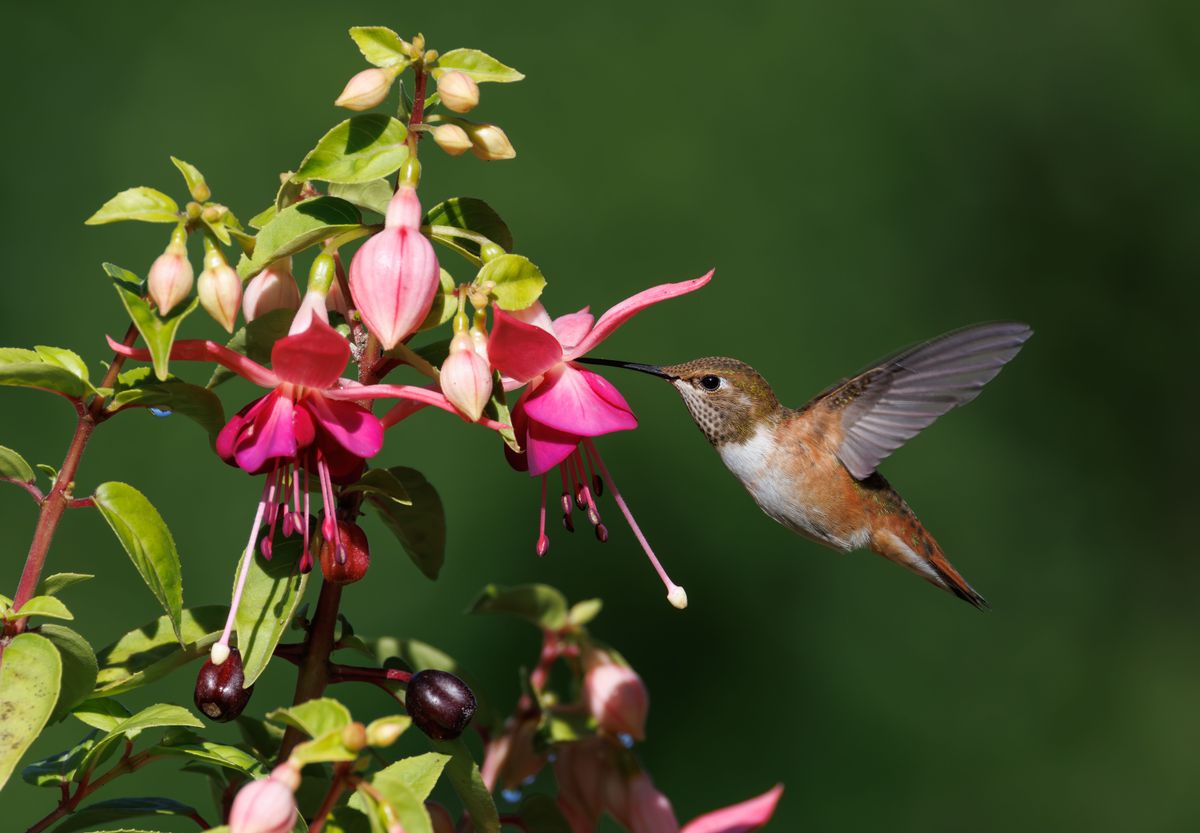
Photo by Veronika Andrews on Pexels
- [ ] Measure white refined cane sugar and water according to target fill volume (e.g., 1/4 cup sugar to 1 cup water for 8 oz).
- [ ] Boil water to eliminate micro-organisms and dissolve sugar completely.
- [ ] Allow nectar to cool down to room temperature before pouring into glass reservoir.
- [ ] Inspect hand-blown glass reservoir for clear visibility of fill line.
- [ ] Verify anti-rust metal base gasket is tightly sealed to prevent drips.
- [ ] Hang feeder in partial afternoon shade to slow thermal fermentation.
Printable 32 oz Nectar Fill & Spoilage Guide
- 8 oz Fill (1/4 Reservoir) = 1 cup Water + 1/4 cup White Sugar (Best for 1-3 birds or 85°F+ heat)
- 16 oz Fill (1/2 Reservoir) = 2 cups Water + 1/2 cup White Sugar (Best for 4-8 birds or 72-84°F weather)
- 24 oz Fill (3/4 Reservoir) = 3 cups Water + 3/4 cup White Sugar (Best for active summer nesting flocks)
- 32 oz Fill (Full Reservoir) = 4 cups Water + 1 cup White Sugar (Best for 10+ birds or peak autumn migration)
- Cleanout Schedule: >90°F = Every 24 hrs | 80-89°F = Every 48 hrs | 70-79°F = Every 3 days | <70°F = Every 4-5 days
- Golden Rule: If nectar appears cloudy, stringy, or discolored, discard immediately and scrub base.
Further Nectar Care & Solar Feeder Resources
Expand your backyard birding knowledge with these essential nectar safety and feeder care guides:
- How to Make Safe DIY Hummingbird Nectar: The Ultimate 4:1 Recipe Guide
- Hot Weather Nectar Ratios: How to Keep Hummingbird Food Fresh in Summer
- Twilight Nectar Care: Does Nighttime Solar LED Light Affect Nectar Freshness?
- How to Clean and Maintain Hand-Blown Glass Solar Hummingbird Feeders
Featured Product: LUJII Hand-Blown Glass Solar Hummingbird Feeder
If you appreciate both artisan craftsmanship and functional design, the LUJII Solar-Powered Hummingbird Feeder is a stunning addition to your outdoor garden.
- Artisan Hand-Blown Glass: Shaped at 2,300°F by master craftsmen, each translucent reservoir features unique, vibrant color swirls that make monitoring partial fill levels (8 oz, 16 oz, or 32 oz) effortless.
- Solar-Powered RGB Ambiance: Automatically lights up at dusk for up to 8 hours with soothing, energy-efficient RGB lights that delight evening garden visitors without heating sugar water.
- Durable & Leak-Proof Build: Built with a 32 fl.oz capacity, a sealed anti-rust metal base, and a protective solar cap that guards against sun, rain, and snow.
Your Next Steps for Safe, Zero-Waste Hummingbird Feeding
Your decision: Determine whether your current bird activity warrants an 8 oz, 16 oz, or 32 oz batch today.
Do this next: Mix a 4:1 white refined sugar batch using boiled water, cool completely, and fill your 32 oz feeder to your target calculated level.
- Read next: How to Clean and Maintain Your Hand-Blown Solar Hummingbird Feeder
- Read next: Hot Weather Nectar Ratios: How to Keep Hummingbird Food Fresh in Summer
Check out the LUJII 32 oz Hand-Blown Glass Solar Hummingbird Feeder for an easy-to-read translucent reservoir.
Ready to brew the perfect partial batch for your garden hummers? Take these simple next steps to ensure fresh, safe feeding today:
Cover photo by A. G. Rosales on Pexels.