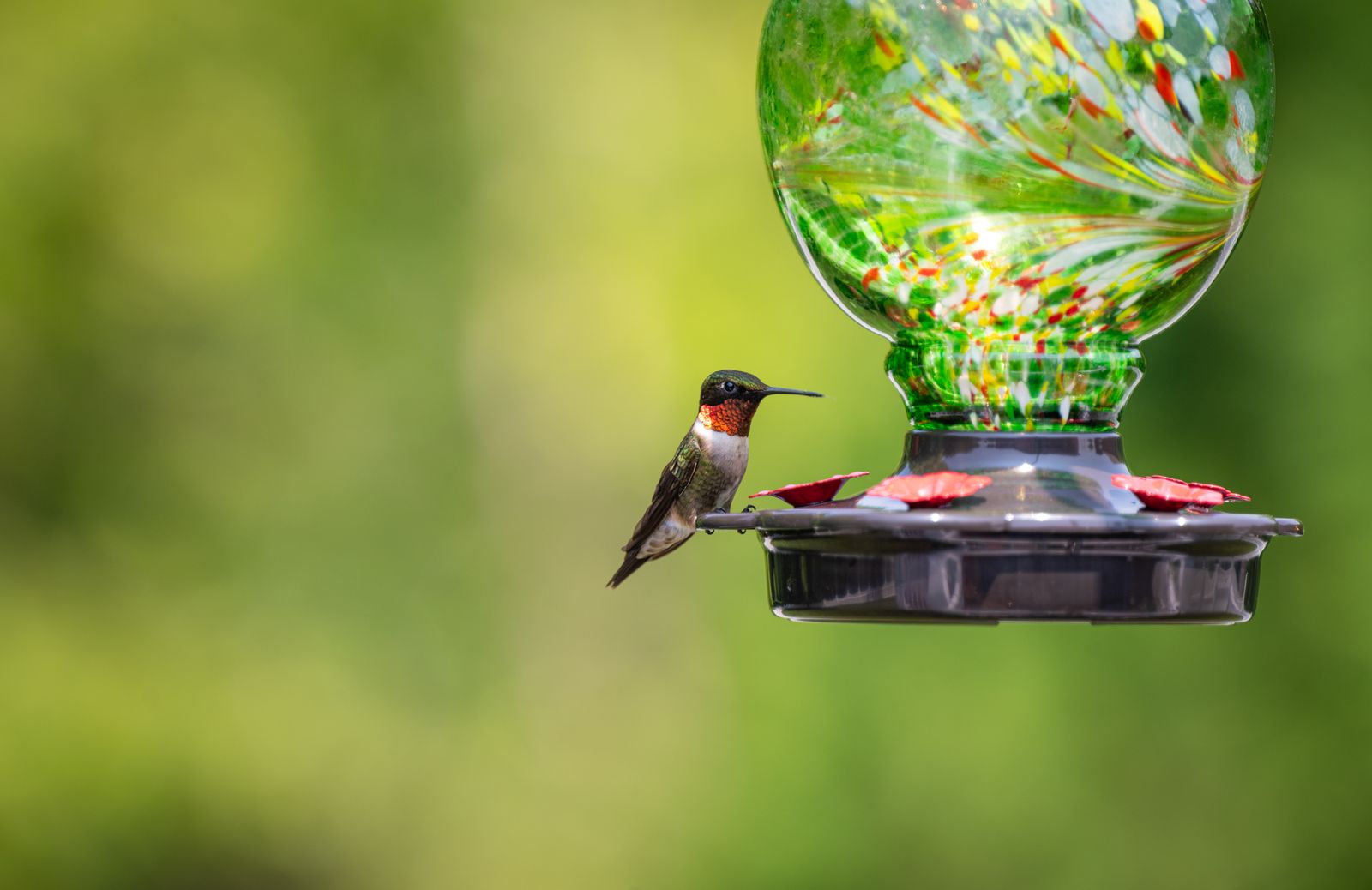
Autumn Hummingbird Migration Schedule by State & Feeder Takedown Guide
Hummingbirds begin fall migration in late August from northern states, moving through central regions in September and reaching southern borders by late October. You should keep your feeders clean and filled for two full weeks after seeing your last hummingbird to support late-migrating stragglers before safely bringing decorative glass feeders indoors for winter.
Interactive Autumn Migration & Feeder Takedown Calculator
Use this interactive calculator tool to estimate the peak hummingbird departure window for your home state and determine the exact, safe date to clean, pack away, and store your feeders for the winter season.
Autumn Nectar Ratios & Freezing Point Matrix
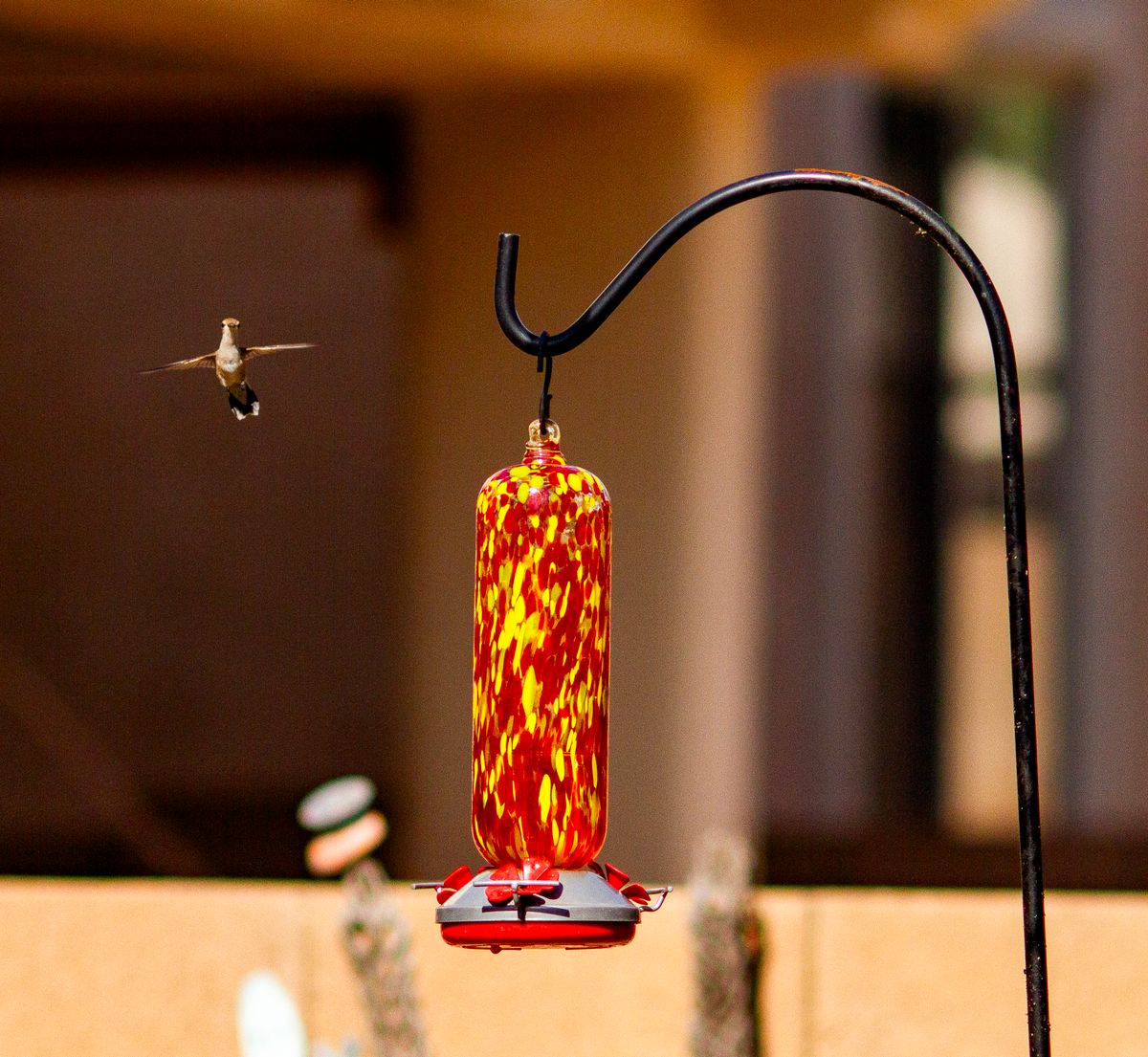
Photo by Jon Champaigne on Pexels
| Criteria / Temp Threshold | Standard 4:1 Nectar Ratio | Fall 3:1 High-Energy Nectar Ratio | Hand-Blown Glass Protection Action |
| --- | --- | --- | --- |
| Ambient Air Temperature Threshold | Above 32°F (0°C) | 25°F to 32°F (-4°C to 0°C) | Safe outdoors; position in sheltered garden nook |
| Nectar Freezing Point | 27°F (-2.8°C) | 24.5°F (-4.2°C) | Higher sugar concentration lowers freezing point slightly |
| Calorie Density per Cup | ~160 kcal | ~210 kcal (+31% extra fuel) | Provides vital energy for cold-morning warm-ups |
| Risk of Feeder Freeze Damage | High if temperatures drop below 27°F | Moderate during brief early-morning frosts | Bring glass reservoirs indoors on hard-freeze nights |
| Dusk Twilight Refueling Support | Standard visibility in daylight | Enhanced feeding enthusiasm before roosting | Solar RGB lights help birds locate port in early dusk |
As autumn air turns crisp, liquid nectar temperature drops rapidly. Compare standard summer nectar against a high-density fall formula to protect both traveling hummingbirds and your hand-blown glass reservoir.
Common Fall Migration Myths & Mistakes to Avoid
Myth 1: Leaving Feeders Up Stops Hummingbirds From Migrating
This is the single most persistent myth in backyard birding! Hummingbirds do not migrate because food becomes scarce; their migratory urge is triggered by shortening daylength (photoperiod) and internal hormonal changes. Keeping a feeder filled will never trick a hummingbird into delaying its journey south.Myth 2: Taking Feeders Down Early Forces Birds to Head South
Removing your feeder prematurely does not speed up migration—it simply deprives exhausted migrants of crucial fueling stations. A hummingbird traveling thousands of miles needs to double its body mass in body fat to survive the flight across the Gulf of Mexico or vast continental expanses.Myth 3: Letting Nectar Freeze in Hand-Blown Glass Reservoirs
While hand-blown glass feeders crafted at 2,300 degrees are remarkably durable, liquid expands by roughly 9% when it freezes solid. If nectar freezes completely inside a sealed glass reservoir, it exerts tremendous internal pressure that can cause hairline fractures. On nights forecasted to drop below 25°F, bring your glass feeder indoors after dusk and hang it back out at first dawn.Myth 4: Neglecting Feeder Cleanliness as Temperatures Drop
Although cooler autumn weather slows bacterial growth compared to scorching summer heat, mold and fermenting yeast can still ruin nectar in 3 to 5 days. Migrating hummingbirds refuse to drink sour nectar, passing by dirty feeders when they need energy most.State-by-State Fall Migration Departure Calendar
| Flyway Zone & States | Peak Departure Window | Twilight Duration Shift | Recommended Feeder Strategy |
| --- | --- | --- | --- |
| Northern Tier (WA, ID, MT, ND, MN, WI, MI, NY, VT, ME) | Late August – Mid-September | Sunset pulls back rapidly; dusk arrives by 7:00 PM | Keep feeders out through early October; switch to 3:1 ratio during cold snaps. |
| Mid-Latitude / Central (OR, NV, UT, CO, KS, MO, IL, IN, OH, PA, NJ) | Early September – Mid-October | Cooler twilight hours; brisk evening winds | Maintain clean nectar until mid-November to catch late stragglers from further north. |
| Southern & Coastal (CA, AZ, NM, TX, LA, MS, AL, GA, FL, SC, NC) | October – Mid-November (or Year-Round) | Shorter daylight hours, mild twilight temperatures | Many Gulf and coastal areas host overwintering Anna's or Ruby-throated hummingbirds. |
Track when hummingbird populations begin moving through your flyway zone from northern breeding grounds down to wintering territories.
Frequently Asked Questions About Fall Migration & Feeders
Does keeping my hummingbird feeder filled in autumn stop them from migrating?
No. Migration is driven by instinct and changing photoperiod (daylength), not food availability. Feeders supply essential fuel for their long southward journey.How long after seeing the last hummingbird should I keep my feeder up?
Keep your feeder clean, fresh, and accessible for at least 14 days (2 weeks) after observing your last hummingbird to assist stragglers.Should I change the sugar-to-water ratio in my feeder during cold fall weather?
Yes, you can safely increase the nectar concentration from 4:1 to 3:1 (1 cup sugar to 3 cups water) in chilly autumn weather to provide extra calories and slightly lower the freezing point.Will freezing autumn nights crack my hand-blown glass hummingbird feeder?
Water expands when frozen. If liquid nectar freezes completely, it can stress or crack glass reservoirs. Bring hand-blown glass feeders inside on hard-freeze nights or use a 3:1 ratio for mild frosts.How do solar RGB light feeders help hummingbirds during shorter autumn twilight hours?
As fall days shorten, dusk arrives earlier while hummingbirds are still actively refueling. Solar-powered LED illumination highlights the feeder position in dim twilight, making it easier for tired travelers to spot nectar.Regional Autumn Advice: Northern, Central, and Southern Flyways
- Northern Flyway States (Pacific NW, Rockies, Upper Midwest, New England) — First autumn frosts often strike in late September. Position your solar-powered glass feeder in a sunny morning spot protected from north winds. Switch to a 3:1 sugar-water ratio when night temps dip into the low 30s°F.
- Central Flyway & Heartland States (Plains, Midwest, Mid-Atlantic) — September brings massive migratory waves from northern Canada and states. Days shorten noticeably, making dusk feeding critical. Solar RGB lights illuminate your garden, helping weary flyers spot the nectar port during dim twilight hours.
- Southern Flyway & Sunbelt States (Southwest, Texas Coast, Deep South, Florida) — Migration peaks in October and November across the south. Many coastal areas see high feeder traffic well into early winter, while some western species overwinter along the Gulf. Keep at least one feeder operational year-round.
Next Steps for Fall Hummingbird Care
Your decision: Identify your state's fall departure window and commit to keeping your feeder clean and filled for two full weeks past your last observed hummingbird.
Do this next: Bookmark the takedown calculator, adjust your nectar ratio to 3:1 on freezing nights, and inspect hand-blown glass feeders for hairline cracks before winter storage.
- Read next: When to Put Out Hummingbird Feeders in Spring: A Regional Arrival Guide
- Read next: Early Spring Hummingbird Nectar FAQ: Ratios, Cold Weather Care, and Feeder Prep
Consider upgrading to a LUJII Solar-Powered Hand-Blown Glass Hummingbird Feeder to provide illuminated twilight feeding for late-migrating stragglers.
Prepare your backyard sanctuary for the autumn departure with these actionable steps.
Key Takeaways for Autumn Hummingbird Migration
- Instinct Drives Departure: Feeders do not prevent migration; daylength triggers the urge to head south.
- The 14-Day Rule: Keep feeders clean and accessible for 2 full weeks after your last hummingbird sighting.
- Rich Autumn Nectar: Boost nectar energy with a 3:1 ratio (1 cup sugar to 3 cups water) during cold fall weather.
- Protect Hand-Blown Glass: Bring glass reservoirs indoors when overnight temperatures fall below 25°F to prevent freezing.
- Dusk Illumination: Solar RGB lighted feeders help late-refueling migrants locate nectar during rapidly shortening fall twilights.
Fall Care Scenarios: Early Frosts, Dusk Refueling & Late Stragglers
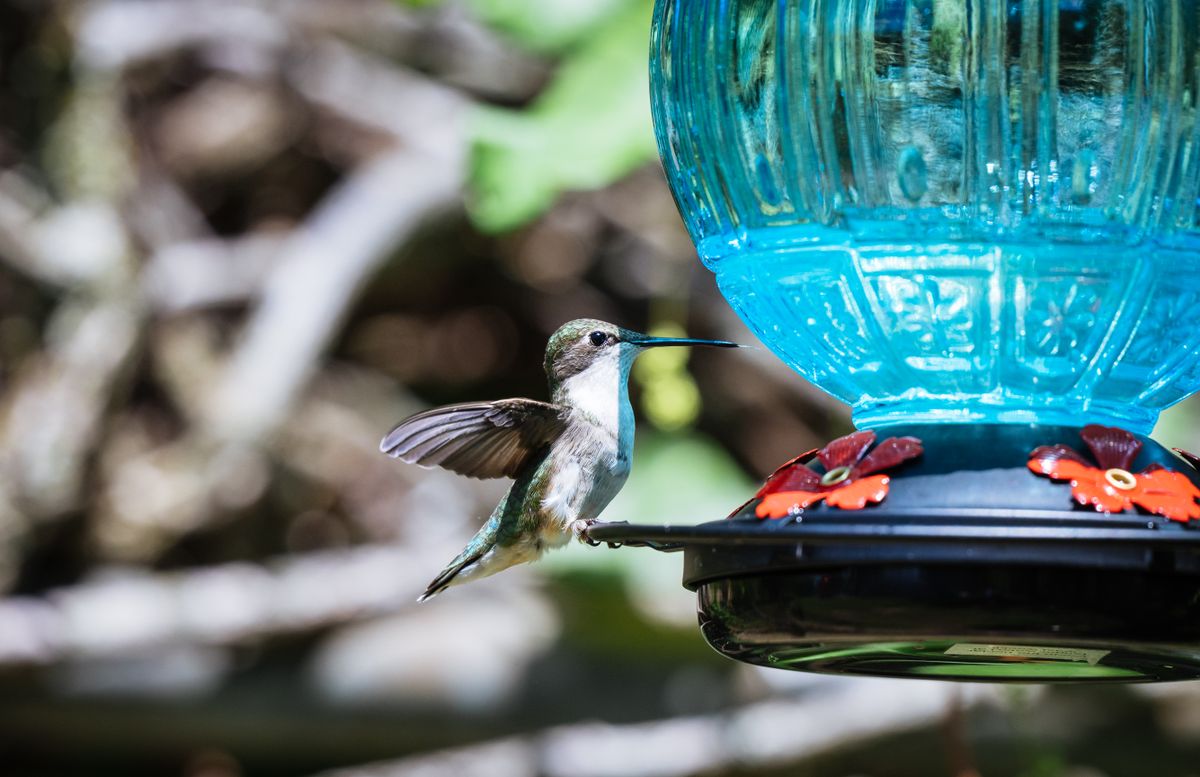
Sudden October Snap-Freeze (Temps drop to 24°F overnight) — Bring your hand-blown glass feeder inside right after dusk. Mix a fresh 3:1 nectar batch and hang the feeder back outside 15 minutes before dawn when hummingbirds begin searching for immediate morning calories.
Early Autumn Dusk & Dim Twilight Refueling — As sunset occurs earlier each evening, migrating hummingbirds feed frantically right up to full darkness. Ensure your solar cap gets full midday sun so the RGB LED lighting reliably illuminates the feeding ports during twilight.
A Lone Straggler Appears Late in the Season (Late October / November) — Do not take your feeder down! This bird may be an exhausted juvenile traveling from far north or a rare vagrant species. Keep fresh 3:1 nectar available until 14 consecutive days pass without a single visit.
Real-world situations you may encounter during the autumn migration season and how to respond safely.
Autumn Feeder Maintenance & Takedown Checklist
- [ ] Track local sightings daily and record the date of your last observed hummingbird.
- [ ] Switch to a 3:1 water-to-sugar nectar ratio during late autumn freezing snaps for extra calories and frost resistance.
- [ ] Check solar cap functionality so RGB lights illuminate during shortened twilight hours for evening feeders.
- [ ] Bring hand-blown glass feeders indoors during nights when temperatures drop below 25°F to prevent freezing glass damage.
- [ ] Maintain clean nectar until 14 consecutive days pass without a single hummingbird sighting.
- [ ] Deep clean feeders with warm water and vinegar, dry thoroughly, and store safely indoors until spring arrival.
Printable Fall Migration & Takedown Reference Guide
- Northern Departure Window: Late August – Mid-September
- Central Departure Window: Early September – Mid-October
- Southern Departure Window: October – Mid-November
- Takedown Rule: Wait exactly 14 days after your last sighting before storing feeders.
- Fall Nectar Recipe: 1 cup pure white refined sugar to 3 cups boiled water (no red dyes).
- Glass Protection: Store hand-blown glass inside during hard overnight freezes (<25°F).
- Solar RGB Feature: Solar lights recharge in daytime to light ports during early autumn twilights.
Explore More Hummingbird Care Guides
Expand your knowledge on hummingbird migration, seasonal nectar ratios, and garden decor tips with these helpful resources:
- When to Put Out Hummingbird Feeders in Spring: A Regional Arrival Guide
- Early Spring Hummingbird Nectar FAQ: Ratios, Cold Weather Care, and Feeder Prep
- How to Catch the Eye of First-Scout Hummingbirds: Visual Attraction Strategies
- Why Aren't Hummingbirds Visiting Your Feeder? Common Placement & Visibility Fixes
Support Dusk-Refueling Migrants with Illuminated Solar Glass Feeders
Help traveling hummingbirds find essential energy during shortened autumn twilights while elevating your evening garden aesthetic with handcrafted glass decor.
🌟 LUJII Solar-Powered Hummingbird Feeder 🌟
- Hand-Blown Glass Artistry: Each reservoir is individual glass art crafted at 2,300°F with vibrant, non-fading translucent patterns.
- Solar-Powered RGB Illumination: Automatically lights up at night for up to 8 hours after a solar charge, helping dusk feeders spot nectar ports in dim fall twilights.
- Leak-Proof & Generous 32 oz Capacity: Slender, sealed base minimizes drips, while clear blown glass makes monitoring nectar levels effortless.
- All-Weather Durability: Waterproof solar cap shields against autumn rain and light snow, while the anti-rust coated metal base withstands the elements.
- The Perfect Garden Gift: Captivates bird lovers of all ages and adds magical evening light to patios, backyards, and gardens.
Final Action Plan for Autumn Hummingbird Care
Your decision: Determine your state's departure window and calculate your safe feeder cleanup date using the 14-day rule.
Do this next: Switch to a 3:1 rich nectar blend on chilly autumn days, keep solar caps clear to illuminate dusk twilight feedings, and protect hand-blown glass from extreme freezes.
- Read next: When to Put Out Hummingbird Feeders in Spring: A Regional Arrival Guide
Explore the LUJII Solar-Powered Hand-Blown Glass Hummingbird Feeder at solarhummingbirdfeeder.com to light up your autumn garden and aid dusk-refueling migrants.
Take these simple steps today to ensure a safe autumn migration for your visiting birds.
Cover photo by Chris F on Pexels.