How to Clean and Care for Hand-Blown Solar Hummingbird Feeders: A Complete Guide
Should you submerge your solar glass feeder to clean it? Never submerge the top solar electronic cap. To sanitize your feeder safely, unscrew the solar lighting unit and wipe it with a damp microfiber cloth. Wash the handcrafted 32 fl. oz glass reservoir and anti-rust metal base separately using a 1:4 distilled white vinegar to lukewarm water solution (under 100°F) to prevent thermal shock micro-fractures.
Essential Solar Glass Feeder Safe-Cleaning Checklist
- [ ] Unscrew the top plastic solar light cap and store it safely on a clean, dry towel away from water splashes.
- [ ] Check the solar panel glass lens for tree sap or dust; wipe gently with a soft, damp microfiber cloth.
- [ ] Empty any remaining fermented nectar completely down the drain—never reuse old sugar syrup.
- [ ] Rinse the hand-blown glass reservoir with lukewarm water (always keep water temperature below 100°F).
- [ ] Fill 1/4 of the glass reservoir with distilled white vinegar and top off with 3/4 warm water.
- [ ] Add 2 tablespoons of dry uncooked white rice to tackle stubborn interior mold spots; swirl gently in circles.
- [ ] Clean the metal base perches and silicone-sealed flower feeding ports using a soft micro-bottle brush.
- [ ] Rinse all glass and metal parts thoroughly with cold, clean tap water until all vinegar aroma dissipates.
- [ ] Air dry all glass and metal components completely before refilling with fresh 1:4 refined white sugar syrup.
Quick-Reference Cleaning & Nectar Sanitization Card
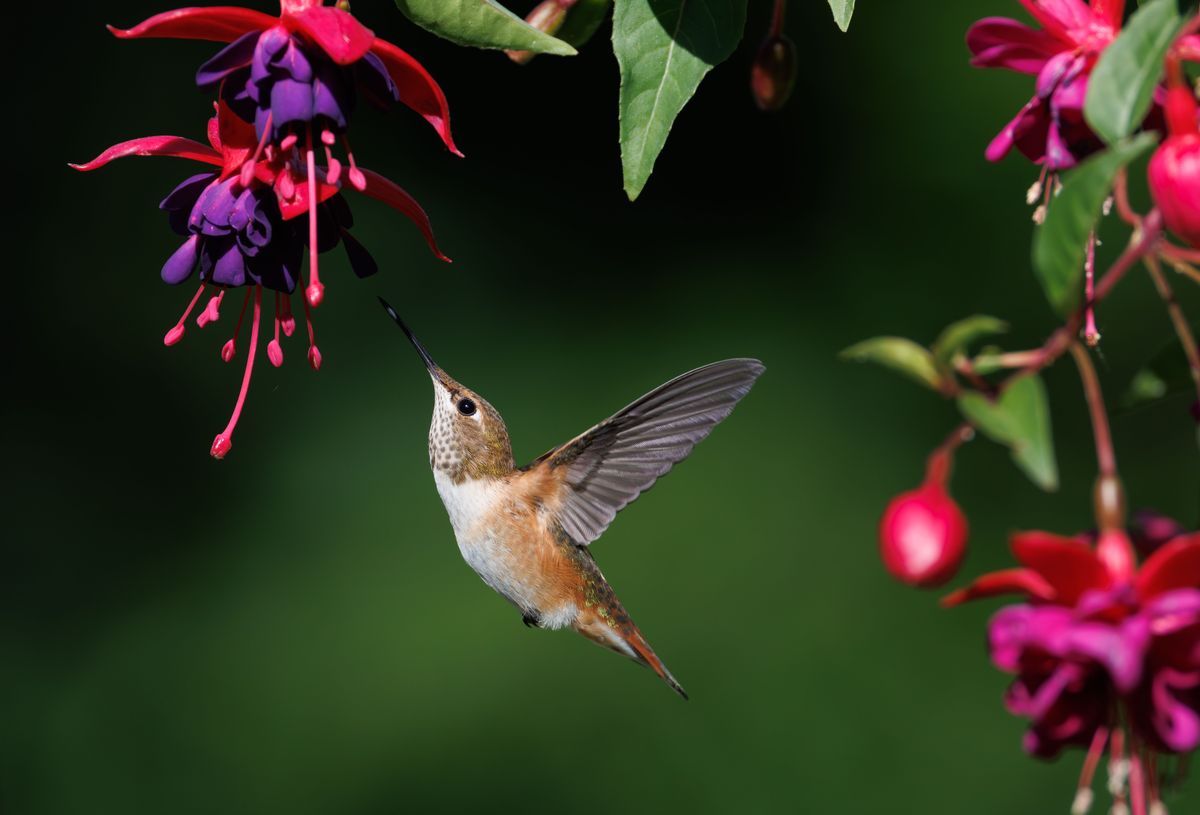
Photo by Veronika Andrews on Pexels
- SOLAR CAP RULE: Wipe damp only. Never submerge, soak, or spray electronic solar top.
- GLASS TEMP RULE: Lukewarm water only (<100°F). Hot water shatters 2,300°F artisan glass.
- SANITY SOLUTION: 1 part distilled white vinegar to 4 parts water. No dish soap, bleach, or red dyes.
- MOLD REMOVAL: Swirl uncooked white rice + vinegar solution inside glass body; rinse thoroughly.
- NECTAR RATIO: 1 cup refined white table sugar to 4 cups boiled water. Cool completely before filling.
Anatomy of a Solar Glass Feeder: Wash vs. Never-Submerge Zones
Understanding where electronic housing ends and artisan glass begins keeps your solar RGB lights glowing bright while keeping hummingbirds healthy.
Artisan Glass Care: Preventing Thermal Shock and Pigment Degradation
Handcrafted glass reservoirs are forged at a scorching 2,300°F by master artisans, infusing vibrant, translucent color patterns directly into the glass matrix. While this means the gorgeous colors will never peel or fade like cheap painted plastic, individual handcrafted glass pieces remain sensitive to thermal shock.
Never pour boiling water or high-heat tap water directly into a cool glass feeder body. Rapid temperature shifts cause microscopic tension cracks that ruin the slender reservoir structure over time. Furthermore, steer clear of synthetic dish soaps; soapy films cling to raw glass interiors, offending a hummingbird's acute sense of taste and triggering feeder avoidance.
Solar Feeder Failure Modes: Mold, Cloudy Glass, Rust, and Dark Lights
| Failure Mode / Symptom | Root Cause | Corrective Action |
| --- | --- | --- |
| Black mold spots appearing inside narrow glass neck | Nectar fermented in hot sun beyond 3 days without flushing. | Pour 1/4 cup white vinegar and 2 tbsp raw white rice into glass. Swirl vigorously to scrub interior walls without scratching. |
| Solar RGB lights remain dark or dim after dusk | Water penetrated solar cap seal, or photo sensor lens is covered in dust/sap. | Wipe top solar glass lens clean. Remove battery panel cover, dry thoroughly, and leave in direct sunlight for 8 hours to reset. |
| Hazy film or cloudy white water spots on translucent glass | Hard water mineral deposits accumulating on interior glass curves. | Soak glass reservoir in a 50/50 vinegar and lukewarm water bath for 20 minutes; scrub with a soft sponge and rinse. |
| Nectar leaking slowly from lower metal base perches | Silicone base seal seated unevenly or reservoir overfilled past slender neck threads. | Unscrew metal base, realign internal silicone sealing washer, and tighten glass bottle firmly until flush. |
| Surface rust or discoloration along perch metal ring | Protective clear coat worn down by abrasive scrubbing pads or harsh bleach. | Wipe clean with soft cloth, thoroughly dry, and touch up exposed metal with food-safe anti-rust mineral coat. |
Encountering an issue with your solar hummingbird feeder? Identify the failure mode below to restore your garden's nighttime glow and keep your feathered visitors thriving.
Refill & Re-hanging Directives
Your decision: Choose the correct natural cleaning agent based on current mold severity and outdoor heat.
Do this next: Disassemble the feeder, wipe down the top solar cap with a damp cloth, wash the glass body using 1:4 vinegar and lukewarm water, and refill with cooled sugar syrup.
- Read next: How to Hang Your Solar Hummingbird Feeder to Block Ants and Crawling Insects
LUJII 32 oz Hand-Blown Glass Solar Hummingbird Feeder
Once your hand-blown glass feeder is sparkling clean and completely air-dried, it's time to refill and welcome your tiny garden guests back!
Summary: Golden Rules of Solar Hand-Blown Feeder Maintenance
- Isolate Electronics: Keep the solar cap completely dry during washing; wipe clean with a damp microfiber cloth only.
- Prevent Thermal Shock: Always wash 2,300°F hand-blown glass in lukewarm or cool water under 100°F.
- Ditch Dish Soap & Bleach: Use a natural 1:4 white vinegar solution to sanitize without leaving chemical residues that repel birds.
- Adjust for Summer Heat: When ambient temperatures cross 90°F, clean and replace nectar every 48 hours without fail.
- Inspect Seals: Ensure the silicone gasket at the metal base is properly aligned to maintain a 32 fl. oz leak-proof seal.
Temperature-Based Cleaning & Seasonal Care Schedule
- Above 90°F (32°C) - Peak Summer — Flush glass reservoir and refill nectar every 2 days. Inspect solar cap lens daily for dust or humidity.
- 80°F to 89°F (27°C - 31°C) - Warm Weather — Wash feeder and replace nectar every 3 days. Check metal base ports for sugar crusting.
- 70°F to 79°F (21°C - 26°C) - Moderate Spring — Perform full vinegar sanitization and fresh refill every 4 to 5 days.
- Below 70°F (21°C) - Mild Autumn — Clean glass body and replace sugar water once every 7 days.
- First Fall Freeze (<32°F / 0°C) — Winterize feeder: Fully clean, dry, switch solar cap to OFF, bubble-wrap hand-blown glass, and store indoors.
Top 5 Deadly Mistakes Solar Glass Feeder Owners Make
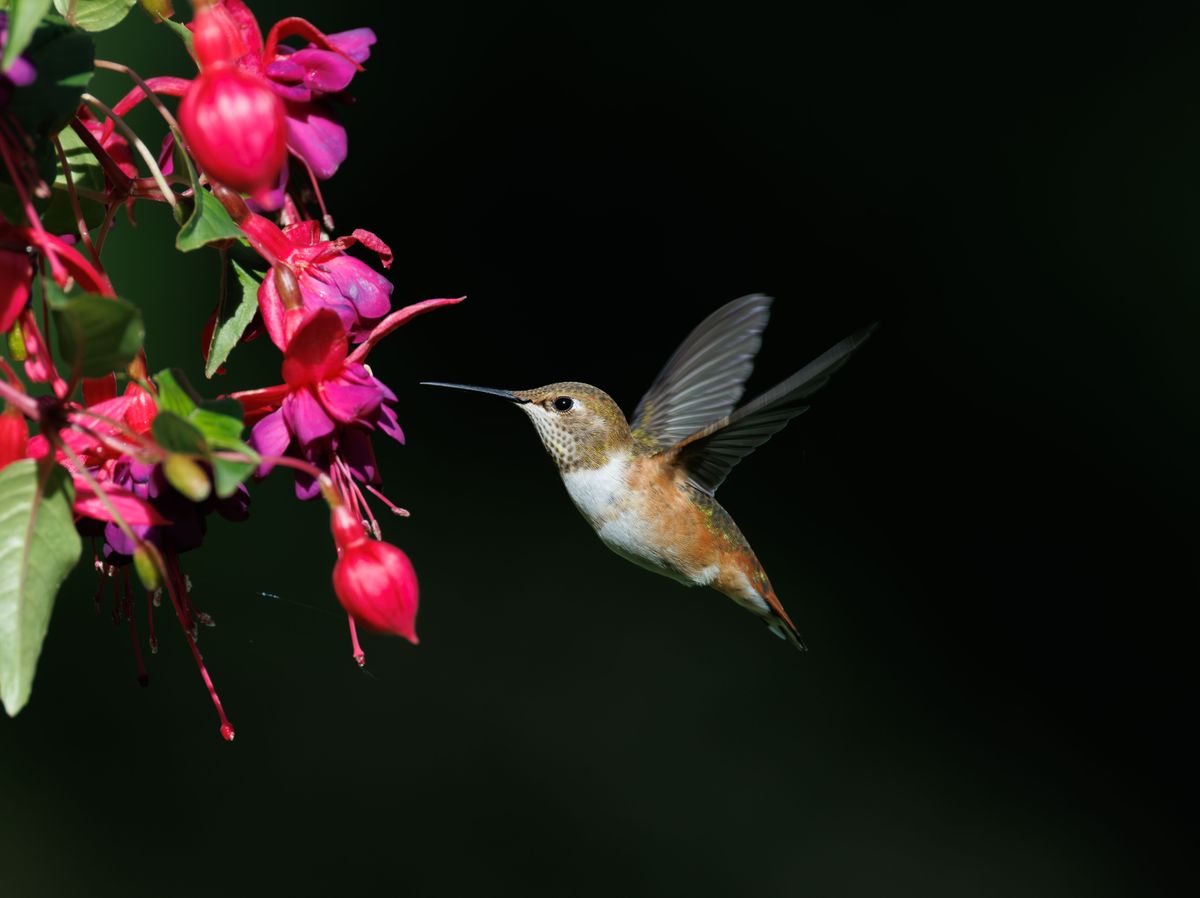
Photo by Veronika Andrews on Pexels
Avoid these critical mistakes that can crack hand-blown glass, destroy delicate solar circuitry, or endanger visiting hummingbirds.
Step-by-Step 15-Minute Safe Washing Sequence
- Minutes 0-2: Disassembly — Unscrew top solar lid; place on dry towel. Unscrew bottom anti-rust metal base from glass bottle body.
- Minutes 2-5: Solar Cap Care — Wipe solar top housing and photo sensor with a damp microfiber cloth. Inspect rubber gasket for dirt.
- Minutes 5-10: Glass Flush & Rice Scrub — Pour warm water + 1/4 cup white vinegar + 2 tbsp uncooked rice into glass body. Swirl for 60 seconds; rinse thoroughly.
- Minutes 10-12: Metal Base Cleaning — Brush metal perches and silicone flower ports under running tap water with a bottle brush to remove sticky syrup.
- Minutes 12-15: Air Drying & Assembly — Set all components on a drying rack until completely dry. Reassemble, fill with cool 1:4 sugar syrup, and hang!
Further Garden & Solar Lighting Guides
Expand your knowledge on backyard birding and solar garden aesthetics with these guide topics:
- How to Hang Your Solar Hummingbird Feeder to Block Ants and Crawling Insects
- Hand-Blown Glass vs. Plastic Hummingbird Feeders: Why Artisan Craftsmanship Wins
- Hot Weather Nectar Ratios: How to Keep Hummingbird Food Fresh in Summer
- Twilight Nectar Care FAQ: Does Nighttime Solar Light Affect Nectar Freshness?
Frequently Asked Questions About Glass Solar Feeder Care
Got questions about protecting your artisan glass or fixing solar lighting after a wash? Here are expert answers.
Recommended Artisan Solar Hummingbird Feeders
Looking for the ultimate blend of handcrafted art and innovative solar night-lighting for your garden?
Ready to Elevate Your Garden Experience?
Your decision: Clean your feeder regularly using natural vinegar solutions and protect your solar cap to ensure long-lasting backyard enjoyment.
Do this next: Explore LUJII's handcrafted solar hummingbird feeder collection to bring vibrant color and automatic RGB night lighting to your patio.
Related resource: https://solarhummingbirdfeeder.com
🌟 LUJII Solar-Powered Hummingbird Feeder 🌟
Keep your garden glowing and your hummingbirds coming back season after season with the perfect blend of handcrafted glass art and solar-powered beauty.
Cover photo by Veronika Andrews on Pexels.