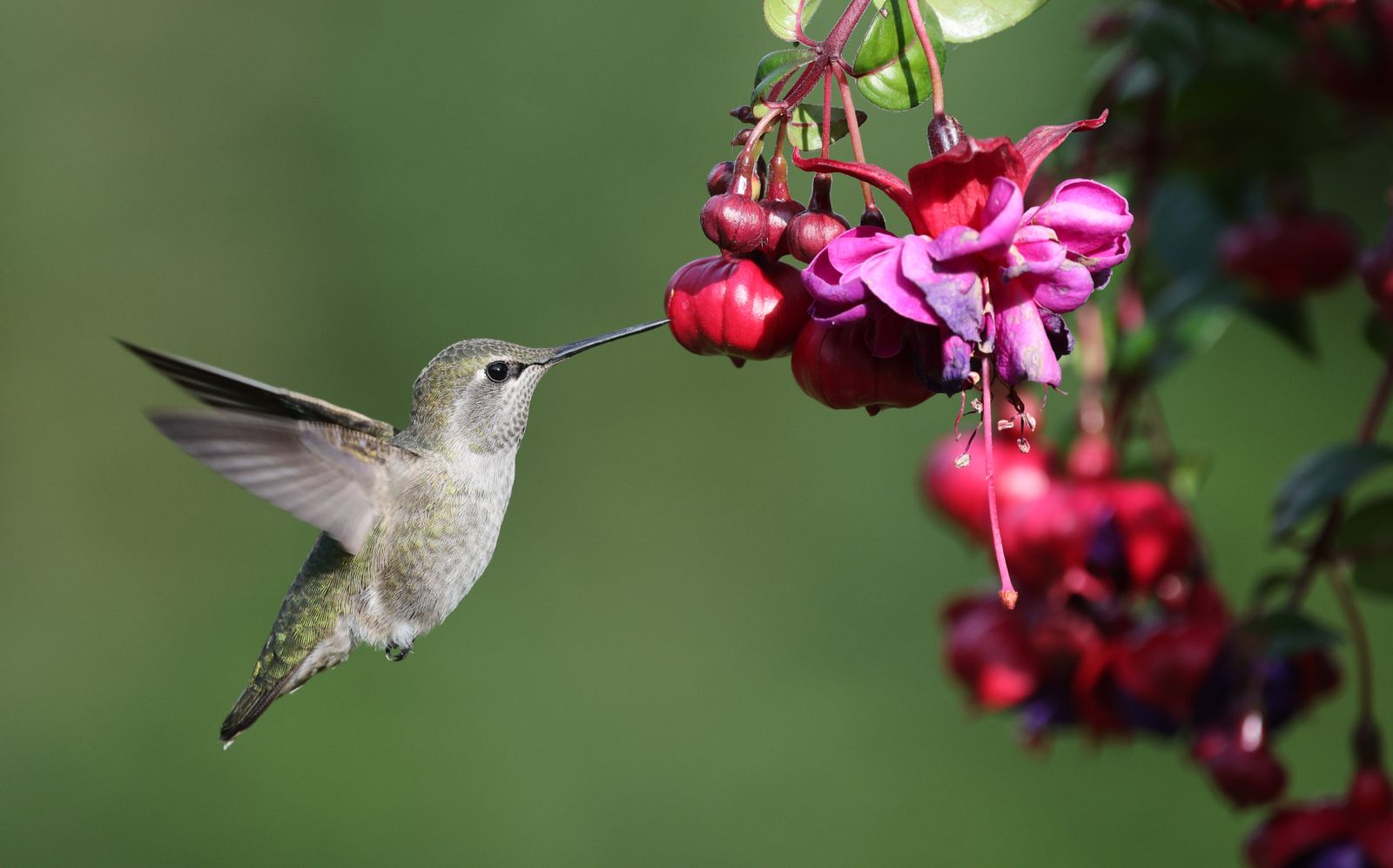
How to Clean Glass Hummingbird Feeders Safely (Solar Care Guide)
Should you clean a hand-blown glass solar hummingbird feeder with boiling water or dish soap? No. To safely clean your feeder, submerge only the glass reservoir and metal base in a 1:4 distilled white vinegar and room-temperature water solution. Wipe the solar cap separately with a damp cloth—never submerge it, or use hot water, dishwashers, or chemical detergents.
Essential Bird-Safe Cleaning Checklist & Equipment Setup
- [ ] Unplug/remove the solar light cap and set it safely on a dry surface.
- [ ] Wipe solar light panel with a soft, slightly damp microfiber cloth (never submerge).
- [ ] Pour out all leftover nectar and rinse the glass vessel with room-temperature tap water.
- [ ] Prepare a 1:4 cleaning solution of distilled white vinegar and lukewarm water.
- [ ] Soak the glass reservoir and metal feeding base for 10-15 minutes.
- [ ] Scrub feeding ports using a flexible pipe cleaner or specialized small port brush.
- [ ] Rinse all glass and metal components thoroughly until vinegar smell dissipates.
- [ ] Air dry all parts completely before refilling to prevent sugar solution dilution.
Quick-Reference Maintenance Cheat Sheet (Printable)
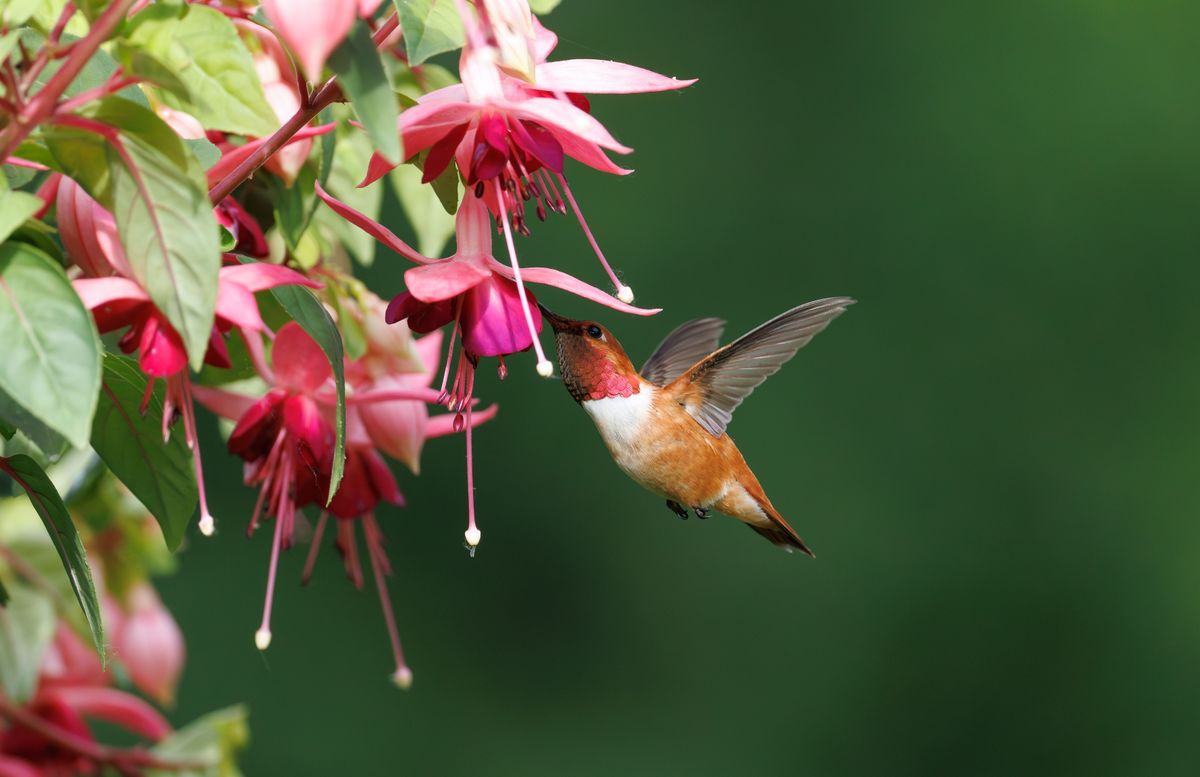
Photo by Veronika Andrews on Pexels
- Sanitizing Ratio: 1 part distilled white vinegar to 4 parts room-temperature water.
- Solar Cap Protection: Wipe exterior lens with a damp microfiber cloth only. Zero submersion.
- Thermal Safety Rule: Never expose handcrafted glass to water hotter than 100°F (38°C) to avoid thermal shock cracking.
- Detergent Warning: Zero dish soaps, detergents, or bleach—microscopic residues cause kidney damage in hummingbirds.
- Peak Heat Schedule: Replace nectar and rinse every 24–48 hours when outdoor temperatures exceed 90°F.
Artisan Advice: Preventing Glass Thermal Shock & Solar Seal Failure
Hand-blown glass reservoirs—shaped by master artisans at 2,300°F—possess unique internal stress points and breathtaking color swirls. While highly durable under normal weathering, sudden shifts in water temperature create severe expansion differential across the glass walls. Always let your glass feeder reach room temperature indoors before washing, and never apply hot tap water to a sun-warmed reservoir.
Simultaneously, protect the top solar cap. Though rated to shield against falling rain and snow, the solar light module contains sensitive RGB LED circuitry, ambient light sensors, and rechargeable batteries. Submerging the housing traps water inside the seal under hydrostatic pressure, leading to corrosion and permanent light failure.
Feeder Maintenance & Problem Matrix
| Scenario / Visual Symptom | Root Cause | Immediate Corrective Action |
| --- | --- | --- |
| Black spots or velvety mold inside narrow feeding flower ports | Sugar fermentation and fungal spore buildup in unbrushed crevices. | Soak base in 3% hydrogen peroxide or vinegar for 15 minutes; scrub ports thoroughly using a fine bottle/pipe brush. |
| Water droplets or fogging visible under the solar light lens | Accidental submersion or high-pressure hose spray breaching the cap seal. | Remove cap immediately, dry exterior, open battery casing if accessible, and dry components in warm sunlight for 48 hours. |
| Cloudy film or white haze on hand-blown glass walls | Mineral hard water deposits or dried sugar crystallization. | Fill reservoir with pure white vinegar and 2 tablespoons of uncooked white rice; swirl gently for 3 minutes to scrub mechanically without scratching. |
| Nectar leaking slowly from base connection point | Misaligned rubber gasket or temperature-induced seal expansion. | Check that the internal rubber gasket is seated flat, clean away sugar crystals on threads, and hand-tighten without over-torquing. |
| RGB lighting fails to turn on automatically at dusk | Dirty solar collector panel or depleted rechargeable battery. | Wipe top solar panel clean with a damp microfiber cloth to remove pollen/dust; allow 8 hours of direct sunlight charging. |
Identify visual symptoms instantly and apply targeted, bird-safe interventions.
Post-Cleaning Inspection & Setup Protocol
Your decision: Transition safely from washing to refilling while protecting solar components.
Do this next: Inspect the rubber gasket seal, hand-tighten the metal base to the hand-blown vessel, fill with cool 4:1 water-to-sugar nectar, and snap the dry solar lid back into place.
- Read next: Hand-Blown Glass vs. Plastic Hummingbird Feeders
- Read next: Do Solar Lights Bother Hummingbirds at Night?
LUJII Hand-Blown Solar Hummingbird Feeder (32 oz Leak-Proof Handcrafted Glass with RGB Lighting)
Once your feeder components are pristine and fully dry, follow this simple assembly flow before hanging your feeder back out in the garden.
Core Cleaning & Preservation Rules at a Glance
Keep these non-negotiable principles in mind every time you take down your feeder.
Temperature-Based Cleaning Frequency Schedule
- Under 70°F (21°C) — Clean feeder and replace nectar every 4 to 5 days.
- 70°F to 79°F (21°C–26°C) — Clean feeder and replace nectar every 3 days.
- 80°F to 89°F (27°C–31°C) — Clean feeder and replace nectar every 2 days.
- 90°F+ (32°C+) or Full Sun — Clean feeder and replace fresh nectar every 24 to 48 hours without exception.
Top 5 Feeder Cleaning Mistakes That Harm Birds or Break Feeder Parts
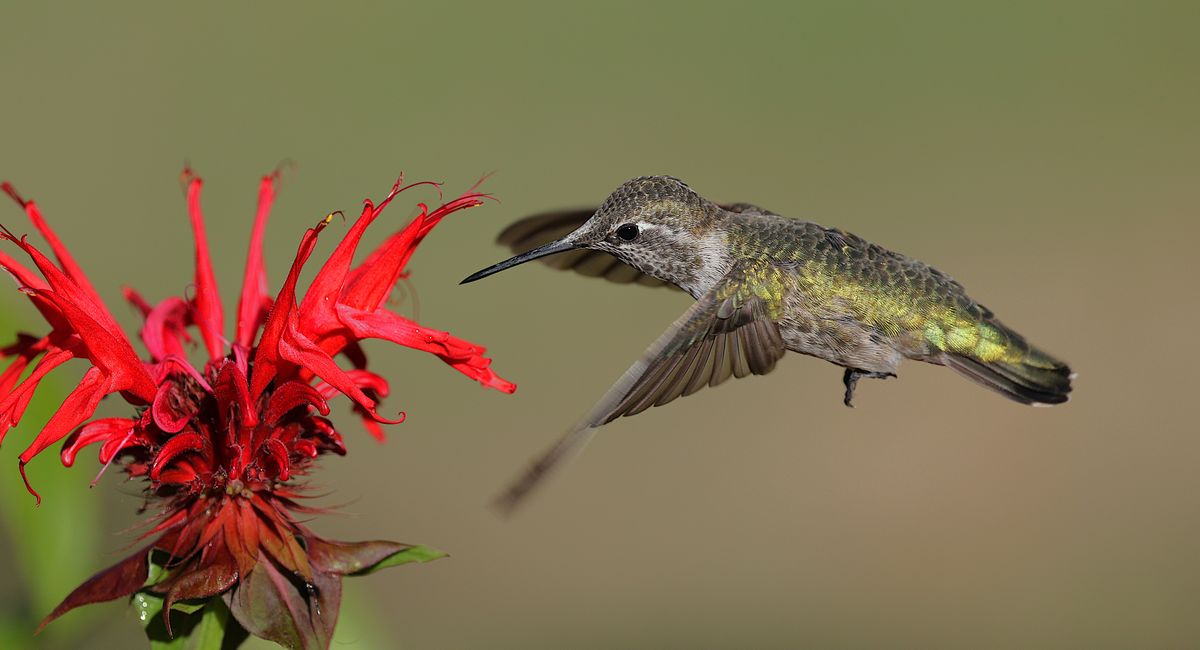
Photo by Veronika Andrews on Pexels
Avoid these critical operational errors that frequently result in broken glass, fried solar circuits, or sick birds.
Step-by-Step 15-Minute Deep Cleaning Workflow
- Minute 0:00 - 0:02 — Separate components: Detach top solar cap, unscrew metal feeding base from hand-blown glass reservoir, and remove rubber sealing gasket.
- Minute 0:02 - 0:04 — Solar Care: Wipe solar panel lens and cap underside with a soft, damp microfiber cloth. Place cap on a dry towel in a sunny spot.
- Minute 0:04 - 0:06 — Initial Rinse: Flush old nectar from glass reservoir using lukewarm tap water. Mix 1 part distilled white vinegar with 4 parts lukewarm water in basin.
- Minute 0:06 - 0:12 — Soak & Scrub: Submerge glass vessel and metal base in vinegar bath. Use bottle brush for glass interior and port micro-brushes for feeding flowers.
- Minute 0:12 - 0:15 — Rinse & Air Dry: Rinse all washed parts thoroughly with clear room-temperature water until all vinegar aroma is gone. Invert on clean towel to dry completely.
Enhancing Your Nighttime Garden & Feeder Care Knowledge
Expand your backyard wildlife sanctuary knowledge with these companion guides:
- Hand-Blown Glass vs. Plastic Hummingbird Feeders: Which Elevates Your Garden Experience? — Discover how handcrafted glass outperforms plastic in UV durability, aesthetic beauty, and thermal insulation.
- Do Solar Lights Bother Hummingbirds at Night? — Learn about hummingbird sleep patterns (torpor) and how RGB LED ambient lighting interacts safely with twilight garden visitors.
- How to Make Safe DIY Hummingbird Nectar: The Ultimate 4:1 Recipe — Master the exact refined white sugar ratio needed to keep your visitors energized and healthy without commercial dyes.
Frequently Asked Questions About Glass Solar Hummingbird Feeder Care
Answers to common questions about preserving artisan glass and solar components.
Recommended Artisan Solar Hummingbird Feeders & Care Gear
Looking to upgrade your outdoor space with durable, easy-to-clean handcrafted bird decor? Discover the flagship LUJII collection.
Your Next Step for a Vibrant, Healthy Hummingbird Haven
Your decision: Choose a bird-safe cleaning routine using white vinegar and room-temperature water to protect your investment and preserve bird health.
Do this next: Disassemble your solar feeder, wipe the solar cap with a damp cloth, soak the hand-blown glass in a 1:4 vinegar solution, rinse with room-temperature water, and refill with fresh nectar.
- Read next: Hand-Blown Glass vs. Plastic Hummingbird Feeders: Which Makes the Better Gift?
- Read next: Do Solar Lights Bother Hummingbirds at Night?
LUJII Hand-Blown Solar Hummingbird Feeder (32 oz Leak-Proof Handcrafted Glass with RGB Lighting)
By establishing a simple 15-minute white vinegar cleaning routine, you protect both the health of your local hummingbird population and the longevity of your handcrafted solar feeder.
Cover photo by Veronika Andrews on Pexels.