Winter Glass Care: How to Protect Hand-Blown Solar Hummingbird Feeders from Freezing Temperatures
Should you leave your hand-blown glass solar hummingbird feeder outside when winter temperatures plunge?
No. You must remove and store hand-blown glass solar hummingbird feeders indoors whenever ambient temperatures drop below 32°F (0°C). Liquid nectar expands by approximately 9% when freezing, exerting immense pressure that shatters handcrafted glass reservoirs regardless of their heat-forging history. Bringing the feeder inside also protects the electronic solar light cap, internal lithium battery, and rubber base seals from catastrophic freeze-thaw damage.
Essential Winter Protection Checklist for Glass Solar Feeders
- [ ] Monitor local weather forecasts for ambient overnight temperatures approaching 35°F (2°C).
- [ ] Empty remaining sugar nectar completely before overnight freezes occur to prevent ice expansion.
- [ ] Allow cold outdoor glass to acclimate to room temperature indoors for at least 2 hours before washing.
- [ ] Hand-wash the glass reservoir using mild soap and lukewarm water (70°F–80°F). Never use hot or boiling water.
- [ ] Inspect rubber base gaskets and O-rings for cracking, hardening, or loss of flexibility caused by cold exposure.
- [ ] Wipe the top solar panel with a soft, damp microfiber cloth to remove dust, pollen, and hard water spots.
- [ ] Switch the solar light cap toggle to the OFF position to preserve internal lithium battery cycle health during dark storage.
- [ ] Dry the glass reservoir completely inside and out to eliminate moisture traps that breed micro-molds.
- [ ] Wrap the hand-blown glass in bubble wrap or soft cotton cloth and store in a sturdy box above floor level.
Printable Quick-Reference Winterization Sheet
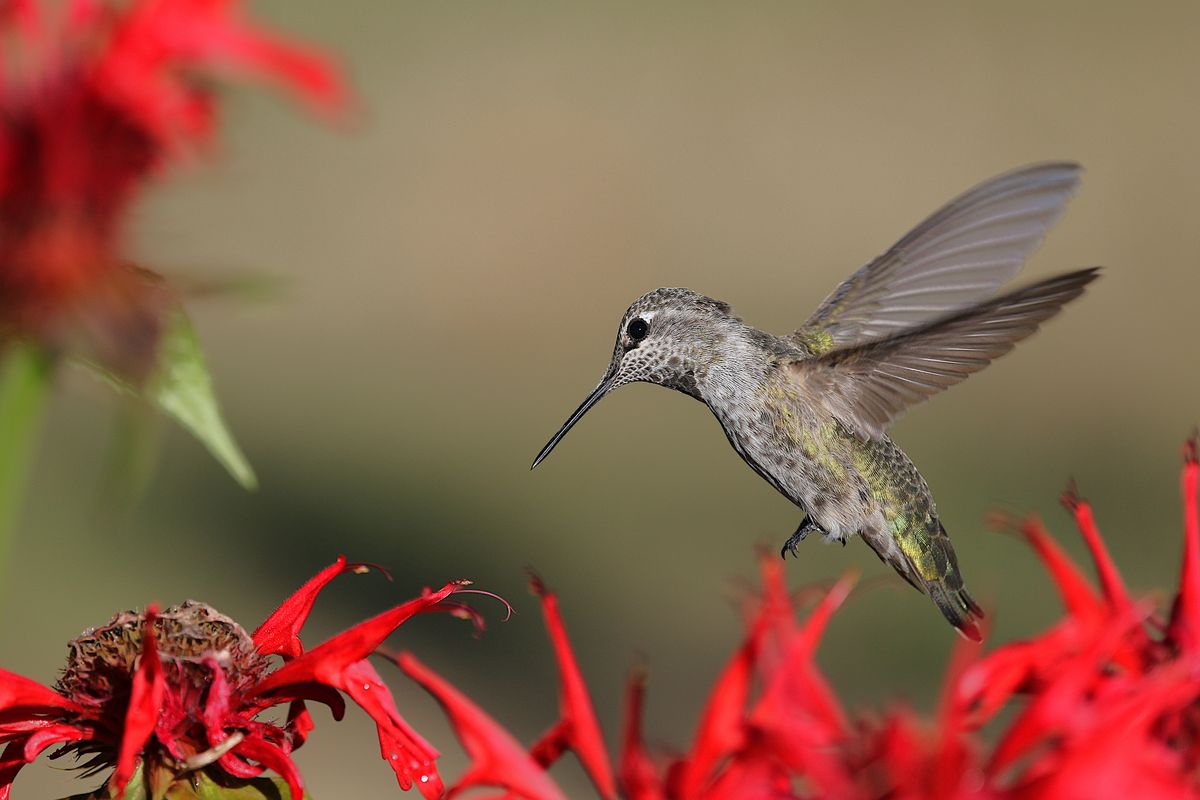
Photo by Veronika Andrews on Pexels
- 32°F (0°C) Hard Limit: Glass must come indoors before ambient air hits freezing.
- 2-Hour Acclimation Rule: Cold glass + hot water = instant thermal shock crack. Wait 2 hours before washing.
- Lukewarm Water Only: Clean glass reservoirs exclusively with 70°F–80°F water.
- Solar Switch OFF: Turn off the battery switch before storing in dark closets to prevent deep battery discharge.
- Store Raised & Padded: Store wrapped glass in a rigid container off concrete basement floors.
Pro Insight: Thermal Shock Physics & 2,300°F Glass
A common misconception among garden enthusiasts is that because handcrafted glass reservoirs are shaped by glass artisans at 2,300°F (1,260°C), they possess high tolerance for extreme temperature changes.
In physics, high-temperature shaping creates a beautifully annealed structure, but thermal shock resistance depends on the rate of temperature change (the thermal gradient across the glass wall). Hand-blown glass features natural, microscopic variations in wall thickness—part of its unique artistic charm. When freezing liquid nectar expands inside, or when cold outdoor glass is suddenly rinsed under a hot tap, the thicker and thinner sections expand at different rates. This localized tension causes sudden, irreversible structural failure along stress lines.
> "Artisanal glass handles steady heat beautifully during creation, but rapid thermal swings create severe physical tension. Never expose cold glass to water warmer than lukewarm tap temperature." — Master Glassmith Advice
Winter Failure Modes & Troubleshooting Matrix
| Failure Mode & Scenario | Root Physical Cause | Identifiable Symptoms | Corrective & Preventative Action |
| --- | --- | --- | --- |
| Ice Expansion Fracturing (Feeder left outside during 25°F freeze) | Nectar freezes and expands by ~9% in volume, creating outward hydraulic pressure against glass walls. | Hairline vertical fractures, base separation, or complete shattering of the hand-blown glass reservoir. | Empty nectar and bring glass indoors whenever nighttime temperatures are forecasted to drop below 32°F (0°C). |
| Thermal Shock Shattering (Cold glass washed in hot sink water) | Rapid expansion differential between inner and outer glass surfaces exceeding molecular shear limits. | Sudden loud cracking sound, spiderweb stress cracks across curves, or instant glass breakdown. | Enforce a mandatory 2-hour room temperature acclimation period before cleaning cold glass with lukewarm water (70°F–80°F). |
| Solar Cap Moisture Intrusion & Circuit Corrosion (Exposed to freezing rain) | Water enters micro-seals during freeze-thaw cycles, expands into ice, and breaches electronic housing. | RGB lights flicker uncontrollably, fail to turn on at dusk, or display battery terminal rust. | Remove solar cap during freezing precipitation. Store indoors in dry conditions with the switch set to OFF. |
| Lithium Battery Capacity Lockup (Left in unheated outdoor shed at sub-zero temps) | Chemical electrolyte freezing inside the rechargeable battery cell, leading to internal resistance spike. | Solar cap charges during day but lights up for less than 30 minutes at night after spring deployment. | Store the solar module in a climate-controlled room between 50°F and 70°F throughout the winter months. |
| Base Gasket Hardening & Post-Thaw Leaking (Cold dry-rot on rubber O-rings) | Sub-freezing air strips plasticizers from base rubber gaskets, causing stiffness and permanent distortion. | Nectar continuously drips from feed ports upon spring re-filling, flooding the metal tray. | Coat rubber O-rings with food-grade silicone grease before winter storage; store gaskets flat in sealed bags. |
Below are the primary freeze-related failure modes that destroy solar hummingbird feeders during winter, along with their root causes, physical symptoms, and immediate prevention protocols.
Your Winter Care Action Plan
Your decision: Determine whether your local area experiences winter temperatures dropping below 32°F (0°C).
Do this next: Check your 7-day local weather forecast today. If freezing temperatures are expected, empty your feeder, allow the glass to acclimate indoors, wash with lukewarm water, turn the solar cap switch OFF, and pack the unit in a padded storage box.
- Read next: Hummingbird Feeder Gasket and O-Ring Maintenance: FAQs for a Drip-Free Garden
LUJII Hand-Blown Solar Hummingbird Feeder (Style Collection)
Take immediate action to evaluate your climate conditions and safeguard your hand-blown solar feeder before cold weather strikes.
Key Takeaways for Cold-Weather Feeder Care
- Bring hand-blown glass inside before ambient temperatures drop to 32°F (0°C) or lower.
- Liquid nectar expands as it turns to ice, exerting forces that easily break artisanal glass.
- Always let cold glass acclimate at room temperature for 2 hours before cleaning to prevent thermal shock.
- Clean glass using lukewarm water (70°F–80°F); never use hot or boiling water on cold glassware.
- Turn the solar cap toggle switch to OFF before storing in dark indoor spaces to protect battery health.
- If feeding overwintering birds like Anna's Hummingbirds, rotate durable plastic feeders while keeping glass safely stored.
Seasonal Winterization & Spring Re-entry Schedule
- Early Autumn (Ambient Temp: 45°F to 55°F / 7°C to 13°C) — Inspect solar cap top panel for dirt buildup; clean with microfiber cloth. Check glass reservoir base for gasket wear.
- First Frost Warning (Ambient Temp: 33°F to 38°F / 1°C to 3°C) — Switch nectar refill strategy to smaller batches to prevent overnight freezing. Prepare indoor padded storage box.
- Hard Freeze Threshold (Ambient Temp: 32°F / 0°C and lower) — Bring glass feeder and solar cap completely indoors. Allow 2 hours room temperature acclimation, then wash and dry thoroughly.
- Deep Winter Storage (Months of Dec – Feb) — Store glass wrapped in bubble wrap in a climate-controlled room (50°F–70°F). Keep solar switch in OFF position.
- Spring Re-Entry (Ambient Temp Consistently > 50°F / 10°C) — Unpack glass, test solar cap in direct sunlight for 6 hours, inspect rubber seals, reassemble, fill with fresh nectar, and hang.
5 Critical Winter Care Mistakes That Destroy Glass Feeders
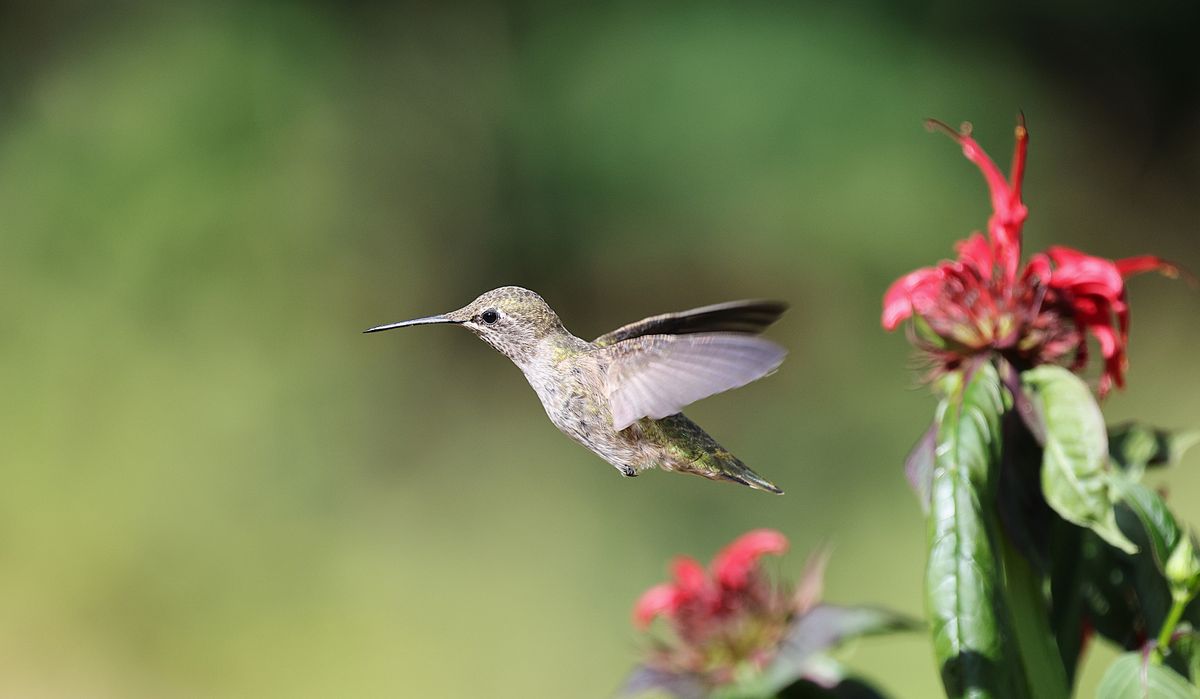
Photo by Veronika Andrews on Pexels
Avoid these frequent operational errors that lead to broken glass, dead solar batteries, and ruined garden decor.
Step-by-Step Winterization Process Timeline
- 00:00 (Step 1) — Bring the feeder inside from the garden. Carefully unscrew the hand-blown glass reservoir from the metallic base and detach the solar cap.
- 00:15 (Step 2) — Dispose of any remaining sugar nectar down the drain. Place the cold glass reservoir on a dry towel in a warm room.
- 02:00 (Step 3) — After 2 full hours of acclimation to room temperature, wash the glass reservoir thoroughly with lukewarm water (70°F–80°F) and mild soap.
- 02:30 (Step 4) — Wipe the metallic base and solar panel top with a damp cloth. Toggle the solar cap power switch to the OFF position.
- 03:00 (Step 5) — Allow all parts to air-dry completely on a drying rack overnight before wrapping glass in bubble wrap for final box storage.
Related Guides & Maintenance Resources
- How to Clean Glass Hummingbird Feeders Safely (Solar Care Guide)
- How to Clean Hand-Blown Glass Hummingbird Feeders Without Fading Color or Damaging Solar Components
- Hand-Blown Solar Glass Hummingbird Feeders: FAQ & Holiday Gift Guide
Frequently Asked Questions About Winter Glass & Solar Cap Care
Answers to common reader questions regarding low temperatures, overwintering birds, and solar cap electronics.
Recommended Winter Storage & Hummingbird Supplies
Protect your garden aesthetics with premium replacement parts and handcrafted glass art from LUJII.
Ready to Protect Your Garden Treasures?
Your decision: Prepare your hand-blown solar glass hummingbird feeder for winter before freezing temperatures arrive.
Do this next: Inspect your hand-blown glass reservoir and solar cap today. Clean with lukewarm water, dry thoroughly, and store in a cushioned indoor box for the winter. Explore the LUJII collection to find vibrant new handcrafted designs for your spring garden!
- Read next: Hummingbird Feeder Gasket and O-Ring Maintenance: FAQs for a Drip-Free Garden
LUJII Hand-Blown Solar Hummingbird Feeder (Style Collection)
Don't let winter cold snaps ruin your handcrafted glass garden art. Protect your feeder today so it can shine brightly and welcome returning hummingbirds come spring!
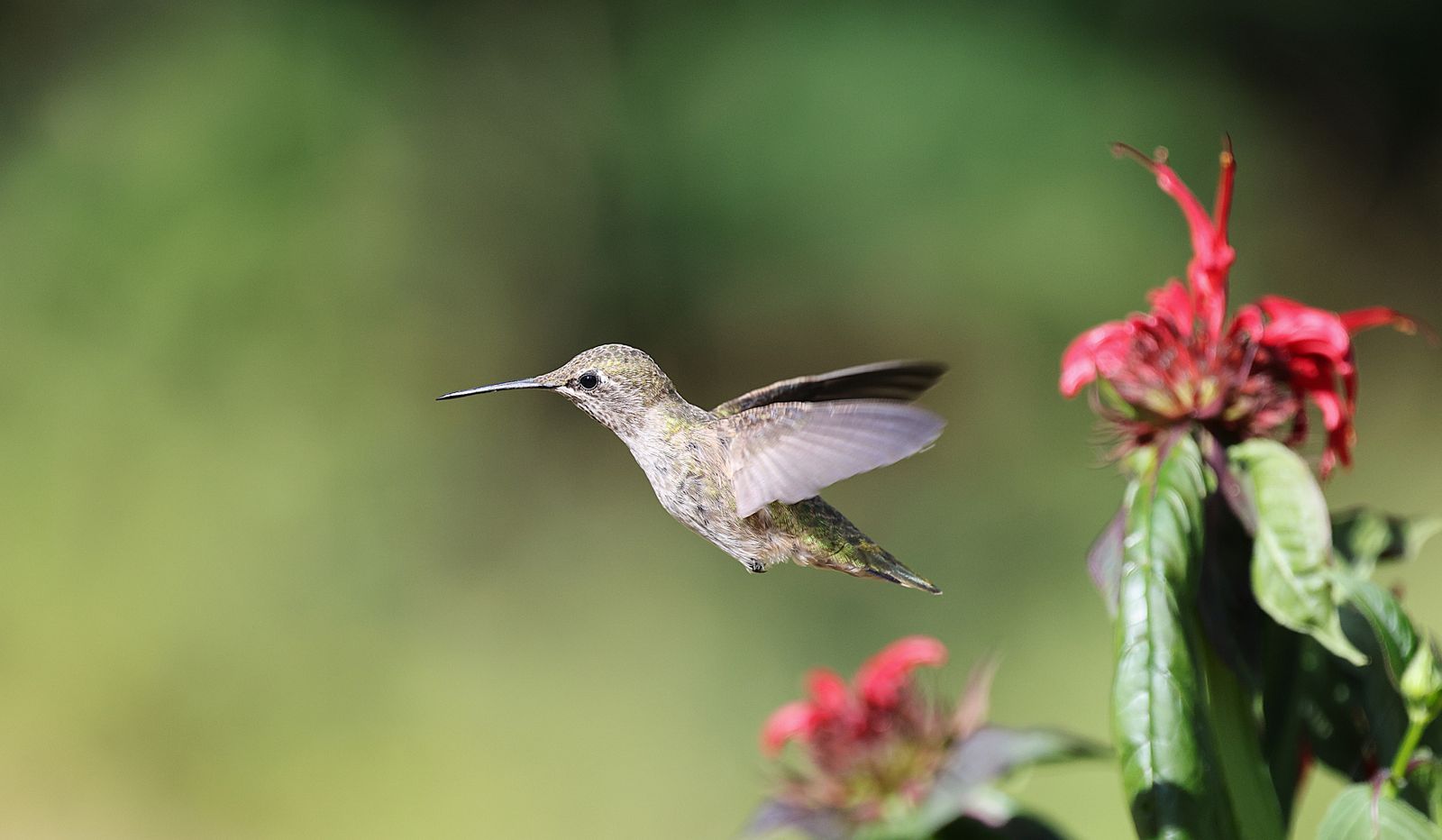
Cover photo by Veronika Andrews on Pexels.