How Often Should You Clean a Solar Hummingbird Feeder?
Should you clean your solar hummingbird feeder every single day? In ambient temperatures above 90°F, absolutely—clean it daily. Between 80°F–89°F, clean every 2 days; at 70°F–79°F, clean every 3 days; and below 70°F, clean every 4 to 5 days. Always unscrew and detach the solar module before cleaning the hand-blown glass and metal base to prevent water damage to the internal LED circuitry.
Solar Glass Feeder Pre-Wash Safety Checklist
- [ ] Unscrew and remove the plastic solar cap; set it aside in a completely dry place.
- [ ] Empty remaining nectar into sink; never reuse leftover sugar water.
- [ ] Inspect hand-blown glass reservoir for hairline cracks or thermal stress lines.
- [ ] Rinse glass body with lukewarm water (never hot or boiling water).
- [ ] Scrub feeding ports using narrow port brushes to remove hidden black mold.
- [ ] Wipe coated metal base clean with a soft microfiber cloth; inspect for anti-rust seal integrity.
- [ ] Inspect rubber O-ring gasket for cracks or dry rot.
- [ ] Air dry all components thoroughly before refilling and reattaching the solar cap.
Printable Quick-Reference Cleaning Sheet
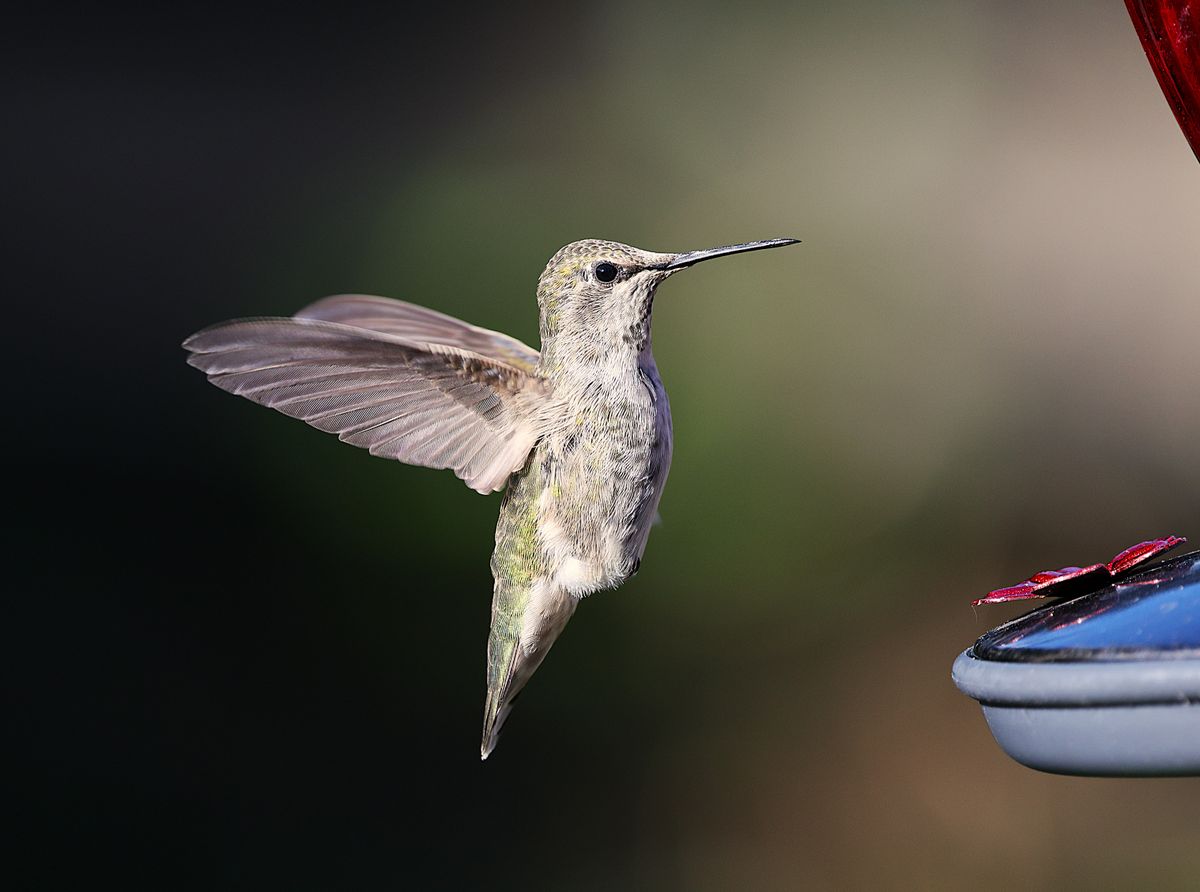
Photo by Veronika Andrews on Pexels
- Heat drives fermentation: 90°F+ = Daily wash | 80–89°F = Every 2 days | 70–79°F = Every 3 days | <70°F = Every 4–5 days.
- Solar Electronics Safety Rule: Dry-wipe the solar lid ONLY. Never submerge, soak, or spray tap water directly onto the LED module cap.
- Sanitizing Solution: Use a 1:4 ratio of white vinegar to warm water. Never use dish soap, bleach, or harsh chemical detergents.
- Glass Care Standard: Hand-wash hand-blown artisan glass in lukewarm water. High dishwasher temperatures cause thermal shock and dull hand-blown glass art.
Expert Tip: Protecting Hand-Blown Glass and O-Ring Seals
When maintaining hand-blown glass hummingbird feeders crafted at 2,300 degrees, temperature control during washing is paramount. Never transfer a glass reservoir straight from a cold air-conditioned kitchen into hot sink water. Hand-blown glass retains microscopic internal stress lines that expand unevenly under sudden temperature changes, causing thermal shock cracks.
Additionally, inspect the rubber O-ring gasket situated between the glass neck and the anti-rust metal base during every wash. Lightly coat the O-ring with a tiny drop of food-grade vegetable oil once a month to prevent dry rot and maintain a leak-proof seal that protects nectar from dripping.
Solar Feeder Failure Modes & Hygiene Scenarios
| Scenario | Root Failure Mode | Corrective Action |
| --- | --- | --- |
| Solar LED lights stopped glowing at night after washing feeder | Water ingress into the plastic solar cap housing during sink rinsing | Remove battery compartment cover if accessible, dry cap with micro-fiber towel, and set solar module in direct sunlight for 48 hours to dry out internal circuitry. |
| Black specks appearing around narrow feeding port openings | Accumulation of toxic black mold (Candida reukaufii) in port crevices | Soak metal base in 1:4 white vinegar solution for 15 minutes. Use a specialized 2mm port micro-brush to scrub internal port channels completely clean. |
| Nectar turns cloudy within 24 hours of refilling | Rapid yeast fermentation caused by intense heat and direct sunlight exposure | Relocate feeder to partial shade, reduce cleaning interval to daily, and ensure 100% of old nectar is flushed out before refilling. |
| Artisan glass artwork appears dull, white, or hazy after washing | Hard water mineral build-up or micro-abrasions from harsh scouring pads | Soak hand-blown glass reservoir in warm white vinegar for 20 minutes. Avoid green nylon scrubbers or abrasive metal sponges. |
Diagnose common solar feeder issues and routine hygiene failures before they result in permanent hardware damage or harm wild birds.
Anatomy of a Solar Glass Feeder Cleaning Routine
Understanding how your feeder components separate ensures effective sanitation without risking electronic failure or glass damage.
Key Takeaways: Solar Feeder Maintenance at a Glance
- Ambient heat directly controls nectar fermentation rates; high summer heat requires daily washing.
- Plastic solar caps house electronic batteries and LED wiring and must never be submerged in water.
- Hand-blown glass reservoirs require gentle hand washing with lukewarm water to prevent thermal shock.
- A mild 1:4 white vinegar solution effectively removes mold without damaging anti-rust metal coatings.
- Clean feeding ports with micro-brushes to eradicate toxic black mold spore pockets.
Temperature-Driven Solar Feeder Cleaning Schedule
- Temperatures 90°F (32°C) or Higher — Clean daily. Sugar water ferments into toxic alcohol and breeds dangerous bacteria within 24 hours in severe heat.
- Temperatures 80°F to 89°F (27°C–31°C) — Clean every 2 days. Inspect nectar visually for cloudiness or floaters every afternoon.
- Temperatures 70°F to 79°F (21°C–26°C) — Clean every 3 days. Perform full vinegar soak on glass and metal base.
- Temperatures Below 70°F (21°C) — Clean every 4 to 5 days. Check solar lens cover for dust or sap build-up.
Critical Cleaning Mistakes That Ruin Solar Feeders & Harm Birds
Avoid these disastrous failure modes that endanger wild hummingbirds and damage delicate garden art hardware:
- Submerging the Solar Cap Under Tap Water: The single fastest way to destroy a solar feeder is plunging the top solar module under sink water. Water enters the internal battery compartment, shorting the RGB light circuit board.
- Using Commercial Dish Soap: Chemical dish soaps leave invisible, highly scented residue films inside translucent glass walls. Hummingbirds possess extremely sensitive digestive systems that react negatively to surfactant chemical traces.
- Pouring Hot Water into Cold Glass: Exposing 2,300°F hand-blown glass to hot water creates thermal expansion stress that snaps or cracks artisan glass.
Seasonal Nectar Spoilage & Hygiene Timeline
- Hours 0–24 (In 90°F+ Direct Heat) — Sugar molecules begin rapid fermentation. Wild yeast converts sucrose into acetic acid and alcohol, creating toxic liquid for hummingbirds.
- Hours 25–48 (In 80°F–89°F Heat) — Microscopic bacterial colonies bloom. Visual signs include cloudy trails, stringy floaters, and a faint sour scent.
- Hours 49–72 (In Moderate Weather) — Black mold spores establish visible colonies around internal feeding port seals and metal threading.
- Day 5+ (Unmaintained Feeders) — Fermented liquid causes complete avoidance by local birds, severe metal oxidation risks, and permanent glass staining.
Frequently Asked Questions About Solar Hummingbird Feeder Care
Answers to common maintenance questions regarding hand-blown glass and solar electronics care.
Recommended Solar-Safe Feeders & Cleaning Accessories
For garden enthusiasts looking for a reliable, easy-to-maintain solar feeder, choose high-grade artisan models designed with removable electronics.
Actionable Next Steps for Safe Nectar Feeding
Your decision: Determine your current local daytime high temperature and inspect your solar feeder's reservoir.
Do this next: Detach the plastic solar cap, store it in a dry location, and flush the glass reservoir with 1:4 vinegar and warm water using a port brush.
- Read next: Twilight Nectar Care FAQ: Does Nighttime Solar Light Affect Nectar Freshness?
- Read next: How to Clean and Maintain Hand-Blown Glass Hummingbird Feeders Without Fading Color
Upgrade to the LUJII Solar-Powered Hummingbird Feeder featuring hand-blown artisan glass and a rust-proof metal base for easy cleaning.
Keep your backyard visitors safe and your garden glowing into twilight with these simple steps.
Pro Tip: Protecting Hand-Blown Glass & Solar Seal Rings
Explain how to protect 2,300°F hand-blown glass from thermal shock and preserve silicone rubber seals.