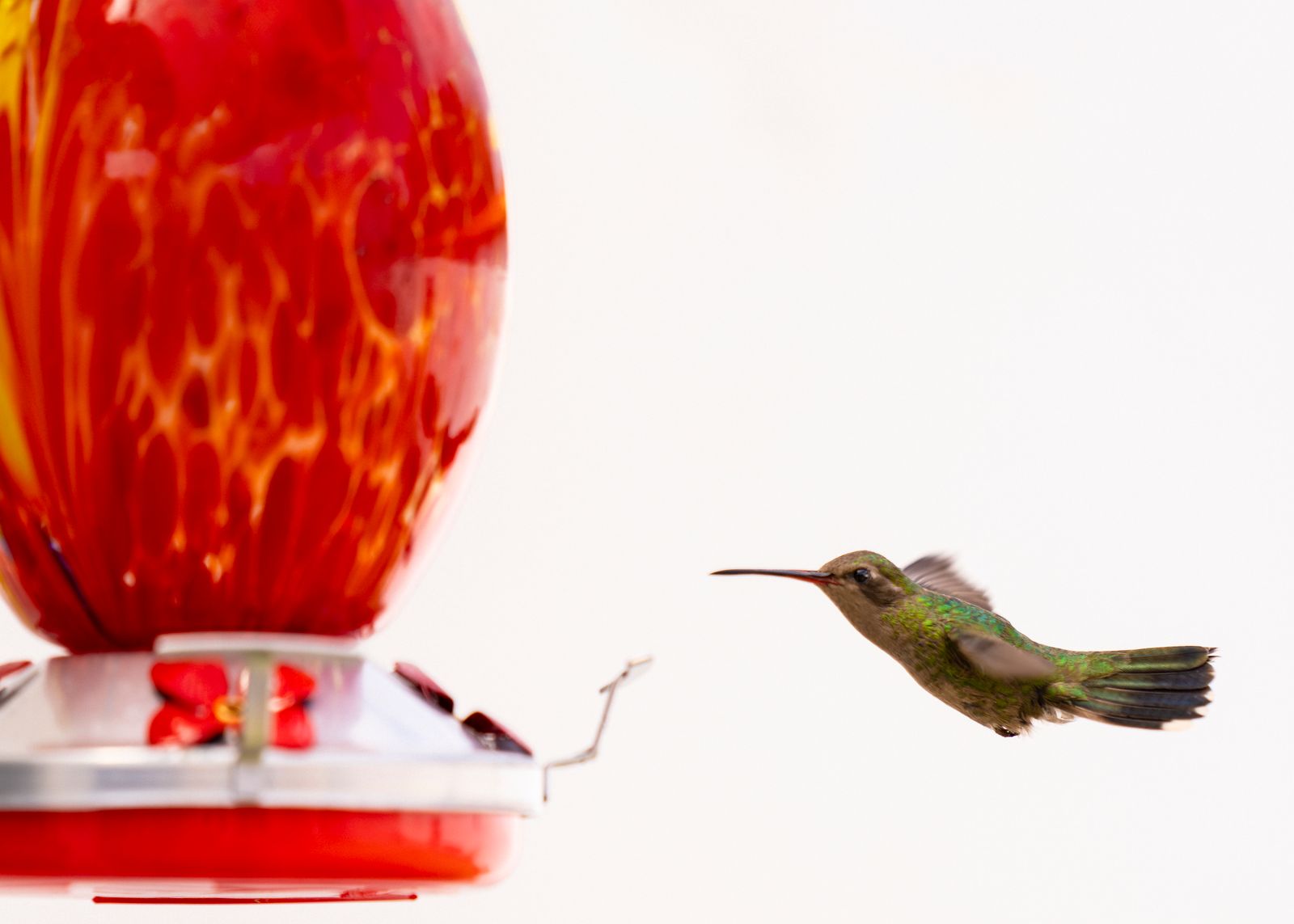
How Often to Clean Your Solar Glass Hummingbird Feeder in Peak Summer Heat
Should you clean your hummingbird feeder every single day or every few days during summer heatwaves? If daily temperatures exceed 90°F (32°C), you must empty, rinse, and refill your feeder every 24 to 48 hours max. Between 80°F and 89°F, clean it every 2 days. In moderate weather between 70°F and 79°F, clean it every 3 days. Above 95°F, daily refills are mandatory to prevent toxic black mold (Candida reukaufii) and rapid sugar fermentation from harming your visiting hummers.
Essential Summer Feeder Sanitization Checklist
- [ ] Unplug and unhook the feeder during cooler morning or evening hours to avoid thermal shock.
- [ ] Carefully unscrew and lift off the top solar light assembly.
- [ ] Wipe the solar cap lens and rubber weather gasket with a damp microfiber cloth (NEVER submerge the solar cap).
- [ ] Discard all leftover, unconsumed sugar water down the drain—never top off old nectar.
- [ ] Separate the hand-blown glass bottle from the rust-proof metal base and silicone gaskets.
- [ ] Flush the glass bottle with warm (not hot or boiling) tap water.
- [ ] Fill the glass reservoir with 1 part distilled white vinegar and 4 parts warm water.
- [ ] Add 2 tablespoons of uncooked white rice to the vinegar solution and swirl vigorously to scrub internal glass curves.
- [ ] Scrub feeding ports and flower perches on the metal base using a soft port brush.
- [ ] Rinse all glass and metal parts thoroughly with clean water until zero vinegar aroma remains.
- [ ] Allow components to air-dry completely before refilling with fresh, cooled 4:1 sugar water.
Printable Summer Feeder Care Quick-Reference Card
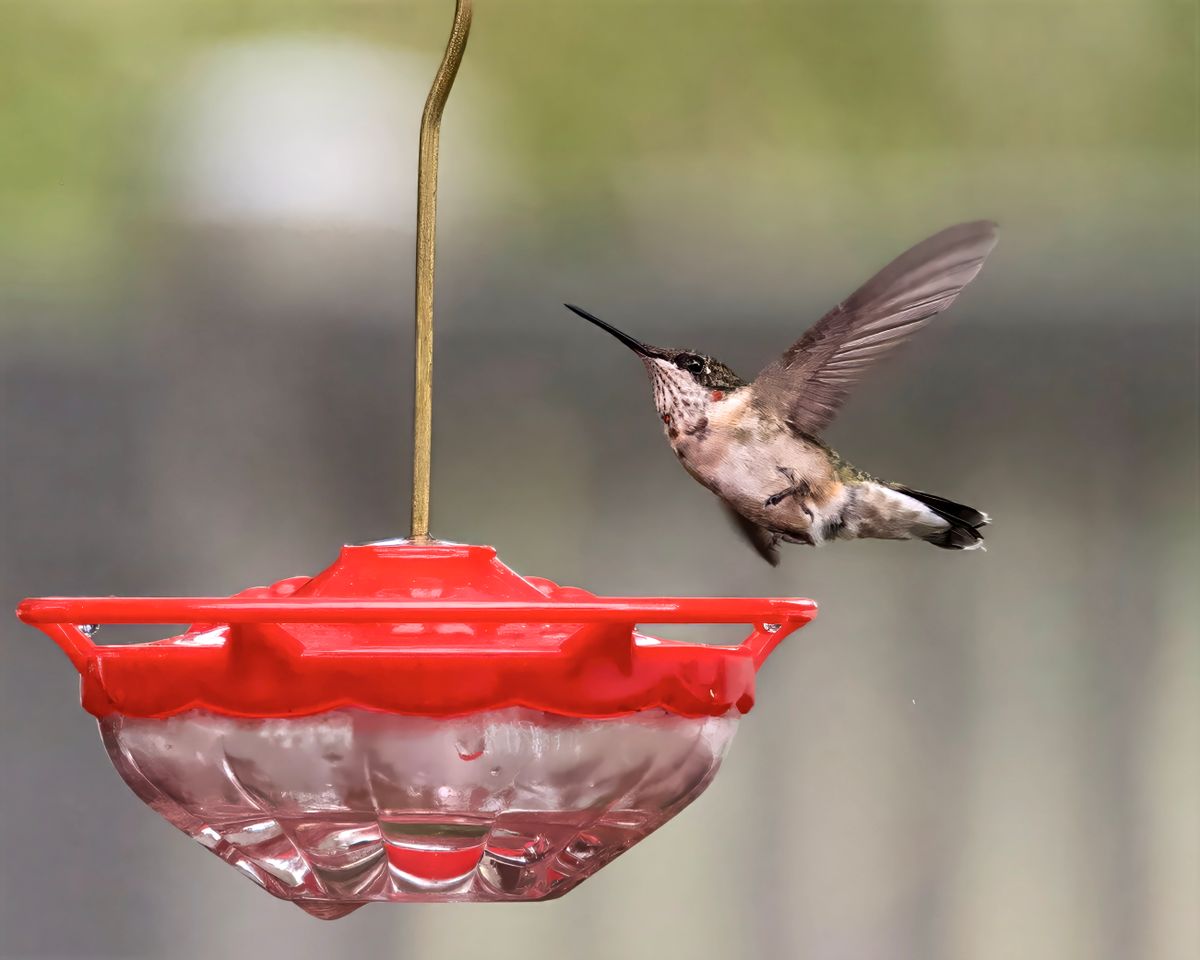
Photo by A. G. Rosales on Pexels
- TEMP THRESHOLDS: 90°F+ = Daily to 48 hrs max | 80–89°F = Every 2 days | 70–79°F = Every 3 days.
- SOLAR SAFETY: Dry/damp wipe top cap only. Never soak electrical seals or battery housings.
- GLASS CARE: Clean handcrafted glass with warm water, white vinegar, and uncooked rice. Avoid boiling water.
- NECTAR RATIO: 4 parts water to 1 part plain white refined sugar. Boil water, dissolve sugar, cool completely.
- SHADE HACK: Position under tree branches so the lower bottle is shaded while the solar collector catches light.
Pro Tip: Preventing Thermal Shock & Protecting Solar Electronics
Handcrafted, hand-blown glass reservoirs—like those shaped at 2,300°F by master artisans—are remarkably durable against ambient weather, but they remain susceptible to thermal shock. Rinsing a glass bottle that has been baked in 95°F afternoon sun with ice-cold hose water, or pouring boiling water into a room-temperature bottle, creates micro-fractures along its artistic curves. Always allow your glass feeder to reach room temperature before washing, and stick strictly to warm water.
Additionally, protect your feeder's solar engine: while quality solar caps are rated to shield against rain and snow, dipping the electronic cap under standing water will short out the RGB light module. Treat the solar lid like a fine camera lens—wipe it clean with a damp cloth to keep the glass collector free of dust and pollen while keeping its internal seals dry.
Troubleshooting Nectar Spoiling, Mold, and Feeder Failure Modes
| Observed Failure Scenario | Primary Root Cause | Immediate Corrective Action | Long-Term Prevention Strategy |
| --- | --- | --- | --- |
| Black specks or velvet-like spots appearing inside glass curves. | Candida reukaufii black mold spore outbreak due to heat and unconsumed sugar. | Soak bottle in 1:4 white vinegar solution with 2 tbsp uncooked white rice; swirl vigorously to mechanically abrade mold. | Increase cleaning frequency to every 24–48 hours; place lower glass reservoir in partial shade. |
| Nectar appears milky, cloudy, or stringy with a sour smell. | Rapid bacterial and yeast fermentation triggered by 85°F+ sun exposure. | Dump nectar immediately, sanitize all parts with vinegar, and rinse thoroughly. | Reduce nectar batch volume to 8–12 oz (only fill what hummers drink in 24–48 hours). |
| Nectar slowly dripping from metal feeding ports onto ground. | Thermal expansion of trapped air inside the upper reservoir pushing nectar out. | Ensure feeder is filled to 80%+ capacity; inspect silicone ring in base for a tight seal. | Hang feeder where it avoids direct 12 PM–3 PM overhead summer sun exposure. |
| Solar LED light stays dim or fails to illuminate at dusk. | Dust/pollen build-up on solar lens or battery under-charged due to heavy shade. | Wipe top solar collector panel clean with a microfiber cloth; ensure cap gets 4–6 hours of direct sun angle. | Angle feeder hook so top panel receives overhead sky sunlight while tree leaves shade the bottle. |
When high summer temperatures hit, several critical failure modes can threaten hummingbird health or diminish your feeder's performance. Use these diagnostic scenarios to isolate and fix problems fast.
Immediate Action Plan for Safe Summer Bird Care
Your decision: Check your local 5-day weather forecast to establish your active summer cleaning interval.
Do this next: Inspect your glass reservoir for any cloudiness, scrub the metal port openings with a small brush, and wipe the solar charging cap with a damp cloth.
- Read next: Hot Weather Nectar Ratios: How to Keep Hummingbird Food Fresh in Summer
- Read next: Twilight Nectar Care FAQ: Does Nighttime Solar Light Affect Nectar Freshness?
Explore LUJII Hand-Blown Glass Solar Hummingbird Feeders featuring rust-proof metal bases, RGB ambient lighting, and easy wide-mouth cleaning access.
Take these quick operational steps today to ensure your backyard hummingbird sanctuary remains safe, clean, and vibrant through the summer heatwave.
Key Takeaways for Mid-Summer Feeder Hygiene
Remember these essential guidelines to keep your hummingbirds healthy and your decorative solar feeder performing flawlessly:
Temperature vs. Summer Cleaning Frequency Matrix
- Under 70°F (21°C) — Mild Spring / Late Autumn — Clean every 5 to 7 days. Inspect nectar visually for clarity.
- 70°F to 79°F (21°C–26°C) — Warm Summer Days — Clean every 3 days. Dump remaining nectar and rinse with warm water.
- 80°F to 89°F (27°C–31°C) — Moderate Summer Heat — Clean every 2 days (48 hours). Perform white vinegar swirl wash.
- 90°F to 95°F (32°C–35°C) — High Summer Heatwave — Clean every 24 to 36 hours max. Fill reservoir only half full to minimize wasted sugar.
- Over 95°F (35°C+) — Extreme Desert / Peak Heat — Clean daily (every 24 hours). Rinse glass bottle and metal base every morning with fresh cool nectar refills.
5 Deadly Mistakes to Avoid During Summer Feeder Care
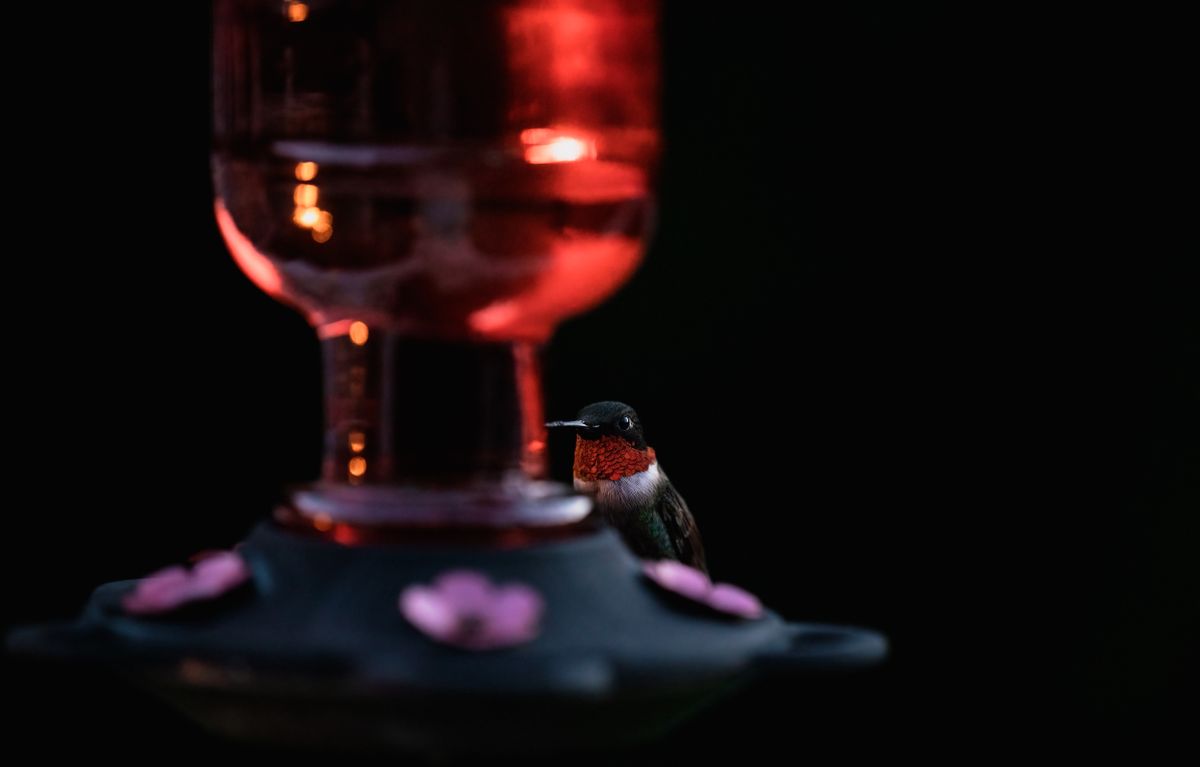
Avoid these common errors that cause harm to visiting hummingbirds or ruin artistic glass and solar light fixtures:
Daily and Weekly Summer Maintenance Schedule
- Every Morning (7:00 AM - 9:00 AM) — Visual inspection: check nectar level, verify clarity, and ensure no ant bridges or wasp swarms have invaded the perches.
- Every 24 to 48 Hours (During 85°F+ Heat) — Perform quick-flush: dump unconsumed sugar water, rinse glass bottle with warm water, wipe solar cap lens dry, and refill with fresh 4:1 nectar.
- Every 14 Days (Bi-Weekly Deep Clean) — Complete disassembly: perform a 15-minute white vinegar and uncooked rice scrub inside the glass reservoir, brush metal feeding ports, inspect silicone gaskets, and check solar LED seals.
To expand your knowledge on maintaining a safe backyard haven, explore essential topics such as hot weather nectar ratios, autumn feeder transition strategies, and defensive insect guard setups. Keeping up with weather changes keeps your feathered visitors returning year after year.
Frequently Asked Questions About Summer Feeder Care
Clear up common doubts regarding vinegar sanitizing ratios, thermal glass safety, and solar lighting mechanics.
Handcrafted Solar Feeders Built for Easy Summer Cleaning
Upgrade your garden sanctuary with hand-blown glass solar hummingbird feeders engineered for effortless disassembly and long-lasting durability.
Your Next Steps for Garden Success
Your decision: Match your feeder cleaning schedule to this week's temperature forecast.
Do this next: Flush remaining nectar, wipe down your solar light collector, wash the glass reservoir with warm white vinegar water, and refill with a fresh batch of 4:1 boiled sugar nectar.
- Read next: Seasonal Hummingbird Care: Spring Arrival Through Autumn Migration
Check out the LUJII Solar Hummingbird Feeder Collection to add hand-blown glass artwork and soothing ambient night light to your patio.
Ready to transform your garden into a hummingbird paradise while keeping your feathered friends completely safe? Follow these final recommendations.