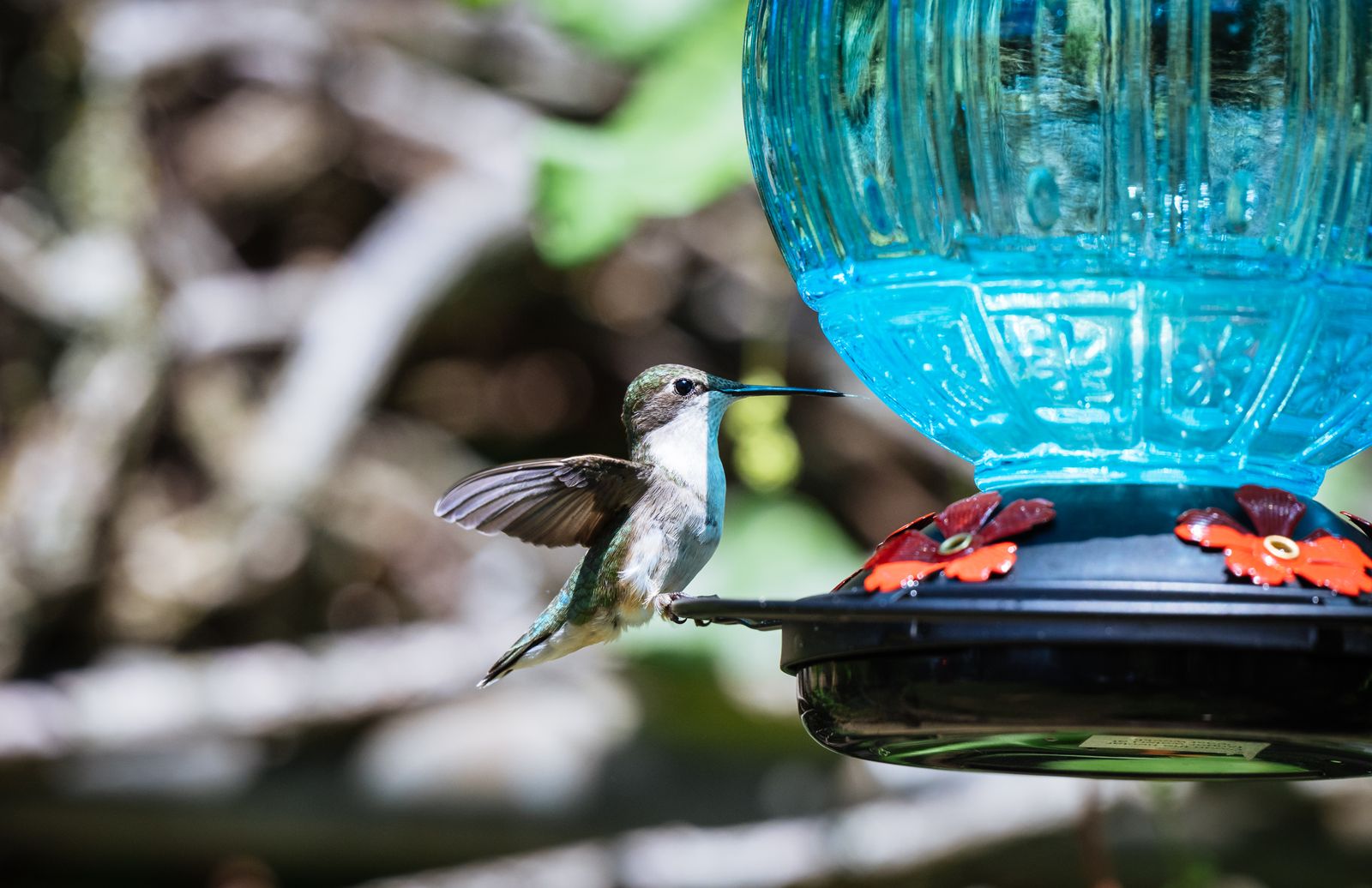
Hand-Blown vs. Machine-Molded Glass Hummingbird Feeders: Durability & Care Guide
Hand-blown glass hummingbird feeders offer superior outdoor durability, thermal buffering, and visual elegance over machine-molded glass alternatives. Handcrafted at 2,300°F and stress-annealed, hand-blown glass features thick, seamless walls without vulnerable mold lines, providing higher thermal shock resistance, rich color longevity, and stunning solar RGB light refraction for your garden.
Material & Performance Comparison Matrix
| Evaluation Criteria | Hand-Blown Artisan Glass | Machine-Molded Glass |
| --- | --- | --- |
| Manufacturing Temperature | Handcrafted at 2,300°F with controlled kiln annealing | Automated machine-pressed at lower melting temperatures |
| Structural Weak Points | Seamless continuous curvature with no mold seams | Vertical pressed seams that create inherent stress lines |
| Wall Thickness & Thermal Mass | Thick, organic wall variations (3mm–5mm) buffering nectar temp | Thin, rigid uniform walls (1.5mm–2.5mm) sensitive to heat spikes |
| Solar Light Refraction | Translucent embedded pigment refracts RGB LEDs into swirl patterns | Flat or plain surface passes light directly with minimal swirl effect |
| Color Longevity | 100% melt-infused glass color; cannot fade, peel, or scratch | Often surface-painted or coated; prone to UV fading over time |
| Thermal Shock Tolerance | High tolerance when tempered; handles up to 40°F ΔT safely | Moderate tolerance; vulnerable to cracking along seam stress points |
| Wind Stability & Weight | Heavier thermal mass anchors feeder in moderate winds | Lighter weight structure swings easily in summer breezes |
This criteria-based matrix contrasts the structural integrity, light diffusion, and thermal traits of handcrafted hand-blown glass against automated machine-molded glass feeders.
Structural Analysis: Seamless Curve vs. Pressed Seams
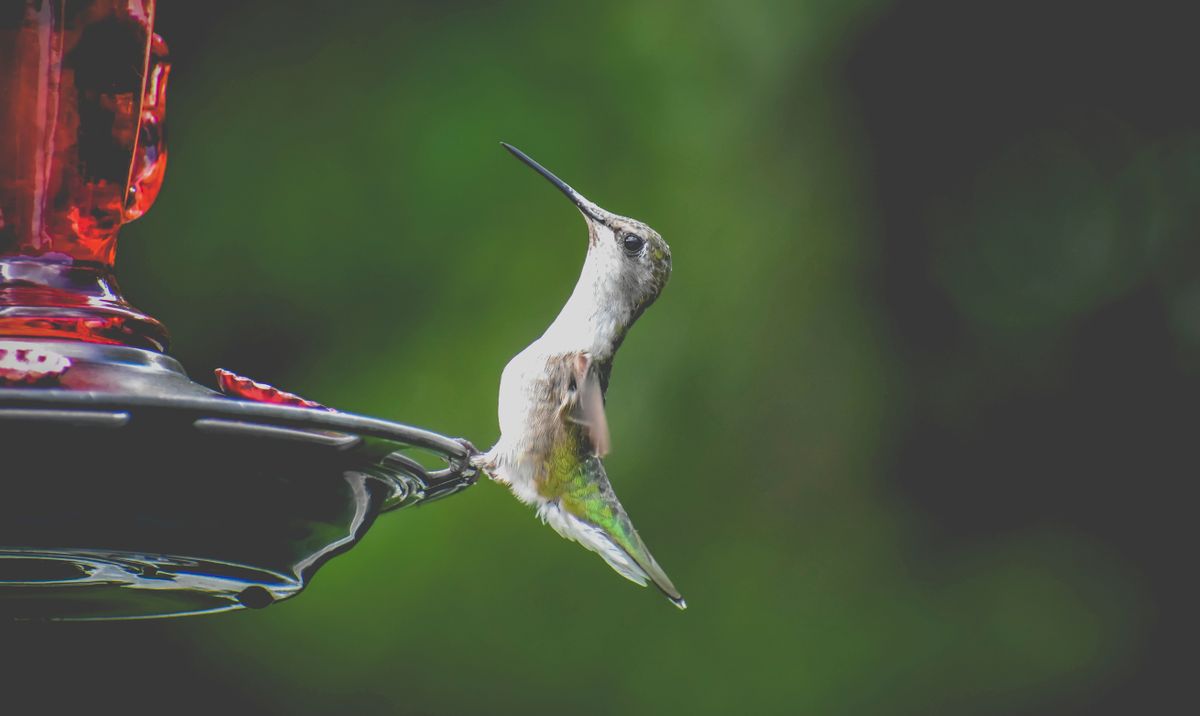
Understanding where glass feeders fail under temperature stress requires looking at their molecular structure and cross-sectional seams.
Pros & Cons Breakdown: Handcrafted vs. Industrial Glass
Pros
- Unique, one-of-a-kind art piece crafted at 2,300°F
- Seamless wall construction eliminates structural seam fractures
- Thicker glass buffers nectar against rapid summer temperature swings
- Embedded minerals create vibrant translucent colors that never peel or fade
- Reflects and refracts solar RGB night lighting into mesmerising garden glows
- Slightly heavier weight requires a sturdy shepherd's hook or tree branch
- Higher initial investment compared to mass-produced utility glass
- Requires careful hand-washing without rapid thermal shocks
Editor's Choice: The Hand-Blown Solar Advantage
For garden enthusiasts seeking the ultimate combination of artisan craftsmanship, heavy-wall durability, and enchanted twilight illumination, handcrafted solar glass feeders stand in a class of their own.
Key Highlights:
- Hand-Blown Glass Reservoir: Melted at 2,300°F with organic color swirls that allow easy nectar monitoring.
- Built-In Solar RGB Module: Automatically illuminates at dusk for up to 8 hours with rotating color modes.
- 32 fl. oz. Capacity & Anti-Rust Base: Sealed leak-proof gasket attached to a powder-coated metal base to prevent drips and deter pests.
Pro Glass-Care Tip: Preventing Thermal Shock Damage
Glass expands and contracts when exposed to temperature shifts. To prevent micro-fractures, never submerge a cold glass feeder directly into hot tap water. Maintain a temperature differential (ΔT) of no more than 40°F between ambient room temperature and your wash water. Allow your feeder to acclimate indoors for 20 minutes before cleaning with lukewarm water.
Decision Flowchart: Which Glass Feeder Fits Your Garden?
- Is your primary goal garden decor and night illumination, or basic low-cost feeding? → Yes: Proceed to Aesthetic & Lighting Evaluation. No: Machine-Molded Glass Feeder fits low-cost utility requirements.
- Do you want night lighting with dynamic solar RGB reflections through colored glass? → Yes: Choose Hand-Blown Solar Glass Feeder for rich light diffusion.. No: Standard Clear Glass Feeder provides clear utility viewing.
- Does your region experience high winds or intense summer thermal spikes? → Yes: Hand-Blown Glass offers superior thermal buffering mass and wind weight.. No: Either glass style works well in mild shelter conditions.
Frequently Asked Questions About Glass Feeders
Get expert answers to common questions about glass durability, solar light transmission, and winterizing your feeder.
Key Takeaways: Glass Science & Outdoor Performance
- Annealing Matters: Hand-blown glass is slowly cooled in annealing kilns to relieve internal molecular stress, making it remarkably tough.
- Seams are Weak Points: Machine-pressed glass relies on two-part molds that leave microscopic seam lines prone to thermal stress cracks.
- Melt-Infused Pigments: True hand-blown glass incorporates colored minerals directly into the 2,300°F liquid melt, ensuring the color never fades under intense direct sunlight.
- Solar Diffusion Magic: Irregularities and curves in artisan glass act as natural lenses, turning a single solar LED into a multi-directional light show across your patio.
Pre-Purchase & Seasonal Care Checklist
Follow this 8-point checklist to maintain maximum structural life and nectar freshness for your feeder.
Seasonal Glass Care & Inspection Schedule
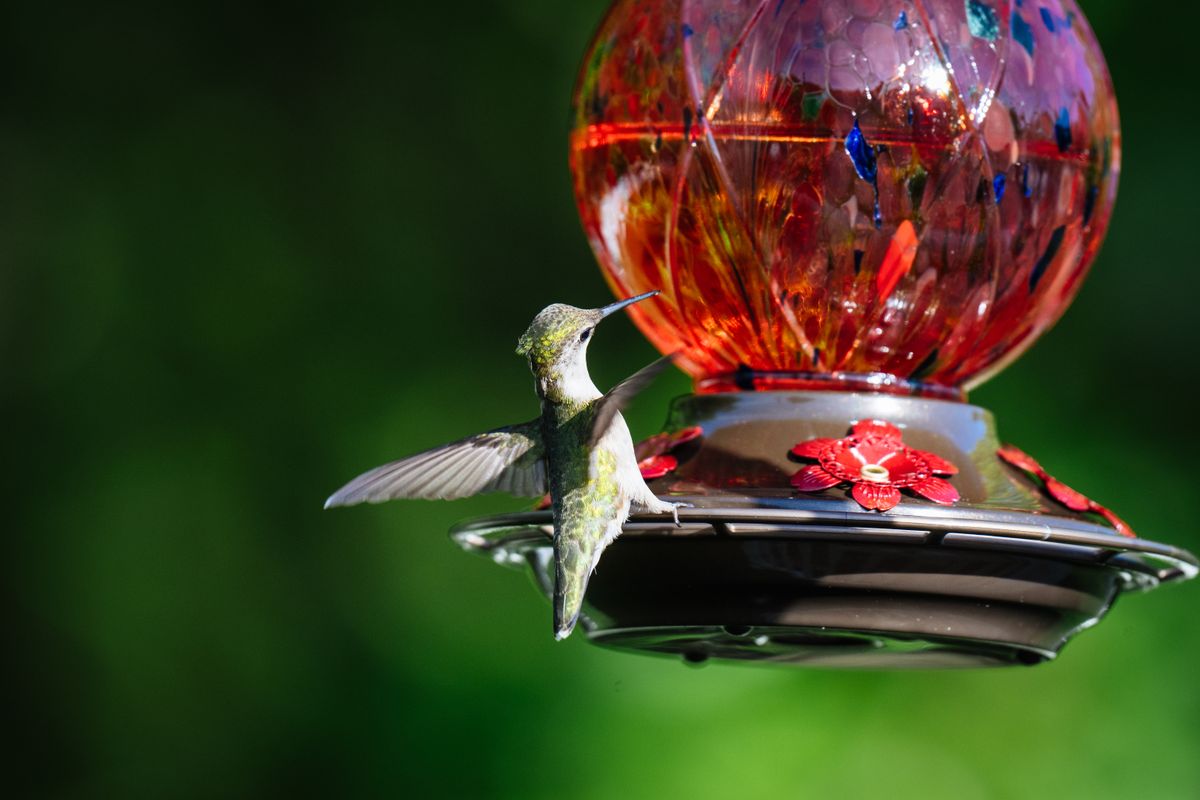
- Spring Arrival — Inspect glass for winter storage cracks, flush with warm water, and verify the rubber gasket seals flush against the anti-rust metal base.
- Summer Peak (Every 3–5 Days) — Clean reservoir with lukewarm water and a soft brush. Keep wash water within 40°F of ambient shade temp. Wipe top solar cap clear of dust and pollen.
- Autumn Freeze Warnings — Bring glass reservoirs indoors before overnight temperatures drop below 32°F. Liquid nectar expands by 9% when freezing and can crack any glass vessel.
- Winter Storage — Store clean, dry feeder in a padded storage box at room temperature. Charge the solar lid periodically under direct sunlight to maintain battery health.
Buying Guidance: Best Options by Scenario
Hand-blown glass offers unmatched visual uniqueness, thicker variable walls that buffer ambient temperatures, and beautiful solar light diffusion, making it the ideal choice for garden aesthetics and long-term enjoyment. Machine-molded glass offers low initial cost and uniform weight but suffers from visible seam stress points and standardized aesthetics.
Best choice for
- Hand-Blown Glass Solar Feeder — Handcrafted translucent color patterns diffuse RGB solar light into stunning garden displays while providing robust 32 oz capacity.
- Machine-Molded Clear Glass Feeder — Offers low upfront cost with basic nectar visibility, despite visible mold seams and lower decorative appeal.
- You plan to wash glass vessels directly in boiling water without gradual tempering (risks thermal shock on all glass styles).
- You leave feeders filled with water outdoors during deep hard winter freezes.
- Polycarbonate Plastic Feeders — Shatterproof option for high-impact zones, though prone to UV clouding, scratching, and lighter weight stability issues.
Real-World Garden Scenarios: High Wind & Hot Sun
Blazing July Afternoon Heat (95°F+ in direct sun) — Hand-blown glass features 3mm to 5mm thick walls that slow heat transfer to the internal nectar. Thin machine-molded glass heats up quickly, causing nectar to ferment faster and expand, which can force leaks through feeding ports.
Sudden Gusty Thunderstorm Winds — The heavy thermal weight of a filled 32 oz hand-blown feeder anchors the unit against excessive sway. Combined with a solid metal base and rubber seal gasket, it minimizes nectar spills that attract ants and wasps.
Accidental Tap Against a Metal Shepherd's Hook — Continuous annealed hand-blown glass distributes point-impact vibrations evenly across its smooth curves. Machine-molded glass can split along its vertical mold seam if bumped hard at that exact structural seam line.
Here is how different glass construction styles hold up under real outdoor conditions.
To appreciate why hand-blown glass performs so brilliantly in outdoor settings, it helps to understand the physics of glassblowing. When molten glass is shaped at 2,300°F, glass artisans blow air into the molten gather, expanding the vessel into fluid, organic curves. Once shaped, the piece undergoes a crucial process called annealing—slow, controlled cooling inside a temperature-regulated kiln over many hours. This gradual cooling relieves internal stress caused by uneven contraction.
In contrast, machine-molded glass is rapidly stamped or blown into rigid multi-piece iron molds. This mass-production process creates two distinct vertical seam lines where the mold halves meet. Microscopic stress concentrations gather along these seams. Under sudden temperature swings or physical vibration, the seam acts as a natural fracture path.
The Magic of Solar Light Refraction
Beyond durability, hand-blown glass serves as an active visual lens for twilight garden lighting. Because the wall thickness of artisan glass varies organically between 3mm and 5mm, and because colored mineral swirls are embedded throughout the glass body, light does not simply pass straight through.
When the top-mounted solar cap activates its RGB LED light at dusk, the light beams travel downward into the hand-blown reservoir. The translucent color swirls bend, refract, and scatter the spectrum. Instead of a flat bulb glow, your garden is wrapped in dynamic, shimmering ripples of jewel-toned light that illuminate nearby foliage for up to 8 hours.
Featured Craftsmanship: LUJII Hand-Blown Solar Hummingbird Feeder
Elevate your backyard sanctuary with handcrafted art that feeds hummingbirds by day and glows with magical solar light by night.
Next Steps for Your Selection
Your decision: Choose hand-blown glass for unmatched aesthetic beauty, thermal mass, and solar light diffusion; choose molded glass only for low-cost utility.
Do this next: Select a handcrafted 32 oz hand-blown solar feeder with a rust-proof metal base to elevate your garden decor and ensure long-term durability.
- Read next: Hummingbird Feeder Gasket and O-Ring Maintenance: FAQs for a Drip-Free Garden
- Read next: How to Clean and Maintain Your Hand-Blown Solar Hummingbird Feeder
LUJII Solar-Powered Hand-Blown Glass Hummingbird Feeder (32 oz, RGB Solar Lights, Anti-Rust Base)
Ready to transform your garden into a hummingbird haven?