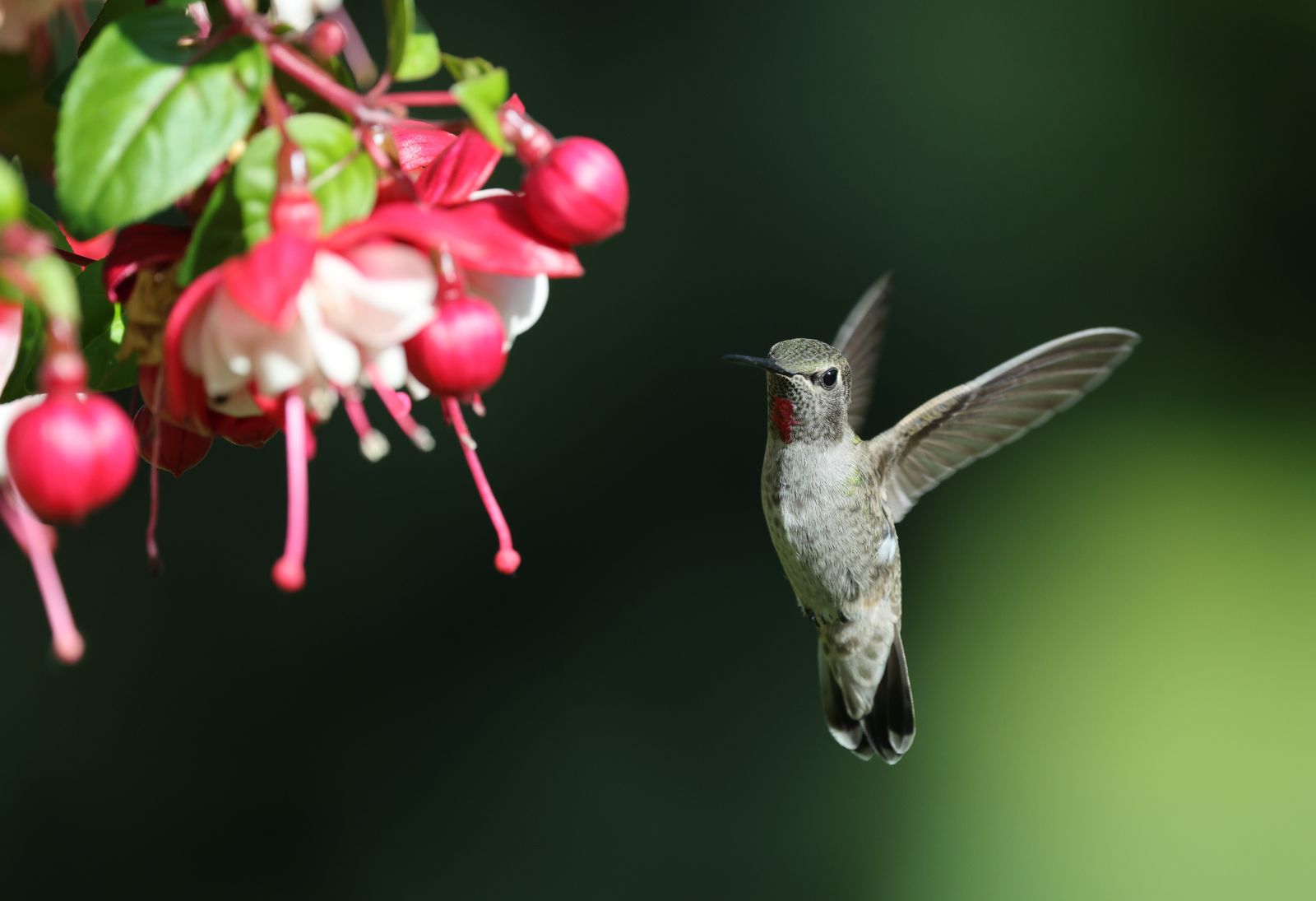
Hand-Blown Glass Hummingbird Feeders for Garden Pathways: The Ultimate Buying & Placement Guide
Contrary to the myth that glass feeders are too fragile or drippy for walkways, 2,300°F hand-blown glass feeders with sealed anti-rust metal bases provide high durability and leak-free performance. Choose a 32 oz translucent glass solar feeder hung 5–6 feet high, spaced 8–10 feet apart along paths for vibrant daytime feeding and 8 hours of evening light.
Pathway Buyer's Decision Framework: Best Match for Your Walkway
When selecting hand-blown glass hummingbird feeders for garden pathways, prioritize 2,300°F thick-walled glass with sealed leak-proof bases and IP65-rated solar caps to withstand outdoor elements while offering 8-hour ambient evening lighting.
Best choice for
- 32 oz 2,300°F Hand-Blown Glass with Sealed Metal Base — Thick artisan glass withstands accidental bumps, while sealed silicone base gaskets prevent sticky sugar water drips on stone paving.
- Top-Cap Solar RGB Illuminated Glass Feeder — Translucent patterns allow easy nectar monitoring during daylight, and top-mounted solar RGB caps cast gentle downlight along walkways for up to 8 hours.
- You live in sub-zero winter regions and intend to leave liquid nectar in glass feeders outdoors during hard freezes.
- You plan to mount feeders directly over narrow, high-speed walking paths below 5 feet height where head collisions are likely.
- Lightweight Plastic Feeders — Lower initial cost, but prone to UV clouding, wind-blown tilting, cracking within 1-2 seasons, and lacking aesthetic artisan night glow.
Top-Rated Solar Hand-Blown Glass Feeder Selection
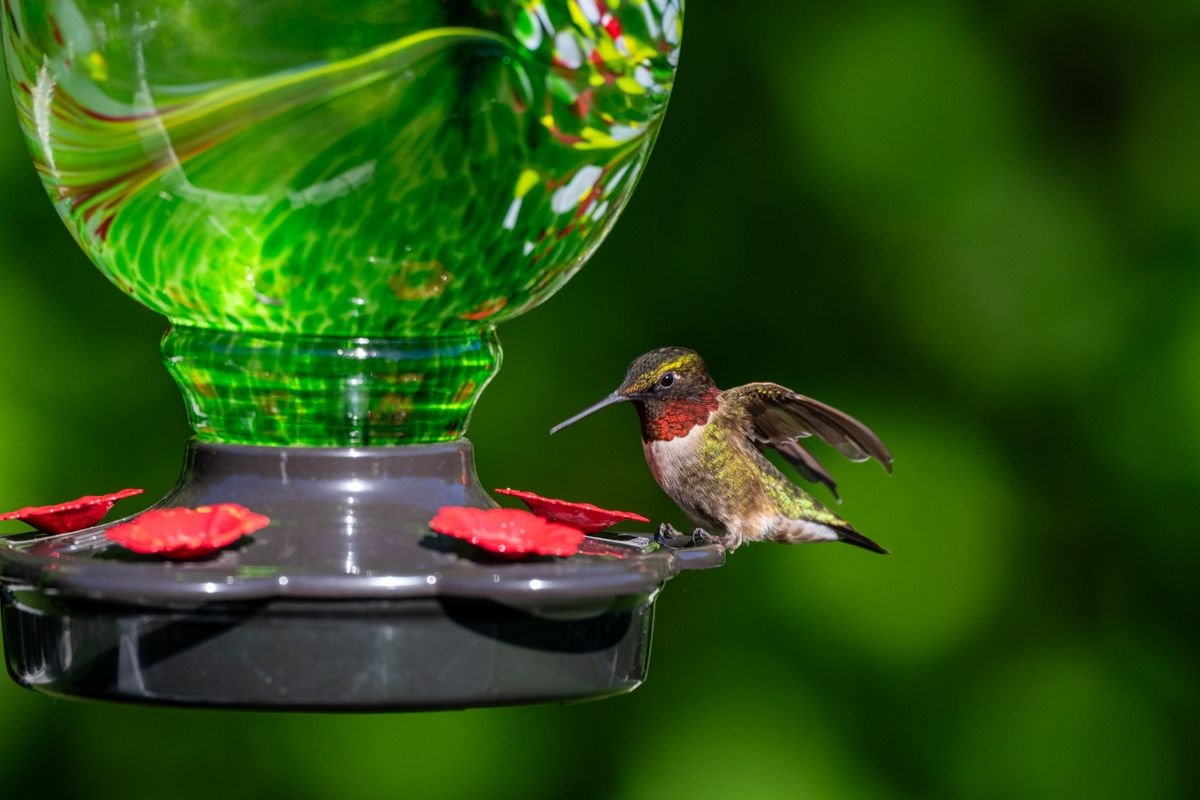
For garden enthusiasts seeking the ultimate blend of heritage craft and modern solar efficiency, handcrafted artisan glass represents the peak of outdoor decor. The LUJII Solar-Powered Hand-Blown Glass Hummingbird Feeder is specifically engineered to solve the traditional headaches of pathway feeders—leaks, rust, and short battery runtimes.
Feeder Performance Comparison Across Garden Pathway Scenarios
| Pathway Scenario | Recommended Feeder Type | Durability & Thermal Strength | Leak Protection Level | Nighttime Ambient Value |
| --- | --- | --- | --- | --- |
| Flagstone Walkway (High Foot Traffic) | 2,300°F Hand-Blown Solar Glass | High (Thick hand-shaped glass wall resists minor bumps) | Excellent (Silicone base seal prevents masonry stains) | High (RGB light casts 8-hr soft ambient glow) |
| Shaded Woodland Gravel Path | Machine-Molded Thin Glass | Moderate (Uniform thin walls vulnerable to impact) | Fair (Screw-threaded metal caps tend to weep nectar) | None (Lacks integrated solar illumination) |
| Flowerbed Garden Border | Lightweight Molded Plastic | Low (UV yellowing and cracking within 12 months) | Poor (Lightweight body tilts easily in moderate wind) | None (No nocturnal light features) |
Compare how handcrafted high-temperature solar glass holds up against mass-produced alternatives under real-world walkway conditions.
Pro Tip: Protecting Pathway Stone & Gravel from Sticky Drips
Position your shepherd's hooks 2 to 3 feet offset from flagstone or gravel path edges, at a height of 5 to 6 feet. This preserves clear walking clearance for family and guests while ensuring that any unexpected wind-driven tilt drips harmlessly onto garden mulch or groundcover plant beds rather than porous paver stones.
Pathway Glass Feeder Selection Decision Tree
- Does your garden pathway receive at least 6 hours of direct daily sunlight? → Yes: Select a Solar-Powered Hand-Blown Glass Feeder with RGB top cap for 8 hours of automatic evening lighting.. No: Choose a high-transparency hand-blown glass feeder without solar caps, positioned near solar garden stakes.
- Is your walkway bordered by hard pavers, flagstone, or concrete? → Yes: Ensure the feeder features a silicone gasket base seal and anti-rust metal coating, offset 2-3 feet from stone edges.. No: Standard shepherd hook stakes placed in soft soil borders provide ideal stability and natural drip protection.
- Do winter temperatures in your area fall below 32°F (0°C)? → Yes: Enjoy your glass solar feeder throughout spring, summer, and autumn; bring glass indoors before hard winter freezes.. No: Maintain your hand-blown glass feeder outdoors year-round with routine liquid nectar cleanings.
Pros & Cons of Solar Hand-Blown Glass Feeders on Walkways
Pros
- Hand-crafted at 2,300°F—each translucent glass reservoir features unique swirl patterns passed down through generations of glass artists.
- Generous 32 fl. oz capacity minimizes refill frequency while maintaining a slender, wind-resistant vertical silhouette.
- Integrated solar panel automatically recharges during the day to deliver up to 8 hours of colorful RGB twilight illumination.
- Sealed, leak-proof metal base coated in anti-rust protection safeguards pathway stone from sticky nectar drips.
- Translucent colored glass allows instant visual checks of nectar levels without opening the reservoir.
- Substantially heavier than thin plastic feeders, requiring a sturdy, heavy-duty shepherd's hook or post mount.
- Expanding ice will crack glass vessels; must be brought indoors during severe sub-zero winter freezes.
Editor's Recommendation: The Complete Pathway Sanctuary Setup
If you want to elevate your outdoor walkway with vibrant colors by day and enchanting RGB light by night, the 🌟 LUJII Solar-Powered Hand-Blown Glass Hummingbird Feeder 🌟 is our top recommendation.
Crafted at 2,300 degrees Fahrenheit by skilled glass artists, its thick-walled 32 fl. oz reservoir combines heirloom craftsmanship with modern leak-proof engineering. The anti-rust coated metal base and tight silicone gasket keep your flagstone walkways pristine, while the waterproof solar cap provides up to 8 hours of ambient evening glow.
Your Next Steps for Crafting an Illuminated Pathway Sanctuary
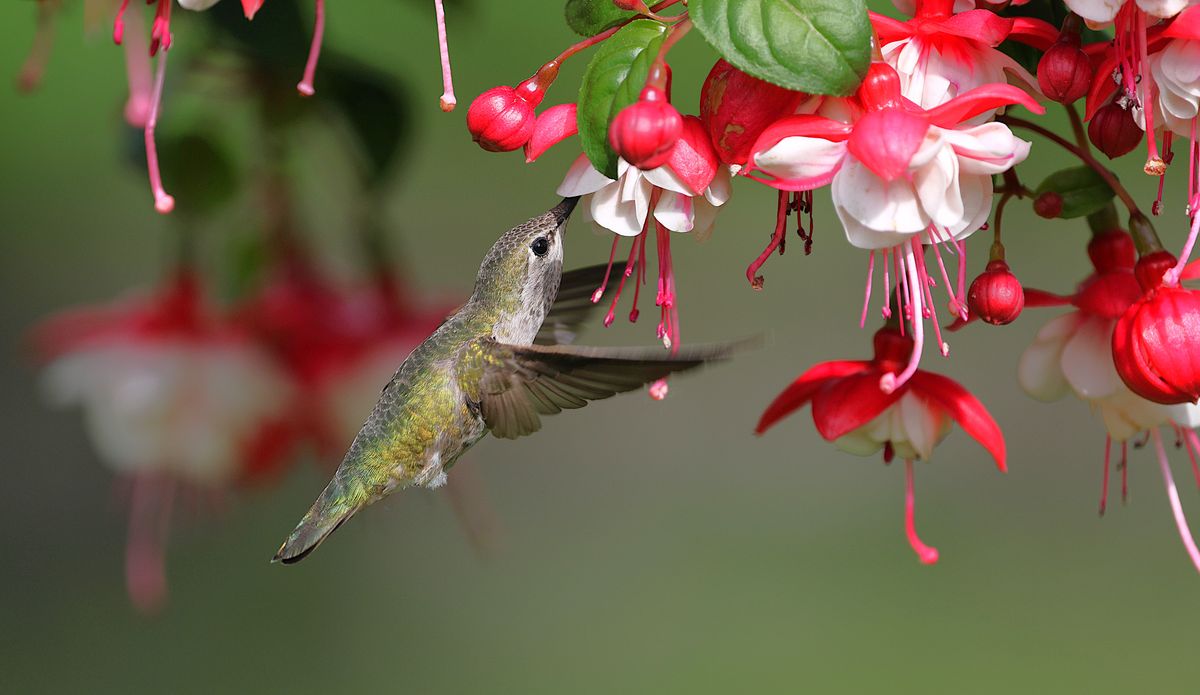
Photo by Veronika Andrews on Pexels
Your decision: Select a 32 oz handcrafted 2,300°F hand-blown glass solar feeder featuring an anti-rust metal base and leak-proof gasket seal for your garden walkway.
Do this next: Measure your pathway length, select hanging posts that position feeders 5–6 feet high with a 2-foot offset from flagstone, and order your solar hand-blown feeder.
- Read next: How to Hang Your Solar Hummingbird Feeder to Block Ants and Crawling Insects
- Read next: Creating an Enchanted Summer Twilight: How to Style Solar Accents & RGB Feeder Lights
🌟 LUJII Solar-Powered Hand-Blown Glass Hummingbird Feeder (32 fl. oz, RGB Lighting, Leak-Proof Base) - https://solarhummingbirdfeeder.com
Ready to bring hummingbirds to your walkway and light up your summer evenings? Follow these immediate action items to get started.
Key Takeaways: What to Look For in Pathway Glass Feeders
- Verify high-temperature hand-blown glass (crafted around 2,300°F) for maximum wall density and shatter resistance.
- Insist on a silicone-sealed gasket base and anti-rust metal housing to prevent nectar leaks onto pathway stones.
- Choose a 32 fl. oz capacity to balance fuel supply for busy migration seasons with a slender, wind-stable shape.
- Confirm an IP65 waterproof solar cap rating to shield top-mounted LED battery electronics from rain and snow.
- Hang feeders 5 to 6 feet high and 2 to 3 feet offset from walking paths for safe clearance and optimal bird viewing.
Technical Specification Matrix: Hand-Blown Glass vs. Pathway Demands
| Technical Feature | LUJII Hand-Blown Solar Feeder Spec | Pathway Performance Benefit |
| --- | --- | --- |
| Glass Crafting Temperature | 2,300°F (Hand-Mouth Blown) | Creates thick, durable wall geometry that resists wind vibration and minor impacts. |
| Nectar Capacity | 32 fl. oz (946 ml) | Slender vertical profile reduces wind surface area while offering multi-day food supply. |
| Solar Lighting & Runtime | Integrated Top Cap / 8 Hours Max | Recharges in direct sun; automatically projects downward RGB ambient glow onto foliage after dusk. |
| Base Engineering | Anti-Rust Coated Metal + Silicone Seal | Prevents rust stains on pavers and stops sugar water drips from attracting ground pests. |
| Weather Protection | Waterproof Plastic Solar Shield | Protects internal lithium battery and solar connections against rain, sleet, and summer heat. |
Review the detailed technical specifications that allow artisan glass feeders to perform flawlessly along outdoor walkways.
Common Pathway Placement Mistakes (and How to Fix Them)
Avoid these three frequent setup errors to keep your garden path safe, clean, and bird-friendly:
Explore Related Guides in the Whimsical Sanctuary Series
Deepen your knowledge of hummingbird care and garden styling with these helpful recommendations:
- How to Hang Your Solar Hummingbird Feeder to Block Ants and Crawling Insects — Simple, natural pest prevention methods for outdoor feeders.
- Creating an Enchanted Summer Twilight: How to Style Solar Accents & RGB Feeder Lights — Design tips for combining ambient solar lighting with outdoor plant borders.
- The Art of 2,300°F Glassblowing: How Heritage Craftsmanship Shapes Unique Garden Decor — An inside look at mouth-blown glass techniques.
Frequently Asked Questions About Pathway Glass Hummingbird Feeders
Answers to common questions regarding hanging height, nighttime solar lights, pathway cleaning, and winter care.
Cover photo by Veronika Andrews on Pexels.