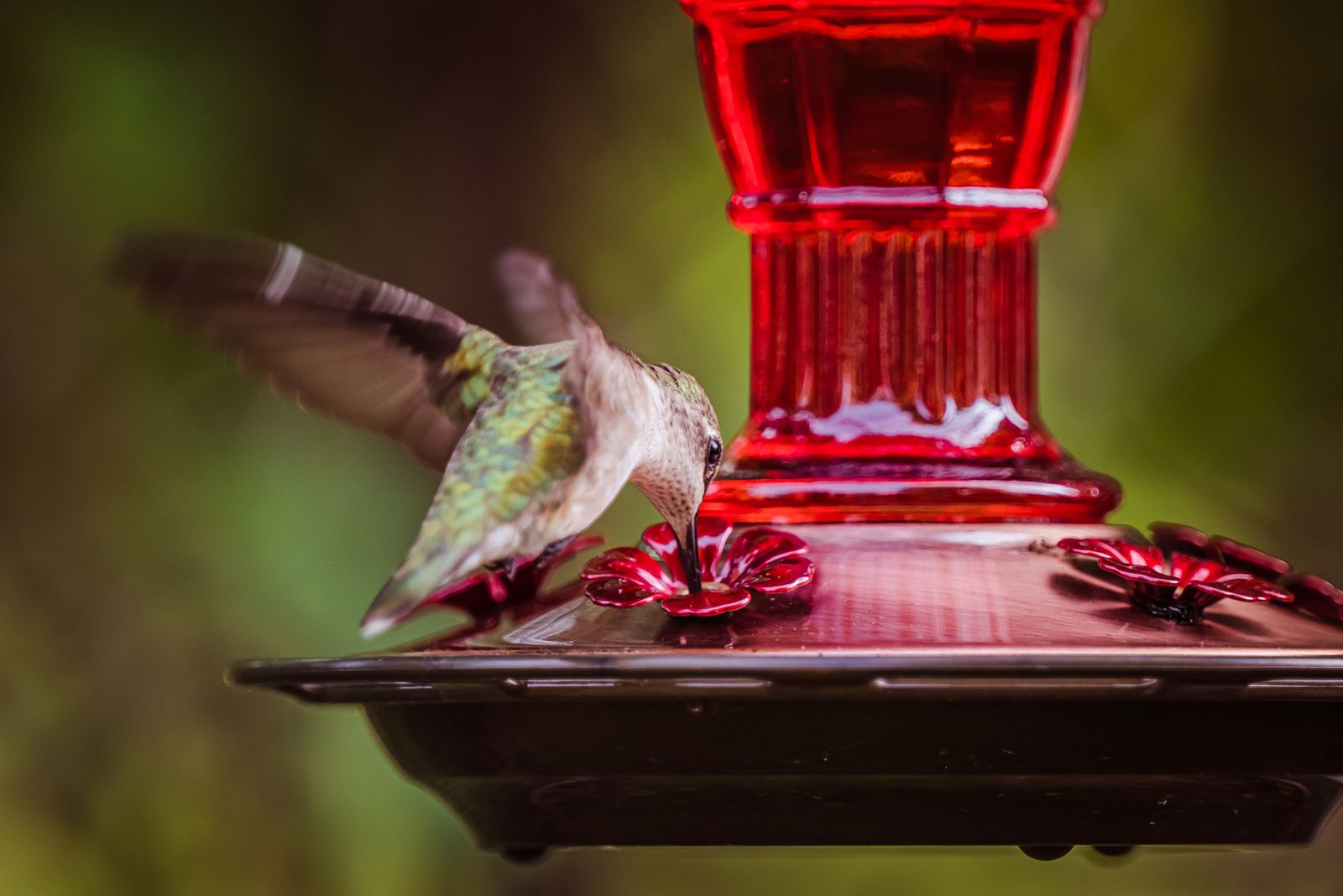
Hand-Blown vs. Factory-Molded Glass Hummingbird Feeders: Quality Guide
Hand-blown glass hummingbird feeders offer superior durability and radiant beauty because they are sculpted seamlessly at 2,300°F with solid pigments swirled directly into the molten glass. Unlike factory-molded alternatives with stress-prone side seams and painted surface coatings that peel over time, artisan glass safely diffuses solar RGB lighting into a soft, mesmerizing evening glow for years.
Direct Specification Comparison
| Evaluation Criteria | 2,300°F Hand-Blown Glass Feeder | Factory-Molded Machine Glass Feeder | | --- | --- | --- | | Structural Construction | Seamless, single-piece annealed glass body without weak points | Two-piece machine-pressed glass with visible vertical mold seams | | Color Integration & Fading | Solid color pigments infused into liquid glass at 2,300°F; never peels or fades | Surface-sprayed or painted film; chips, peels, and bleaches under direct UV rays | | Solar Light Diffusion | Translucent hand-swirled patterns scatter RGB LED light into ambient prismatic glows | Flat or machine-ribbed glass creates harsh hotspot glare and distorts light along seams | | Thermal Stress Tolerance | Slowly annealed glass withstands hot midday sun and rapid afternoon cool-downs | Thin sodalime pressed glass prone to stress fractures along seam lines during temp swings | | Reservoir Capacity & Mechanics | Generous 32 fl.oz capacity with sealed leak-proof base mechanics | Smaller 12–20 fl.oz capacity; basic screw threads prone to nectar dripping | | Visual Uniqueness & Aesthetics | Every piece is a unique handcrafted piece of functional garden art | Identical mass-produced copies with visible industrial seam lines |
Compare structural integrity, color longevity, solar lighting performance, and weather resistance between artisan hand-blown glass and mass-produced factory molded glass.
Weighing the Trade-offs: Hand-Blown vs. Machine-Pressed
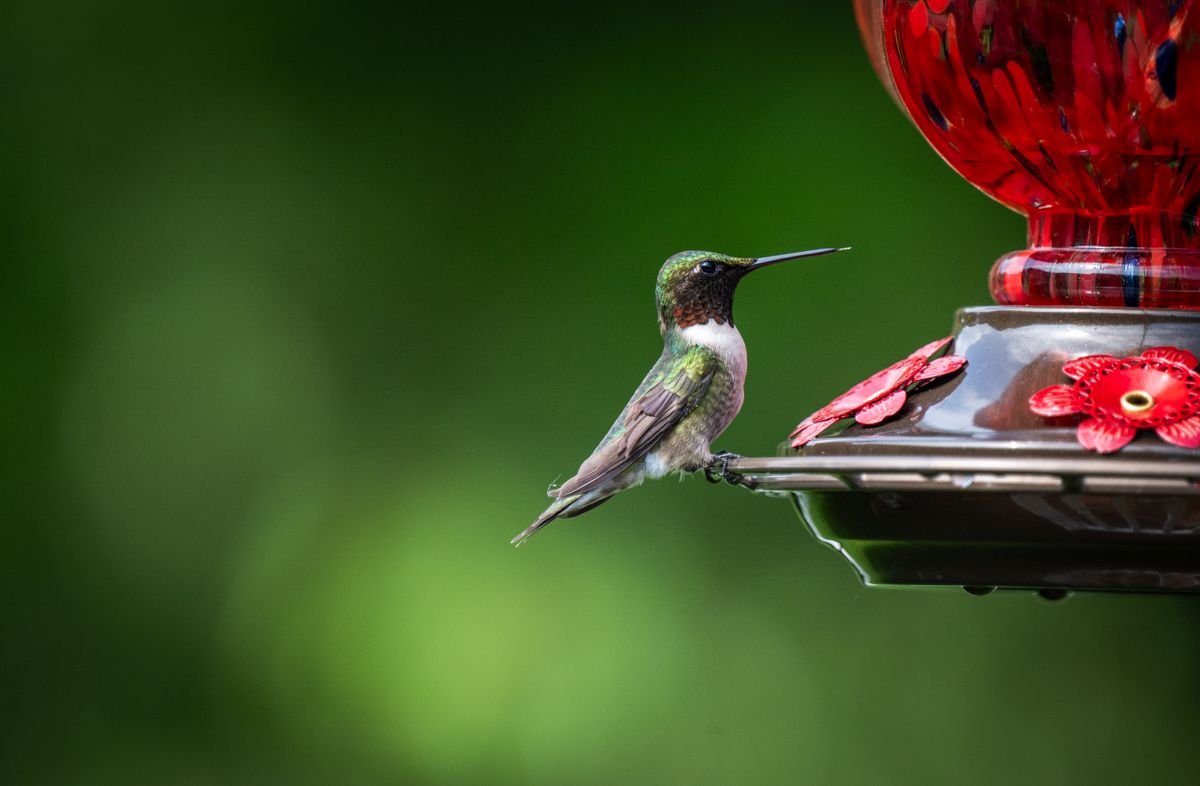
Understanding the functional advantages and physical limitations of each glass construction method helps you make an informed investment for your garden space.
Our Recommendation for Garden & Bird Enthusiasts
For garden owners seeking a durable, stunning centerpiece that blends wildlife feeding with evening backyard charm, handcrafted glass is unmatched. The LUJII Solar-Powered Hand-Blown Glass Hummingbird Feeder (32 fl.oz) combines heritage artisan glassblowing at 2,300°F with modern solar RGB lighting, an anti-rust metal base, and leak-proof engineering. It offers lifetime color vibrancy, high weather resilience, and an enchanting nighttime glow.
Artisan Glass Insights: Thermal Stress & Light Diffusion
When selecting outdoor glass decor, pay close attention to how light passes through the vessel wall. True hand-blown glass undergoes an extensive cooling process called annealing after being shaped at 2,300°F. This slow cooling relieves internal stresses in the glass lattice. When integrated with solar RGB LEDs, the internal color swirls act as natural optical lenses, refracting light outwards into a soft, romantic 360-degree glow rather than projecting harsh glare through factory seam lines.
Feeder Value & Craft Assessment Tool
- Is your primary goal to create a visual garden centerpiece with evening solar illumination? → Yes: Go to Question 2. No: Standard molded glass or plastic feeders may satisfy basic feeding needs.
- Will the feeder be placed in full sun, exposed to summer temperature swings? → Yes: Choose Hand-Blown Glass. Embedded molten pigments will never bleach, and annealed glass resists thermal stress cracking.. No: Go to Question 3
- Are you purchasing this feeder as a special gift for a bird lover or home gardener? → Yes: Choose Hand-Blown Glass. Each handcrafted reservoir is a unique piece of artisan art with premium gift presentation.. No: Evaluate personal budget vs long-term aesthetic desire.
Frequently Asked Questions About Glass Feeders
Get expert answers to practical questions about maintaining, displaying, and protecting hand-blown solar hummingbird feeders.
Essential Insights Summary
Keep these key structural and optical takeaways in mind when selecting your next hummingbird feeder:
Buying Guidance: Making the Right Choice
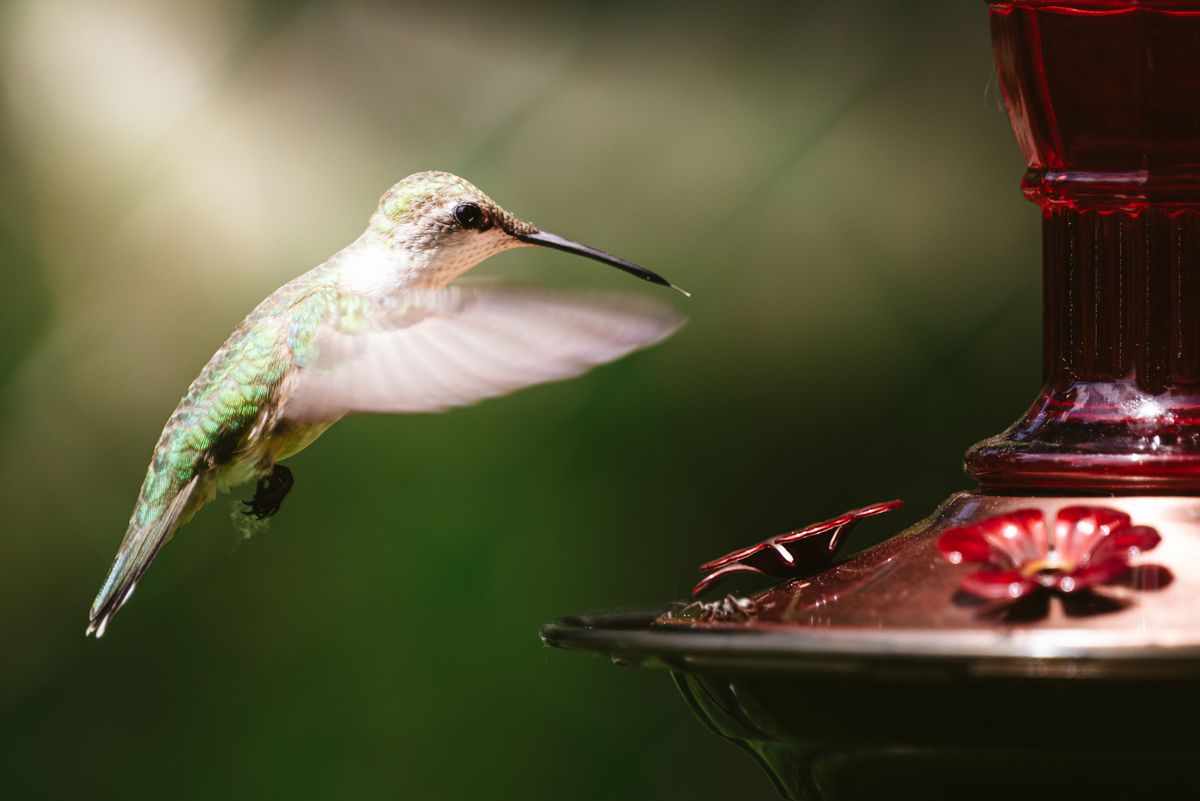
Hand-blown solar glass hummingbird feeders provide seamless structural strength, permanent embedded color, and enchanting night illumination, making them superior to painted molded feeders for long-term outdoor garden decor.
Best choice for
- Hand-Blown Solar Glass Feeder — Provides handcrafted translucent swirls that scatter RGB solar light into a soft ambient glow without visible mold seams or peeling paint.
- Handcrafted Glass Art Feeder — Each 2,300°F hand-blown vessel offers unique color dynamics and artisan craftsmanship that functions as beautiful outdoor sculpture.
- You are looking for ultra-low-cost, disposable plastic feeding stations where visual beauty and night lighting are not desired.
- Factory-Molded Machine Glass Feeder — Acceptable for budget-focused buyers who do not mind visible side seams, lower nectar capacity, or potential surface paint wear over time.
Real-World Backyard Scenarios
Intense Midsummer Sunlight & UV Exposure — Hand-blown glass uses 2,300°F infused molten color pigments that will never bleach or peel under UV radiation. Surface-painted molded glass often flakes off after one season of hot sun.
Sudden Summer Downpours & Temperature Drop — Slowly annealed artisan glass resists thermal shock caused by cold rain hitting sun-warmed glass. Molded glass with vertical seams has structural stress points that can micro-fracture during rapid temperature swings.
Evening Backyard Entertainment & Patio Lighting — Hand-blown translucent glass diffuses built-in RGB solar LEDs into a soft, colorful prism glow across your garden. Molded glass projects harsh pinpoints of LED glare through uneven, seamed walls.
Breezy Conditions & Wind Gusts — The heavy, solid mass of a 32 fl.oz hand-blown feeder paired with a coated metal base keeps the feeder stable, preventing liquid swinging and nectar dripping.
Here is how hand-blown solar glass feeders perform in common backyard environmental conditions compared to machine-molded glass.
To appreciate why hand-blown glass hummingbird feeders command a special place in garden decor, it helps to look closely at how molten glass is shaped. The difference between an artisan hand-blown feeder and a mass-produced machine-pressed feeder goes far beyond simple aesthetics—it stems from basic material science and glass metallurgy.
The Art of 2,300°F Hand-Blown Glassworking
True hand-blown glass feeders begin inside high-temperature furnaces heated to 2,300°F. Master craftspeople gather molten glass on the end of a blowpipe, carefully swirling raw solid color pigments directly into the liquid silica matrix. As the artisan blows air through the pipe while rotating it in open air, the vessel takes shape seamlessly without pressing against hard industrial iron molds.
Because the color pigments are blended into the liquid glass itself, the vibrant red, blue, green, and gold patterns become an integral part of the vessel's molecular structure. You can read more about this heritage craft in our guide to the art of 2,300°F glassblowing for garden decor.
In contrast, factory-molded glass feeders are manufactured by slamming liquid glass into two-piece iron molds. This mechanical stamping process leaves two distinct vertical seam lines running down opposite sides of the reservoir. To reduce production costs, mass manufacturers often use clear, lower-grade sodalime glass and apply color using a thin spray-painted film or lacquer on the exterior. Over time, exposure to hot water during cleaning or summer heat causes this surface paint to bubble, chip, and peel away, leaving an unattractive, patchy feeder.
Optics of Light Scattering: Solar RGB Illumination
When twilight falls, the optical differences between artisan and molded glass become instantly noticeable. Modern illuminated feeders feature built-in solar caps with multi-mode RGB LEDs that automatically turn on at dusk.
When light passes through a hand-blown glass reservoir, the natural variations in wall thickness and organic color swirls act as prismatic diffusers. The LED light is scattered smoothly across 360 degrees, emitting a soothing ambient glow that enhances your backyard atmosphere. To explore more twilight lighting ideas, check out our analysis of illuminated feeders for twilight garden decor.
In machine-molded feeders, light hits the flat, rigid walls and vertical seam lines, creating harsh hotspot glare and visual distortion. Instead of an elegant garden accent, the internal battery compartment and wiring often remain visibly exposed through clear, un-diffused glass walls.
Structural Durability, Weathering, and Sealed Mechanics
A critical factor in feeder performance is how the glass reservoir connects to the feeding base. Hand-blown glass reservoirs are crafted with thick, reinforced glass necks and precision-fitted base gaskets. Combined with a anti-rust metal lower base, these feeders utilize balanced internal vacuum pressure to keep liquid nectar securely inside the reservoir, preventing messy leaks. For a detailed breakdown of how air pressure keeps nectar fresh and secure, read about sealed base hummingbird feeder mechanics.
Furthermore, because hand-blown glass undergoes an extensive thermal annealing cycle—slowly cooling down over many hours—it eliminates internal molecular tension. Molded glass, cooled rapidly on assembly lines, retains latent stress points along its vertical seams. During sudden summer rainstorms or drastic temperature shifts between hot days and cool autumn nights, these stress points make molded glass far more vulnerable to cracking.
Continue Exploring Glass Craftsmanship & Care
- Best Illuminated Feeders for Twilight Garden Decor: Solar RGB Glass vs. Standard Feeders
- Glowing Garden FAQs: Do Nighttime Solar Lights and RGB Colors Affect Hummingbirds?
Featured Hand-Blown Solar Hummingbird Feeder
Discover the flagship solar-powered artisan feeder designed to bring daytime color and magical night illumination to your sanctuary.
Next Steps for Your Sanctuary Setup
Your decision: Determine whether you prioritize handcrafted, seamless garden art with superior solar RGB light diffusion or standard functional mass production.
Do this next: Choose a hand-blown glass solar feeder with a minimum 32 fl.oz capacity, leak-proof base, and integrated solid pigment to enjoy long-lasting brilliance without fading.
Related resource: Hand-Blown Solar Glass Hummingbird Feeders: FAQ & Holiday Gift Guide (/blog/hand-blown-glass-hummingbird-feeder-faq-gift-guide)LUJII Solar-Powered Hand-Blown Glass Hummingbird Feeder (32 fl.oz) with RGB Lights & Anti-Rust Base
Ready to transform your garden into an inviting haven for hummingbirds and a glowing sanctuary for your evening relaxation? Follow these recommendations to choose and maintain the ideal solar glass feeder.