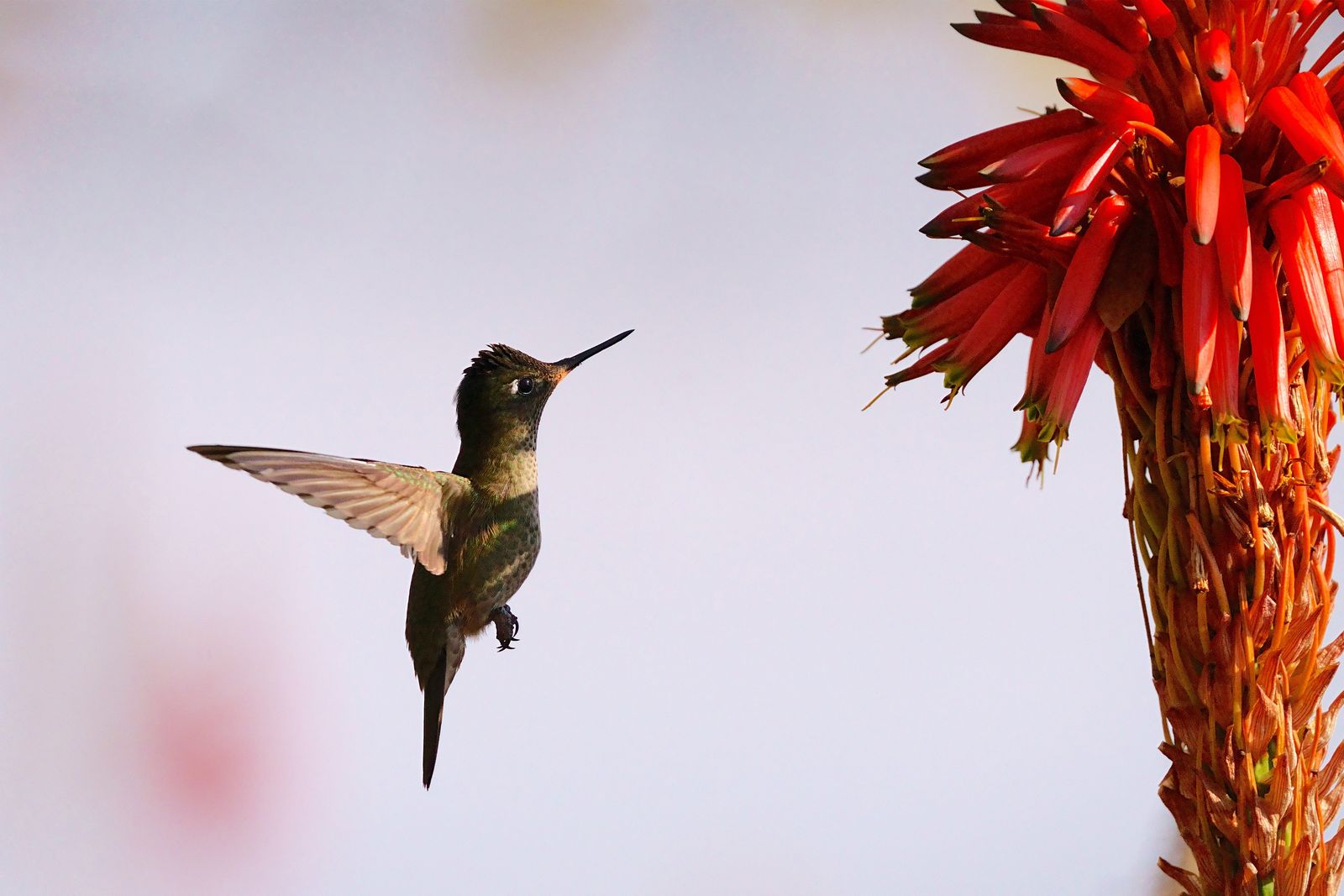
How to Clean Hand-Blown Glass Hummingbird Feeders (Safe & Easy)
Should you wash a hand-blown glass solar hummingbird feeder with hot water and dish soap? No. Clean your feeder by soaking the glass reservoir in a 1:4 distilled white vinegar-to-cool-water solution, scrubbing floral ports with soft micro-brushes, and wiping the solar cap with a damp cloth—never submerge the solar lid.
Essential Hand-Blown Glass Cleaning Checklist
- [ ] Distilled white vinegar (5% acidity)
- [ ] Cool to lukewarm tap water (never boiling or scalding)
- [ ] Soft nylon bottle brush (non-metallic core)
- [ ] Micro-brush or natural-bristle pipe cleaner for narrow feeding ports
- [ ] Clean microfiber towels for drying glass artwork and solar panel
- [ ] Small basin or glass bowl for soaking metal base and silicone gaskets
Printable Feeder Care & Cleaning Cheat Sheet
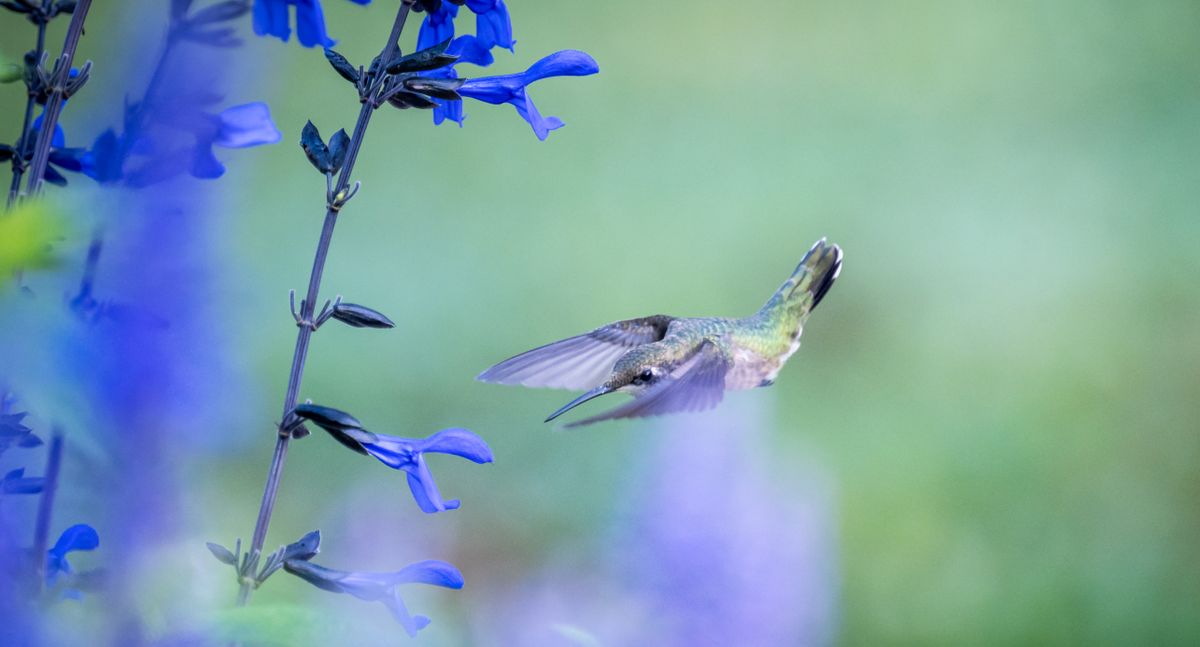
- Step 1: Unscrew anti-rust metal base and detach top solar cap completely. Keep solar electronics on a dry towel.
- Step 2: Flush out lingering nectar with cool water. Never use boiling water on 2,300°F hand-blown glass.
- Step 3: Submerge glass reservoir in a 1:4 white vinegar-to-cool-water solution for 15–30 minutes.
- Step 4: Scrub floral feeding ports with soft micro-brushes; clean inside glass curves with a soft nylon bottle brush.
- Step 5: Wipe solar cap top with a lightly damp microfiber cloth (never submerge or soak in water).
- Step 6: Rinse glass and metal base thoroughly in cool water, air dry completely, refill with 4:1 cool sugar-water nectar, and reassemble.
Artisan Glassmaker Advice: Preventing Thermal Shock & Cloudiness
Handcrafted glass feeders are forged at temperatures reaching 2,300 degrees Fahrenheit, where glass artists shape molten curves and rich color swirls by hand. Because artisanal glass retains unique microscopic crystalline structures, sudden temperature shifts induce thermal expansion stress. Pouring boiling water into a cool glass bottle or running it through a hot dishwasher dishwasher cycle causes catastrophic structural fractures.
To preserve translucency and prevent cloudiness:
- Avoid Dish Soap: Synthetic detergents leave an invisible chemical film that repels hummingbirds and degrades rubber seals.
- Embrace White Vinegar: A 1:4 vinegar solution dissolves stubborn hard water scale (calcium and magnesium) without etching hand-blown color patterns.
- Match Water Temperature: Always use water that matches the ambient temperature of the glass to prevent micro-fissures.
Feeder Cleaning Failure Modes & Troubleshooting Matrix
| Scenario / Failure Mode | Root Cause | Immediate Fix & Prevention |
| --- | --- | --- |
| Glass reservoir cracked or developed internal hair-line fractures after washing | Thermal shock caused by rinsing cool hand-blown glass with boiling or scalding hot water. | Always wash with cool or lukewarm water. Never submerge artisanal glass in boiling water or place in a dishwasher. |
| Solar cap stopped lighting up RGB colors at night after cleaning session | Moisture ingress into internal battery compartment caused by submerging the solar cap in water. | Detach solar cap prior to washing. Wipe top panel with a lightly damp microfiber cloth only. Dry battery housing in indirect sun if damp. |
| Persistent black mold spots inside floral feeding port crevices | Sugar nectar fermentation in hard-to-reach corners exposed to direct heat over 80°F. | Soak metal base and ports in a 1:4 vinegar bath for 30 minutes. Scrub narrow port openings using soft nylon micro-brushes or natural pipe cleaners. |
| Glass surface appears cloudy or hazy despite routine washing | Hard water mineral deposits (calcium/magnesium) building up on translucent glass curves. | Perform a full 30-minute soak in pure undiluted white vinegar, followed by a gentle polish using a soft microfiber cloth. |
| Nectar drips or leaks from bottom ports after reassembly | Silicone rubber gasket misaligned or metal base threads over-tightened. | Check silicone seal placement during reassembly. Hand-tighten base firmly until snug, but avoid excessive force that crushes the rubber seal. |
Artisanal solar feeders combine centuries-old glass craft with modern outdoor solar technology. Use this scenario-based guide to identify and resolve common failure modes before permanent damage occurs.
Key Takeaways for Long-Lasting Glass & Solar Electronics
- Never submerge the solar cap: Wipe the top panel gently; water pressure under immersion destroys internal RGB LED circuitry.
- Avoid thermal shock: Hand-blown glass shaped at 2,300°F will micro-fracture if exposed to boiling water or dishwasher heat cycles.
- Use vinegar, not dish soap: A 1:4 white vinegar bath kills mold, neutralizes hard water, and leaves zero chemical residue to harm birds.
- Match cleaning to temperature: Wash every 1–2 days during 90°F+ summer heat; wash every 4–5 days in cooler spring/autumn weather.
- Protect color swirls: Soft nylon brushes preserve hand-blown color pigments and anti-rust metal base coatings.
Seasonal & Temperature-Based Maintenance Schedule
- Extreme Summer Heat (>90°F / Direct Sun) — Clean and refill every 1 to 2 days. Sugar water ferments rapidly; flush reservoir with cool vinegar solution daily to prevent lethal black mold growth.
- Warm Summer Weather (80°F – 89°F) — Clean and refill every 2 to 3 days. Perform a quick cool-water rinse at each refill and a full 15-minute vinegar soak twice weekly.
- Moderate Weather (70°F – 79°F) — Clean and refill every 3 to 4 days. Inspect floral ports for initial mold spores and wipe solar panel top with a damp microfiber cloth.
- Cool Spring / Early Autumn (<70°F) — Clean and refill every 5 to 7 days. Inspect battery contacts inside solar cap for corrosion before seasonal storage.
- End-of-Season Winter Storage — Deep clean all components, dry thoroughly, switch solar cap OFF, and store glass reservoir indoors away from freezing outdoor temperatures.
Catastrophic Cleaning Mistakes That Ruin Artisanal Solar Feeders
Avoid these five high-risk maintenance errors to protect your feeder's handcrafted beauty and solar lighting functionality:
Step-by-Step 15-Minute Deep Clean Timeline
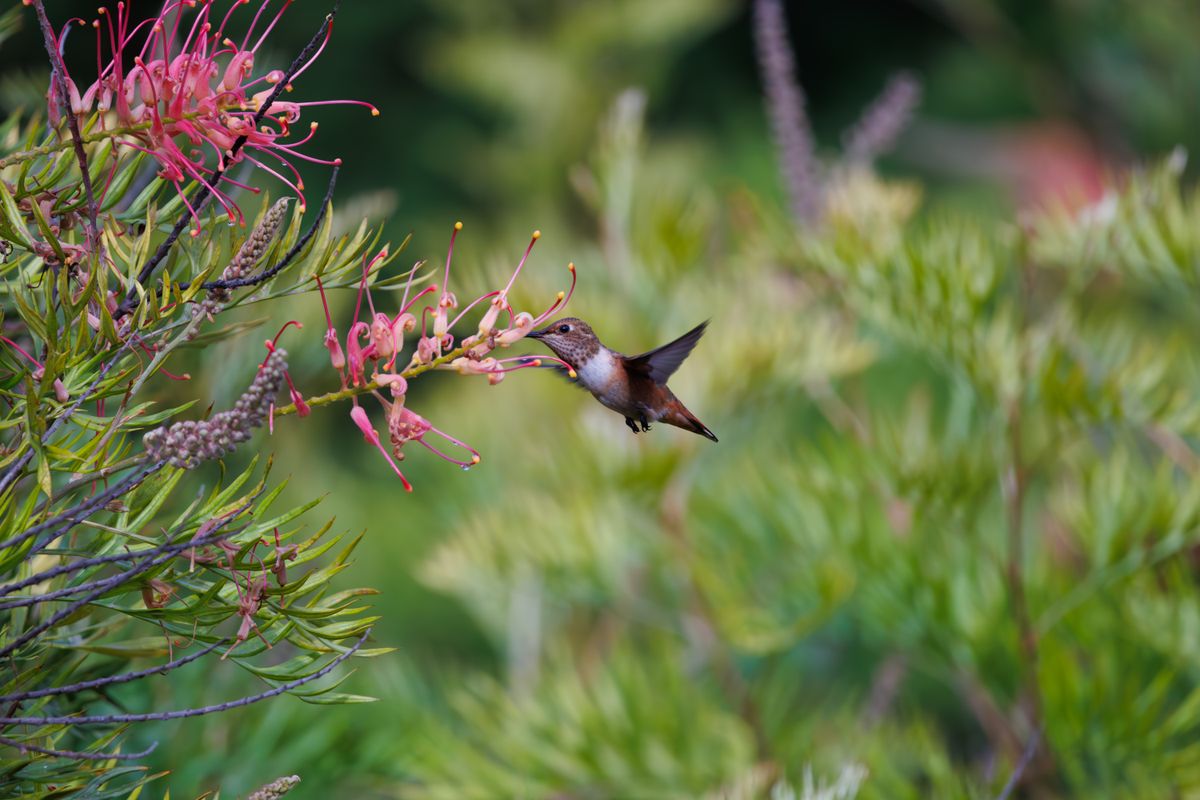
Photo by Ant Armada on Pexels
- Minute 0:00 - Disassembly — Carefully detach top solar cap and unscrew anti-rust metal base from hand-blown glass reservoir. Set solar cap on a clean dry towel.
- Minute 2:00 - Cool Flush — Pour out lingering old nectar and rinse glass reservoir, metal base, and silicone gasket under cool running tap water.
- Minute 4:00 - Vinegar Soak — Submerge glass bottle, metal perches, and port base in a 1:4 vinegar-to-cool-water bath for 8 to 10 minutes.
- Minute 12:00 - Detail Scrubbing — Scrub interior glass walls with a soft nylon bottle brush; clean narrow floral port channels using soft micro-brushes or pipe cleaners.
- Minute 14:00 - Solar Cap Wipe & Polish — Wipe solar panel top with a damp microfiber cloth to remove pollen and dust. Dry thoroughly with a clean towel.
- Minute 15:00 - Reassembly & Refill — Inspect silicone gasket seal, screw metal base onto glass bottle, pour fresh 4:1 cool nectar, reattach solar cap, and hang in your garden!
Further Reading on Glass Care & Solar Feeder Decor
Explore our comprehensive library of hand-blown glass care guides and garden styling tips:
- Hand-Blown Glass Craftsmanship & Care Guide: Discover how master glassblowers shape molten glass at 2,300°F and learn pro tips for keeping glass patterns vibrant year after year.
- Twilight Nectar Care FAQ: Learn how nighttime RGB solar lighting interacts with ambient temperatures and nectar freshness.
- Hand-Blown vs. Molded Plastic Feeders: Compare artisan aesthetics, weather durability, and hummingbird attraction rates across feeder materials.
- Summer Storm Weatherproofing: Learn how to secure your glass solar feeder during heavy rain, high winds, and heatwaves.
Recommended Gentle Cleaning Tools & Hand-Blown Solar Feeders
Enhance your backyard sanctuary with handcrafted glass art designed for effortless maintenance and outdoor durability.
Hand-Blown Glass Solar Feeder Care FAQ
Can I clean my feeder with dish soap or is white vinegar safer for hummingbirds?
Distilled white vinegar (1:4 mixture with cool water) is significantly safer than dish soap. Dish soap leaves an invisible chemical fragrance and film on glass that repels hummingbirds and can degrade rubber gaskets over time. White vinegar kills mold, neutralizes hard water minerals, and rinses completely clean without lingering toxic residue.
Why shouldn't I put my hand-blown glass feeder in the dishwasher?
Dishwasher heating cycles cause rapid thermal expansion stress in handcrafted 2,300°F glass, leading to micro-fractures or total glass breakage. Additionally, harsh dishwasher detergents and jet spray pressure can dull hand-blown color swirls and damage protective anti-rust coatings on the metal base.
How do I clean mold out of small floral port crevices without scratching the glass?
Use soft nylon micro-brushes or natural-bristle pipe cleaners dipped in plain distilled white vinegar. Avoid wire brushes, steel wool, or abrasive pads, which scratch hand-blown glass and strip protective coatings from metal floral feeding ports.
How do I protect the solar cap and RGB lights while rinsing the reservoir?
Always detach the solar cap completely before cleaning the glass reservoir. Wipe the top solar panel with a lightly damp microfiber cloth to remove dust or pollen. Never submerge the solar cap in water or hold it directly under running taps.
What causes glass cloudiness and can it be safely restored?
Glass cloudiness is usually caused by hard water mineral scale (calcium and magnesium) building up on translucent glass curves. You can restore crystal clarity by soaking the glass reservoir in undiluted white vinegar for 30 minutes, followed by a gentle rubdown with a soft microfiber cloth.
Answers to common maintenance and cleaning questions from outdoor birding enthusiasts.
Next Steps for Pristine Backyard Birding
Your decision: Choose non-toxic, cool-water cleaning methods tailored to hand-blown glass art and keep water away from solar housing.
Do this next: Set a repeating reminder based on ambient summer temperatures to soak the glass reservoir in 1:4 vinegar-water solution every 2-3 days.
- Read next: Learn how nighttime RGB solar lighting affects nectar freshness
- Read next: Compare handcrafted glass beauty with plastic alternatives
Explore LUJII 32 oz Hand-Blown Glass Solar Hummingbird Feeders featuring rust-proof metal bases and waterproof solar caps.
Cover photo by Leonardo Merlo on Pexels.