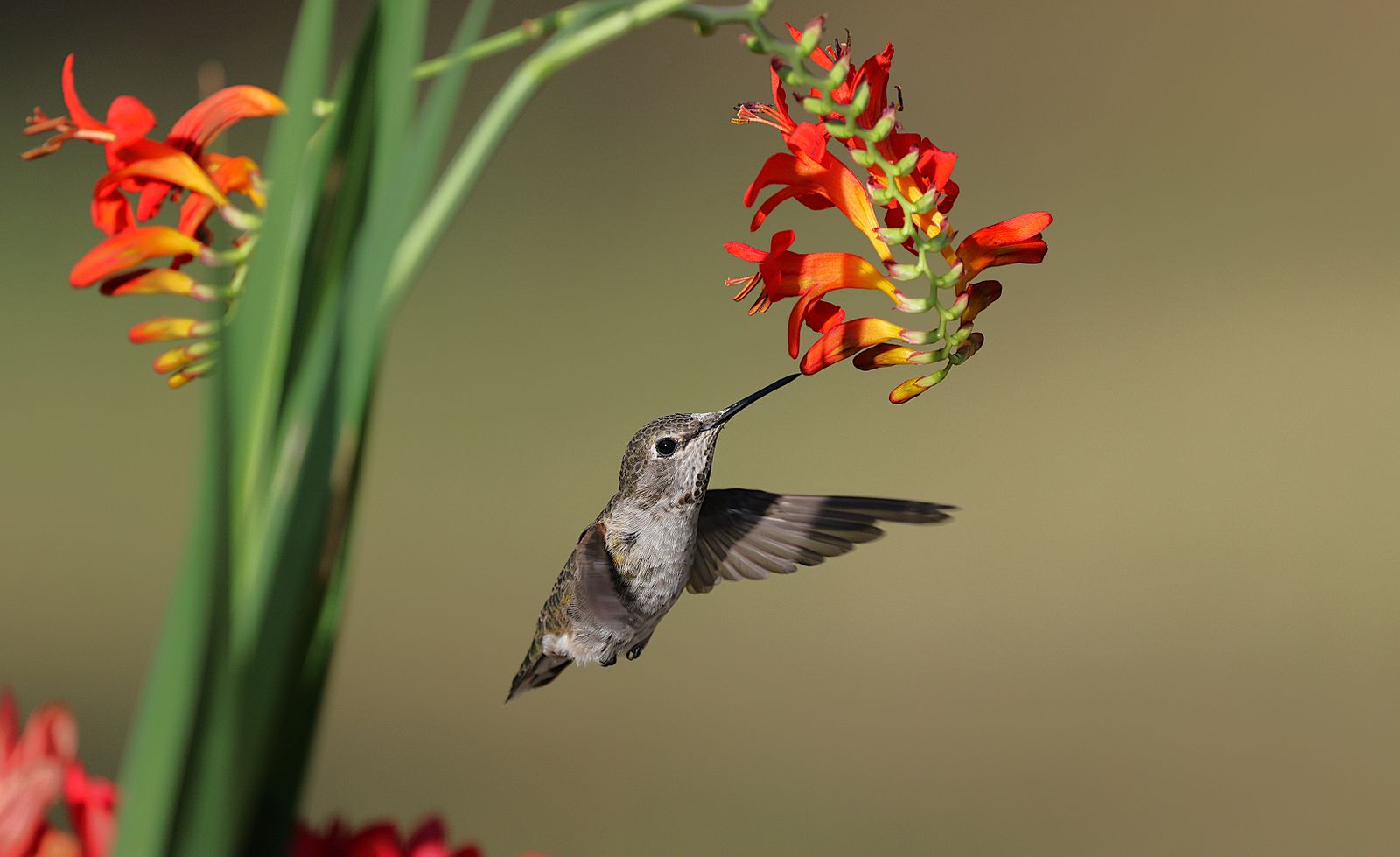
Hand-Blown Glass vs. Plastic Hummingbird Feeders: Which Creates Better Backyard Light & Color?
Hand-blown glass creates significantly better backyard light and color than plastic. Pigment fused at 2,300°F never fades under UV rays, while variable glass thickness refracts natural sunlight into brilliant prismatic sparkles and softly diffuses nighttime solar RGB LED illumination without the yellowing, scratching, or dullness common to plastic.
Glass vs. Plastic Optical & Solar Performance Matrix
| Evaluation Criteria | Hand-Blown Glass Solar Feeder | Molded Plastic Feeder |
| --- | --- | --- |
| Sunlight Refraction Index | High refraction; handcrafted variable thickness splits sun rays into prismatic sparkles | Low refraction; uniform flat surface creates sharp direct glare without color dispersion |
| Solar RGB LED Light Diffusion | Soft, ambient glow; glass curves scatter internal RGB light evenly across the body | Harsh point-source hot spots; thin plastic lets raw LED light bleed through unevenly |
| UV Color Fastness (Multi-Year) | Permanent; color fused into silica at 2,300°F cannot fade, peel, or bleach under UV sun | Degrades rapidly; surface dyes fade, yellow, and turn cloudy after 1–2 summer seasons |
| Surface Scratch & Haze Resistance | Impervious to micro-scratches from cleaning brushes; retains crystal clarity indefinitely | Prone to fine scouring scratches during washing, creating permanent hazy residue |
| Wind Stability & Structural Weight | Substantial (~3.5 lbs filled); stays steady on shepherd hooks during summer breezes | Lightweight (<1.5 lbs filled); sways dramatically in mild wind, splashing nectar |
Compare how hand-blown glass and molded plastic handle daylight, nighttime solar lighting, weather exposure, and structural stability.
Material Trade-Offs: Artisanal Glass vs. Molded Plastic
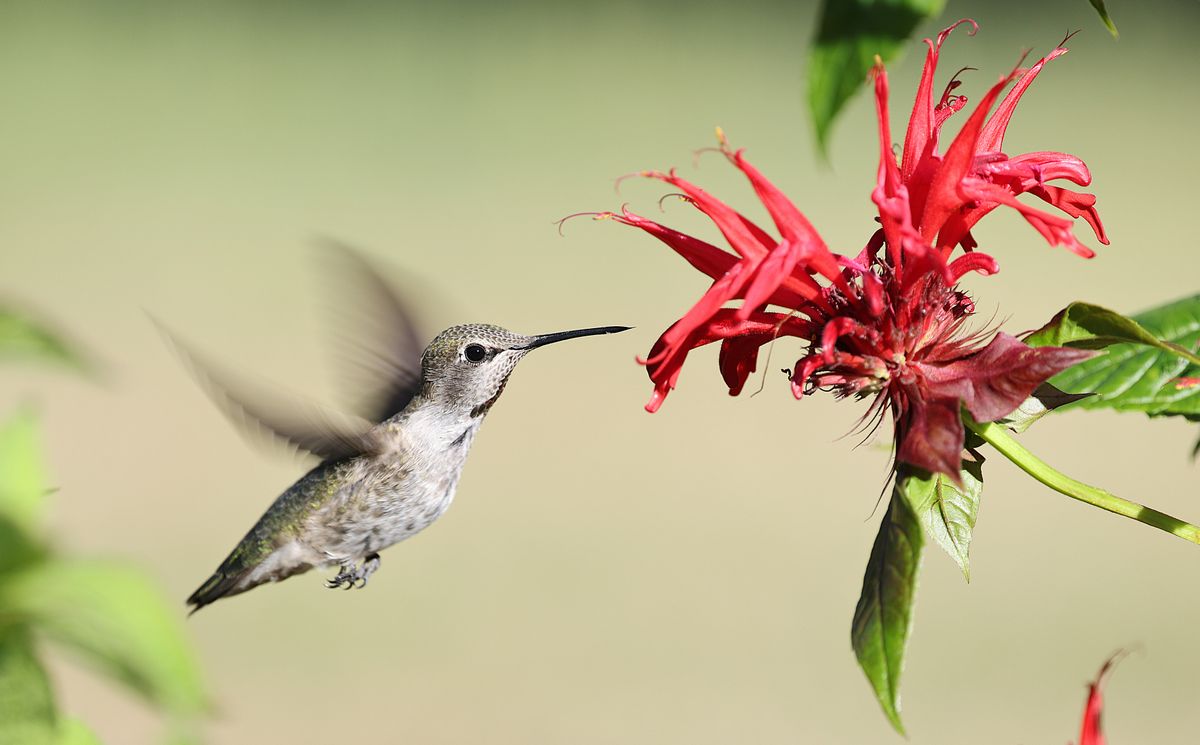
Photo by Veronika Andrews on Pexels
Pros
- Fused 2,300°F artisanal glass pigments never dull, fade, or peel in summer heat
- Thick glass walls naturally refract ambient sunlight and softly diffuse solar RGB LED night lights
- Added weight stabilizes the feeder against windy gusts, preventing nectar spills
- Non-porous smooth glass cleans thoroughly without scratching or harboring cloudy buildup
- Acts as a stunning decorative suncatcher by day and an illuminated garden accent by night
- Requires a sturdy, high-capacity shepherd hook (1/2-inch steel recommended)
- Higher initial investment compared to mass-produced disposable plastic units
Top Recommendation for Garden Decor Enthusiasts
If your goal is to transform your garden into a vibrant haven that dazzles during the day and glows magically at dusk, hand-blown glass is the clear winner. The LUJII Solar-Powered Hand-Blown Glass Hummingbird Feeder combines artisanal craft with modern solar tech—featuring 32 fl. oz nectar capacity, automatic solar RGB lighting, a weather-protective cap, and a leak-resistant metal base.
Pro Tip for Maximizing Backyard Light Refraction
Position your hand-blown glass feeder where it catches early morning sun from the east, set against a dark foliage backdrop like hydrangeas or arborvitae. The dark green leaves act as a natural high-contrast canvas, making the sun's prismatic glass reflections jump out brilliantly to passersby and incoming hummingbirds.
Frequently Asked Questions About Glass vs. Plastic Feeders
Clear up common concerns regarding temperature, cleaning, weight, and color longevity.
Summary of Key Material Differences
- Artisanal glass color is permanent because pigments are melted into the material at 2,300°F, whereas plastic relies on surface coatings that degrade under UV light.
- Hand-blown glass acts as an optical diffuser for solar RGB LEDs, turning point-source light into a soft, ambient nighttime glow.
- Thicker glass walls provide better weight stability against wind and help insulate nectar against sudden ambient ambient temperature spikes.
- Clear glass reservoirs allow effortless visual checking of nectar levels without scratching during routine brush cleaning.
Decision Guide: Which Material Fits Your Backyard Setup?
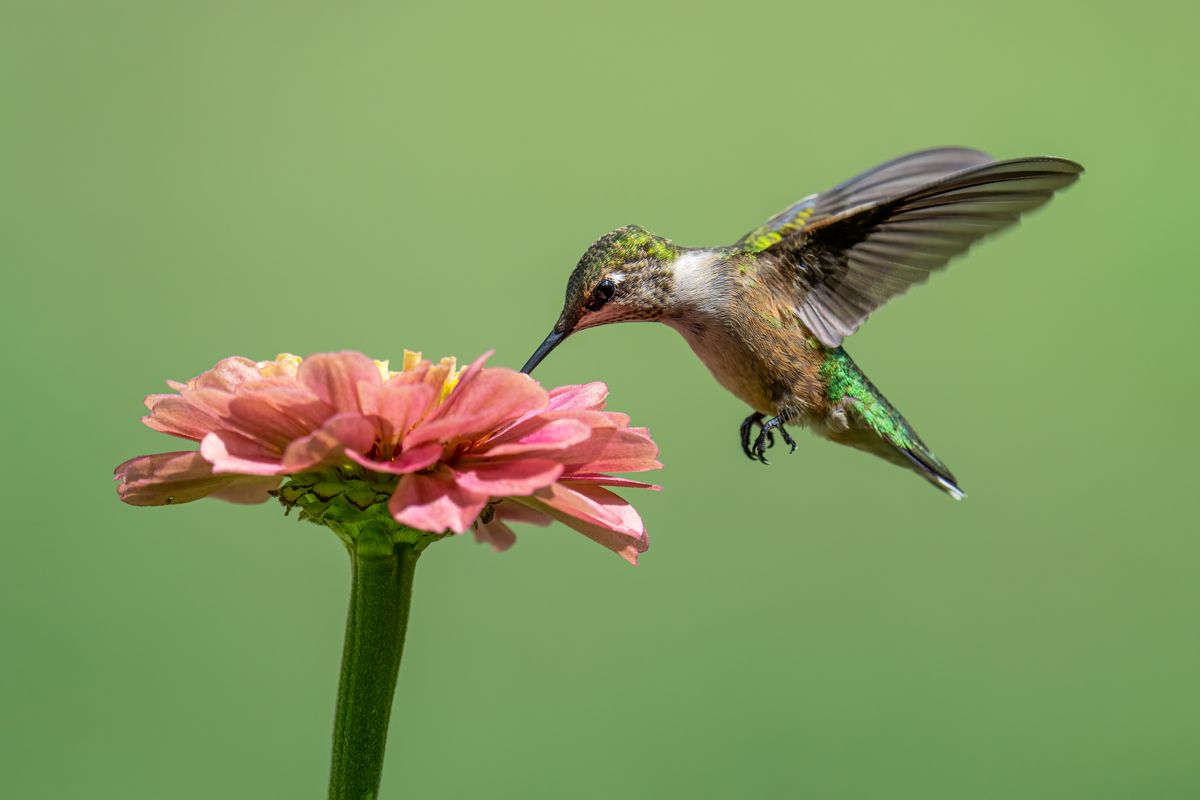
Photo by Skyler Ewing on Pexels
Hand-blown glass provides superior refractive index, vivid non-fading color embedded at high temperatures, and optimal light diffusion for solar RGB LEDs, while plastic is lighter but prone to UV yellowing, dulling, and clouding.
Best choice for
- Hand-Blown Glass Solar Feeder — Artisanal glass embeds pigment at 2,300°F so it never fades in direct UV rays, while unique glass micro-curves scatter sunlight and solar LED light into magical prismatic patterns.
- Molded Plastic Feeder — Plastic is lightweight and shatterproof against physical impacts, though it will scratch, yellow, and lose clarity after 1-2 seasons in direct sun.
- Avoid plastic feeders if your goal is long-term backyard aesthetic beauty, as UV radiation breaks down polymer bonds causing clouding and fading.
- Avoid unweighted glass feeders in storm-prone open zones without using heavy-duty anti-sway shepherd hooks.
- Factory-Molded Glass Feeders — Provides shatter resistance higher than cheap plastic and better clarity, but lacks the rich, multi-tonal color dispersion and handcrafted uniqueness of artisanal hand-blown glass.
Real-World Lighting Scenarios: Direct Sun vs. Twilight Glow
High-Noon Full Sunlight (Direct UV Exposure) — Hand-blown glass refracts harsh overhead beams into soft, sparkling jewel tones that illuminate surrounding plants. Plastic feeders reflect a stark surface glare that can bleach out color and obscure nectar visibility.
Dusk & Early Evening (Solar RGB LED Activation) — Glass reservoirs scatter internal solar LED light across handcrafted wall contours, producing an enchanted, lantern-like ambient radiance. Plastic walls transmit raw light spots without softening, resulting in uneven glow.
Breezy Open Garden Beds (15-20 mph Winds) — A filled 32 oz hand-blown glass feeder weighs over 3.5 lbs, holding its position smoothly on a sturdy hook. Lightweight plastic feeders swing aggressively, spilling sugar water onto the ground and attracting unwanted insects.
Here is how each material responds to changing light throughout the day in typical yard environments.
To understand why hand-blown glass looks so breathtaking in a sunlit garden compared to acrylic or plastic, you have to look at how light travels through different materials.
When light passes through smooth, industrially molded plastic, it travels straight through uniform walls with almost no refraction. The result is flat, clinical visual output. If the plastic is tinted, sunlight simply filters through a single flat color phase. Under intense solar UV rays, chemical bonds in plastic polymers break down—a process known as photodegradation. Over a single summer, your once-bright red or teal plastic feeder turns hazy, brittle, and yellowish.
Hand-blown glass behaves entirely differently. Crafted at temperatures exceeding 2,300°F, molten glass is shaped by master artisans who layer vibrant mineral pigments directly into the liquid matrix. Because every curve, swirl, and bubble in hand-blown glass features subtle micro-variations in thickness, incoming sunlight bends at multiple angles. This creates a natural prism effect, scattering dazzling rainbow glints across your lawn and outdoor patio.
When twilight falls, this same optical science elevates nighttime solar lighting. Low-draw solar RGB LEDs inside the feeder cap project light downward into the glass reservoir. Rather than shining out as a single harsh point of light, the LED illumination bounces within the handcrafted glass walls, radiating a soft, ambient glow for up to 8 hours on a full charge.
Featured Hand-Blown Solar Glass Hummingbird Feeder
Experience the stunning blend of heritage glass art and night-lighting innovation in your own garden.
Next Steps for Upgrading Your Garden Decor
Your decision: Choose hand-blown glass for permanent garden aesthetic appeal and vivid solar RGB lighting, or plastic strictly for temporary utility.
Do this next: Measure your shepherd hook weight rating and select a location receiving 6+ hours of direct sunlight to maximize both daytime glass refraction and nighttime solar RGB glow.
- Read next: Best Illuminated Feeders for Twilight Garden Decor: Solar RGB Glass vs. Standard Feeders
- Read next: Spring Outdoor Styling: Enhancing Natural Sunlight with Vibrant Glass Accents
🌟 LUJII Solar-Powered Hand-Blown Glass Hummingbird Feeder with 32 oz Capacity & RGB Night Lights (https://solarhummingbirdfeeder.com)
Ready to bring vivid daytime color and magical evening lighting to your outdoor space? Follow these simple steps to set up your solar glass feeder for success.
Explore Related Garden Styling & Feeder Guides
Provide internal navigation across related cluster and pillar content.
Cover photo by Veronika Andrews on Pexels.