Glass vs. Plastic Hummingbird Feeders: Which Shields Nectar Best?
Hand-blown glass hummingbird feeders shield nectar significantly better than plastic feeders by providing a completely non-porous, scratch-resistant barrier against bacterial contamination, UV degradation, and chemical leaching. When paired with a protective solar cap, thick glass acts as a thermal buffer that keeps sugar water fresh and safe longer during high-heat summer months.
Glass vs. Plastic Nectar Protection Matrix
| Protection Criteria | Hand-Blown Glass Feeder | Standard Plastic Feeder | Impact on Nectar Quality & Bird Health |
| --- | --- | --- | --- |
| Porosity & Microbial Retention | 100% non-porous, perfectly smooth fused silica surface | Microscopic pores trap fungal spores and wild yeast colonies | Glass prevents dangerous fungal pathogens (Candida) from harboring in hidden surface grooves. |
| UV Degradation & Chemical Leaching | Completely chemically inert; zero leaching under intense sunlight | Degrades under direct UV exposure; risk of phthalate or BPA leaching | Glass maintains absolute chemical purity of mildly acidic sugar water during peak summer heat. |
| Micro-Scratch Susceptibility | High surface hardness; immune to abrasive cleaning brush grooves | Scratch-prone; bottle brushes leave fine abrasive scratches | Glass allows complete sanitization without creating invisible bacterial breeding zones. |
| Thermal Mass & Heat Moderation | Thick wall density dampens rapid ambient temperature spikes | Thin plastic walls transfer external radiant heat instantly to nectar | Glass slows thermal heat absorption, keeping sugar water below rapid fermentation thresholds longer. |
| Weather & Sunlight Shielding | Integrated solar umbrella cap reflects rain and direct overhead UV rays | Unshielded plastic cap exposes reservoir directly to beating sun rays | Solar umbrella cap shades the glass bottle neck and prevents rainwater from diluting nectar. |
This criteria-row comparison matrix evaluates how hand-blown glass and standard plastic reservoirs perform across key environmental safety and nectar preservation metrics.
Material Head-to-Head: Pros & Cons of Nectar Shielding
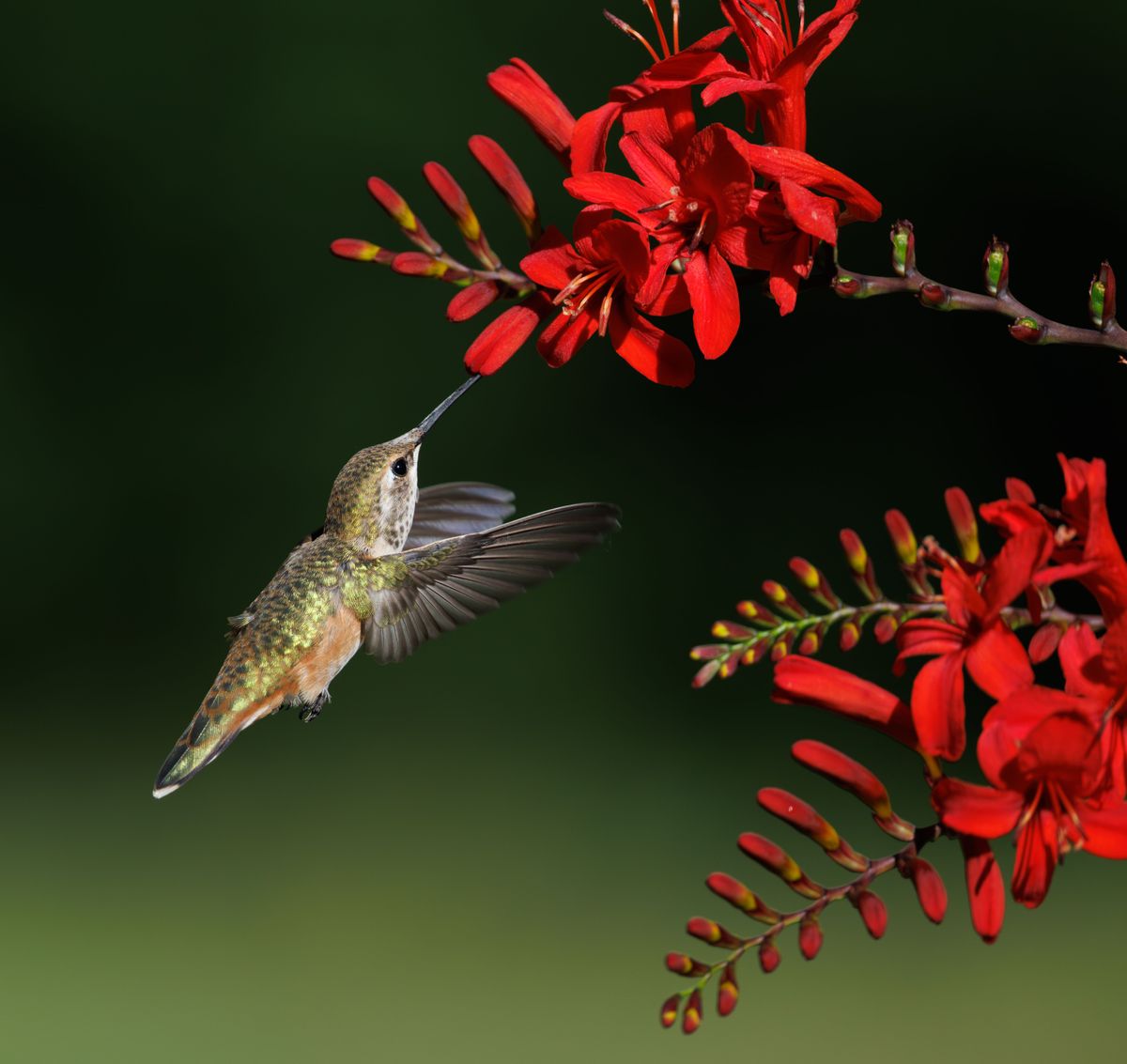
Photo by Veronika Andrews on Pexels
Pros
- Hand-blown glass is 100% non-porous, eliminating microscopic crevices where mold and yeast hide.
- Zero chemical leaching under intense summer sun and sustained heat above 90°F.
- High thermal mass dampens rapid daytime temperature swings in sugar water.
- Scratch-resistant glass surfaces survive repeated bottle brush scrubbing without degrading.
- Handcrafted 2,300°F glass art adds vibrant, lasting aesthetic charm to outdoor gardens.
- Hand-blown glass is heavier than plastic, requiring a sturdy shepherd's crook or heavy-duty branch hook.
- Requires careful handling during deep winter storage to prevent accidental impact damage.
- Slightly higher initial investment compared to cheap disposable plastic feeders.
Expert Advice on Thermal Management & Solar Shielding
Combine the high thermal mass of thick glass with partial midday shade to double your nectar's outdoor shelf life. Place your solar glass feeder where it receives early morning sunlight to charge its LED battery, but benefits from partial shade between 12 PM and 4 PM when solar radiation peaks.
Anatomy of Nectar Shielding: Solar Glass Feeder vs. Basic Plastic Feeder
A visual breakdown contrasting how protective solar umbrella caps and handcrafted glass reservoirs shield sugar water compared to thin plastic designs.
Frequently Asked Questions About Nectar Protection
Answers to pressing questions from online shoppers regarding material safety, heat transfer, and solar feeder maintenance.
Key Takeaways: Why Material Selection Matters for Hummingbird Health
Keep these vital facts in mind when selecting feeder materials for your backyard sanctuary:
Decision Guide: Selecting the Right Feeder for Your Climate
Hand-blown glass equipped with protective solar caps is the superior choice for bird lovers prioritizing hummingbird safety, nectar freshness, and long-term garden aesthetics, whereas basic plastic suits ultra-lightweight or temporary budget setups.
Best choice for
- LUJII Hand-Blown Glass Solar Feeder — Non-porous glass prevents chemical leaching and withstands thermal strain while the protective solar cap shades the nectar reservoir.
- Hand-Blown Glass Feeder with Anti-Rust Metal Base — Glass resists micro-scratches from cleaning brushes where mold spores and yeast typically harbor.
- You need an ultra-lightweight feeder for extremely thin, flexible flower stalks or flimsy decorative hangers.
- Heavy-duty UV-coated polycarbonate plastic — Offers higher impact resistance than cheap acrylic, though still susceptible to surface micro-scratches over repeated seasonal washings.
Real-World Gardening Scenarios & Temperature Impact
Peak Midday Heatwave (Temperatures exceeding 90°F) — Use a 32 oz hand-blown glass feeder with an umbrella solar cap. Thin plastic feeders reach critical fermentation temperatures within 24 hours, whereas thick glass dampens rapid heat escalation to protect hummingbird digestive health.
High Humidity & Rainy Afternoon Thunderstorms — Choose a glass feeder with a sealed anti-rust metal base and protective top solar cap. The cap acts as a weather baffle to prevent rainwater diluting nectar, while non-porous glass prevents mildew growth on exterior walls.
Evening Garden Entertaining & Twilight Bird Viewing — Hang an RGB solar glass feeder. The handcrafted glass artwork catches natural sunlight by day, and the integrated solar cap powers gentle multi-color ambient lighting at night without emitting heat into the sugar water base.
See how glass and plastic feeders perform under distinct weather conditions throughout the summer feeding season:
The Science of Nectar Fermentation in Summer Heat
Attracting hummingbirds to your garden is a joyful experience, but serving sugar water comes with a critical responsibility: preventing rapid nectar fermentation. A standard homemade hummingbird nectar solution consists of a 4:1 ratio of water to refined white table sugar. This liquid closely mimics natural flower nectar, making it an rich energy source for fast-metabolizing avian visitors.
However, when outdoor temperatures surpass 80°F (27°C), sugar water becomes an ideal culture medium for airborne yeasts—most notably Candida reukaufii—and environmental bacteria. As wild yeast cells reproduce, they convert sucrose into ethanol and acetic acid. Ingesting fermented nectar can cause severe liver enlargement, loss of coordination, and fatal fungal infections like avian candidiasis, which causes a bird's tongue to swell so severely that it can no longer feed.
Micro-Scratches: Why Plastic Harbors Hidden Pathogens
One of the most significant differences between glass and plastic hummingbird feeders lies in their microscopic surface topology. Plastic reservoirs—whether made of acrylic, polyethylene, or cheap polycarbonate—are comparatively soft materials. Every time you scrub a plastic feeder with a standard nylon bottle brush, the stiff bristles leave hundreds of microscopic scratches across the inner walls.
These tiny abrasions are invisible to the naked eye, but to fungal spores and bacterial cells, they form deep, protective canyons. Water surface tension prevents soapy rinse water from fully penetrating these micro-grooves, allowing stubborn fungal biofilms to survive standard cleaning cycles. When fresh nectar is poured inside, these dormant spores immediately colonize the new batch, accelerating spoilage.
In contrast, hand-blown glass is crafted at an astonishing 2,300°F (1,260°C). At this extreme heat, molten silica fuses into a perfectly non-porous crystalline matrix. Glass boasts a Mohs hardness rating far higher than nylon bristles, making it completely immune to cleaning brush micro-scratches. Warm water and mild vinegar effortlessly flush away organic residues, ensuring a 100% sterile environment every time you refill.
Thermal Mass & Solar Umbrella Protection
Many gardeners wonder whether glass or plastic heats up faster in the sun. Physics provides a reassuring answer: volumetric thermal mass. Thick, artisan-blown glass has a significantly higher density and heat capacity than thin plastic walls. This high thermal mass enables glass to act as a buffer, absorbing heat slowly and dampening sudden ambient temperature spikes during hot summer mornings.
Furthermore, advanced designs like the LUJII Solar-Powered Hummingbird Feeder incorporate a wide protective solar cap directly above the glass reservoir. This solar cap serves a dual purpose:
Chemical Stability & Anti-Rust Metal Bases
Under prolonged exposure to harsh UV radiation and temperatures above 85°F, low-grade plastic polymers degrade. This photolytic breakdown can cause plasticizers, phthalates, and bisphenols to leach into mildly acidic sugar solutions (pH 4.5–5.5). Glass, by definition, is chemically inert and completely non-reactive across all climate extremes.
To complement the purity of handcrafted glass, premium feeders utilize anti-rust coated metal bases with precision silicone seals. Unsealed plastic base threads often warp under heat, causing micro-leaks. Dripping sugar water attracts unwanted insects like wasps, yellow jackets, and foraging ant colonies. A sealed, anti-rust metal base creates airtight vacuum pressure inside the glass reservoir, eliminating frustrating leaks and keeping nectar clean, safe, and accessible exclusively to hummingbirds.
Recommended Solar Glass Feeder for Maximum Shielding
Upgrade your backyard sanctuary with handcrafted glass art that safeguards nectar health while illuminating your garden at night.
Actionable Next Steps for Fresh Garden Nectar
Your decision: Choose thick hand-blown glass over plastic to eliminate micro-scratch bacterial traps and UV chemical leaching.
Do this next: Upgrade to a 32 oz hand-blown glass solar feeder featuring a solar protective cap and leak-proof anti-rust metal base.
- Read next: Hot Weather Nectar Ratios: How to Keep Hummingbird Food Fresh in Summer
- Read next: How to Clean and Maintain Your Hand-Blown Solar Hummingbird Feeder
LUJII 32 oz Hand-Blown Solar Hummingbird Feeder with Protective Solar Cap
Ready to enhance your garden decor while protecting your resident hummingbirds from heat-spoiled nectar? Follow these recommended steps to upgrade your feeding station.