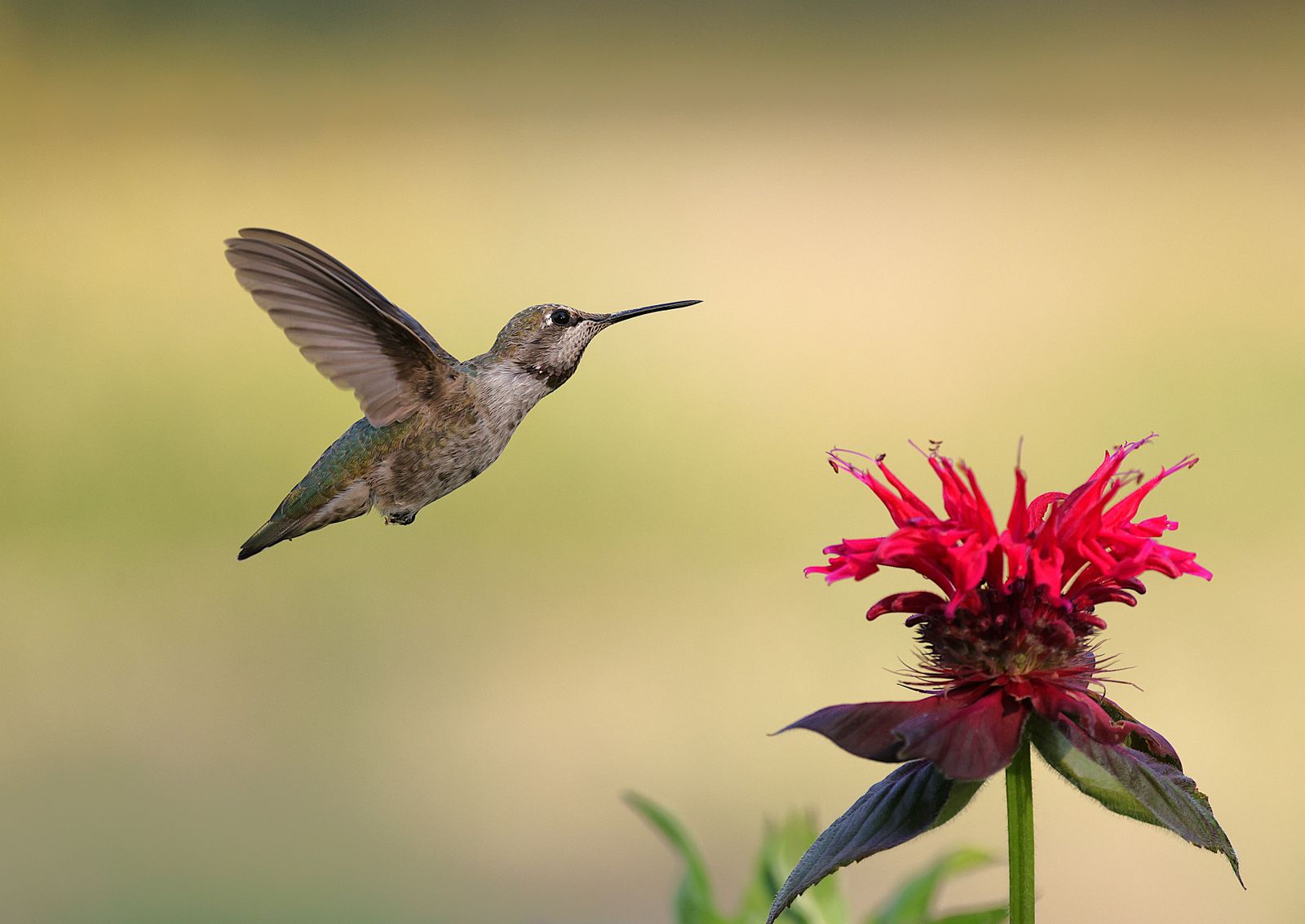
Glass vs. Plastic Hummingbird Feeders: Which Lasts & Prevents Leaks?
Hand-blown glass hummingbird feeders outperform plastic alternatives in both leak prevention and long-term durability because non-porous glass prevents thread warping under intense UV exposure. When paired with a precision-sealed metal base, hand-blown glass maintains a consistent air-tight vacuum, preventing drips and lasting 5+ years without clouding or micro-cracking.
Material Performance Comparison Matrix
| Performance Criteria | Hand-Blown Glass Feeders | Plastic & Polycarbonate Feeders |
| --- | --- | --- |
| Thread Deformation & Leak Risk | Zero thread distortion; rigid glass threads maintain airtight seal with metal bases. | High risk; UV heat softens plastic threads causing vacuum loss and steady nectar drips. |
| UV Resistance & Clarity | 100% UV stable; hand-blown glass remains crystal clear for years without yellowing. | Degrades in 12–18 months; turns cloudy, brittle, and develops micro-scratches. |
| Thermal Expansion & Vacuum | Negligible thermal expansion; maintains stable internal air vacuum across temperature shifts. | Expands rapidly under heat, forcing air into reservoir and pushing nectar out. |
| Bacterial & Mold Resistance | Non-porous surface cleans thoroughly; resists mold and sugar crystallisation. | Porous micro-grooves trap bacteria and black mold despite scrubbing. |
| Wind & Weight Stability | Heavier weight (2–3 lbs filled) prevents violent swaying in garden breezes. | Lightweight plastic sways easily, breaking vacuum pressure and splashing nectar. |
| Aesthetic & Garden Value | Artisan hand-crafted beauty with rich colors and night-time ambient solar light. | Functional utility look; quickly fades to chalky, oxidized finish. |
| Average Product Lifespan | 5 to 10+ years with proper seasonal care. | 1 to 2 seasons before replacement is required. |
Selecting the right hummingbird feeder comes down to how materials withstand outdoor elements over time. Below is a criteria-row comparison comparing structural performance, weather resilience, and maintenance needs.
Weighing the Trade-offs: Glass vs. Plastic
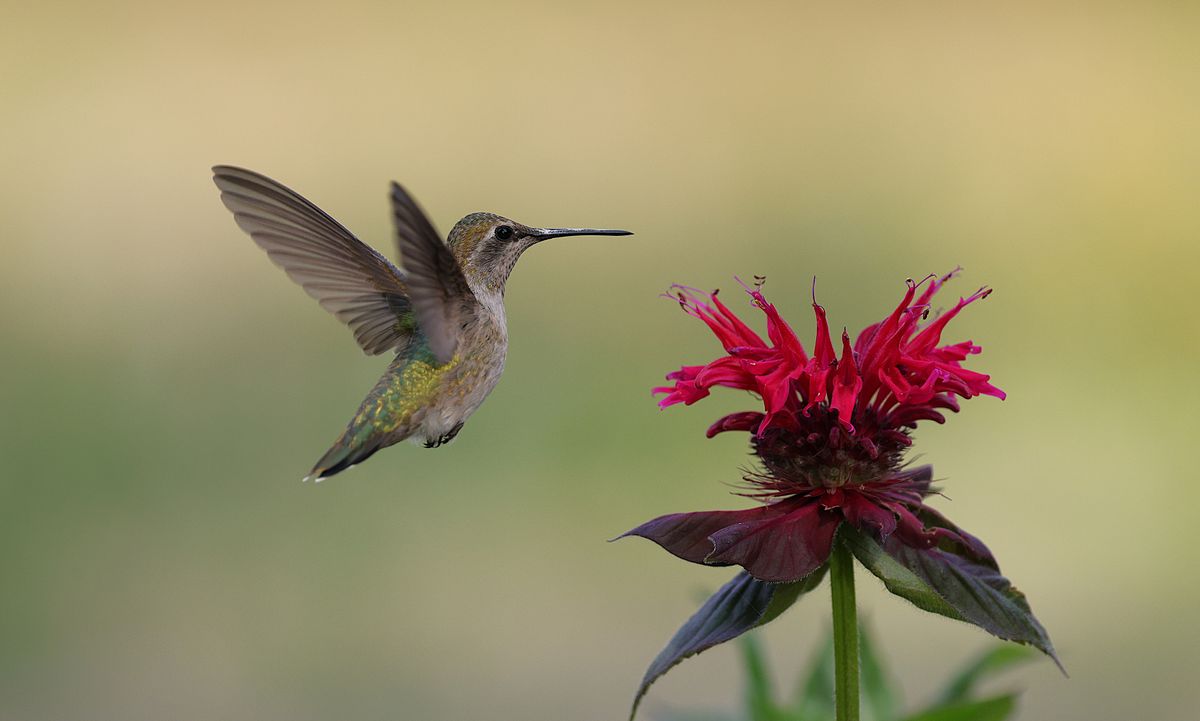
Photo by Veronika Andrews on Pexels
Understanding the physical attributes of glass and plastic helps determine which feeder best serves your backyard ecosystem.
Expert Seal Tip: Maintaining Vacuum Pressure
To guarantee a 100% drip-free feeder, always fill your reservoir with cool nectar, leave 1/2 inch of air space, and thread the metal base firmly until snug without forcing. Once tightened, rapidly invert the feeder over a sink in one swift motion. This instantaneous flip locks the liquid air vacuum into place, preventing gravity drips before hanging it outdoors.
Critical Mistakes That Cause Feeder Leaks & Degradation
Avoid these common errors to ensure your hummingbird feeder remains airtight and beautiful season after season.
Decision Flowchart: Which Material Suits Your Yard?
- Are you hanging your feeder in direct summer sunlight (4+ hours daily)? → Yes: Choose Hand-Blown Glass with a Metal Base to prevent thread warping and nectar leaks.. No: Proceed to next question.
- Is wind stability and long-term garden aesthetics a high priority? → Yes: Choose Hand-Blown Glass — heavier weight stops wind sway while vibrant art elevates your garden.. No: Proceed to next question.
- Are you seeking an entry-level feeder on a tight temporary budget over concrete? → Yes: Consider Plastic, but prepare to replace it within 12–18 months as UV rays degrade the material.. No: Invest in Hand-Blown Glass for permanent performance and leak-free feeding.
Frequently Asked Questions About Feeder Materials
Address mid-page queries regarding solar lighting, nectar heating, freezing protection, and base leaks.
Your Next Steps for a Leak-Free Garden Setup
Your decision: Choose a hand-blown glass feeder featuring a rust-proof metal base and silicon gasket for permanent leak prevention and garden beauty.
Do this next: Inspect your current feeder's base gasket for thread warping, and upgrade to an artisan glass feeder with airtight seal construction.
- Read next: Summer Storm Protection: Weatherproofing Your Glass Solar Hummingbird Feeder Setup
- Read next: How to Clean and Maintain Your Hand-Blown Solar Hummingbird Feeder
LUJII 32 oz Hand-Blown Glass Solar Hummingbird Feeder with Metal Leak-Proof Base
Follow these steps to transition to a durable, drip-free feeding station in your yard.
Summary: Key Takeaways for Gardeners
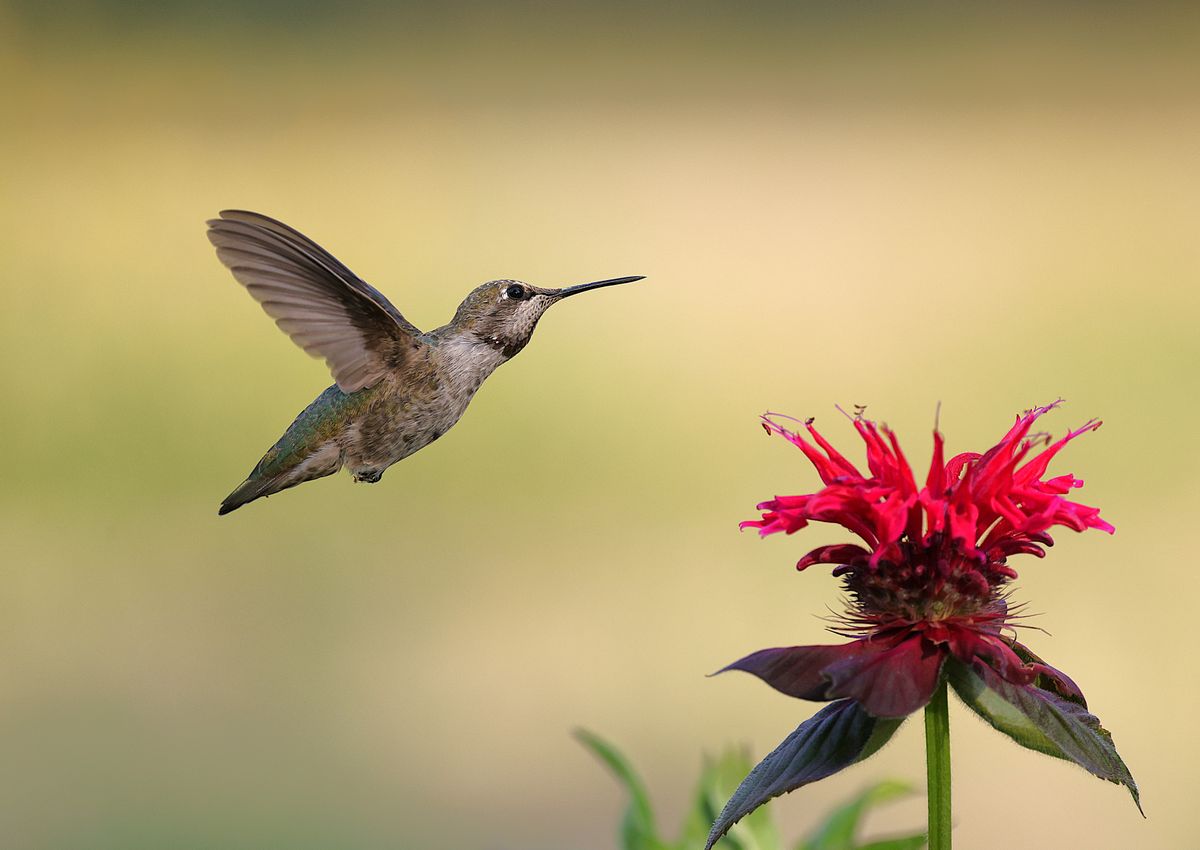
Photo by Veronika Andrews on Pexels
- Glass Prevents Leaks: Rigid glass threads maintain a stable air vacuum under high UV and heat, whereas plastic threads warp and drip.
- Superior Long-Term Value: Artisan glass lasts 5+ years without yellowing, clouding, or scratching, making it far cheaper over time than replacing plastic feeders bi-annually.
- Easy Hygiene: Non-porous glass prevents mold buildup in micro-scratches, keeping sugar nectar safe for feeding hummingbirds.
- Dual Day & Night Beauty: Hand-blown color techniques combined with solar-powered RGB lights turn your bird feeder into a radiant garden sculpture.
Final Buyer's Guidance & Recommendations
Glass hummingbird feeders with sealed metal bases are superior for long-term leak prevention and hygiene, whereas plastic feeders offer lower initial cost but risk warping and leaking after 1-2 seasons in high UV environments.
Best choice for
- Hand-Blown Glass Feeder — Resists UV degradation and maintains thread geometry so internal vacuum seals stay intact.
- Artisan Glass with Metal Base — Heavyweight liquid reservoir resists wind tipping that breaks vacuum pressure on plastic units.
- Solar RGB Glass Feeder — Combines vibrant hand-blown visual depth by day with automatic solar glow at night.
- You hang feeders over hard concrete patios where accidental drops are highly likely and unmitigated by soft lawn soil.
- Hand-Blown Solar Glass Feeder — Combines thick, heat-resistant glass with an anti-rust metal base and integrated ambient solar lighting.
- Heavy-Duty Polycarbonate Feeder — Suitable as a temporary entry-level option if budget is constrained, though requires replacement every 1-2 years.
Real-World Environment Stress Scenarios
Midday Summer Sun (95°F Heatwave) — Choose Glass. Polycarbonate base cap threads expand and warp under heat, breaking the atmospheric vacuum seal and causing nectar drips. Glass stays structurally rigid.
Breezy Backyard Gardens (12-18 mph Gusts) — Choose Glass. Lightweight plastic feeders swing aggressively, spilling nectar from port perches. A filled 32 oz glass feeder provides stabilizing ballast.
Weekly Sanitation & Deep Scrubbing — Choose Glass. Abrasive bottle brushes leave micro-grooves in soft plastic where black mold spores lodge. Glass wipes completely smooth and sterile.
Examine how glass and plastic handle direct midday sun, coastal breezes, and extreme weather.
To understand why hummingbird feeders drip, one must look at fluid dynamics and thermal expansion. Hummingbird feeders operate on an inverted vacuum system: liquid nectar creates an internal negative air pressure zone at the top of the bottle, balancing against external atmospheric pressure at the feeding ports.
When a plastic feeder sits in direct summer sun, ultraviolet (UV) radiation breaks down polymer chains, causing structural soft spots and thread warping. As the temperature rises, plastic threads expand dramatically compared to their base caps. This microscopic gap allows outside air to bubble up into the reservoir, breaking the internal vacuum and forcing nectar down through the feeding ports onto your patio.
In contrast, hand-blown artisan glass shaped at 2,300 degrees Fahrenheit possesses an extremely low coefficient of thermal expansion. Even under blazing summer sunlight, glass threads remain rigid and dimensionally precise. When mated with an anti-rust metal base cap lined with a resilient silicone gasket, the seal remains impervious to temperature shifts. The vacuum holds firm, nectar stays inside, and your garden remains free of sticky residues and wasp-attracting spills.
Continue Exploring Hummingbird Care
Enhance your backyard sanctuary with these related guides on feeder care, garden lighting, and bird attraction:
- Hand-Blown Glass Hummingbird Feeders: The Ultimate Buying Guide for Garden Decor Enthusiasts
- How to Clean and Maintain Your Hand-Blown Solar Hummingbird Feeder
- Summer Storm Protection: Weatherproofing Your Glass Solar Hummingbird Feeder Setup
- How to Illuminate Your Nighttime Garden: A Seasonal Guide to Solar Bird Decor
Recommended: Hand-Blown Glass Solar Hummingbird Feeder
Elevate your garden with handcrafted art that eliminates leaks and lights up your evenings.
Final Steps for a Drip-Free Sanctuary
Your decision: Choose a hand-blown glass feeder featuring a rust-proof metal base and silicon gasket for permanent leak prevention and garden beauty.
Do this next: Inspect your current feeder's base gasket for thread warping, and upgrade to an artisan glass feeder with airtight seal construction.
- Read next: Summer Storm Protection: Weatherproofing Your Glass Solar Hummingbird Feeder Setup
- Read next: How to Clean and Maintain Your Hand-Blown Solar Hummingbird Feeder
LUJII 32 oz Hand-Blown Glass Solar Hummingbird Feeder with Metal Leak-Proof Base
Complete your garden upgrade with an airtight, solar-lit glass feeder.
Cover photo by Veronika Andrews on Pexels.