Plastic vs. Glass Hummingbird Feeder: Which Is Best for Your Garden?
Glass hummingbird feeders far surpass plastic in durability, hygiene, and UV resistance. While plastic rapidly degrades, yellow-cracks, and develops micro-scratches that harbor toxic mold, non-porous hand-blown glass resists bacterial build-up and handles harsh sunlight without leaching, making it the safer, lifetime-value choice for your garden.
Material Matrix: Plastic vs. Standard Glass vs. Hand-Blown Solar Glass
| Evaluation Criteria | Molded Plastic Feeders | Standard Utility Glass Feeders | LUJII Hand-Blown Solar Glass Feeders |
| --- | --- | --- | --- |
| UV & Sunlight Resistance | Degrades rapidly; warps, cracks, and yellow-fades in 1-2 seasons. | High resistance; clear glass will not fade or yellow. | Impervious; 2,300°F fused glass colors will never peel or fade in direct sun. |
| Bacterial & Mold Prevention | High Risk; micro-abrasions from cleaning brushes trap black mold spores. | Low Risk; smooth, non-porous surface is easy to sanitize. | Extremely Low Risk; non-porous glass reservoir paired with slender easy-wash neck. |
| Wind Stability & Weight | Very Light; sways and tips in 10+ mph breezes, spilling sticky nectar. | Moderate Weight; offers reasonable stability in mild breezes. | Heavy Artisan Glass; sturdy 32 oz handcrafted weight minimizes wind-tipping. |
| Base Sealing & Leak Protection | Plastic threads strip easily over time, causing constant dripping. | Varies; often paired with lightweight plastic or raw metal ports. | Superior Integrity; anti-rust coated metal base with tight silicone leak-proof seal. |
| Nighttime Garden Aesthetics | None; plain daytime utility appearance. | None; standard transparent glass without illumination. | Magical RGB Glow; integrated solar cap powers ambient LED lighting up to 8 hours. |
| 5-Year Total Cost & Value | High Lifetime Cost; requires replacing every 12-18 months due to sun damage. | Moderate Cost; durable glass body but lacks visual charm or night features. | Best Overall Value; single investment in heirloom garden decor and lighting. |
Before choosing a feeder for your backyard sanctuary, compare how each material handles real-world weather, maintenance routines, and long-term garden aesthetics.
Weighing the Trade-Offs: Plastic vs. Glass Feeders
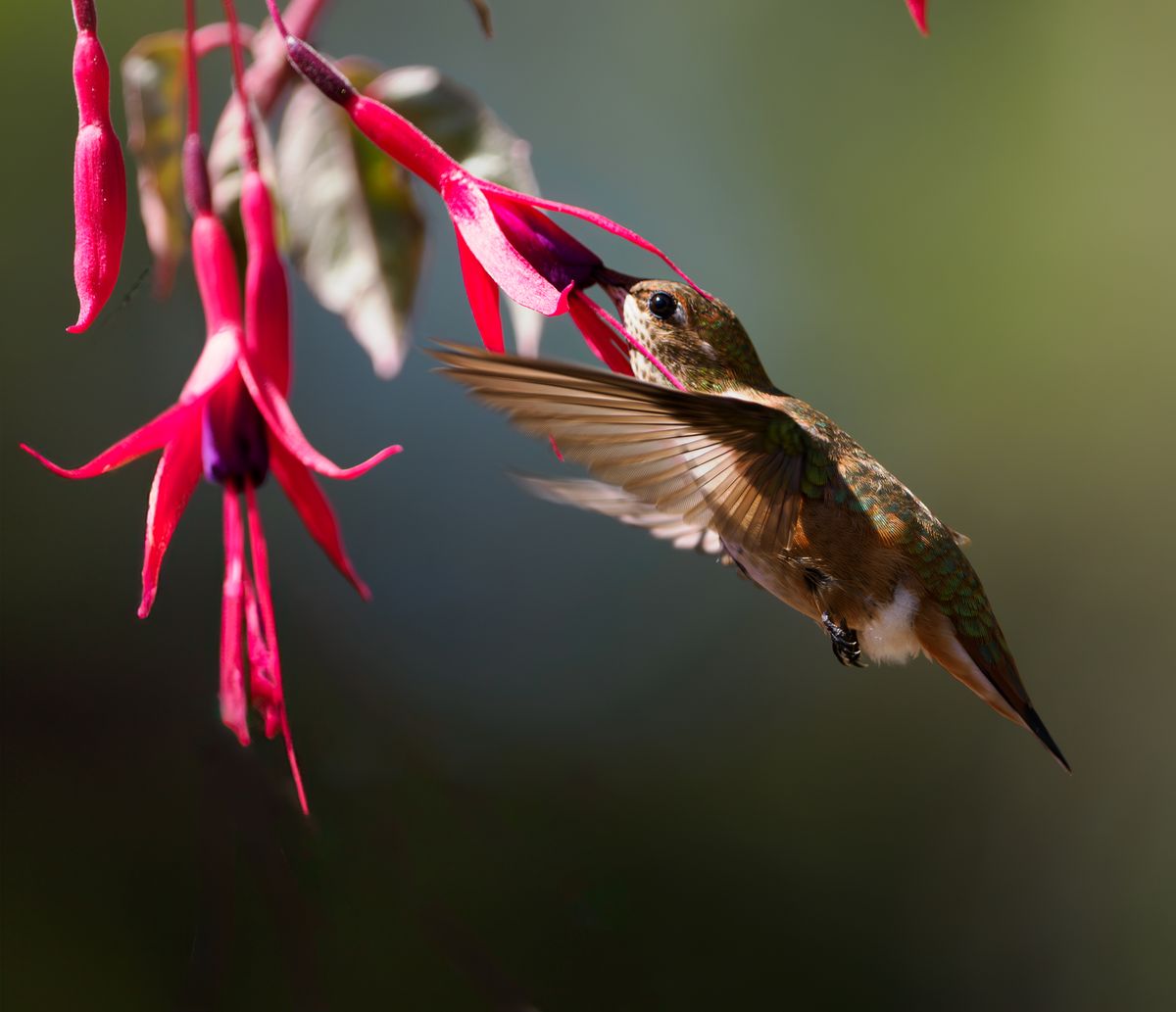
Photo by Mike Knibbs on Pexels
Pros
- Hand-blown glass color patterns are melted at 2,300°F and will never fade, chip, or peel.
- Heavyweight glass construction prevents wind-driven swaying and nectar spilling on your patio.
- Non-porous glass surfaces resist micro-abrasions and harmful black mold accumulation.
- Integrated solar cap converts sunlight into up to 8 hours of magical RGB twilight illumination.
- Anti-rust coated metal base with silicone leak-proof seals protects surrounding flowers from drips.
- Higher initial upfront cost compared to disposable or entry-level plastic feeders.
- Requires intentional care during extreme freezing winter weather or severe summer hail storms.
- Needs a sturdy shepherd's hook or tree branch capable of supporting a 32 oz filled glass feeder.
Expert Tip: The Hidden Hazard of Cleaning Micro-Abrasions
Watch out for micro-abrasions in plastic reservoirs! When you scrub plastic feeders with standard bottle brushes, the stiff bristles create microscopic scratches across the soft interior wall. These tiny grooves become ideal hideouts for Candida reukaufii yeast and black mold spores (Cladosporium), which cannot be sanitized out even with vinegar soaks. Because hummingbirds are vulnerable to avian candidiasis—a painful fungal infection that swells their tongues—non-porous, 2,300°F hand-blown glass is by far the most hygienic, bird-safe option for your yard.
Our Recommendation: The Artisan Solar Upgrade
If you want to create a thriving hummingbird haven that doubles as a captivating garden centerpiece, upgrade to the LUJII Solar-Powered Hand-Blown Glass Hummingbird Feeder. Featuring a generous 32 fl. oz translucent glass reservoir, hand-shaped by glass artists at 2,300 degrees Fahrenheit, this feeder delivers unmatched durability, leak-proof reliability, and magical twilight RGB illumination.
Common Mistakes When Choosing & Maintaining Feeder Materials
Avoid these frequent pitfalls to keep your nectar fresh, your feeders drip-free, and your feathered visitors healthy all season long.
Which Feeder Fits Your Garden? Decision Tree
- Are you seeking a durable, hygienic garden centerpiece that illuminates your patio at dusk? → Yes: Choose Hand-Blown Solar Glass (LUJII 32 oz Feeder). No: Go to next question
- Do you live in a sunny or windy area where plastic warps, yellows, and spills easily? → Yes: Choose Heavyweight Hand-Blown Glass. No: Go to next question
- Is your primary goal a temporary budget feeder under $15 for a short-term trial? → Yes: Basic Molded Plastic (Plan to replace in 1 season). No: Standard Molded Utility Glass
Frequently Asked Questions About Feeder Materials
Get clear, practical answers regarding glass maintenance, solar lights, winter protection, and pest prevention.
Next Steps for Your Backyard Sanctuary
Your decision: Upgrade from short-lived plastic feeders to a hygienic, durable, hand-blown solar glass feeder.
Do this next: Select an artisan hand-blown glass feeder featuring a non-rust metal base and 32 oz capacity to minimize refill frequency and maximize garden elegance.
- Read next: How to Clean and Maintain Your Hand-Blown Solar Hummingbird Feeder
- Read next: The Art of 2,300°F Glassblowing: How Heritage Craftsmanship Shapes Unique Garden Decor
https://solarhummingbirdfeeder.com
Ready to upgrade your garden setup? Here is how to transition smoothly from disposable plastic to handcrafted solar glass.
Key Takeaways: Why Glass Beats Plastic
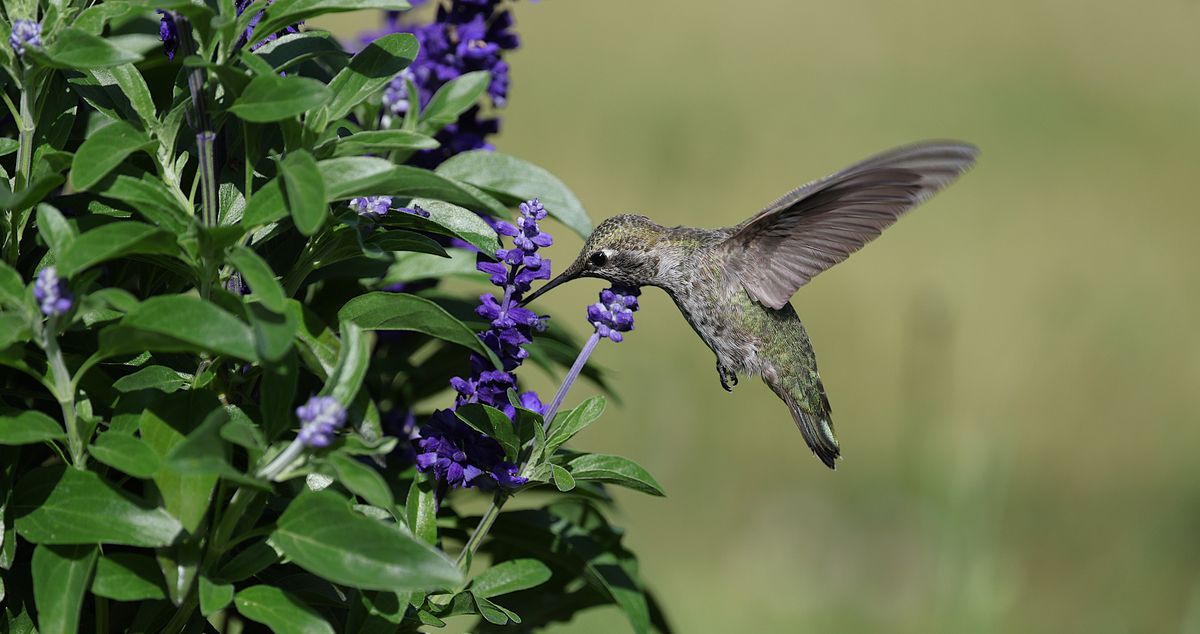
Photo by Veronika Andrews on Pexels
Keep these core insights in mind when selecting feeder materials for your yard:
Decision Support: Choosing the Right Option for Your Yard
Glass is the ultimate long-term choice for bird safety and garden beauty. Plastic serves only as a temporary budget option.
Best choice for
- Hand-Blown Solar Glass Feeder — Non-porous surface prevents bacterial harbor, heavy weight prevents tipping, and handcrafted artwork adds daytime/nighttime beauty.
- Basic Plastic Feeder — Low initial cost, lightweight for weak branches, though requires frequent replacement due to UV degrading.
- You live in severe hail zones without overhead porch cover for heavy glass.
- You cannot hang items weighing over 3 lbs when filled with 32 oz nectar.
- Standard Molded Glass Feeder — Good hygiene benefits of glass without solar lighting or artisan color patterns, but lacks nighttime garden illumination.
Real-World Backyard Scenarios
Direct 95°F High Summer Sunlight in Sunbelt States — Opt for hand-blown colored glass with a protective solar top cap. Plastic reservoirs rapidly yellow, become brittle, and leach chemicals when baked in intense UV, whereas 2,300°F fused glass maintains structural integrity and radiant color indefinitely.
Windy Coastal or Open Plain Backyard Locations — Choose a heavy 32 oz glass feeder with a weighted metal base. Lightweight plastic feeders swing erratically in 15 mph winds, splashing sugary nectar across your deck and creating a magnet for yellow jackets and ants.
Gifting Garden Decor to Bird Watching Enthusiasts — Select artisan hand-blown glass featuring solar RGB lighting. It functions as bespoke art by day and a glowing twilight sanctuary focal point by night, delivering a magical experience that plastic utility feeders cannot match.
Here is how plastic and glass feeders compare across distinct American garden environments:
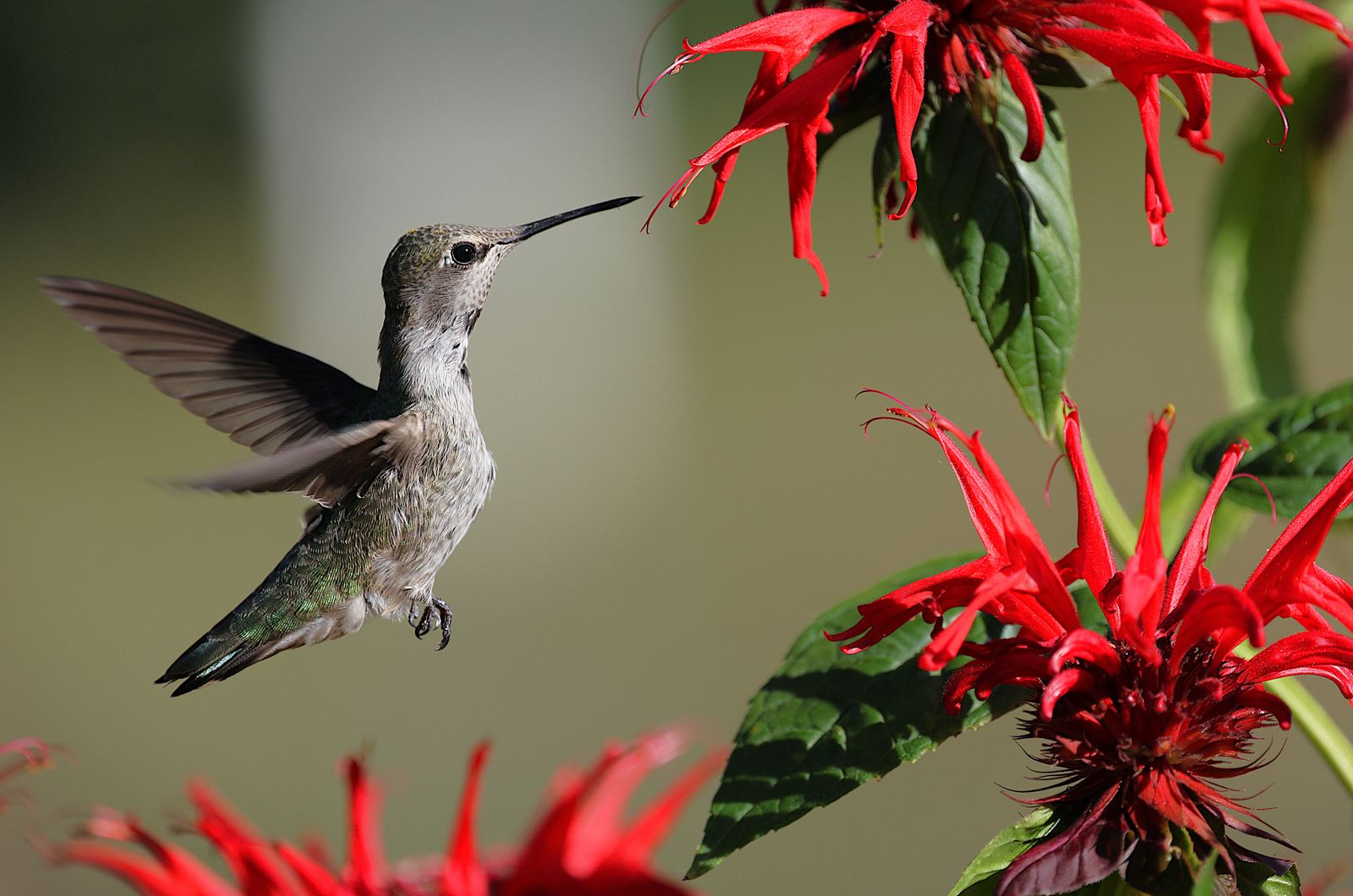
When you step out into your garden on a sunlit morning, watching a jewel-toned hummingbird hover effortlessly beside a blossom, the materials hanging in your sanctuary matter immensely. While mass-produced plastic feeders have flooded hardware store shelves for decades, experienced garden enthusiasts quickly discover their hidden costs: faded reservoirs, warped threads, sticky patio drips, and dangerous interior mold growth.
The Science of 2,300°F Fused Color vs. Surface Plastics
Plastic feeders rely on chemical dyes and petroleum polymers that react poorly to direct solar radiation. Under high heat and intense ultraviolet exposure, plastic molecular chains degrade, causing the reservoir to cloud, turn yellow, and crack. Worse yet, as plastic degrades, it can leach micro-plastic particles into warm nectar solutions.
In contrast, artisan glass feeders are crafted using heritage techniques passed down through generations. Master glassblowers work at fiery temperatures reaching 2,300 degrees Fahrenheit, melting rich mineral pigments directly into the liquid silica. As the glass cools, the vivid turquoise, ruby, and violet swirls become an inseparable part of the glass matrix itself. Rain, intense sunlight, and repeated washings will never cause the color to chip, peel, or fade.
Thermal Stability and Nectar Preservation
Nectar preservation is deeply influenced by material density. Thin plastic walls transfer external ambient heat rapidly, causing sugar water to ferment quickly on hot summer days. Rapid fermentation turns healthy 4:1 water-to-sugar nectar into acidic alcohol and yeast solutions that wild birds will reject.
Heavy-walled glass acts as a natural thermal buffer. Translucent hand-blown glass permits easy visual monitoring of your 32 fl. oz nectar level while filtering harsh direct sunlight, keeping the solution cooler and fresher between routine cleanings. Paired with a protective plastic solar cap that shields the upper neck from overhead weather, handcrafted glass keeps your feeding station fresh and inviting.
Enhancing Twilight Magic with Integrated Solar Technology
Beyond bird health and material durability, modern garden design favors multi-functional outdoor accents. An upgraded solar glass feeder serves a dual purpose: a vibrant bird feeding station during daylight hours, and an enchanting RGB light sculpture once the sun dips below the horizon.
As dusk falls, internal rechargeable batteries powered by the top solar panel automatically activate soft RGB LED light modes. The light refracts through the handcrafted glass curves and color swirls, casting a soothing, colorful ambient glow across your patio, garden bed, or porch overhang for up to 8 hours. It brings magical life to your outdoor space long after your hummingbirds have tucked into their high branches for the night.
Related Guides & Backyard Resources
- Glass vs. Plastic Hummingbird Feeders: Which Shields Nectar Best?
- Glass vs. Plastic Hummingbird Feeders: Which Lasts & Prevents Leaks?
- Glass vs. Plastic Hummingbird Feeder Durability: Weather & Season Guide
Featured Handcrafted Glass Solar Feeders
Transform your outdoor space with heirloom-quality glass artwork that feeds hummingbirds by day and lights up your yard by night.
Transform Your Garden Today
Your decision: Upgrade to an artisan hand-blown solar glass hummingbird feeder for superior hygiene, durability, and night lighting.
Do this next: Visit LUJII to select your favorite handcrafted color pattern and enjoy a leak-proof 32 oz feeder backed by rust-proof metal construction.
- Read next: How to Clean and Maintain Your Hand-Blown Solar Hummingbird Feeder
https://solarhummingbirdfeeder.com
Ready to replace disposable plastic with lifetime garden magic? Choose a handcrafted solar glass feeder to enjoy cleaner nectar, weather-resistant durability, and breathtaking twilight light in your own backyard.
Cover photo by Veronika Andrews on Pexels.