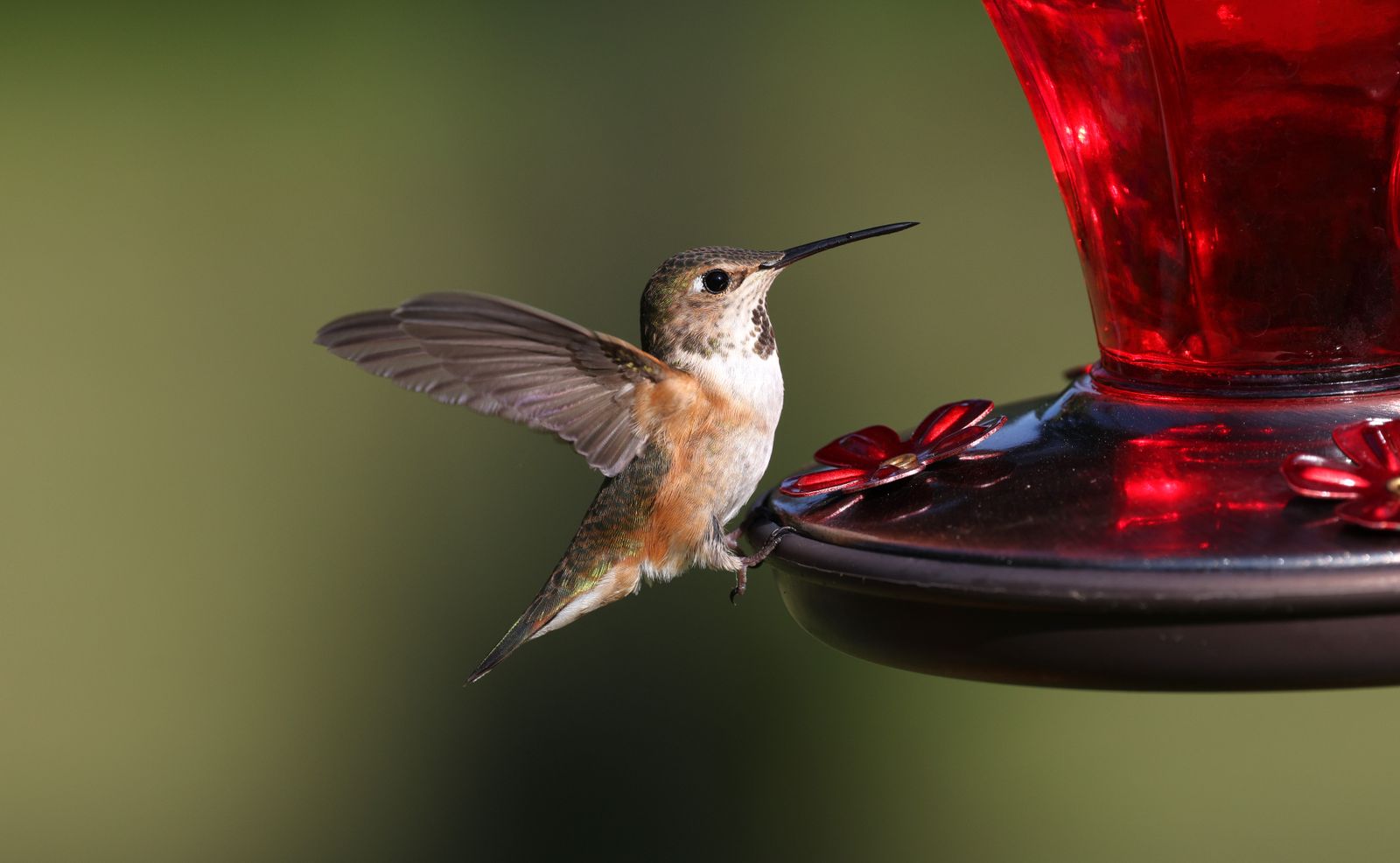
Glass vs. Plastic Hummingbird Feeder Durability: The Ultimate Outdoor Weathering Guide
Hand-blown glass outperforms plastic in long-term weather resistance, offering total UV immunity, scratch resistance, and zero yellowing over time. While plastic resists initial impact drops, prolonged sun exposure causes cracking, hazing, and nectar leakage, making thick glass with an anti-rust base the superior multi-year investment.
Weather Exposure Stress-Test Matrix: Glass vs. Plastic
| Durability Criteria | Hand-Blown Art Glass | Standard Plastic / Acrylic |
| --- | --- | --- |
| UV Radiation Resistance | 100% UV Immune; zero hazing, clouding, yellowing, or structural degradation over decades | Degrades within 6-12 months; suffers polymer breakdown, cloudiness, and surface brittleness |
| Thermal Heat & Warping | Impervious to ambient summer heat (annealed at 2,300°F); zero shape distortion or expansion leaks | Prone to softening, seam warping, and thermal distortion above 95°F, leading to neck drips |
| Scratch & Cleaning Resilience | Non-porous, hard silica surface; resists scrubbing scratches, bacterial harbors, and staining | Soft surface scratches easily with bottle brushes, creating micro-grooves that trap mold |
| High Wind Stability | Heavy weight (32 fl oz capacity + thick glass) creates pendulum inertia, resisting severe wind sway | Lightweight construction swings wildly in gusts, causing nectar spills and pole tipping |
| Freezing Weather Risk | Excellent freeze tolerance if nectar is fluid; risk of pressure cracking if liquid freezes solid | Becomes extremely brittle in freezing temperatures; high risk of snap cracking on cold impact |
| Multi-Year Lifespan | 5 to 10+ years with simple care; color and clarity remain vibrant permanently | 1 to 3 years average lifespan before aesthetic discoloration or functional cracking occurs |
Compare how hand-blown glass and outdoor plastics respond to severe seasonal weather elements over extended multi-year exposure.
Material Trade-Offs: Glass vs. Plastic
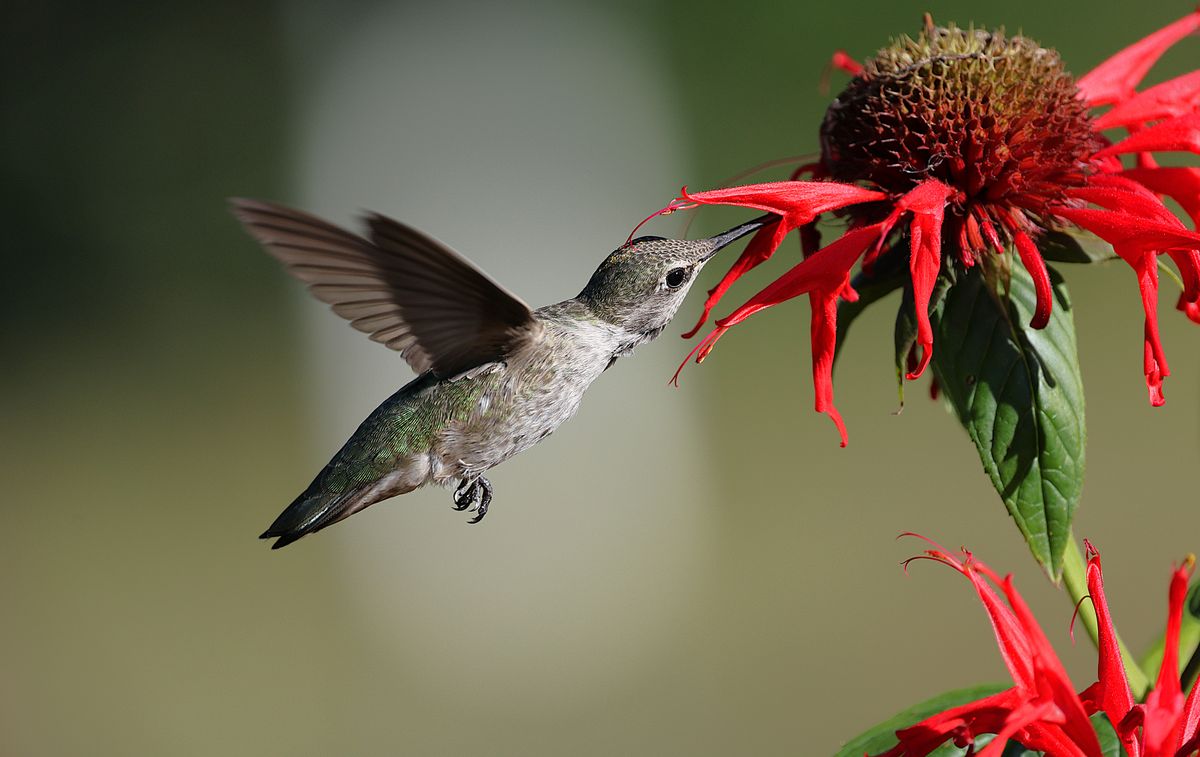
Photo by Veronika Andrews on Pexels
Pros
- Hand-blown glass features permanent, non-fading pigments fused at 2,300°F that never wash out or peel.
- Thick glass reservoirs provide natural thermal insulation, keeping nectar cooler under moderate sun.
- Heavy weight provides exceptional resistance to windy garden gusts, reducing nectar sloshing.
- Non-porous glass surfaces clean effortlessly with warm water without retaining artificial odors.
- Polycarbonate plastic offers excellent high-impact drop protection if knocked onto hard concrete.
- Artisan glass requires careful handling during winter deep-freezes when liquid ice expansion occurs.
- Thick glass feeders require sturdy, rust-resistant shepherd's hooks rated for 5+ pounds of hanging load.
- Thin plastic feeders degrade rapidly under intense solar ultraviolet rays, turning yellow and brittle.
Expert Tip: Guarding Glass Against Freeze-Thaw Stress
Glass is an amazingly resilient material born in extreme heat, but thermal shock and fluid expansion are its two natural vulnerabilities. When temperatures drop consistently below 20°F (-6°C), water expands by roughly 9% as it freezes. If liquid nectar freezes solid inside a sealed glass bottle, that outward ice pressure can strain internal glass walls. To preserve your hand-blown feeder for decades, simply bring the liquid nectar indoors on deep sub-zero nights, or swap in fresh, liquid 4:1 sugar water during icy mornings. Your feathered visitors will appreciate the un-frozen breakfast!
Top Durability Choice for All-Season Gardens
For garden enthusiasts seeking the perfect harmony of artisanal beauty, heavy-duty weatherproofing, and wildlife attraction, the LUJII Hand-Blown Glass Solar-Powered Hummingbird Feeder stands out as the ultimate multi-season choice.
- Artisan Craftsmanship: Handcrafted at 2,300°F, featuring vivid, non-fading translucent color swirls that make every single piece unique.
- Built for the Elements: Combines a thick 32 fl. oz. glass reservoir, a protective plastic solar cap that shields electronics from rain and snow, and a powder-coated anti-rust metal base.
- Twilight Magic: Recharges under daytime sunlight to power automatic RGB lights that illuminate your garden sanctuary for up to 8 hours every night.
- Drip-Minimizing Engineering: A slender vertical profile and custom silicone-sealed base contain liquid nectar securely even when breeze stirs your garden space.
5 Common Durability Blunders to Avoid
Protect your investment by avoiding these frequent setup and maintenance mistakes:
Frequently Asked Questions About Feeder Durability
How do I prevent my heavy glass hummingbird feeder from falling in high winds?
Anchor your setup using heavy-duty, powder-coated steel S-hooks and sturdy shepherd's hooks rated for at least 5 to 10 pounds. Hang the feeder in a semi-sheltered garden nook—such as near leafy windbreaks, porch overhangs, or sturdy pergola beams—where wind gusts are naturally buffered.
Can hand-blown glass hummingbird feeders stay outside during winter freezing weather?
Thick hand-blown glass handles ambient cold temperatures easily. However, because freezing liquid nectar expands by about 9%, hard sub-zero freezes can exert internal pressure on any sealed vessel. We recommend bringing liquid nectar indoors when temperatures stay continuously below 20°F (-6°C) to prevent ice expansion stress.
Does UV light damage nectar in clear plastic feeders faster than colored glass feeders?
Yes. Clear thin plastic permits full ultraviolet light penetration, which heats nectar quickly and accelerates bacterial fermentation and sugar spoilage. Vibrant colored hand-blown glass naturally filters harsh direct sunlight, keeping nectar cooler, fresher, and safer for visiting hummingbirds.
How do I safely clean hand-blown glass hummingbird feeders without scratching or cracking?
Rinse the reservoir with warm (not scalding) water and mild dish soap using a soft foam bottle brush or non-abrasive sponge. To eliminate thermal shock, avoid plunging a cold glass feeder directly into hot wash water. Never use harsh scrubbers or bleach solutions.
Here are expert answers to the most common questions regarding weather resistance, cleaning, and seasonal protection.
Next Steps for Your Durable Garden Sanctuary
Your decision: Choose heavy hand-blown glass with an anti-rust metal base for multi-year clarity, UV resistance, and wind stability in sun-exposed gardens.
Do this next: Inspect your outdoor hanging hooks for weight capacity and choose a semi-protected garden location to maximize feeder longevity.
- Read next: Summer Storm Protection: Weatherproofing Your Glass Solar Hummingbird Feeder Setup
- Read next: Choosing the Best Hand-Blown Glass Solar Hummingbird Feeder: A Collector's Buying Guide
LUJII Hand-Blown Glass Solar-Powered Hummingbird Feeder (32 oz, Anti-Rust Metal Base)
Ready to transform your outdoor space into a vibrant, illuminated hummingbird haven?
Key Durability Takeaways
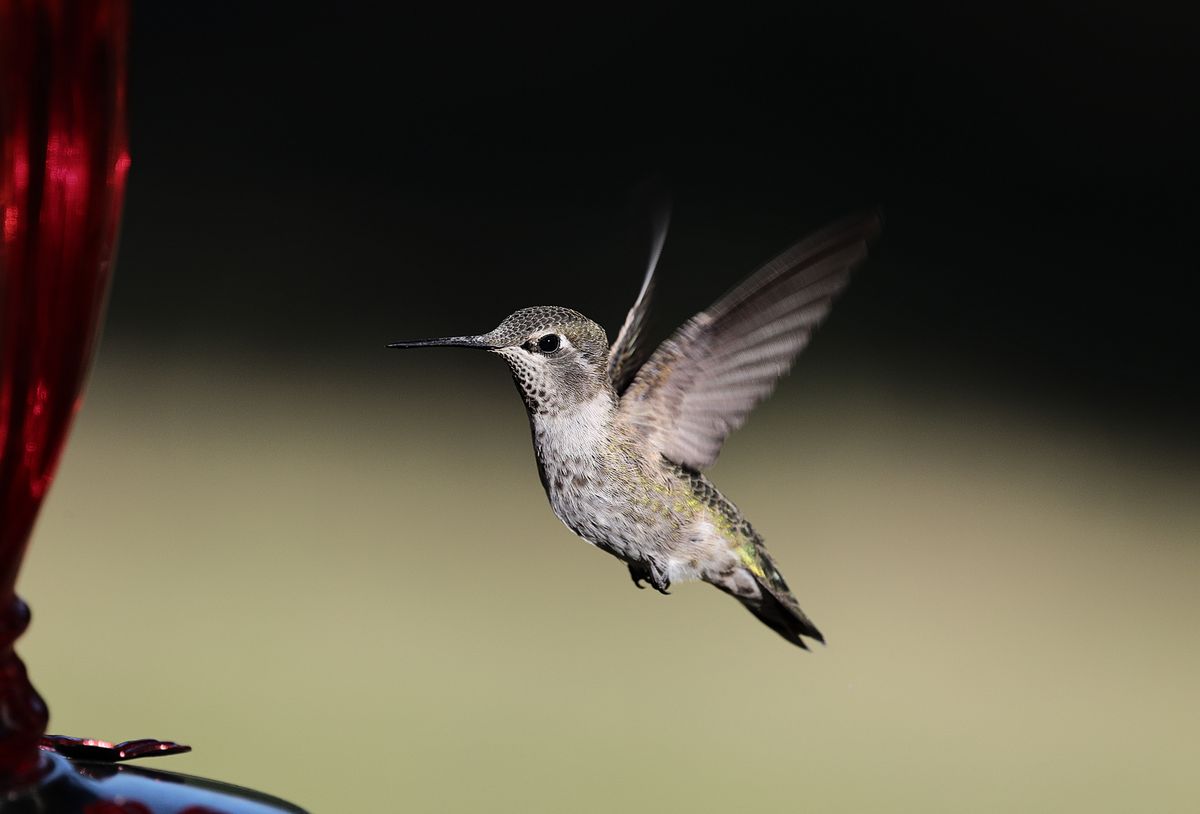
Photo by Veronika Andrews on Pexels
- Hand-blown glass provides 100% immunity to UV degradation, preventing yellowing, hazing, micro-cracking, and chemical leaching.
- Plastic feeders offer initial impact safety but break down quickly under direct sunlight, requiring frequent replacement every 1-2 years.
- Thick 2,300°F annealed glass provides superior thermal stability and structural weight, stabilizing the feeder against windy garden gusts.
- A complete weatherproof design combines hand-blown art glass, a protective plastic solar cap top shield, and an anti-rust powder-coated metal base.
- Color pigments embedded directly within handcrafted glass filter direct sunlight, keeping liquid nectar fresh up to twice as long as clear plastic.
Durability Decision Framework by Climate Zone
Hand-blown glass outlasts plastic in high-UV, intense heat, and coastal environments because it never yellow-clouds, warps, or leaches microplastics into nectar. Plastic is shatter-proof for ground drops, but degrades quickly under intense hot sun.
Best choice for
- Hand-Blown Glass with Sealed Metal Base — Glass completely resists solar UV degradation, keeping reservoir clear without hazing or nectar heating.
- Coated-Metal Base & Hand-Blown Glass Feeder — Art glass resists salt corrosion entirely, while powder-coated metal prevents rust.
- Heavy 32 oz Glass Feeder with S-Hook Anchor — The weight of a filled 32 oz glass bottle stabilizes the feeder, preventing extreme swaying and nectar loss.
- Leaving liquid nectar inside unheated glass feeders during hard sub-zero freezes without taking the liquid indoors.
- Using cheap clear acrylic or soft thin plastic in direct sun if you expect multi-year clarity without hazing.
- Hand-Blown Glass Solar Feeder with Protective Weather Cap — Combines the permanent clarity of thick art glass with a protective top cap and solar-powered garden illumination.
Real-World Weather Scenarios: High Winds, Sun Belts & Freeze Zones
Scorching July Heatwaves (100°F+ Direct Sun) — Hand-blown glass easily withstands extreme heat because it was annealed at 2,300°F. Colored glass keeps internal nectar temperatures lower than thin clear plastic, preventing rapid sugar fermentation. Plastic feeders in extreme heat can warp at neck threads, leading to slow nectar leaks.
Sudden Afternoon Windstorms & Summer Thunderstorms — A full 32 fl. oz. hand-blown glass feeder weighs approximately 3 to 4 pounds. This natural weight acts as a counterweight pendulum, dampening violent sways. Lightweight plastic feeders swing wildly, splashing sugar water onto ground flowers and attracting unwanted garden ants.
Winter Early Morning Frost & Freezing Transitions — Glass handles cold air temperatures effortlessly. To prevent damage from liquid ice expansion during overnight deep freezes, simply bring the nectar reservoir indoors at dusk and re-hang it filled with fresh room-temperature nectar at sunrise.
Here is how hand-blown glass and plastic perform during real outdoor weather events:
To understand why hand-blown glass outlasts molded plastics in outdoor settings, we must look at the underlying material science. Outdoor weatherability comes down to three physical challenges: photo-oxidation degradation, thermal expansion stress, and surface abrasion vulnerability.
Polymeric Photo-Oxidation vs. Silica Stability
Standard feeder plastics—such as polycarbonate, polystyrene, and acrylic—are long polymer chains. When hit by ultraviolet (UV-A and UV-B) rays from direct sunlight, these chemical chains undergo photo-oxidation. Over 6 to 12 months, the polymer structure develops microscopic cross-link breaks. Visually, this displays as yellowing, loss of translucency, surface hazing, and structural embrittlement. Once a plastic feeder becomes brittle, even a slight bump or temperature shift can cause it to snap.In contrast, hand-blown art glass is synthesized from natural silica fused at an astonishing 2,300°F (1,260°C). The resulting crystalline lattice is completely non-reactive to UV light. A hand-blown glass feeder exposed to 10 years of intense Southern sunlight will maintain 100% of its original clarity, color brilliance, and structural density.
``` +------------------------------------------------------------------+ | ANATOMY OF AN OUTDOOR-READY SOLAR GLASS FEEDER | | | | [ Protective Solar Cap ] ---> Shields battery & electronics | | | from rain, snow & harsh UV | | v | | [ Hand-Blown Art Glass ] ---> 2,300°F annealed thick glass | | (32 oz Capacity) UV-immune, heavy wind mass | | | | | v | | [ Rubber Gasket Seal ] ---> Creates airtight leak-proof | | | nectar barrier | | v | | [ Anti-Rust Metal Base ] ---> Powder-coated weather armor | | with integrated perches | +------------------------------------------------------------------+ ```
Thermal Shock and Structural Anatomy
While glass is infinitely superior against sun degradation, glass safety depends on proper annealing—a controlled slow-cooling process that relieves internal stress within the glass matrix. Artisanal hand-blown glass features thick, substantial walls that resist everyday bumps and ambient temperature shifts.Furthermore, premium designs like the LUJII Solar-Powered Hummingbird Feeder utilize a multi-material approach engineered for maximum outdoor survival:
Related Resources for Backyard Bird Lovers
- Glass vs. Plastic Hummingbird Feeder Durability: Weather & Season Guide
- Glass vs. Plastic Hummingbird Feeders: Which Shields Nectar Best?
- Plastic vs. Glass Hummingbird Feeder: Which Is Best for Your Garden?
Featured Weatherproof Solar Hummingbird Feeder
Bring lasting beauty, artisanal artistry, and brilliant evening illumination to your patio or garden space.
Final Summary & Garden Action Plan
Your decision: Select hand-blown glass with powder-coated anti-rust hardware for zero UV fading, multi-year durability, and superior stability in outdoor wind.
Do this next: Mount your glass feeder using a sturdy shepherd's hook in a semi-sheltered area to enjoy hummingbird visits by day and RGB lights by night.
- Read next: Summer Storm Protection: Weatherproofing Your Glass Solar Hummingbird Feeder Setup
LUJII Hand-Blown Glass Solar-Powered Hummingbird Feeder (32 oz)
Investing in handcrafted glass garden accents elevates your outdoor living experience while providing a safe, clean feeding haven for visiting wildlife.
Cover photo by Veronika Andrews on Pexels.