Glass vs Plastic Hummingbird Feeder Care & Durability Guide
Hand-blown glass hummingbird feeders significantly outperform plastic in long-term hygiene and durability because non-porous glass resists bottle-brush micro-scratching, preventing dangerous black mold harboring. While plastic warps, yellows under UV, and degrades, handcrafted glass paired with anti-rust metal bases provides an easy-to-sanitize, leak-proof solution that lasts for years.
Multi-Season Durability & Maintenance Matrix
| Maintenance & Durability Criteria | LUJII Hand-Blown Glass (Metal Base) | Standard Molded Plastic |
| --- | --- | --- |
| Micro-Scratch Resistance | 100% scratch-resistant silica; smooth, non-porous surface resists bacterial harboring. | Scratches easily with standard bottle brushes, creating microscopic micro-grooves that trap black mold spores. |
| UV Light & Solar Resistance | Zero yellowing or fading; 2,300°F embedded glass pigments remain vibrant indefinitely. | Degrades, warps, and turns brittle after 1–2 seasons of direct sunlight exposure. |
| Thread Integrity & Leak Prevention | Precision anti-rust metal threaded base prevents stripping and thermal warping. | Soft plastic threads deform in high summer heat (>90°F), causing persistent nectar drips. |
| Sanitization Safety | Withstands warm vinegar solutions (up to 140°F) and gentle scrubbing without surface wear. | Micro-grooves require harsh chemical soaks; plastic absorbs odors and degrades with repeated cleaning. |
| Nighttime Garden Enhancement | Integrated RGB solar-powered cap auto-illuminates up to 8 hours with zero nectar heating. | Standard plastic models lack integrated ambient lighting or require battery replacement. |
| Expected Lifespan | 5–10+ years with basic care. | 1–2 seasons before cracking, yellowing, or leaking. |
Compare how hand-blown glass with an anti-rust metal base holds up against standard molded plastic across core operational criteria.
Pros & Cons: Glass vs. Plastic Reservoir Care
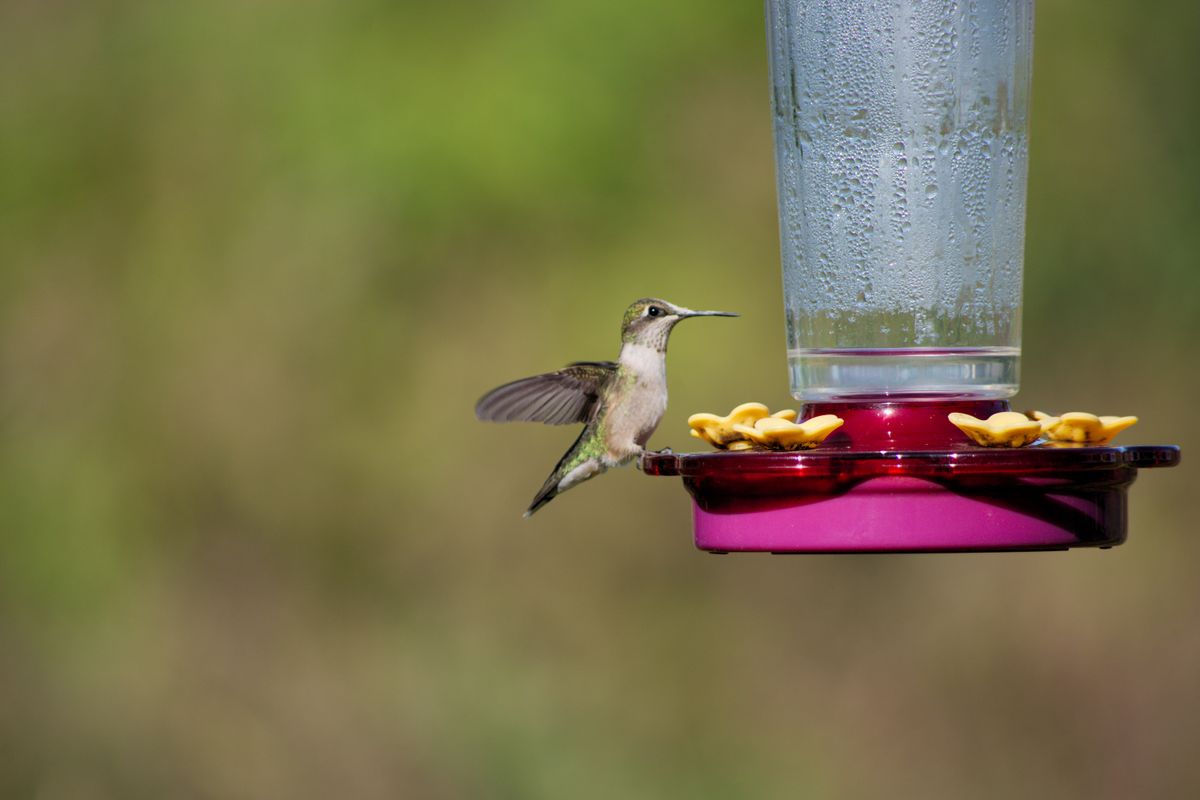
Photo by Sean Ewing on Pexels
Pros
- Hand-blown glass features a non-porous surface that rinses completely clean without micro-abrasions.
- Pigments embedded at 2,300°F never fade, peel, or leach chemicals into sweet nectar.
- Coated anti-rust metal bases maintain a tight, drip-proof seal regardless of summer temperature swings.
- Solar-powered LED caps add magical 8-hour RGB garden lighting without heating nectar.
- Glass requires thoughtful handling around concrete or stone patios to prevent drop damage.
- Handcrafted artisanal glass carries a slightly higher initial investment than disposable plastic.
Expert Sanitation Tip: Preventing Micro-Abrasion Mold
Avian rehabilitation specialists stress that Candida fungal spores and black mold easily colonize microscopic scratches left on plastic feeder interiors by stiff cleaning brushes. Switching to smooth, non-porous hand-blown glass eliminates these microscopic harbors, allowing a simple white vinegar wash to sanitize the vessel thoroughly without needing harsh chemicals.
Top Recommendation for Easy Cleaning & Lifespan
For bird lovers seeking an effortless sanitization routine and stunning backyard aesthetics, hand-blown glass paired with a sealed metal base represents the gold standard in feeder design.
Common Feeder Care & Cleaning Errors to Avoid
Protect your feeder's longevity and your local pollinators by avoiding these frequent maintenance missteps.
Frequently Asked Questions About Feeder Care
Can hot or boiling water crack a hand-blown glass hummingbird feeder?
Yes, extreme temperature jumps cause thermal shock. While artisanal hand-blown glass easily withstands warm sanitizing water up to 140°F, pouring boiling water directly into a cold reservoir causes structural expansion strain. Always use lukewarm water mixed with distilled white vinegar for routine sterilization.
How do I clean small crevices in a wide-mouth glass feeder without fading colors?
Because hand-blown glass colors are fused into the silica at 2,300°F during crafting, the pigments are non-porous and permanently embedded within the glass itself. They will never wash out, bleach, or fade. Use a soft bottle brush or sponge with a 1:4 white vinegar-to-water mixture to gently clean all interior curves.
How does a metal base compare to plastic bases in preventing nectar leaks?
Metal bases featuring anti-rust protective coatings maintain precise, rigid thread geometry even when exposed to high summer outdoor temperatures (>90°F). Plastic base threads tend to soften, expand, and warp under direct solar heat, causing thread stripping and continuous dripping that attracts wasps and ants.
Will solar-powered LED lights affect nectar freshness or cleaning procedures?
Not at all. Energy-efficient RGB solar caps generate zero heat transfer into the liquid nectar reservoir beneath, keeping your 4:1 sugar syrup completely cool and fresh. For cleaning, simply unscrew the solar cap and wipe the top pane with a damp cloth—never submerge the electronic cap in water.
Clear answers to essential maintenance, sanitization, and thermal safety questions.
Key Takeaways: Making the Right Material Choice
- Hygiene & Avian Health: Non-porous hand-blown glass resists cleaning micro-scratches, eliminating the bacterial and mold harbors common in scrubbed plastic feeders.
- Weather Resilience: Glass pigments fused at 2,300°F and anti-rust metal bases endure years of intense UV rays and heat without yellowing, warping, or leaking.
- Solar Elegance: Integrated RGB solar lighting turns your bird sanctuary into a magical nighttime garden focal point without warming or fermenting nectar syrup.
- Effortless Cleaning: Wide-mouth hand-blown glass reservoirs pair with simple vinegar washes for a fast, chemical-free sanitization routine.
Seasonal Feeder Inspection & Cleaning Checklist
- [ ] Disassemble reservoir, metal base, and silicone gasket rings.
- [ ] Flush glass reservoir with warm water (max 140°F / 60°C).
- [ ] Use a soft sponge or bottle brush with mild dish soap or a 1:4 white vinegar solution.
- [ ] Inspect base threads for sugar crystal buildup or physical wear.
- [ ] Rinse thoroughly with clean water to remove all vinegar or soap residue.
- [ ] Air dry completely before refilling with fresh 4:1 water-to-sugar nectar.
Recommended Nectar Replacement & Cleaning Schedule
- Daily (High Heat >90°F / 32°C) — Flush reservoir with warm water; inspect nectar for cloudiness or fermentation. Refill every 24–48 hours.
- Every 3 Days (Moderate Heat 70°F–89°F) — Perform warm water and white vinegar (1:4) rinse. Wipe feeding ports and base silicone seals.
- Every 5 Days (Cool Weather <70°F / 21°C) — Full disassembly wash using warm water and a soft bottle brush. Sanitize all perches and metal base threads.
- Monthly / Seasonal Inspection — Wipe top solar panel with a damp microfiber cloth. Check metal base anti-rust coating and replace silicone gaskets if worn.
Decision Guide: Which Material Fits Your Garden Routine?
Choose hand-blown glass with an anti-rust metal base if you prioritize avian safety, multi-year durability, and quick sanitization. Opt for molded plastic only as a short-term temporary feeder in shaded, low-sun areas.
Best choice for
- LUJII Hand-Blown Glass Solar Feeder — Non-porous glass prevents mold, retains vibrant visual appeal for years, and lights up automatically at night.
- Hand-Blown Glass with Metal Base — Metal threads resist solar heat warping and UV yellowing that cause plastic feeders to leak and crack.
- Artisanal Hand-Blown Glass — Each 2,300°F handcrafted vessel is a unique piece of living art that doubles as evening garden decor.
- You intend to clean feeders by blasting them with boiling water above 180°F.
- You place feeders directly over concrete ground where frequent accidental drops are likely.
- Factory-Molded Glass — Cheaper glass alternative, though thinner and lacks handcrafted color swirl beauty and solar illumination.
Real-World Weather Scenarios: Sun, Frost, and Wind
Midsummer Heat Wave (95°F+ Outdoor Temps) — Plastic feeders warp at the threaded neck, expanding and spilling nectar onto lawn plants. Hand-blown glass with an anti-rust metal base holds its structural shape, preserving thread seals and keeping sugar syrup contained.
Scrubbing Off Stubborn Black Mold — A bottle brush creates tiny micro-scratches inside plastic containers, giving fungal spores permanent footholds. On non-porous glass, mold slides off effortlessly during a short warm vinegar soak.
Evening Backyard Entertaining — Standard plastic feeders become invisible dark shadows at dusk. Solar-powered glass feeders store energy all afternoon and automatically cast glowing RGB ambient patterns across garden foliage for up to 8 hours.
See how different feeder materials respond to intense environmental stressors across North American climate zones.
To understand why hand-blown glass is the superior choice for hummingbird health, one must look at material science at a microscopic level. Standard plastic reservoirs are molded from synthetic polymers. Over time, exposure to ultraviolet (UV) radiation breaks these polymer bonds—a process known as photodegradation. As the plastic degrades, it grows yellow, brittle, and soft.
More critically for wild birds, every time a bottle brush scrubs the inside of a plastic feeder, the bristles carve thousands of invisible micro-abrasions into the soft synthetic interior. These tiny channels act as microscopic safe harbors for black mold spores (Cladosporium) and fungal pathogens (Candida). Even prolonged soaking in mild dish soap often fails to dislodge spores wedged inside micro-grooves.
In stark contrast, handcrafted glass is melted and shaped at temperatures reaching 2,300°F. This extreme heat fuses silica particles into a completely impermeable, non-porous structure. Glass resists bottle-brush scratching entirely. When you clean a hand-blown glass reservoir, the surface remains glass-smooth, allowing mold spores to wash away completely with warm water and organic white vinegar.
The Science of Handcrafted Glass Pigments
A common concern among garden shoppers is whether vibrant red, yellow, and blue colors on glass feeders will wash away or chip over time. On cheap factory-molded glass, colors are often painted or applied as an exterior film that flakes off after a few months in the sun.
However, true hand-blown glass art integrates mineral pigments directly into the molten silica at 2,300°F. The vivid swirls and translucent gradients are permanently embedded throughout the structural matrix of the glass. Sunlight cannot fade them, acid from vinegar cannot strip them, and water cannot wash them away. The translucent quality of this glass also gives you an effortless view of your 32 fl. oz nectar level from across the yard.
Solar Cap Integration and Heat Management
Integrating solar technology into a hummingbird feeder requires careful engineering to ensure ambient lighting does not raise nectar temperatures. The top-mounted plastic solar cap on models like the LUJII Solar Feeder acts as an insulating shield against rain, snow, and overhead sun, while its internal LED housing is thermally decoupled from the glass nectar vessel below.
Because modern RGB LEDs produce zero thermal radiation, the solar cap powers a mesmerizing 8-hour nighttime light display without heating the sugar syrup during the day or evening. Paired with a coated, anti-rust metal base that resists thread deformation, handcrafted solar glass feeders deliver unmatched longevity, leak protection, and garden enchantment.
Featured Hand-Blown Solar Glass Feeder
Upgrade your sanctuary with an artisanal feeder engineered for hygiene, durability, and evening magic.
Next Steps & Action Plan
Your decision: Upgrade from short-lived plastic to artisanal hand-blown glass for enhanced backyard beauty and superior bird health.
Do this next: Select a wide-mouth hand-blown glass solar feeder equipped with an anti-rust metal base to prevent leaks and simplify daily cleaning.
- Read next: How to Clean and Maintain Hand-Blown Glass Hummingbird Feeders Without Fading Color
- Read next: Hand-Blown vs. Factory-Molded Glass Feeders: Why Handcrafted Detail Matters
LUJII Solar-Powered Hand-Blown Glass Hummingbird Feeder (32 fl. oz)
Transform your backyard birdwatching experience by investing in scratch-free hygiene and timeless garden decor.