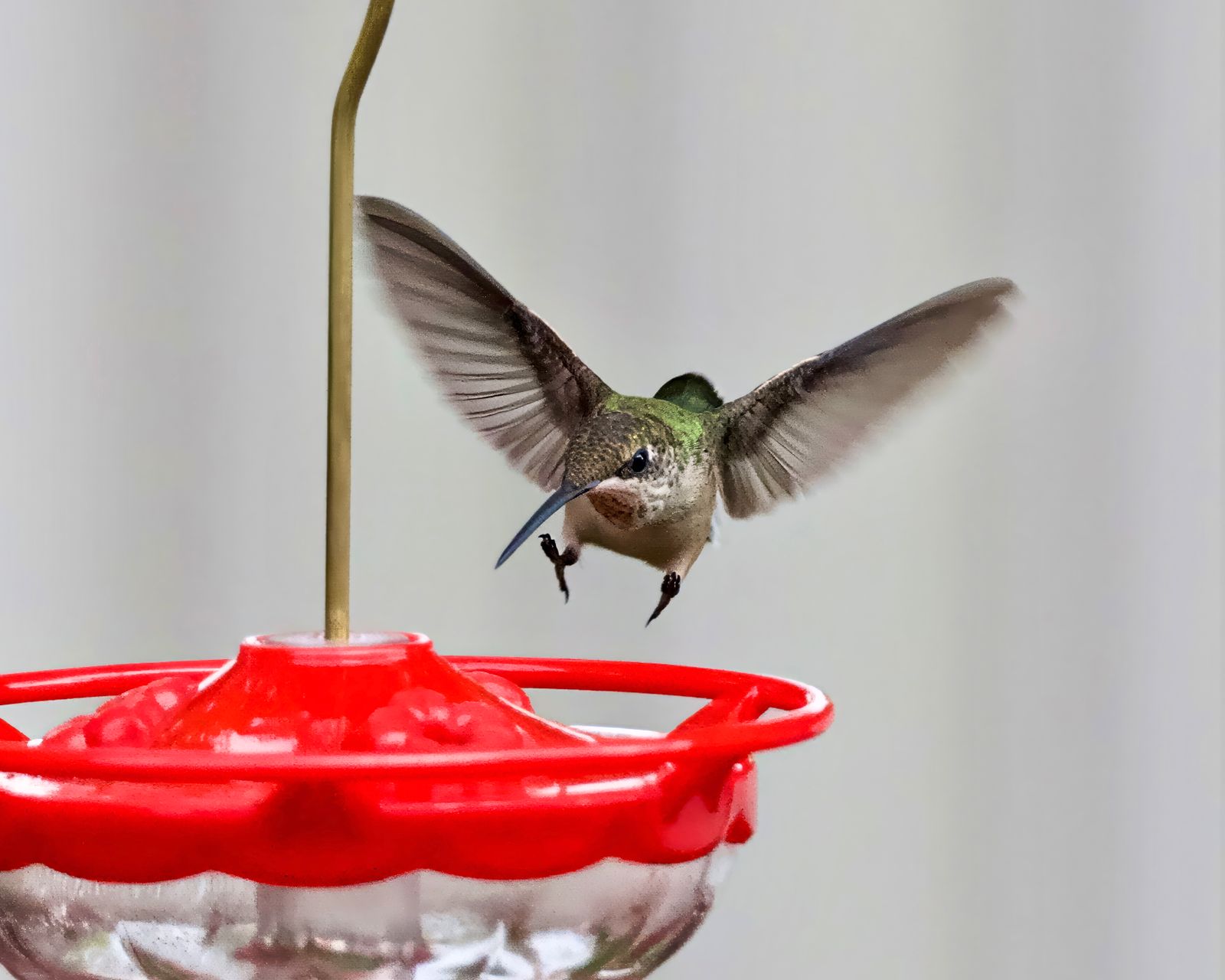
Do Hummingbird Feeders Stop Migration? Myths vs Facts
Should you keep your hummingbird feeder filled during autumn, or will it trap birds and stop their migration? No, leaving your hummingbird feeder out will never stop hummingbirds from migrating. Hummingbirds migrate in response to changing daylight hours and hormonal shifts, not food availability. Keeping clean, fresh nectar available in late fall provides vital, life-saving fuel for tired migrants passing through your yard.
Fall Feeding Specifications & Nectar Ratios
| Parameter | Standard Fall Specification | Freeze-Warning Specification | Autumn Maintenance Impact |
| --- | --- | --- | --- |
| Sugar-to-Water Ratio | 4:1 (1 cup sugar to 4 cups water) | 3.5:1 (1 cup sugar to 3.5 cups water) | Slightly lowers freezing point (~27°F) and supplies extra caloric density for shivering migrants. |
| Cleaning Frequency | Every 3–5 days | Every 2–3 days | Cool autumn air slows fungal mold growth, but bacterial biofilms still form on ports. |
| Dusk Illumination | Soft RGB Solar Illumination (up to 8 hrs) | Continuous Dusk Port Illumination | Helps late-arriving migrants spot feeding ports during shortening twilight without disturbing roosting. |
| Reservoir & Base Build | 32 fl. oz. Hand-Blown Glass Reservoir | Anti-Rust Coated Metal Sealed Base | Translucent glass allows effortless nectar level inspection; leak-proof base prevents wind drips. |
| Freezing Threshold | 32°F (0°C) | Bring indoors under 28°F (-2°C) | Prevents thermal stress cracking on glass reservoirs and ensures liquid nectar at first light. |
Maintaining a hummingbird feeder in chilly autumn weather requires subtle adjustments to nectar density, cleaning schedules, and twilight port visibility.
Biological Cues vs. Environmental Factors Flowchart
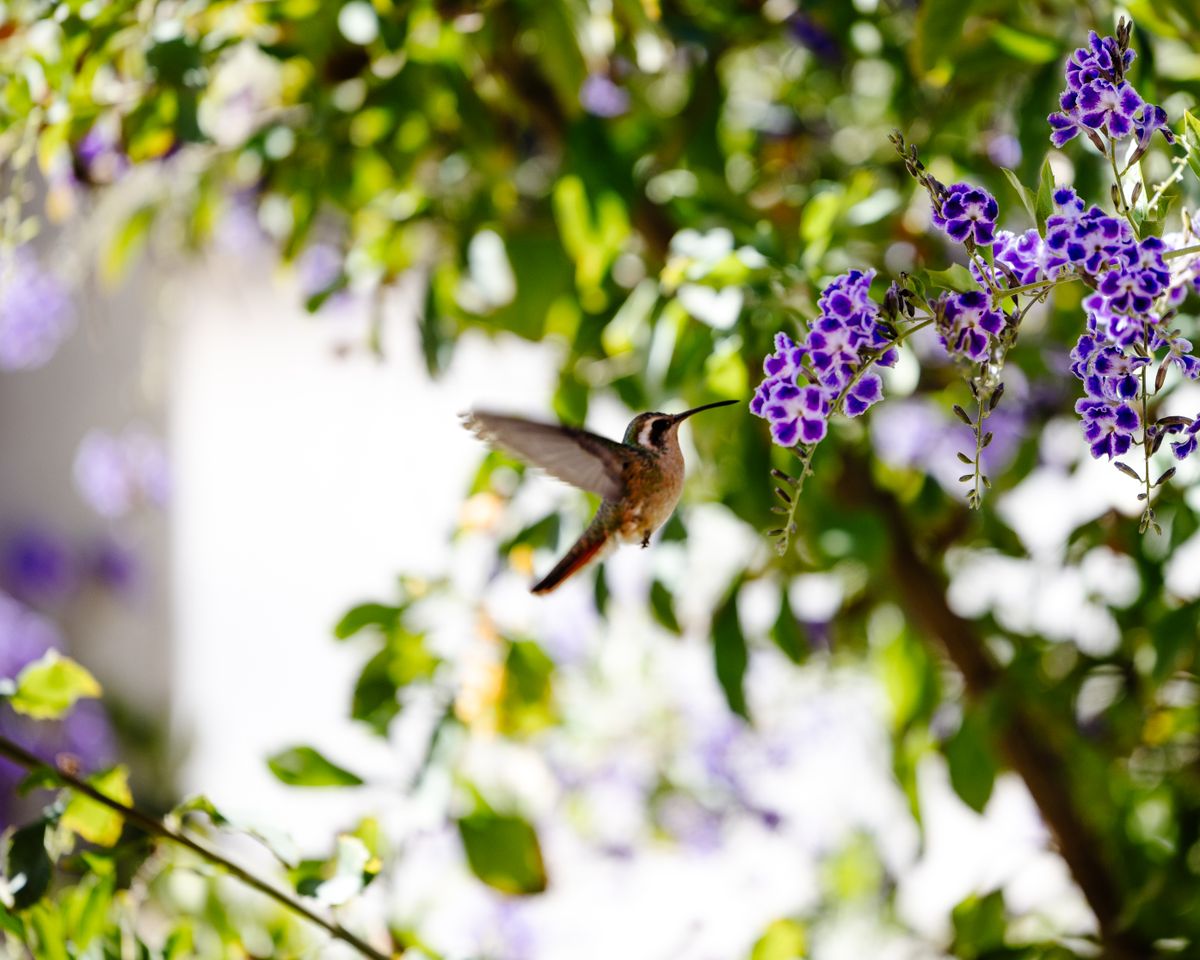
Photo by Josh Withers on Pexels
This diagram illustrates the neurological pathway from solar photoperiod changes to migratory flight, demonstrating that backyard feeders function strictly as refueling stations rather than migratory anchors.
Fall Hummingbird Migration Window by US Region
| US Region | Peak Migration Window | First Frost Danger Window | Recommended Feeder Takedown Date |
| --- | --- | --- | --- |
| Northern Tier & Canada | Late August – Mid-September | Late September / Early October | Late October (14 days after last sighting) |
| Central & Midwest US | September – Early October | Mid-to-Late October | Early November (14 days after last sighting) |
| Southern US & Gulf Coast | September – November | Late November / December | Keep year-round or Late November |
| Pacific Coast (West) | September – October | Varies (Mild coastal frosts) | Keep year-round (Anna's Hummingbirds winter over) |
Migration timing varies by latitude and climate corridor. Use this seasonal calendar to identify your regional peak window and safe feeder takedown schedule.
The Autumn Migration Timeline: From Hyperphagia to Final Takedown
- Late August (Pre-Migratory Hyperphagia) — Hummingbirds experience intense hormonal cravings, increasing their body mass by 40–50% through voracious feeding. Maintain clean, high-visibility 4:1 nectar feeders.
- September (Peak Migration Wave) — Adult males initiate southward flights first, followed shortly by females and fledglings. Feeder traffic surges as migratory travelers refuel along major corridors.
- October (Stragglers & Western Vagrants) — Local nesting populations depart. Late-hatched juveniles and wandering western species (such as Rufous Hummingbirds in the East) actively seek illuminated dusk feeders.
- November (The 14-Day Safety Window) — Begin counting 14 days from the exact date of your last hummingbird sighting. If zero visitors appear after two full weeks, thoroughly clean, dry, and store your feeders for winter.
Master Birder Tip: Twilight Feeding Support for Autumn Migrants
As autumn days shorten, sunset occurs earlier while ambient temperatures drop rapidly. Migrating hummingbirds must feed heavily during the twilight hours between 5:00 PM and 7:00 PM to build calorie reserves necessary to survive cold overnight roosting.
Utilizing a feeder equipped with soft solar RGB lighting illuminates the feeding ports during early dusk. The ambient glow helps tired travelers quickly locate clean nectar against dark garden foliage without interfering with their nocturnal sleep cycles.
Frequently Asked Questions About Autumn Hummingbird Care
Here are direct, scientific answers to common questions regarding late-season feeding, nectar freezing, and lighting.
Autumn Maintenance Check
Your decision: Commit to keeping your hummingbird feeder clean, filled, and visible until at least 14 days after your final autumn sighting.
Do this next: Inspect your feeder's seals today, switch to a fresh batch of 4:1 or 3.5:1 refined white sugar nectar, and clean ports every 3 to 5 days.
Related resource: Audubon Society Fall Migration Tracker & Local Birding Chapter Maps
Upgrade your garden decor with a hand-blown glass solar hummingbird feeder featuring automated dusk RGB lighting to support late-season migrants.
Before the next cold front arrives, inspect your yard to ensure your late-season feeding station is safe, clean, and visible.
Key Takeaways: Fall Migration Myths & Realities
Keep these essential facts in mind as you care for late-season hummingbirds in your garden.
Decision Guide: When to Keep Feeders Up vs. When to Clean & Store
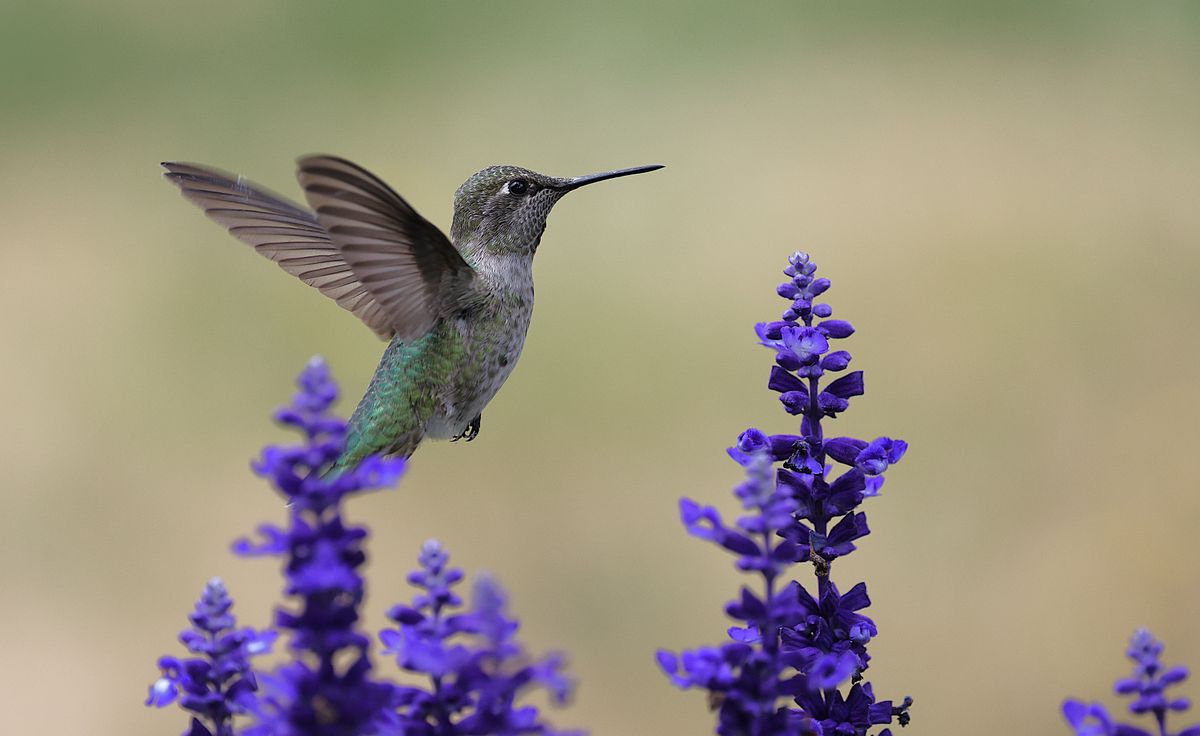
Photo by Veronika Andrews on Pexels
Keep feeders active throughout early and mid-fall. Only store feeders after two full weeks of zero hummingbird sightings across all local properties.
Best choice for
- Maintain Active Feeders — Provides vital glycogen restoration for traveling Ruby-throated, Rufous, or Black-chinned hummingbirds.
- Keep Feeders Year-Round — Anna's Hummingbirds and wintering vagrants depend on reliable nectar sources during cold winter months.
- Leaving uncleaned, fermenting nectar in feeders during cold snaps without routine inspection.
- Taking feeders down in early September while migrants are still passing through your state.
- Bring Glass Feeders Indoors Overnight — Protects hand-blown glass from extreme freeze-thaw cycles while keeping warm nectar ready for dawn arrival.
For decades, a persistent myth circulated among backyard birders: "If you leave your hummingbird feeder out in autumn, local birds will stay too long, miss their flight south, and freeze when winter arrives." Modern ornithology has conclusively thoroughly debunked this misconception.
How Photoperiodism Triggers Migration
Hummingbird migration is driven by an internal biological clock governed by photoperiodism—the change in solar day length. As late summer turns to autumn, decreasing daylight strikes retinal photoreceptors in the bird's eye. This light cue signals the pineal and pituitary glands to secrete endocrinological hormones.These hormones initiate two critical biological transformations:
Because these neurological triggers are wired directly to daylight changes, the presence of a backyard feeder cannot override millions of years of evolutionary instinct. A hummingbird will not linger in a northern yard during November simply because a feeder is full, any more than a human would skip bedtime because the pantry is stocked.
Why Autumn Feeders Save Lives
Far from trapping birds, late-season feeders are critical survival stations. During fall migration, hummingbirds burn immense amounts of energy. A bird flying southward may encounter unexpected headwinds, habitat destruction, or sudden cold fronts.When a migrant drops into your garden at dusk, exhausted and low on glycogen, a reliable nectar source provides the exact fuel needed to survive the night and resume flight the following morning. Furthermore, late feeders support younger fledglings migrating for the first time, as well as vagrant western species (such as Rufous Hummingbirds) wandering eastward during late autumn.
Migration Cues Comparison: Biological Triggers vs. Food Availability
| Evaluation Criteria | Photoperiodism (Day Length) | Ambient Temperature | Backyard Nectar Feeders |
| --- | --- | --- | --- |
| Primary Physiological Role | Triggers pituitary hormone release for Zugunruhe and hyperphagia. | Modulates immediate hourly metabolic rate and shivering responses. | Provides external carbohydrate calories to build fat and restore stamina. |
| Impact on Departure Date | Direct and Absolute. Determines exact seasonal departure window. | Secondary. Cold snaps may prompt immediate local flight, but do not start the biological clock. | Zero Impact. Does not delay or prevent migratory flight. |
| Behavioral Response | Induces intense migratory restlessness and orientation southward. | Forces nocturnal torpor or immediate search for shelter/energy. | Attracts short-term refueling stops during daylight hours. |
| Risk of Delays if Maintained | None (Governed by solar orbit). | None. | None. Birds depart as soon as biological urge and weather windows align. |
This criteria-based matrix contrasts how biological cues, climate, and food sources influence hummingbird migratory behavior.
Fatal Fall Feeding Failure Modes: What NOT to Do
While keeping feeders up during autumn is highly beneficial, improper maintenance can harm late-season migrants. Avoid these four major failure modes when managing fall nectar stations.
Recommended Gear for Autumn Feeding
To provide optimal support for late autumn migrants while enhancing your yard's aesthetic charm, select a durable, weatherproof feeder engineered for chilly weather performance.
Your Autumn Backyard Action Plan
Your decision: Decide to keep your hummingbird feeders clean, filled, and well-lit until at least two full weeks after your last observed bird visitor.
Do this next: Inspect your outdoor feeding setup today: clean the reservoir, mix a fresh 4:1 white sugar nectar solution, and place your feeder in a sunny location so its solar panel fully charges for dusk illumination.
Related resource: Audubon Society Fall Migration Tracking & Local Birding Chapter Maps
Equip your garden with the LUJII Solar-Powered Hand-Blown Glass Hummingbird Feeder to offer high-visibility nectar and soft RGB twilight lighting for traveling autumn birds.
Ensure your yard is fully prepared to aid migrating hummingbirds throughout the fall season.