Are Plastic Hummingbird Feeders Safe? Hidden Risks and Eco-Friendly Glass Alternatives
Common garden wisdom often assumes that if a feeder is labeled 'BPA-free plastic,' it is completely safe for hummingbirds under the blistering summer sun. The truth is far more delicate. Thin plastic feeders rapidly photo-degrade under UV sunlight and thermal heat, leaching estrogenic plasticizers (like BPS and phthalates) directly into sugar water. Furthermore, cleaning plastic with stiff brushes leaves invisible micro-scratches that trap deadly black mold (Cladosporium) spores.
For a truly safe, non-toxic feeding station, non-porous hand-blown glass is the gold standard. Handcrafted at 2,300°F, artisan glass creates a smooth, chemical-free reservoir that withstands intense heat, resists scratching, and keeps nectar pure and refreshing for your feathered visitors.
Material Decision Guide: Evaluating Your Backyard Feedware
While cheap plastic feeders seem convenient, UV sunlight accelerates chemical degradation, micro-scratching, and mold retention. Upgrading to hand-blown glass eliminates leaching risks while offering superior hygiene and aesthetic beauty.
Best choice for
- LUJII Hand-Blown Artisan Solar Glass Feeder — 100% non-porous glass formed at 2,300°F will never leach chemicals, scratch under brushes, or harbor hidden mold spores, while solar illumination shades the top reservoir.
- BPA-Free Polycarbonate Plastic (#5 or #7 Polycarbonate) — Lower heat degradation risk if kept 100% in deep shade and sanitized every 48 hours, though surface scratching remains a multi-season concern.
- Using thin PET or unlabelled resin plastic feeders in direct sunlight during summer heat above 85°F.
- Scrubbing plastic feeder interiors with stiff wire brushes that create microscopic grooves for toxic mold.
- Standard Heavy-Duty Machine Glass Feeder — Provides non-leaching chemical safety, though lacks hand-crafted color patterns, slender leak-proof base, and solar night illumination.
If you currently host hummingbirds in direct sunlight, evaluating whether to retain, adjust, or upgrade your feeder can prevent accidental harm to these micro-aviators.
Safe, Non-Toxic Alternative: LUJII Hand-Blown Glass Solar Feeder
If you want to eliminate plastic risks entirely while transforming your garden into an enchanting sanctuary, the LUJII Solar-Powered Hand-Blown Glass Hummingbird Feeder is the ultimate upgrade.
Why Artisan Glass Elevates Backyard Birding:
- 2,300°F Hand-Blown Glass Art: Crafted by master glass artisans through generations of tradition, every vibrant translucent reservoir is one-of-a-kind. Its non-porous structure ensures zero chemical leaching and zero micro-scratch mold traps.
- Solar-Powered Ambient RGB Illumination: The top plastic cap double-functions as a protective solar canopy, shielding nectar from direct overhead sun rays during the day while powering multi-color RGB LEDs for up to 8 hours at night.
- 32 fl. oz Leak-Proof & See-Through Design: Featuring a slender, gracefully curved silhouette and an anti-rust coated metal base with a tight gasket seal, this feeder prevents sugary drips that attract unwanted yellowjackets and ants.
Expert Care Tip: Protecting Nectar Integrity in High Heat
Pro Tip from Avian Conservationists: Hummingbirds have incredibly sensitive digestive tracts and high metabolic rates. In ambient temperatures over 88°F, sugar nectar in thin plastic feeders can ferment into harmful alcohol and harbor bacterial biofilms within just 24 to 48 hours.
To maintain pristine nectar:
Pros & Cons: Plastic vs. Hand-Blown Glass Feeders
Pros
- Hand-blown glass is 100% non-porous, completely eliminating chemical leaching and BPA/phthalate risks.
- Smooth, fire-finished glass surface resists brush scratches, preventing micro-grooves where black mold nests.
- Translucent 32 oz reservoir allows effortless nectar level monitoring without opening the chamber.
- Integrated solar cap provides up to 8 hours of ambient RGB night lighting while physically shading nectar.
- Hand-blown glass feeders carry a higher initial investment than disposable plastic models.
- Glass requires careful handling during cleaning to prevent drops on hard granite or concrete surfaces.
Safety Matrix by Outdoor Exposure Scenario
| Outdoor Scenario / Stress Test | Thin Plastic Feeder (#1 PET / Unlabelled) | Heavy-Duty Polycarbonate (#5 / BPA-Free) | LUJII Hand-Blown Glass Feeder |
| --- | --- | --- | --- |
| Direct Sunlight (>85°F Ambient Heat) | High Risk: Polymer breakdown leaches plasticizers; nectar ferments rapidly. | Moderate Risk: Resists immediate breakdown, but UV photo-degradation degrades resin over 1 season. | Zero Risk: Glass handles extreme heat without thermal expansion, chemical release, or warping. |
| Repeated Internal Brush Scrubbing | Severe Risk: Stiff nylon bristles leave microscopic channels where black mold incubates. | Moderate Risk: Scratch-resistant coating wears off, leaving micro-fissures over time. | Zero Risk: Fire-polished glass surface (crafted at 2,300°F) is ultra-hard and scratch-proof. |
| Multi-Year UV & Weather Exposure | High Risk: Turns cloudy, brittle, and yellowed within 6-12 months. | Moderate Risk: Surface hazing occurs after 2 seasons of intense sun exposure. | Zero Risk: Color pigments are fused into molten glass; immune to UV degradation or fading. |
| Nectar Temperature & Shading | High Risk: Thin plastic wall absorbs solar radiation, overheating nectar. | Moderate Risk: Moderate heat transfer; requires full shade placement. | Low Risk: Thick translucent glass and protective solar cap shield nectar from direct rays. |
This scenario-based safety matrix compares thin budget plastic, high-grade polycarbonate, and artisan hand-blown solar glass under real-world garden conditions.
Your Action Plan for Safer Backyard Birding
Your decision: Transition away from low-grade plastic feeders, especially in sunny or hot garden placements, to prevent avian health risks.
Do this next: Inspect current plastic feeders for micro-abrasions, haze, or odor. If present, replace with a non-porous hand-blown glass feeder.
Related resource: Download our Seasonal Hummingbird Feeder Hygiene Guide.LUJII Hand-Blown Solar Hummingbird Feeder (32 oz Leak-Proof Glass)
Take proactive steps today to ensure your backyard feeding sanctuary remains clean, non-toxic, and inviting for returning hummers.
Key Takeaways: Plastic Feeder Risks at a Glance
- UV degradation breaks down thin plastic polymers, leaching estrogenic plasticizers into sugar water.
- Cleaning plastic with brushes creates invisible micro-scratches where toxic mold spores (Cladosporium) persist despite washing.
- Artisan hand-blown glass crafted at 2,300°F provides a smooth, non-porous, chemical-free sanctuary for hummingbirds.
- The LUJII Solar Hummingbird Feeder combines 32 oz leak-proof glass art with solar-powered RGB lighting for day and night garden beauty.
Feeder Material & Health Safety Checklist
- [ ] Check plastic reservoir for interior surface scratches caused by cleaning brushes.
- [ ] Inspect plastic for cloudiness or yellowing, which indicates UV resin degradation.
- [ ] Sniff interior chamber after washing to ensure no retained sour nectar or plastic odor.
- [ ] Verify plastic resin code on bottom base (avoid unlabelled or resin #7 plastics).
- [ ] Confirm plastic base components do not deform under warm water rinsing.
5 Critical Mistakes Backyard Birders Make with Feeders
Avoid these common feeder hazards to keep your local hummingbird population thriving.
Explore More Sustainable Backyard Birding Guides
Expand your knowledge of backyard wildlife conservation and artisan garden decor with these additional reading topics:
- Hand-Blown Glass vs. Plastic Hummingbird Feeders: Why Artisan Craftsmanship Wins
- How to Clean and Maintain Your Hand-Blown Solar Hummingbird Feeder
- The Art of 2,300°F Glassblowing: How Heritage Craftsmanship Shapes Unique Garden Decor
- Solar-Powered Lighted Feeders vs. Standard Glass Feeders
Frequently Asked Questions About Feeder Safety
Get fast, authoritative answers to the most common questions regarding feeder materials, resin codes, heat degradation, and solar lighting.
Final Recommendations & Next Steps
Your decision: Transition away from low-grade plastic feeders, especially in sunny or hot garden placements, to prevent avian health risks.
Do this next: Inspect current plastic feeders for micro-abrasions, haze, or odor. If present, replace with a non-porous hand-blown glass feeder.
Related resource: Download our Seasonal Hummingbird Feeder Hygiene Guide.LUJII Hand-Blown Solar Hummingbird Feeder (32 oz Leak-Proof Glass)
Ready to transform your garden into a chemical-free, glowing haven for hummingbirds? Upgrade your backyard feedware to handcrafted glass art.
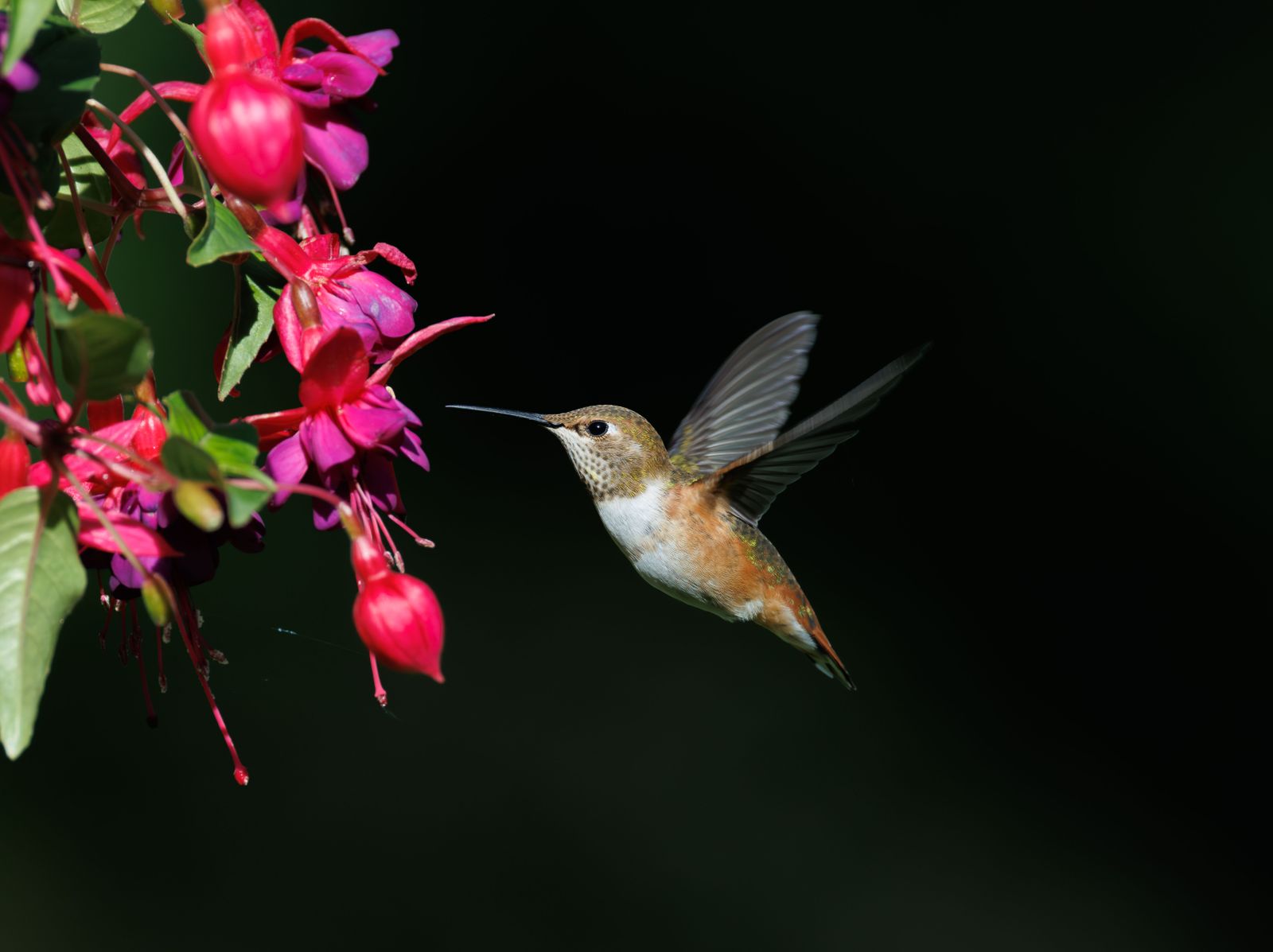
Cover photo by Veronika Andrews on Pexels.