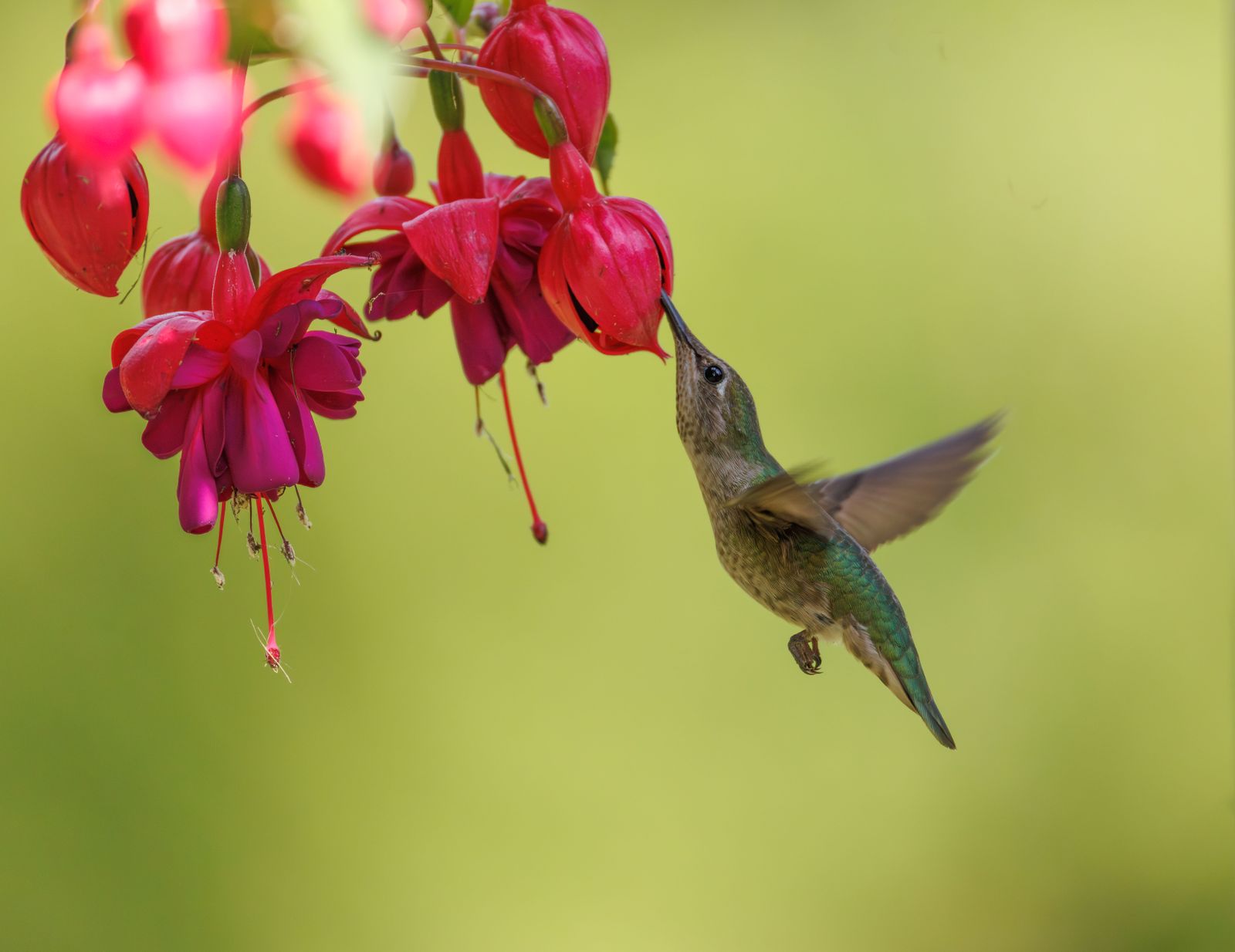
Hummingbird Nectar Water Quality FAQ: Safe Water Types & Boiling Guide
Contrary to the widespread myth that distilled water is the safest choice for birds, pure distilled water lacks essential natural electrolytes and can disrupt a hummingbird's delicate metabolic balance. Boiled municipal tap water or bottled spring water mixed with pure white cane sugar at a 4:1 ratio provides the safest, non-toxic nectar base while preserving your handcrafted glass feeder.
Water Source Decision Guide: Choosing the Right Water for Your Setup
Choose standard municipal tap water boiled for 1 to 2 minutes for most feeding setups, or activated-carbon filtered water if your local water district uses chloramines or carries heavy mineral scaling.
Best choice for
- Rolling Boil (1-2 minutes) — Eliminates harmful micro-organisms and dissipates free chlorine gas while retaining beneficial trace electrolytes.
- Carbon Block Filter + Boil — Chloramines do not evaporate during boiling; a activated carbon pitcher or block filter removes chemical disinfectants before boiling.
- 50/50 Spring Water & Well Water Blend (Boiled) — Reduces iron and calcium crusting on decorative hand-blown glass reservoirs while preventing metal overload in tiny avian kidneys.
- Avoid using 100% distilled water exclusively, as it alters osmotic pressure and lacks vital natural minerals.
- Avoid drawing hot water directly from residential water heaters, which contains heavy metal sediment, tank corrosion, and mineral sludge.
- Avoid unboiled raw well water, which can harbor unseen bacterial spores, agricultural runoff, or harmful coliforms.
- Commercial Bottled Spring Water — An ideal pre-balanced alternative if your home well water contains high sulfur or heavy rust contamination.
Protecting Pure Nectar: Hand-Blown Glass Feeders for Safe Feeding
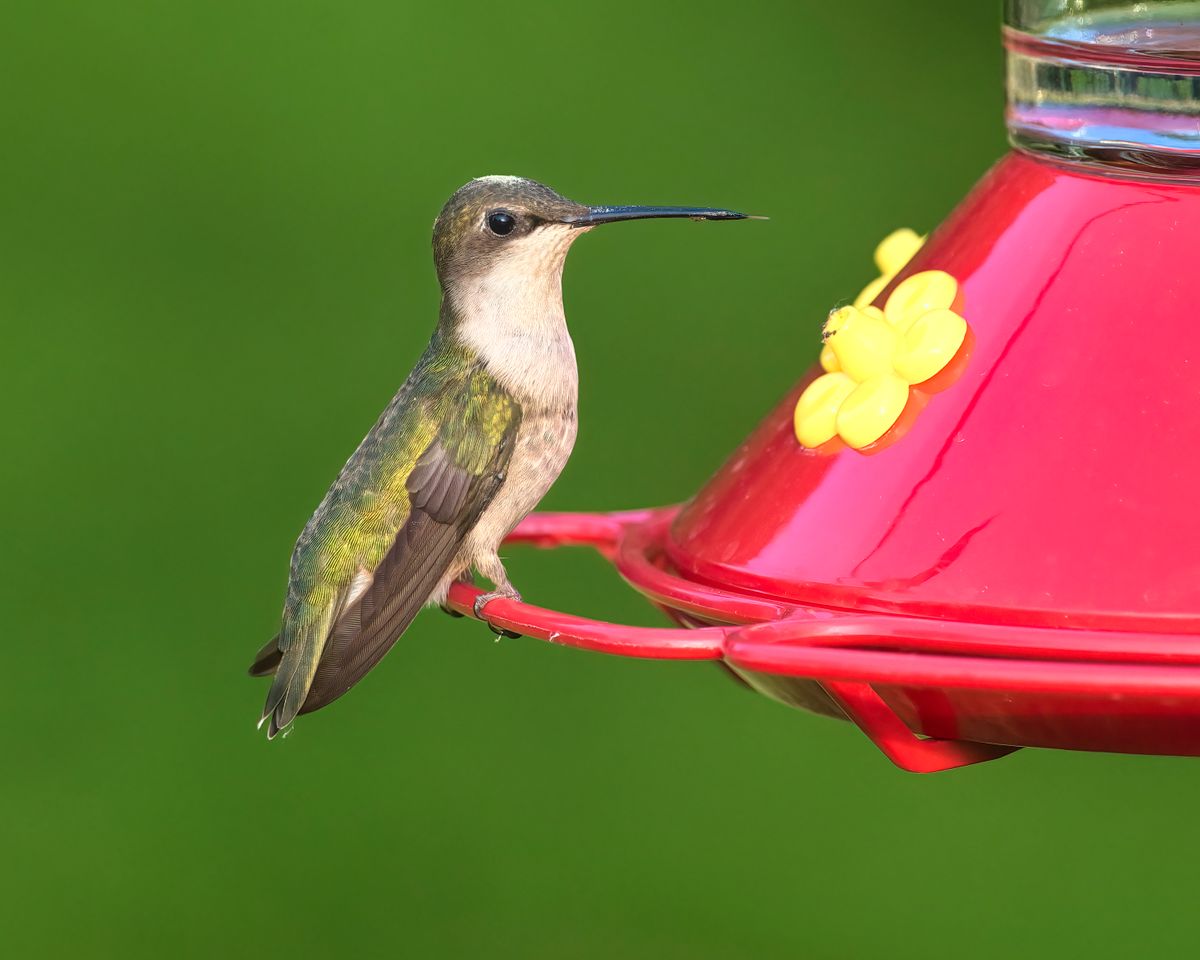
Photo by pete weiler on Pexels
Once you've crafted pure, clean nectar, the vessel you pour it into matters just as much. Non-porous, handcrafted glass reservoirs ensure zero chemical leaching while offering effortless visibility of your nectar levels.
🌟 LUJII Solar-Powered Hummingbird Feeder 🌟
- Hand-Blown Glass Artistry: Each reservoir is individually handcrafted at 2,300°F by master glass artisans, creating unique, vibrant translucent patterns that capture sunlight by day and never leach chemicals into your nectar.
- Solar Power & RGB Lights: Automatically illuminates at night for up to 8 hours after a full recharge, adding a magical glow to your evening garden landscape.
- Leak-Proof & Easy Clean: Features a 32 fl. oz capacity with a slender silhouette, sealed anti-rust metal base, and smooth glass walls that resist mold adhesion.
- All-Weather Shield: Integrated plastic solar cap shields nectar from harsh sunlight, rain, and snow, keeping your purified nectar fresh longer.
Pro Tip: Preventing Hard Water Etching on Hand-Blown Glass
If you live in a hard water region (high calcium and magnesium content), boiling water won't remove heavy minerals—it actually concentrates them slightly through evaporation. Over time, these minerals form a stubborn white cloudy scale inside hand-blown glass feeder reservoirs.
The Restoration Solution: Never scrub handcrafted glass with steel wool or harsh chemical detergents, which cause permanent micro-scratches. Instead, submerge the glass reservoir in a 50/50 solution of warm water and plain white distilled vinegar for 20 to 30 minutes once every two weeks. The acetic acid gently dissolves mineral scale, restoring sparkling clarity without harming decorative glass glazes.
Hummingbird Nectar Water Source Comparison
| Water Source / Scenario | Avian Safety Rating | Disinfectant Profile | Glass Feeder Impact | Required Prep Protocol |
| --- | --- | --- | --- | --- |
| Standard Municipal Tap | High (when boiled) | Free Chlorine Gas | Low to Moderate Scale | Bring to rolling boil for 1–2 mins to kill pathogens & off-gas chlorine. |
| Chloramine Municipal Tap | Moderate (needs filtering) | Stable Chloramines | Low to Moderate Scale | Pass through carbon block filter first, then boil 1–2 mins. |
| Private Well Water | Variable (requires testing) | None (potential bacteria/metals) | High Mineral Staining | Test annually for coliforms/nitrates; boil 2 mins minimum. |
| Distilled Water | Caution (lacks electrolytes) | None | Zero Scale (Crystal Clear) | Mix 50/50 with boiled tap or spring water to restore mineral balance. |
| Bottled Spring Water | Excellent | None | Minimal Scale | Bring to brief boil (1 min) to sterilize before dissolving sugar. |
Compare common household water choices across safety, chemical treatment, preparation requirements, and long-term glass preservation factors.
Key Takeaways: Water Quality Essentials at a Glance
- Never Use 100% Distilled Water: Distilled water lacks natural electrolytes and can disrupt osmotic fluid balance in tiny songbirds.
- Boil Tap Water for 1–2 Minutes: Boiling kills fungal mold spores and off-gasses standard free chlorine gas.
- Filter Chloramines First: Chloramines do not evaporate easily; use an activated carbon filter pitcher before boiling if your utility uses chloramines.
- Never Use Hot Tap Water: Always heat cold tap water on the stove or in a kettle. Hot tap water carries tank sediment and dissolved heavy metals.
- Protect Artisan Glass: Clean mineral scale with a gentle 50/50 white vinegar soak to prevent permanent hazing on hand-blown glass.
Checklist: Pure Nectar Water Preparation & Feeder Care
- [ ] Verify tap water source (if private well, confirm annual testing for bacteria and nitrates).
- [ ] Filter municipal tap water through an activated carbon block if treated with stable chloramines.
- [ ] Measure cold water accurately (e.g., 16 fl. oz cold water to 4 fl. oz pure white cane sugar).
- [ ] Bring cold water to a full rolling boil for 1 to 2 minutes on the stove.
- [ ] Stir in pure white refined cane sugar until crystal clear; remove from heat immediately.
- [ ] Allow nectar to cool completely to room temperature before handling.
- [ ] Inspect hand-blown glass reservoir for cleanliness; soak in 50/50 vinegar water if mineral haze appears.
- [ ] Fill feeder reservoir and hang in a shaded or semi-shaded garden location.
5 Dangerous Water Preparation Mistakes to Avoid
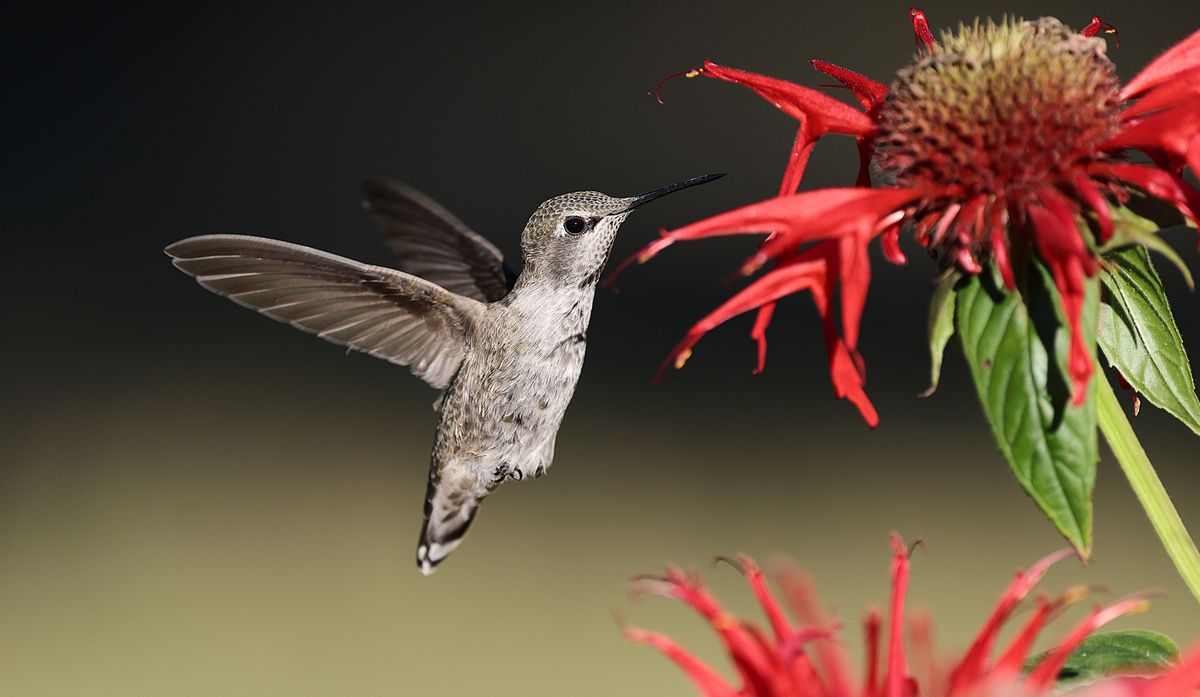
Photo by Veronika Andrews on Pexels
Avoid these frequent missteps that compromise nectar freshness or damage delicate glass artwork:
Related Guides on Hummingbird Nectar & Backyard Feeding
- Do You Need to Boil Water for Hummingbird Nectar? 1 to 2 Minutes Is Enough
- Best Water for Hummingbird Nectar: Tap, Filtered, or Distilled?
- Hummingbird Nectar Safety FAQ: Spoilage, Mold, and Feeder Hygiene Answered
Frequently Asked Questions: Nectar Water Quality & Safety
Detailed scientific answers to specific water purification and feeder maintenance questions.
Next Steps: Pamper Your Backyard Hummingbirds
Your decision: Determine whether your municipal water relies on chlorine or chloramines, and choose carbon filtration if necessary.
Do this next: Filter cold tap water, bring to a 2-minute rolling boil, dissolve white cane sugar at a 1:4 ratio, cool to room temperature, and fill your hand-blown glass feeder.
- Read next: How to Make Safe DIY Hummingbird Nectar: The Ultimate 4:1 Recipe
- Read next: Hot Weather Nectar Ratios: How to Keep Hummingbird Food Fresh in Summer
Elevate your outdoor space with the handcrafted LUJII Solar Glass Hummingbird Feeder—combining 2,300°F hand-blown glass art with automatic RGB solar evening lighting.
Ready to transform your garden into a bustling, illuminated hummingbird sanctuary? Pair your perfected water purification routine with a handcrafted glass feeder designed for beauty, safety, and durability.
Cover photo by Veronika Andrews on Pexels.