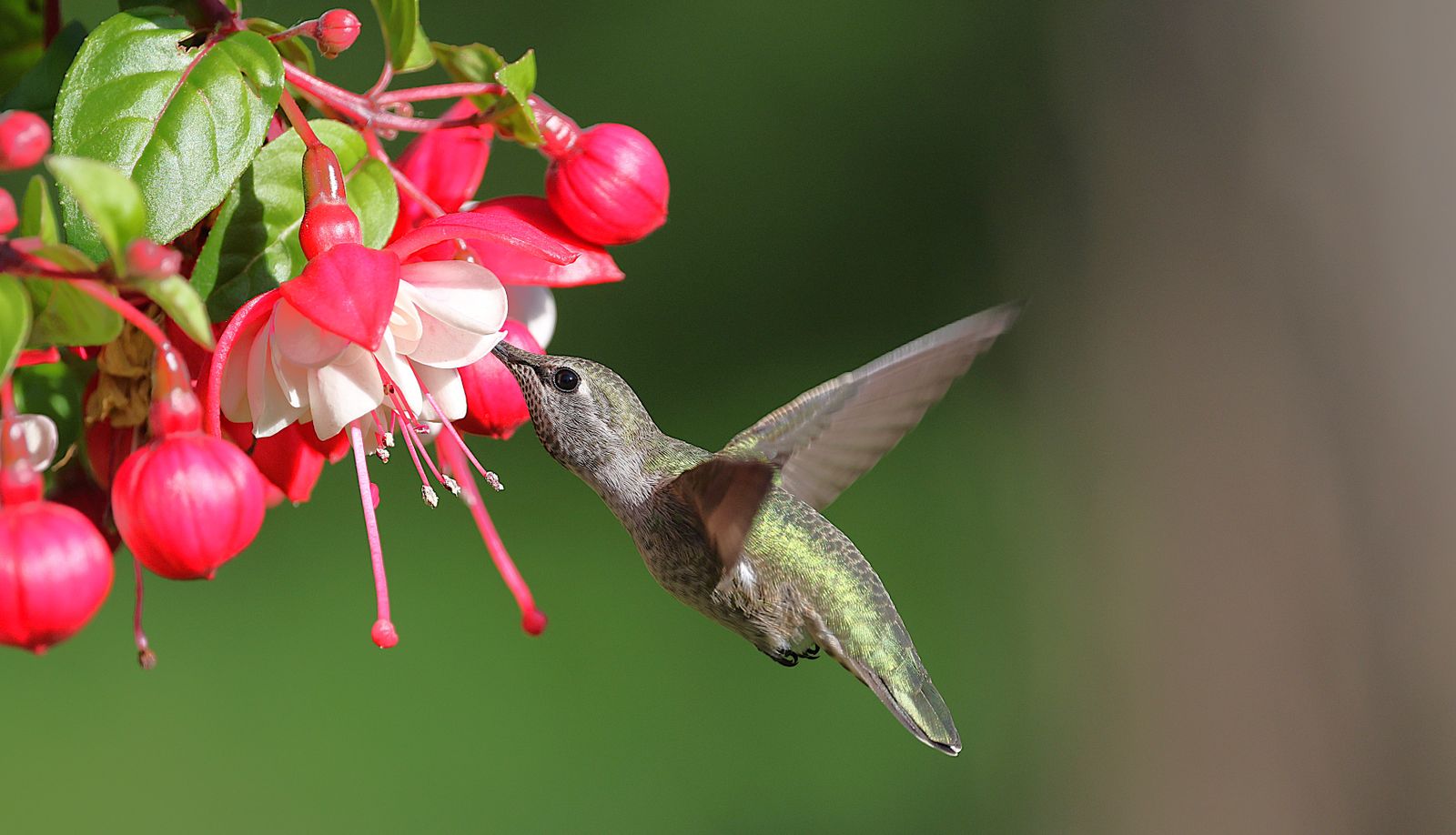
Do Solar Hummingbird Feeders Attract Birds at Night? Dusk Feeding & Solar Glow Guide
Hummingbirds do not feed in total darkness because they enter torpor to conserve energy. However, solar LED glow extends vital crepuscular dusk feeding windows during late-summer migration prep, allowing birds to refuel right before roosting without causing nighttime sleep disruption.
Dusk Migration Nectar & Energy Calculator
Use this interactive calculator model to estimate how much extra nectar your local hummingbird flock requires during peak pre-migratory hyperphagia, and determine optimal refill schedules when utilizing extended twilight solar lighting.
Solar Light vs. Nocturnal Pests Matrix
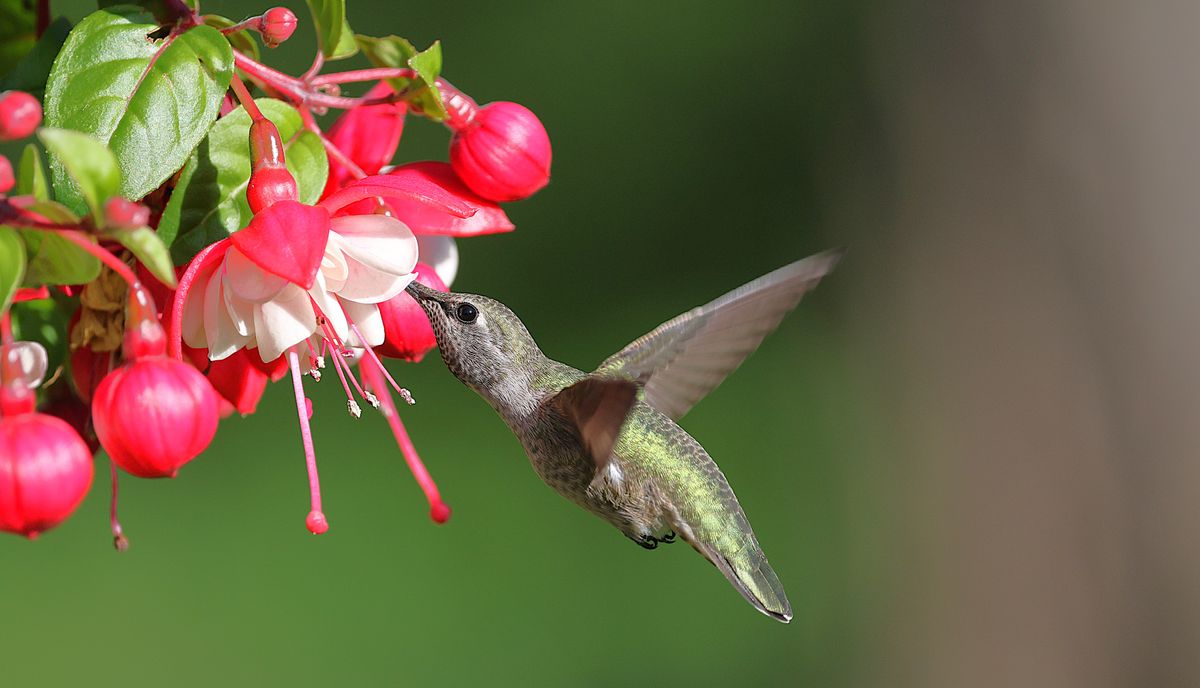
Photo by Veronika Andrews on Pexels
| Evaluation Criteria | Soft Warm White LED | Multi-Color RGB LED | Bright White Spotlight | Unlit Standard Feeder |
| --- | --- | --- | --- | --- |
| Crepuscular Feeder Visibility | Excellent: Soft ambient illumination illuminates feeding ports clearly during twilight. | Excellent: Multi-spectrum glow provides high contrast against dusk shadows. | Poor: Harsh glare overpowers avian vision and creates blinding contrast. | Limited: Fades quickly as twilight deepens into evening. |
| Nocturnal Pest Attraction (Moths/Bugs) | Low: Soft warm spectrum generates minimal ultraviolet draw. | Low-Medium: Diffused soft RGB cycling keeps phototactic insect clusters low. | High: Intense directional white beams attract heavy swarms of night insects. | None: No light emitted to draw flying insects. |
| Disruption to Avian Torpor | None: Fades naturally after 6-8 hours, well before birds enter deep roosting. | None: Ambient diffused glow does not penetrate roosting canopy foliage. | High: Continuous bright light near roost trees interferes with natural torpor cycles. | None: Zero light impact on avian resting cycles. |
| Visual Garden Aesthetic | Warm, inviting accent light ideal for traditional landscape designs. | Magical, whimsical color shifting across hand-blown glass patterns. | Harsh utility lighting that disrupts soothing garden ambiance. | Decorative glass visible only during daylight hours. |
| Nectar Thermal Impact | Negligible: Low-voltage solar cap produces zero measurable heat transfer. | Negligible: LED cap remains cool to the touch without heating glass. | Moderate: Incandescent or high-wattage lights can warm reservoir glass. | None: No artificial energy source attached. |
Choosing the right solar light setting prevents uninvited nocturnal pests while giving crepuscular hummingbirds high visibility during twilight dusk feeding.
Expert Advice on LED Lighting Placement
To maximize twilight feeding benefits without disrupting natural avian resting rhythms, position solar feeders 10 to 15 feet away from dense roosting shrubs like juniper or hydrangeas. Avian physiological studies show that hummingbirds rely on deep twilight cues to initiate torpor. A softly glowing solar cap illuminates the immediate feeding ports for late arrivals without penetrating the shaded canopy where birds sleep overnight.
Common Dusk Feeding & Solar Lighting Mistakes
Avoid these frequent missteps when using illuminated solar hummingbird feeders in your backyard garden:
Frequently Asked Questions About Solar Feeders & Migration
Answers to common reader questions regarding nighttime bird activity, lighting spectrums, nectar temperature, and pest management.
Hummingbird Daily Activity & Twilight Glow Timeline
- 5:00 AM – 7:00 AM (Dawn Burst) — Birds emerge from overnight torpor with low energy reserves, feeding rapidly at high-flow nectar ports.
- 7:00 AM – 5:00 PM (Daytime Maintenance) — Territorial feeding every 10–15 minutes, interspersed with perching, nest building, and catching tiny soft-bodied insects.
- 5:00 PM – 7:30 PM (Hyperphagia Twilight Spike) — Pre-migration feeding reaches peak intensity. Soft solar LED cap activates automatically at dusk, extending visible feeding windows by 20–30 minutes.
- 7:30 PM – 8:30 PM (Dusk Roosting Transition) — As daylight fully wanes, hummingbirds retreat into dense tree foliage, perching safely on quiet branches to initiate torpor.
- 8:30 PM – 4:30 AM (Nighttime Torpor) — Birds enter deep physiological torpor, lowering heart rate and body temperature. The solar glass feeder acts as a glowing garden artwork while birds sleep soundly.
Hummingbirds possess one of the highest metabolic rates in the animal kingdom. During the late summer and early autumn months, they experience a biological state known as hyperphagia, during which they put on up to 40% of their body weight in fat to store energy for migration. Twilight—the period between sunset and complete dark—is a critical fueling window.
Hand-crafted solar glass feeders, equipped with built-in solar panels in their protective top caps, recharge under direct sunlight during the daytime. When dusk falls, the solar sensors automatically trigger soft warm or RGB ambient lighting. Because hand-blown glass art features unique translucent curves created at 2,300 degrees Fahrenheit, the light refracts beautifully across your garden while maintaining clear visibility of nectar levels in the 32 fl. oz reservoir.
Key Takeaways: Solar Glow & Migration
- Hummingbirds do not feed in pitch darkness; they enter physiological torpor overnight.
- Soft solar LED light extends vital twilight feeding by 20 to 30 minutes during fall migration prep.
- Low-voltage LED caps produce zero heat radiation, preserving 32 fl. oz nectar fresh reservoirs.
- Hand-blown glass construction combines functional see-through nectar monitoring with handcrafted aesthetic appeal.
- Rust-proof metal bases with tight seals prevent drips that attract yellowjackets and crawling ants.
Garden Scenarios: When Solar Glow Helps Most
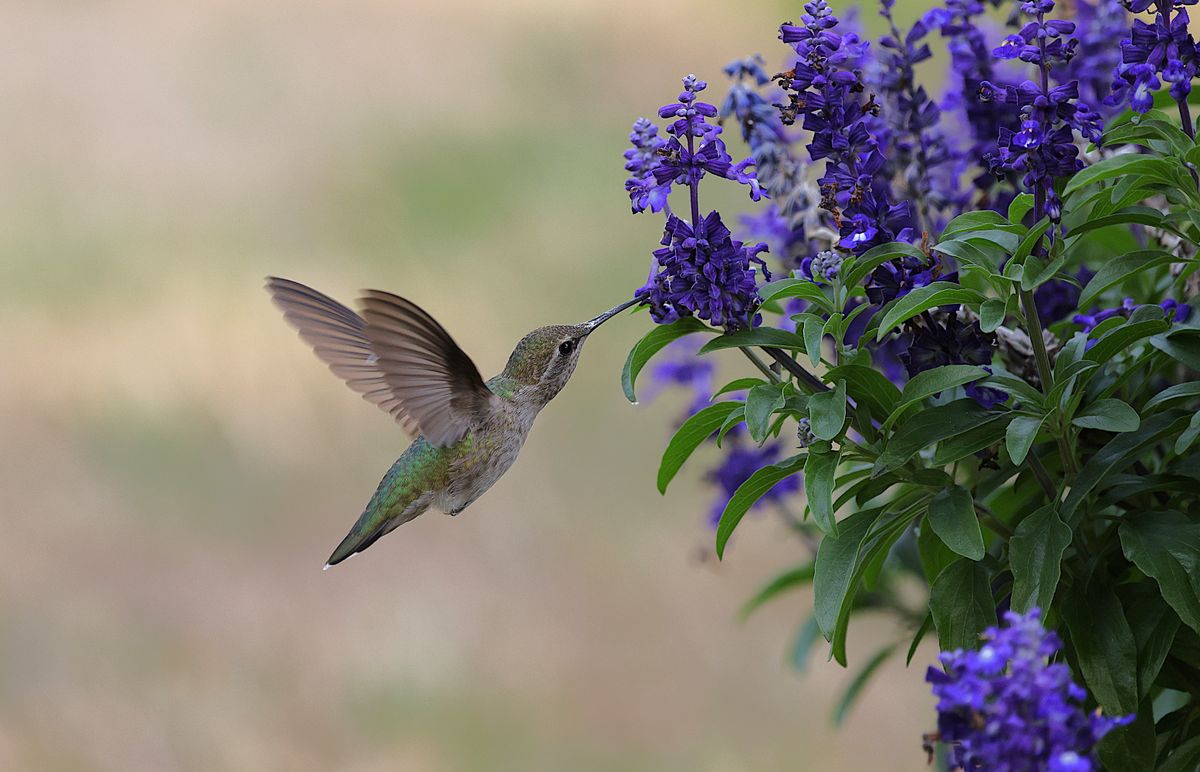
Photo by Veronika Andrews on Pexels
Autumn Pre-Migration Hyperphagia in Suburban Yards — Set the solar cap to soft RGB or warm white mode. The extended dusk glow gives migrating transients extra minutes to locate ports before perching for the night.
Shaded Patio or Porch Garden Setup — Position the solar cap where it receives 4-6 hours of direct afternoon sun, then hang the hand-blown feeder over shaded garden seating to enjoy twilight bird watching.
Late-Summer Heat Wave Feeding — Rely on the high 32 oz capacity and sealed metal base. Clean and refill with fresh 4:1 sugar water every 2 days, knowing LED lights will not warm the nectar.
Gift for Bird Lovers and Garden Decor Enthusiasts — Choose a handcrafted glass solar feeder with automated ambient lighting to offer both practical bird care and glowing night artwork.
Discover how integrated solar feeder lighting enhances various outdoor spaces and seasonal situations:
Autumn Twilight Feeder Preparation Checklist
- [ ] Inspect solar cap panel and remove dust or bird droppings for maximum charge.
- [ ] Ensure metal base seal is tight to prevent dusk leaks that attract nocturnal yellowjackets.
- [ ] Set LED lights to soft diffused mode rather than harsh blinking spotlights.
- [ ] Increase nectar volume during peak late-summer hyperphagia phase.
- [ ] Position feeder 10-15 feet from dense foliage so birds can retreat to roosting spots right after dusk feeding.
Printable Migration Dusk Feeding Guide
- Nectar Standard Ratio: 4 parts water to 1 part refined white cane sugar (never use food dye or artificial sweeteners).
- Twilight Solar Role: Extended soft ambient light helps crepuscular feeding without disrupting overnight roosting torpor.
- Cleaning Frequency: Wash reservoir with hot water and soft brush every 2 to 3 days in summer/early fall.
- Light Duration: Standard solar caps store 6 to 8 hours of ambient glow after full direct sun charge.
- Safety Distance: Place feeders 10-15 feet from dense shrubbery to offer safe roosting perches after dusk visits.
Recommended Solar Feeders for Dusk Migration
Upgrade your backyard hummingbird habitat with hand-blown glass art and solar-powered twilight lighting.
Next Steps for Autumn Migration Prep
Your decision: Determine if soft solar glow fits your backyard migration feeding setup.
Do this next: Switch solar feeder LED setting to soft warm glow or low-intensity RGB, fill the 32 oz reservoir with fresh 4:1 nectar, and monitor twilight visits during peak late-summer migration.
- Read next: Nighttime Garden Safety for Roosting Hummingbirds: Autumn Twilight Feeding Tips
🌟 LUJII Hand-Blown Glass Solar Hummingbird Feeder (32 oz, RGB/Warm Light, Anti-Rust Metal Base)
Take action now to support your local hummingbird population as twilight feeding reaches its annual peak.