Do Solar Hummingbird Feeders Attract Bugs at Night? Light Science & Prevention Guide
Will turning on your solar feeder's light ruin nectar and draw swarms of moths at night? Yes, standard cool-white solar lights attract nocturnal insects through positive phototaxis. However, switching to warm-toned or red LED modes, utilizing a sealed leak-proof base, and hanging the feeder away from dense foliage prevents bug intrusion completely while hummingbirds sleep.
Light Wavelength & Insect Phototaxis Technical Matrix
| Cool White LED (400–480 nm) | Warm Amber LED (580–600 nm) | Deep Red LED (620–700 nm) | RGB Slow Cycle Mode |
| --- | --- | --- | --- |
| | | | |
| | | | |
| | | | |
| | | | |
Different LED light wavelengths influence insect behavior in dramatically different ways. This technical matrix outlines how nocturnal pests perceive various solar spectrums relative to nectar security.
Visualizing Nighttime Feeder Bug Defense Setup
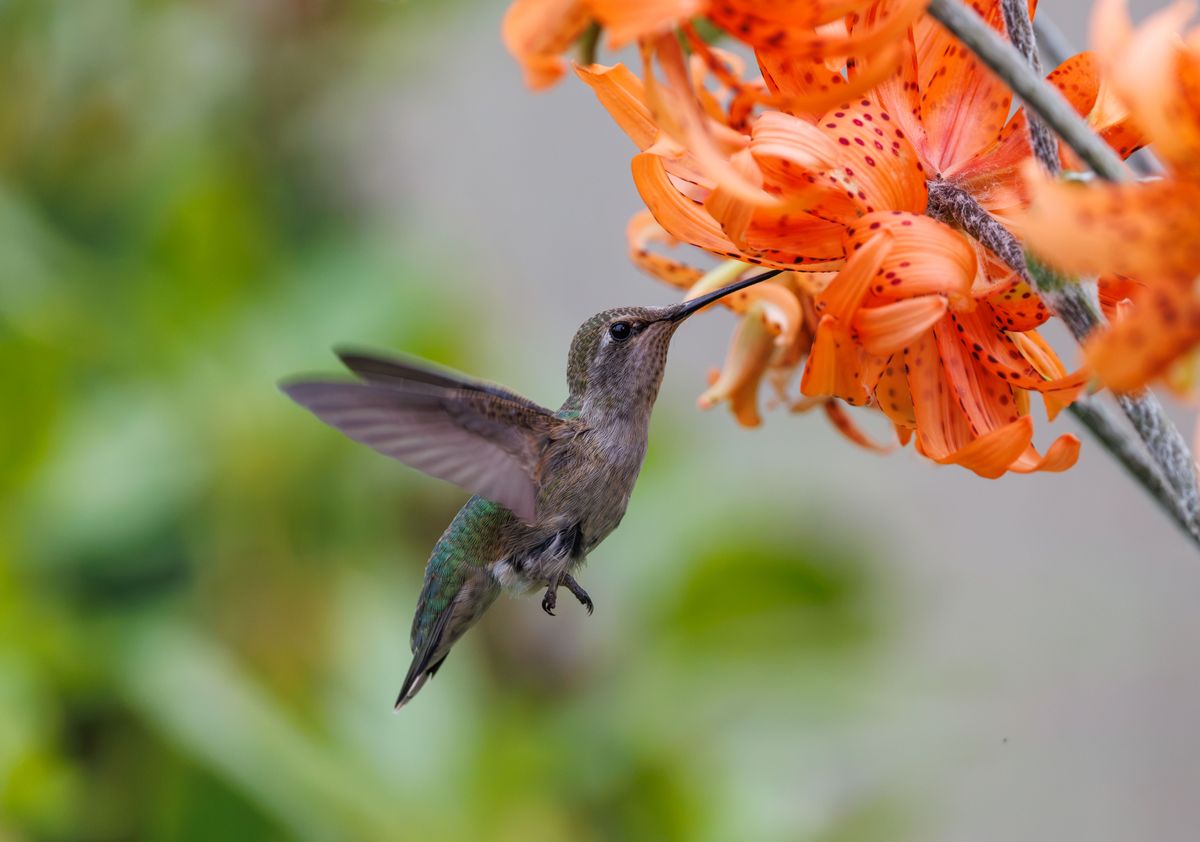
Photo by Veronika Andrews on Pexels
A proper garden layout minimizes insect activity around your illuminated hand-blown glass solar feeder. Position the unit to exploit natural flight paths and secondary lighting.
Evening Solar Feeder Bug-Proofing Audit
- [ ] Wipe exterior glass reservoirs to eliminate sticky sugar residue before dusk.
- [ ] Check that the metal base gasket is fully sealed to prevent nectar drips.
- [ ] Set RGB lighting cap to warm amber or red light spectrum mode.
- [ ] Ensure feeder is hung at least 15 feet away from bright white porch lights.
- [ ] Verify built-in ant moats are filled with clean water to prevent crawling insects.
Troubleshooting Nighttime Insect Intrusion & Failure Modes
| Cool-White Light Phototaxis Trapping | Sugar Residue Olfactory Lure | Unsealed Base Port Drips | Bark Contact Ant Bridge |
| --- | --- | --- | --- |
| | | | |
| | | | |
| | | | |
| | | | |
When solar garden decor experiences bug swarms or nectar fouling, the root cause is almost always an unsealed base, sticky glass residue, or short-wavelength lighting. Use this matrix to identify and eliminate failure modes quickly.
Pro Tip: Leveraging RGB Light Modes to Reduce Insect Visibility
Entomological studies reveal that nocturnal flying insects rely heavily on short visual wavelengths (300 to 500 nanometers) to navigate by moonlight. Cool-white LEDs broadcast heavily in this exact band, unintentionally creating a light trap. By switching your solar feeder cap to a warm amber tone or deep red setting (>600 nanometers), you effectively render the light invisible to nocturnal moths and beetles while preserving a stunning, ambient gemstone glow in your garden.
Frequently Asked Questions About Nighttime Feeder Lighting
Answers to common questions about solar illuminated hummingbird feeders, bird sleep cycles, and pest prevention.
Mid-Page Tactical Checkpoint
Your decision: Determine your garden's insect activity level and adjust your solar feeder's light mode and location.
Do this next: Switch RGB light setting to warm amber or red, inspect the base gasket to ensure zero nectar leakage, and maintain a 15-foot buffer from bright porch lamps.
https://solarhummingbirdfeeder.com
If you are currently setting up your evening feeder, check your solar cap's color toggle now. Switching away from cool white to warm amber immediately halts insect gathering.
Key Takeaways: Balancing Nighttime Glow and Pest Control
- Insects Respond to Wavelengths: Moths and nocturnal pests are drawn to cool white and UV light (300-500nm). Switching to amber or red LED light renders the solar glow virtually invisible to bugs.
- Hummingbirds Sleep at Night: Hummingbirds enter torpor after sunset and do not feed in the dark, so solar lighting will not disturb their natural feeding schedule or resting cycles.
- Zero Radiant LED Heat: Low-voltage solar LEDs generate no thermal radiation, preserving nectar freshness and preventing overnight fermentation.
- Sealed Construction Is Vital: A leak-proof metal base with tight rubber gaskets blocks olfactory sugar signals that attract crawling ants and twilight wasps.
- Strategic Garden Placement: Hanging solar feeders 15 feet away from bright white security or porch lights prevents bug cross-trapping and creates a peaceful backyard sanctuary.
Selecting the Right Lighting Setup for Your Garden Environment
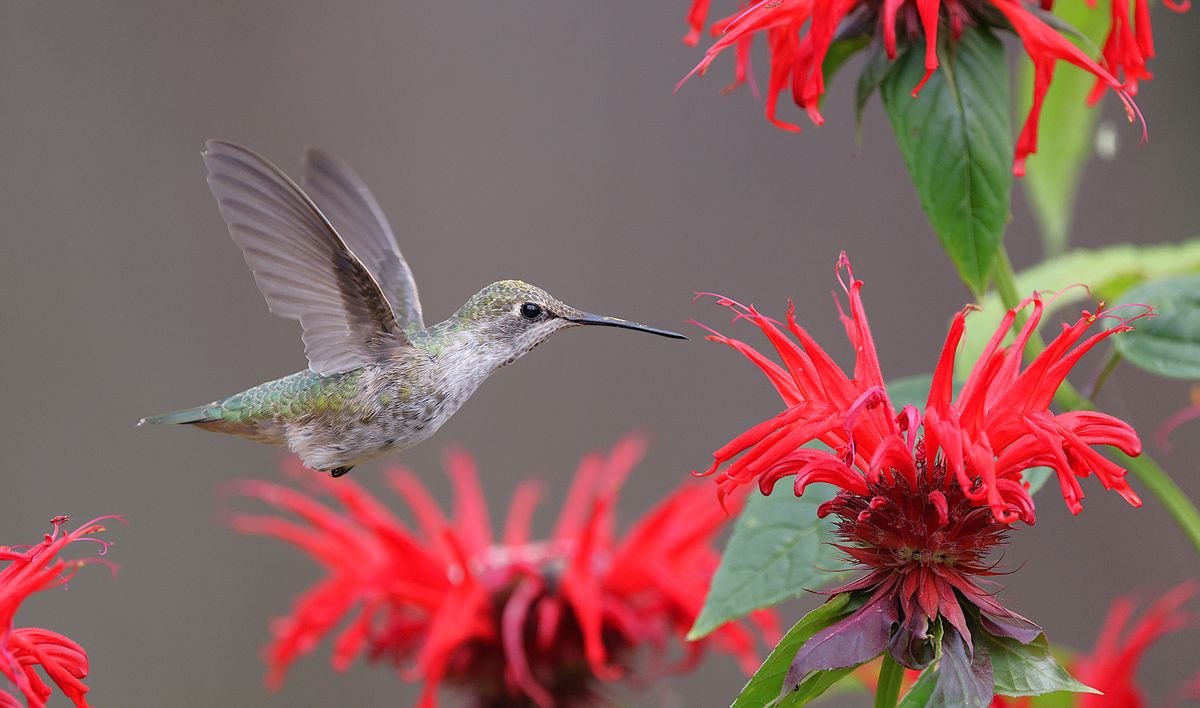
Photo by Veronika Andrews on Pexels
To prevent nocturnal insects without sacrificing evening garden illumination, choose long-wavelength light spectrums (red or warm yellow LED modes) paired with a sealed, leak-proof glass feeder design.
Best choice for
- Red or Warm Amber RGB Light Mode + Sealed Metal Base — Red wavelengths (>620nm) fall outside the peak phototaxis perception zone of most nocturnal insects, preventing swarms.
- Slow RGB Color-Cycling Mode — Provides maximum aesthetic appeal while shifting through spectrums too quickly for stable insect navigation traps.
- Using bright blue or cool-white LED settings directly adjacent to dense flower beds or open water sources.
- Using unsealed or dripping nectar feeders that release sugar aromas alongside light signals.
- Solar Spotlight Offsetting — Place a secondary solar light 15 feet away to draw bugs away from the feeder while keeping the feeder illuminated.
To understand why bugs react to illuminated garden decor, we must look at the biology of nocturnal insect flight navigation. Nocturnal insects—including moths, beetles, and midges—utilize a navigation mechanism called transverse orientation. By keeping a natural light source, such as the moon or stars, at a constant angle relative to their eyes, they can fly in straight lines.
Artificial point lights interfere with this instinct. When an insect flies near a bright artificial light source, the light rays radiate outward rather than arriving as parallel moonlight beams. Trying to keep the light source at a fixed angle forces the insect into a tightening spiral, pulling it closer to the bulb. This behavioral phenomenon is known as positive phototaxis.
The Role of Light Wavelengths
Insect eyes do not perceive color the same way human eyes do. Most flying nocturnal pests possess visual receptors tuned specifically to ultraviolet (UV), violet, and short-wave blue light (wavelengths spanning 300 to 500 nanometers). Standard cool-white LED solar cap lights pack a massive spike in this exact blue-spectrum band. As a result, a cool-white light fixture acts as a beacon to every moth in the neighborhood.
When you adjust the spectrum to warm amber, yellow, or deep red (wavelengths from 580 to 700 nanometers), you step outside the insect's primary visual sensitivity curve. To a moth's compound eye, a deep red LED appears dim or non-existent, eliminating the transverse orientation confusion that creates bug swarms.
Hummingbird Behavior and Nighttime Torpor
A common concern among bird enthusiasts is whether illuminating a feeder past sunset will confuse hummingbirds or keep them up past their bedtime. Fortunately, avian biology operates on a completely different biological clock. Hummingbirds possess acute color vision tuned to bright daylit colors like vivid reds, deep oranges, and hot pinks.
As twilight turns to dusk, hummingbirds retreat to dense leaf canopies, twigs, or sheltered tree branches. Once perched, they enter a state called torpor. During torpor, a hummingbird drops its body temperature from 104°F down to near ambient air temperatures, slowing its heart rate from over 1,000 beats per minute to fewer than 50 beats per minute. This incredible energy-saving adaptation keeps them alive through the night without eating. Once in torpor, gentle ambient garden lights will not wake them or entice them to feed.
Chemical Signals vs. Visual Signals
Light spectrum is only half of the nighttime bug equation; scent plays an equally major role. While moths are guided visually by phototaxis, crawling pests like ants and twilight-active yellowjackets rely almost exclusively on olfactory cues (smell).
If a hummingbird feeder drips nectar onto its base or has dried sugar crusting on the exterior glass, the sweet aroma will attract crawling insects regardless of whether the light is turned on or off. Combining a non-attractive light spectrum (warm amber/red) with a precision-sealed, leak-proof feeder design eliminates both visual and chemical attractants simultaneously.
Comparing Solar Light Modes vs. Insect Attraction & Aesthetic Impact
| Bright Cool White | Warm Yellow / Amber | Pure Red Mode | RGB Multi-Color Cycle |
| --- | --- | --- | --- |
| | | | |
| | | | |
| | | | |
| | | | |
| | | | |
Evaluating solar cap lighting options across insect attraction risk, visual brilliance, and outdoor performance.
Top Mistakes That Turn Solar Feeders into Nighttime Bug Traps
Avoid these common setup errors to ensure your solar hummingbird feeder remains pest-free and beautiful night after night.
Related Pest-Free Feeding Guides
- Do Solar Hummingbird Feeders Attract Birds at Night? Dusk Feeding & Solar Glow Guide
- The Ultimate Guide to Solar Hummingbird Feeders: Placement, Lighting, and Care
- Best Solar Hummingbird Feeders for Nighttime Garden Ambiance (2025 Buying Guide)
Recommended Solution: LUJII Sealed Solar Hand-Blown Glass Feeder
For garden lovers who want breathtaking twilight illumination without insect swarms, the LUJII Solar-Powered Hand-Blown Glass Hummingbird Feeder offers the ultimate solution.
- Hand-Blown Artisan Glass: Crafted at 2,300°F by master glassmakers, offering individual artistic beauty with thick, translucent walls for instant nectar level monitoring.
- Multi-Mode Solar RGB Lighting: Automatically lights up at night for up to 8 hours after charging. Easily switch between color spectrums to minimize insect attraction.
- 32 fl. oz Leak-Proof Construction: Slender design with a precision-sealed, anti-rust metal base gasket that stops dripping and seals in sugar scents.
- All-Weather Shield: Plastic solar cap protects electronics and nectar ports against sunlight, rain, and snow.
Action Plan: Securing Your Backyard Sanctuary
Your decision: Determine your garden's insect activity level and adjust your solar feeder's light mode and location.
Do this next: Switch RGB light setting to warm amber or red, inspect the base gasket to ensure zero nectar leakage, and maintain a 15-foot buffer from bright porch lamps.
- Read next: How to Clean and Maintain Your Hand-Blown Solar Hummingbird Feeder
https://solarhummingbirdfeeder.com
Take these quick steps to optimize your illuminated garden feeder tonight:
Cover photo by Veronika Andrews on Pexels.