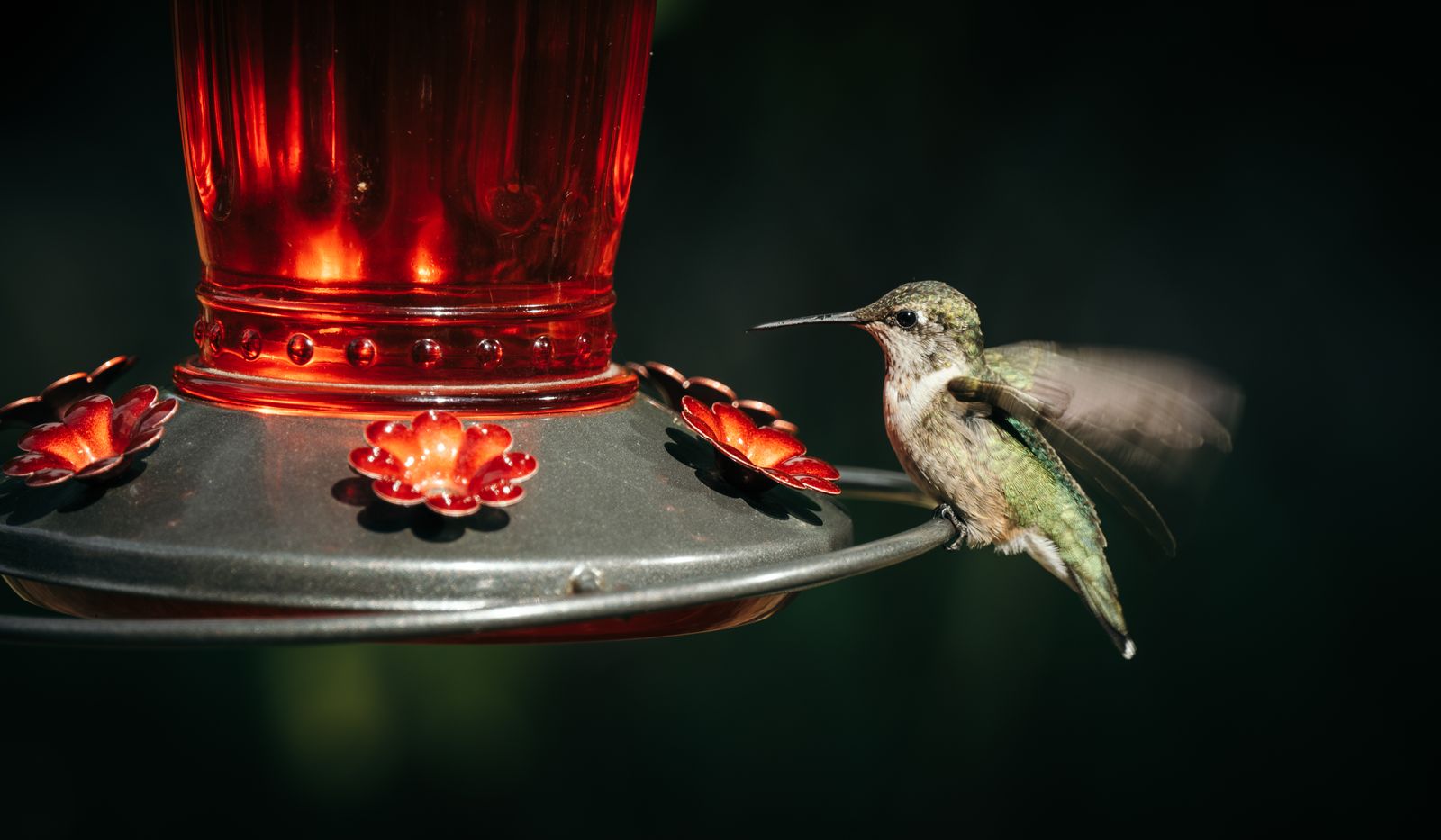
Best Place to Put a Hummingbird Feeder in the Yard (Solar Guide)
Follow the 5-4-3 Rule: Hang your feeder 5 feet off the ground, ensure 4 hours of direct morning sun with afternoon shade, and position it either under 3 feet or over 30 feet from glass windows. This height stops leaping cats, morning light charges the solar cap for 8 hours of nighttime RGB lighting, and window spacing prevents fatal bird collisions while keeping 32 fl.oz of nectar fresh.
Essential Rules for Backyard Solar Feeder Setup
- Height Baseline: Hang the feeder exactly 5 feet (1.5 meters) above ground level to keep it clear of jumping predators while making refilling effortless.
- Solar vs. Shade Balance: Expose top solar panels to 4 to 6 hours of morning sun (8 AM–12 PM), but ensure complete shade during peak afternoon heat (12 PM–4 PM) to avoid nectar fermentation above 88°F.
- Window Safety Margin: Maintain a distance under 3 feet or beyond 30 feet from house windows to eliminate high-velocity glass strikes.
- Predator Sightlines: Place feeders 10 to 15 feet away from dense bushes to give hummingbirds quick escape routes without providing hidden launch pads for outdoor cats.
- Pest Isolation: Keep glass reservoirs at least 12 inches clear of overhanging branches or walls to stop crawling ants from bridging across.
The Golden Zone Backyard Placement Map
Review this yard placement blueprint to identify safe zones, optimal solar vectors, and hazard boundaries around your home.
Yard Placement Scenarios: Small Patios, Forest Edges, & Open Lawns
Small Suburban Patio or Apartment Balcony — Mount a heavy-duty shepherd's hook or wall-bracket within 2 feet of the outer railing. Ensure the solar cap catches early morning sun while the main overhang provides shade after 12 PM. Keep feeder within 3 feet of balcony glass to prevent window strikes.
Wooded Backyard Edge with Large Shade Trees — Position the feeder on a free-standing pole 10 to 15 feet out from the tree dripline. This allows sunlight to hit the solar panel from the open lawn side while tree foliage blocks scorching Western afternoon rays.
Open Sunny Lawn with Minimal Canopy — Install a shepherd's hook in a garden bed near native flower clusters (like salvia or bee balm). Attach a 14-inch shade baffle above the feeder solar cap if ambient summer temperatures regularly exceed 90°F.
Covered Deck or Porch Pergola — Hang from the outer porch beam where the top solar cap extends slightly past the roofline to collect 4+ hours of direct sunlight, while the hand-blown glass reservoir remains shaded beneath the porch roof.
Every backyard layout offers unique microclimates. Match your outdoor space to the optimal mounting strategy below.
5 Placement Mistakes That Spoil Nectar and Repel Birds
Avoid these frequent placement errors that shorten nectar shelf-life, starve solar batteries, or put visiting hummingbirds at risk.
Sunlight Exposure vs. Nectar Health Checklist
- [ ] Feeder base is hung exactly 5 feet (1.5 meters) above ground level.
- [ ] Feeder is positioned UNDER 3 feet OR OVER 30 feet away from un-screened glass windows.
- [ ] Feeder hangs 10 to 15 feet away from dense perching shrubs (close enough for cover, far enough to spot cats).
- [ ] Solar cap receives 4 to 6 hours of direct morning sunlight (East/Southeast exposure).
- [ ] Nectar reservoir is shielded from harsh direct afternoon sun between 12 PM and 4 PM.
- [ ] No branches or leaves physically contact the feeder body, preventing ant bridge paths.
- [ ] Feeder hangs over grass, mulch, or living garden beds rather than heat-radiating concrete.
Real-Yard Examples: Perfect Solar Feeder Installations
Study these real-world setup examples showing how artisan hand-blown glass feeders seamlessly fit into functional garden designs.
Frequently Asked Questions About Feeder Placement
Get expert answers to common questions regarding night lights, solar panel positioning, and bird safety.
Your Placement Execution Plan
Your decision: Identify the 5-4-3 Golden Zone in your yard using a tape measure and shade audit.
Do this next: Install a heavy-duty shepherd's hook 10 feet from dense shrubs and 5 feet high, ensuring direct morning sun reaches the top solar panel.
Related resource: Pest-Free Feeding Cluster Resource Guide
LUJII Hand-Blown Solar-Powered Hummingbird Feeder
Take these immediate steps to locate and prepare the ideal feeding site in your garden.
Printable Yard Placement & Maintenance Cheat Sheet
- 5 Feet High: Base clearance off ground to prevent cat attacks.
- 4 Hours Sun: Minimum morning UV light required for 8-hour RGB night lighting.
- 12 PM - 4 PM Shade: Critical window to block afternoon heat and prevent nectar fermentation.
- 3/30 Rule: Keep feeder under 3 ft or over 30 ft away from house windows.
- 10-15 Feet Cover: Ideal distance to nearby perching branches and escape trees.
- 32 fl.oz Nectar Capacity: Refill every 2-3 days when ambient temperature exceeds 85°F.
- 2,300°F Glass Durability: Ensure sturdy metal hook rated for heavy handcrafted glass.
Backyard Placement & Sun Exposure Finder
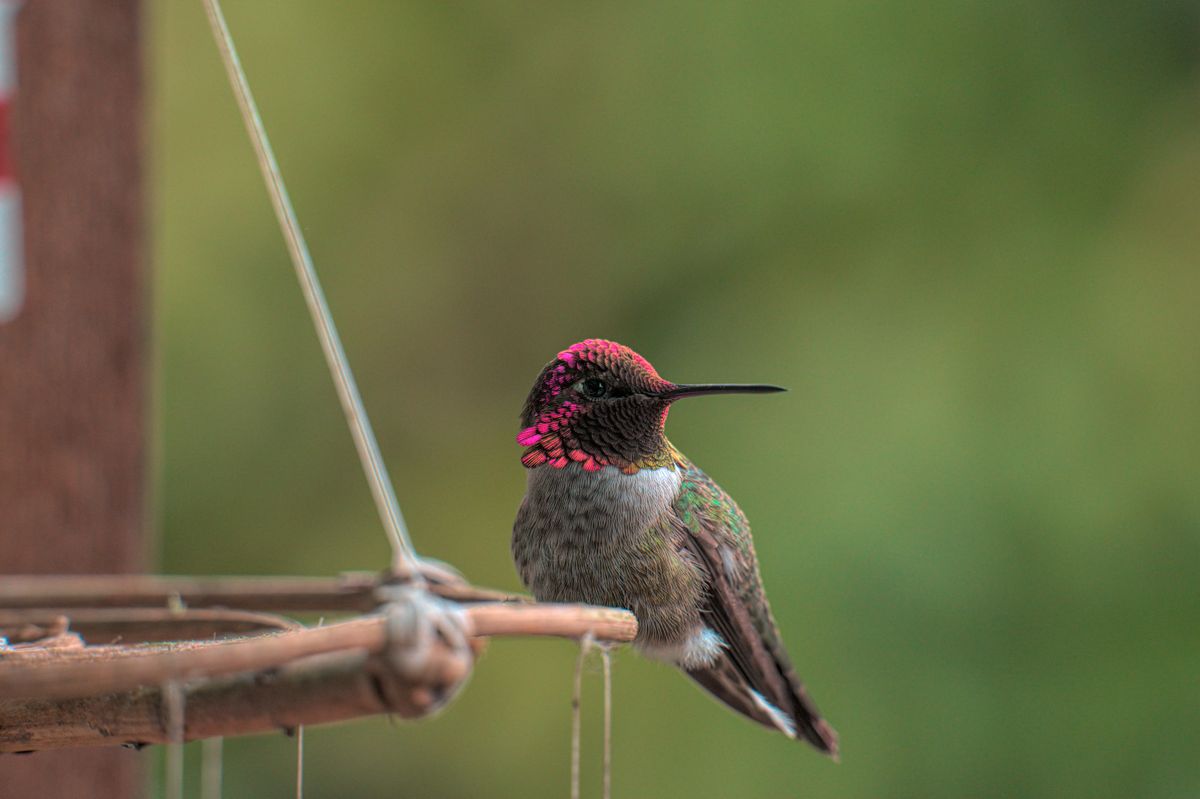
Photo by Townsend Walton on Pexels
Use this interactive calculation framework to estimate solar lighting runtime against mandatory nectar refill cycles.
Location Comparison: Evaluating Yard Mounting Options
| Criteria | Free-Standing Shepherd's Hook | Mature Tree Branch | Covered Patio Pergola | Wall Mount Bracket |
| --- | --- | --- | --- | --- |
| Direct Morning Sun (4+ Hours) | Excellent (360° sky access) | Moderate (depends on canopy) | Good (if placed on outer edge) | Variable (depends on wall face) |
| Afternoon Shade (12-4 PM) | Easy (place East of structures) | Excellent (natural leaves) | Excellent (roof shadow) | Good (West-facing walls block) |
| Window Collision Safety | Easy to keep > 30 feet | Usually > 30 feet | Must check house proximity | Ideal if mounted < 3 feet on frame |
| Crawling Ant Isolation | Best (add pole ant moat) | Difficult (branch bridges) | Moderate (requires hook moat) | Difficult (wall access path) |
| Night RGB Solar Runtime | Full 8 Hours | 4 to 6 Hours | 6 to 8 Hours | 5 to 7 Hours |
| Wind & Glass Stability | High (with 5-prong base) | Moderate (swaying branches) | High (sheltered structure) | High (solid wall anchoring) |
Compare popular yard mounting locations against key safety, solar charging, and pest resistance criteria.
Pro Tip: Combining Sightlines with Natural Perch Cover
Ornithological observations show that territorial hummingbirds prefer guarding their food source from a hidden perch before approaching. Place your feeder within 10 to 15 feet of a leafy tree like a Crape Myrtle or Birch. The birds will perch on thin branches at eye level, survey the area for rivals, and dip down to feed with complete confidence. Keeping this exact 10-15 foot buffer prevents accipiter hawks from swooping in undetected while denying ground predators a launch pad.
Explore Backyard Birding & Solar Feeder Care Guides
Expand your knowledge on feeder maintenance, summer nectar protection, and seasonal birding strategies with these recommended topics:
- Hanging Tactics for Ant Defense: How to isolate heavy glass feeders using pole moats and water barriers.
- Storm Weatherproofing: Protecting hand-blown glass art and solar caps during heavy summer thunderstorms.
- Nectar Temperature Ratios: Adjusting sugar water mixes to prevent rapid oxidation during hot weather spells.
Featured Craftsmanship: LUJII Hand-Blown Solar Hummingbird Feeder
Elevate your backyard garden with the LUJII Solar-Powered Hummingbird Feeder, blending hand-blown glass art with smart outdoor solar lighting.
Final Checklist & Next Steps for Your Garden Setup
Your decision: Choose an East-facing garden spot 5 feet high and 10-15 feet from shelter.
Do this next: Set up a heavy-duty shepherd's hook in your garden bed, hang your LUJII Solar Feeder, fill with fresh 4:1 water-to-sugar nectar, and enjoy colorful visits by day and magical RGB illumination by night.
Related resource: Pest-Free Feeding Cluster Resource Guide
LUJII Hand-Blown Solar-Powered Hummingbird Feeder
You are ready to transform your yard into a safe, beautiful sanctuary for hummingbirds!
Cover photo by Chris F on Pexels.