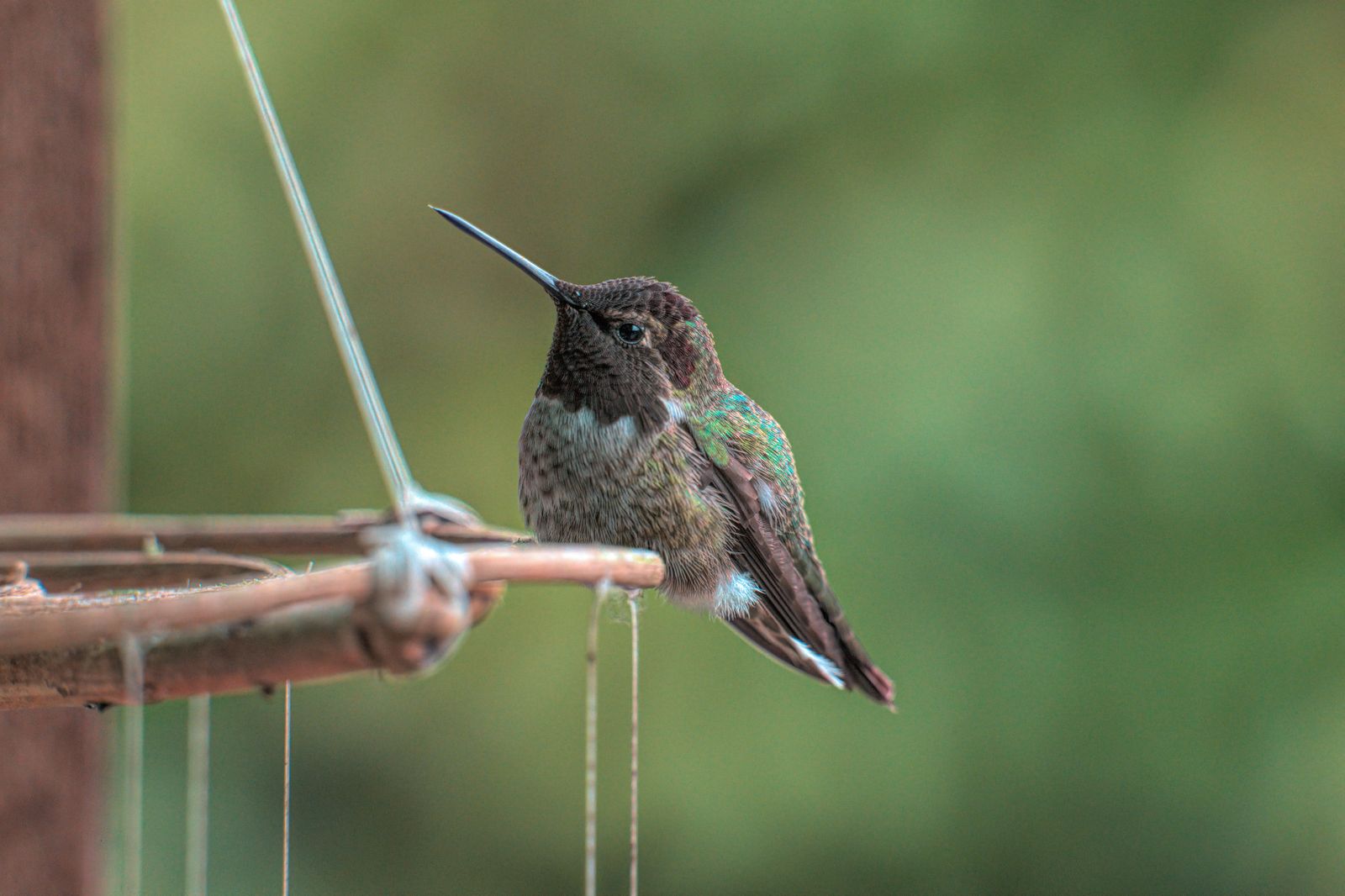
How to Choose a Non-Toxic Glass and Metal Hummingbird Feeder
Many gardeners assume all glass feeders are automatically safe, but surface-painted glass and raw metals can leach heavy metal toxins into acidic nectar (pH 3.5–5.0). To guarantee complete wild bird safety, choose handcrafted, solid-pigmented hand-blown glass paired with an anti-rust powder-coated metal base and leak-proof food-grade silicone seals.
Material Safety Decision Guide: Glass vs. Metal vs. Plastic
Protecting hummingbirds requires selecting chemically inert materials that resist leaching under acidic nectar conditions (pH 3.5–5.0). Solid-color hand-blown glass combined with anti-rust coated metal offers the highest standard of safety, climate resilience, and visual warmth.
Best choice for
- Hand-Blown Pigmented Glass with Anti-Rust Metal Base — Solid-color art glass does not leach chemicals or degrade under thermal stress, while protective solar caps shade the nectar reservoir.
- Solar-Powered RGB Glass Feeder with Sealed Top Cap — Combines non-toxic hummingbird feeding by day with magical ambient LED illumination at night, utilizing sealed solar components that keep moisture out.
- Feeders featuring raw, unlined copper or zinc ports in direct contact with acidic sugar water.
- Surface-painted exterior glass reservoirs where paint can flake, chip, or leach into nectar.
- Low-grade, clear plastic reservoirs that yellow, warp, and leach BPA or phthalates when exposed to direct sunlight.
- Solid Colored Molded Glass with Stainless Steel Ports — A budget-friendly alternative that maintains non-toxic nectar contact without the custom beauty of hand-blown art glass.
When evaluating feeders, prioritize materials that remain chemically inert under intense heat and UV exposure. Solid colored hand-blown glass, formed at extreme temperatures of 2,300°F, embeds color pigments directly inside the molten structure rather than spraying them onto the exterior. Pairing this glass with an anti-rust powder-coated metal base ensures that the feeding ports never react with the nectar, protecting delicate hummingbird kidneys while preserving your feeder's vibrant luster year after year.
Top Non-Toxic Feeder Recommendation: LUJII Hand-Blown Solar Glass Feeder
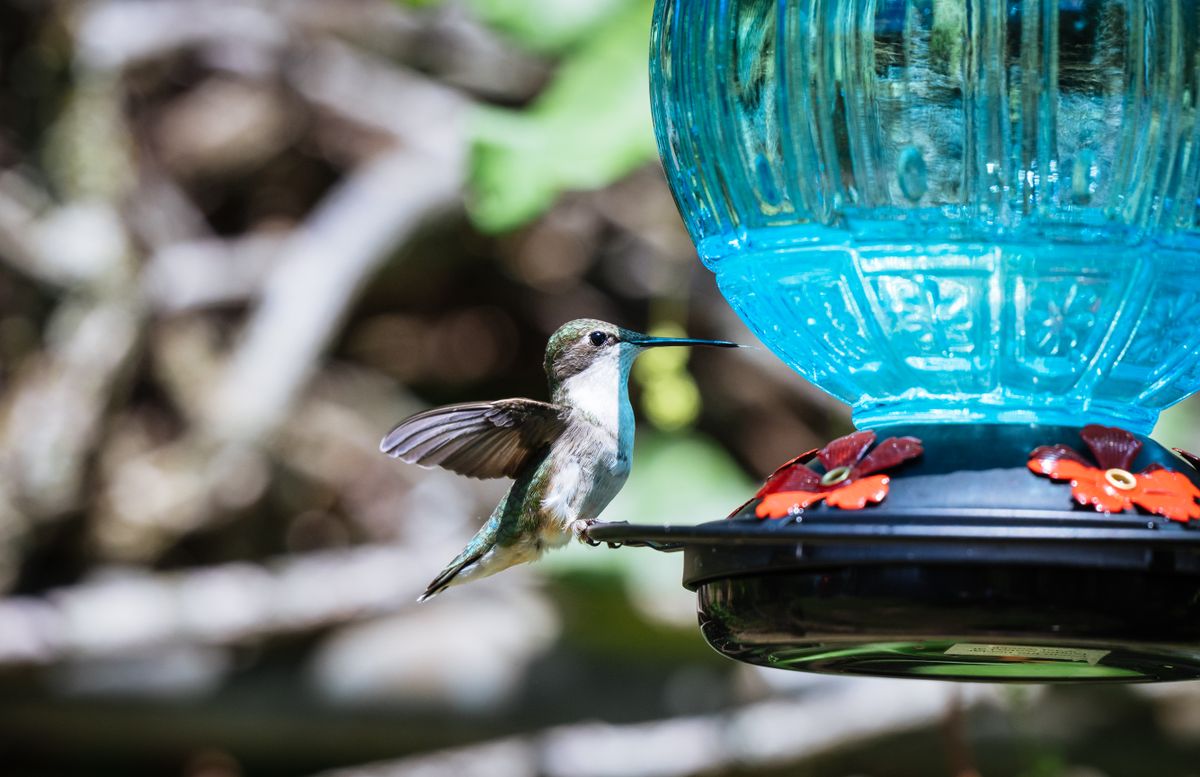
For bird lovers seeking the perfect harmony of artisanal craftsmanship, chemical safety, and enchanting garden ambiance, the LUJII Solar-Powered Hummingbird Feeder stands out as an exceptional choice. Every reservoir is individual art glass shaped at 2,300°F by master craftsmen, ensuring no synthetic paints or dyes ever touch the nectar.
Material Safety Matrix: Toxic vs. Non-Toxic Components
| Material Scenario | Nectar Reactivity (pH 3.5-5.0) | Toxicity Risk Level | Durability & Weatherability | Avian Safety Rating |
| --- | --- | --- | --- | --- |
| Solid Hand-Blown Pigmented Glass + Coated Metal Base | Zero reactivity; non-porous surface blocks chemical exchange. | None (100% Non-Toxic) | High; UV-proof, heat-stable, rust-resistant powder coat. | Optimal (Safe & Hygienic) |
| Surface-Painted Glass + Raw Metal Base | High; acidic nectar dissolves paint over time and oxidizes metal. | Moderate to Severe (Paint flakes & copper/zinc oxalates) | Poor; paint chips, metal tarnishes and corrodes in rain. | Unsafe (Risk of heavy metal poisoning) |
| Clear Polycarbonate Plastic + Plastic Ports | Low chemical acidity reaction, but subject to UV degradation. | Low to Moderate (Microplastic flaking & BPA/Phthalate leaching in heat) | Moderate; scratches easily, cracks in frost, yellows in summer sun. | Acceptable Short-Term (Requires frequent replacement) |
| Raw Brass / Copper Reservoir + Zinc Base | Severe; copper and zinc leach rapidly into acidic liquid. | High (Verdigris and heavy metal toxicity) | Fair; develops green oxidation patina that poisons nectar. | Hazardous (Never use raw copper/zinc in nectar) |
Not all hummingbird feeder materials react equally when exposed to sunshine and sugar water. Review this scenario-based safety matrix to understand how different material combinations hold up under real outdoor conditions.
The Non-Toxic Feeder Buyer's Checklist
- [ ] Verify glass pigment is embedded inside hand-blown glass at high temps, not painted on top.
- [ ] Ensure metal bases are coated with anti-rust, non-toxic powder finish to isolate acidic nectar.
- [ ] Check that seals use food-grade silicone or rubber to prevent drips and chemical leaching.
- [ ] Confirm zero lead content in artisan or vintage glass reservoirs.
- [ ] Look for slender, leak-proof base architecture to prevent nectar pooling and mold growth.
- [ ] Ensure solar caps overhang the reservoir to shade nectar from direct thermal radiation.
- [ ] Confirm feeder parts disassemble completely for easy sanitization without harsh chemical cleaners.
Hand-Blown Glass & Anti-Rust Metal: Trade-offs Analysis
Pros
- 100% non-toxic, lead-free, and pigment-stable; never chips or leaches paint into food.
- Acid-resistant structure holds up perfectly to pH 3.5–5.0 sugar solutions.
- Heavy hand-blown glass weight prevents swinging and spilling in summer breezes.
- Integrated solar RGB illumination creates a stunning evening focal point in garden landscapes.
- Smooth glass interior allows quick sanitization with simple vinegar and water.
- Heavier than plastic models, requiring a sturdy shepherd's hook or tree branch.
- Glass requires careful handling during freezing winter months to prevent thermal shock.
Editor's Pick: The Ultimate Safe Solar Hummingbird Feeder
If you want to protect local hummingbirds while elevating your outdoor sanctuary, the LUJII Solar-Powered Hand-Blown Glass Hummingbird Feeder earns our highest recommendation. Its 2,300°F furnace-fired art glass guarantees zero paint contamination, while its powder-coated anti-rust base isolates nectar from metal contact. Paired with a generous 32 fl. oz capacity and automatic solar twilight lighting, it offers a magical experience for both wild birds and garden lovers.
Ready to welcome brilliant hummingbirds by day and soft, ambient colors by night? Upgrading to a hand-blown solar glass feeder is the simplest way to blend wildlife conservation with whimsical outdoor decor. Explore the LUJII Solar-Powered Hummingbird Feeder and bring home a unique piece of functional glass art today.
Key Takeaways: Material Safety Summary
- Nectar is naturally acidic (pH 3.5–5.0); it reacts with painted glass and raw metals, leaching harmful substances.
- Hand-blown art glass crafted at 2,300°F locks color inside the glass matrix, guaranteeing 100% dye-free and non-toxic feeding.
- Powder-coated, anti-rust metal bases prevent oxidation and verdigris formation while providing rugged outdoor durability.
- Solar-powered RGB LED caps provide beautiful evening garden illumination without disturbing nighttime roosting hummingbirds.
Feeder Specification Matrix: Chemical Safety & Design Specs
| Specification Parameter | Artisan Non-Toxic Glass Standard | Standard Commercial Plastic Alternative |
| --- | --- | --- |
| Reservoir Material | Hand-Blown Art Glass (Fused at 2,300°F) | Molded Polycarbonate / PET Plastic |
| Colorization Method | In-matrix mineral molten glass pigment | Surface spray paint or chemical plastic dye |
| Base Construction | Anti-rust powder-coated alloy with silicone gasket | Uncoated zinc alloy or molded plastic |
| Acid Resistance (pH 3.5-5.0) | Complete chemical immunity; non-leaching | Moderate; prone to micro-scratch harboring |
| Nectar Capacity | 32 fl. oz (1 Litre) | 12 to 20 fl. oz |
| Night Illumination | Solar RGB LED (Automated 8-hour capacity) | None |
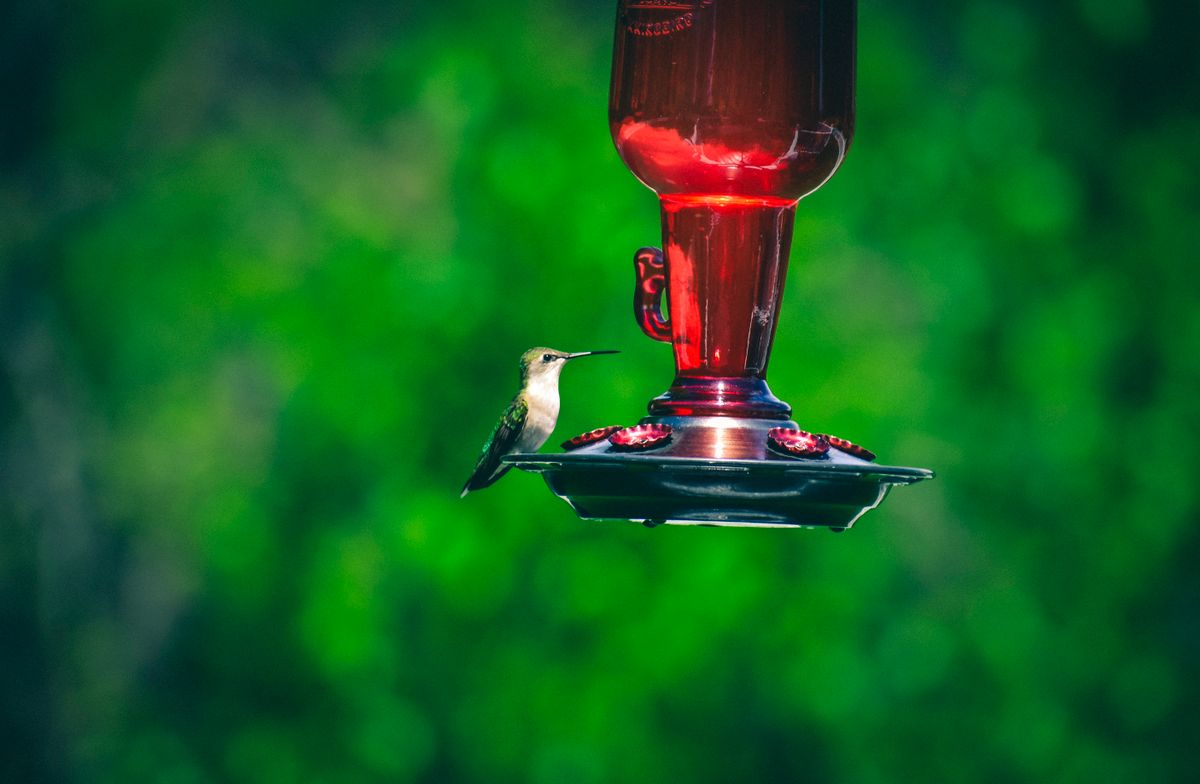
Examine the technical construction standards of premium non-toxic solar hummingbird feeders.
5 Deadly Feeder Safety Mistakes to Avoid
Steer clear of these common buyer pitfalls to protect hummingbirds from accidental harm:
Related Nectar Safety & Feeding Guides
- Why Choose a Solar Glass Hummingbird Feeder?
- How to Choose the Best Solar-Powered Hummingbird Feeder for Evening Garden Magic
- Weatherproof Hummingbird Feeder with Rain Guard: Built-In Solar Cap vs. Add-On Dome
Frequently Asked Questions About Feeder Safety
Get quick answers to essential questions about non-toxic materials, cleaning techniques, and solar lighting.
Next Steps for a Safe Twilight Garden Sanctuary
Your decision: Choose a hand-blown glass solar feeder with an anti-rust metal base to guarantee zero chemical leaching and long-lasting beauty.
Do this next: Inspect your current feeder for peeling paint or corrosion, and upgrade to a solid-colored hand-blown glass solar feeder.
- Read next: Is Red Dye Safe for Hummingbirds? Myths, Dangers, and Safe Nectar Alternatives
- Read next: Store-Bought vs. Homemade Nectar: Which Is Best for Your Solar Glass Feeder?
🌟 LUJII Solar-Powered Hand-Blown Glass Hummingbird Feeder (32 fl. oz) 🌟
Take action today to provide local hummingbirds with a safe, non-toxic feeding station while adding handcrafted beauty to your patio.
Cover photo by Townsend Walton on Pexels.