Weatherproof Hummingbird Feeder with Rain Guard: Built-In Solar Cap vs. Add-On Dome
An integrated solar protective cap is superior to an add-on plastic rain dome because it seals sensitive lighting electronics, shields nectar from rain without blocking sunlight, and eliminates wind-wobble. Retrofit acrylic domes reflect up to 25% of solar rays, reducing battery runtime while adding unsightly bulk to hand-blown glass garden decor.
Architectural Breakdown: Integrated Solar Shield vs. Retrofit Rain Dome
| Evaluation Criteria | Built-In Solar Cap (e.g., LUJII) | Add-On Plastic Rain Dome |
| --- | --- | --- |
| Solar Light Transmittance | 100% Unobstructed sunlight reach; full 8-hour RGB illumination | 15% to 25% Light reflection loss; reduced night light runtime |
| Nectar Dilution Defense | Slender neck with wide overhang cap diverts rain past ports | Deflects overhead rain but allows wind-blown sideways drizzle |
| Wind Resistance & Stability | Low-profile hydrodynamic top cap; zero wind sway or tilt | High surface area acts like a umbrella, swinging and spilling nectar |
| Rust & Moisture Sealing | Powder-coated metal base with sealed electrical housing | Water pools around attachment hooks and untreated steel hardware |
| Visual & Aesthetic Appeal | Complements hand-blown glass art; seamless garden centerpiece | Bulky plastic shell obscures color pattern and artisan glass curves |
| Cleaning & Maintenance | Simple twist-off cap and wide-mouth glass reservoir washing | Requires disassembling separate hooks, dome shields, and feeder |
This criteria-based matrix evaluates how integrated protective solar caps perform against traditional external acrylic baffles across essential weather and lighting metrics.
Pros & Cons: Integrated Solar Shields vs. Add-On Domes
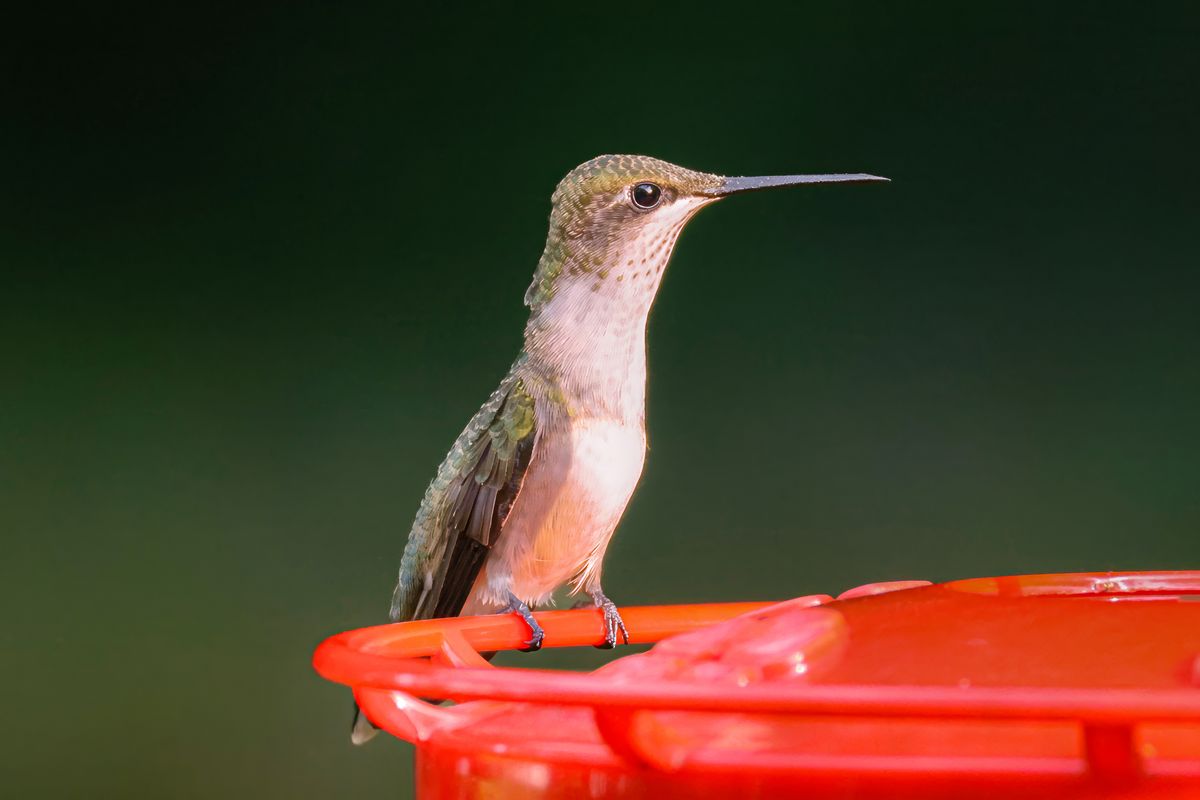
Photo by David Kanigan on Pexels
Pros
- Built-in solar caps shield electrical LED components without reducing sunlight intake.
- Eliminates extra hanging hardware and umbrella sway in high-wind garden environments.
- Preserves the visual beauty of handcrafted, 2,300°F hand-blown glass reservoirs.
- Sealed, powder-coated metal bases prevent rust and nectar leaks during heavy storms.
- Integrated solar caps cannot be transferred to older, non-solar plastic feeders.
- Add-on rain domes offer wider umbrella coverage but add significant visual bulk.
The Verdict: Why Integrated Hand-Blown Solar Feeders Win
For garden enthusiasts who want both enchanting nighttime ambiance and storm-proof nectar protection, LUJII Solar-Powered Hand-Blown Glass Hummingbird Feeders deliver the ultimate all-in-one package.
Crafted at 2,300 degrees by master glass artisans, each 32 fl. oz. feeder features an integrated waterproof solar cap that fully recharges in direct sunlight. At night, multiple RGB light modes illuminate the translucent glass while the sealed anti-rust metal base ensures your nectar stays pure, fresh, and drip-free through summer downpours.
Expert Insight: Weatherproofing & Nectar Freshness
Rainwater entering feeding ports doesn't just dilute your 4:1 sugar water solution—it introduces outdoor mold spores and bacteria that cause rapid fermentation. An integrated protective top cap overhang creates a natural drip line beyond the feeding ports, keeping heavy rainfall outside while allowing hummingbirds easy access to fresh nectar.
4 Costly Mistakes When Weatherproofing Hummingbird Feeders
Avoid these common pitfalls when setting up your solar illuminated hummingbird sanctuary:
Decision Flow: Which Weather Guard Fits Your Backyard?
- Do you want solar-powered RGB lighting to illuminate your garden at night? → Yes: Choose an Integrated Solar Cap Feeder (e.g., LUJII Hand-Blown Glass). No: Is your main concern heavy rain diluting nectar on an existing standard feeder?
- Is your main concern heavy rain diluting nectar on an existing standard feeder? → Yes: Consider an External Add-On Clear Acrylic Baffle. No: Upgrade to an All-in-One Hand-Blown Glass Solar Feeder for maximum aesthetic appeal and storm resilience.
Frequently Asked Questions About Weatherproof Feeders
Clear answers to essential reader questions about solar charging, rust defense, and cleaning.
Your Next Steps for a Storm-Proof Bird Sanctuary
Your decision: Choose an integrated solar cap feeder if you want high aesthetic value, nighttime light, and storm protection in one unit.
Do this next: Select a hand-blown solar glass feeder with an anti-rust metal base to eliminate nectar dilution and solar panel failure.
- Read next: Hot Weather Nectar Ratios: How to Keep Hummingbird Food Fresh in Summer
- Read next: Best Illuminated Feeders for Twilight Garden Decor
LUJII Solar-Powered Hand-Blown Glass Hummingbird Feeder (32 fl oz, RGB Lights, Sealed Anti-Rust Base)
Take these simple steps to ensure your hummingbird feeder stays illuminated and storm-proof all season long.
Core Takeaways for Smart Feeder Shopping
Keep these key principles in mind when selecting your next weatherproof feeder:
Engineering Specifications & Material Durability Matrix
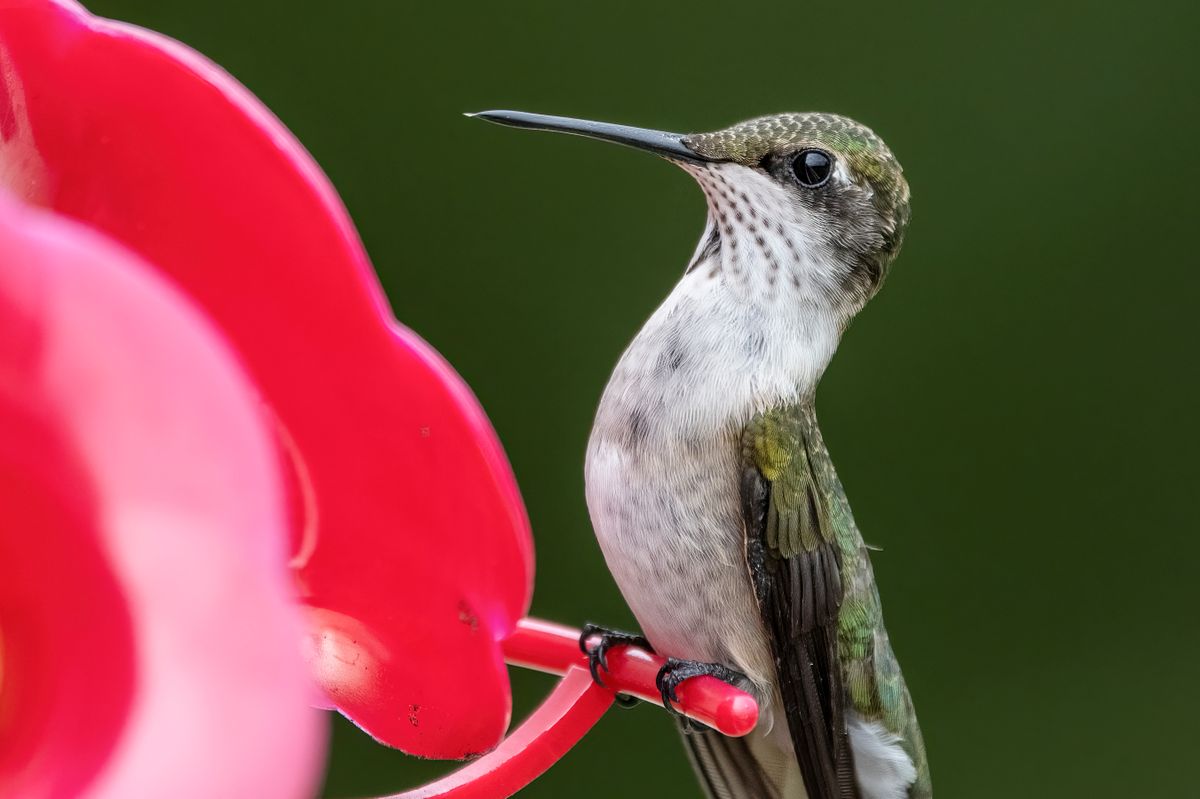
Photo by David Dibert on Pexels
| Component / Feature | LUJII Integrated Solar Cap Feeder | Standard Feeder + Add-On Acrylic Dome |
| --- | --- | --- |
| Reservoir Material | Hand-Blown Artisan Glass (2,300°F forged) | Molded Plastic or Thin Machine Glass |
| Capacity | 32 fl. oz. (0.95 Liters) | 12 to 24 fl. oz. typical |
| Base Construction | Powder-Coated Anti-Rust Sealed Metal Base | Uncoated Plastic or Exposed Metal Wire |
| Weather Resistance Rating | Waterproof Solar Electronics Cap (Sun, Rain, Snow) | Acrylic Dome only shields top down |
| Night Lighting | Integrated RGB Lights with Auto-Sensor (up to 8 hrs) | None (or shaded by overhead plastic dome) |
| Wind Profile | Hydrodynamic, slender bottle minimizes sway | Large canopy acts as a wind sail |
Compare the physical and functional properties of integrated solar feeders versus add-on acrylic baffles.
Which Shielding Style Best Fits Your Climate?
Built-in solar cap feeders provide seamless aesthetic appeal, superior storm protection for electrical components, and zero risk of dome sway, whereas add-on domes add bulk and may shade solar panels.
Best choice for
- Built-In Solar Shield Feeder — Eliminates catching wind like a kite while keeping rain out of nectar ports and protecting internal solar wiring.
- Integrated Solar Glass Feeder — Solar cap is purpose-built to charge the lithium battery without obstruction from overhead plastic shades.
- Avoid retrofitting add-on plastic rain domes over solar feeders if the dome plastic is opaque or prone to yellowing, as it blocks solar charging.
- External Transparent Acrylic Baffle — Acceptable only for non-solar standard plastic feeders hanging under dense shade trees.
Real-World Weather Scenarios Tested
Heavy Summer Downpour (2+ inches of rainfall) — Integrated solar caps guide water along external glass curves, ensuring zero rainwater enters the sealed feeding ports. Add-on domes shield top-down rain but let wind-driven sideways drizzle hit open ports.
Scorching Sun & UV Exposure (95°F+ heat) — The heavy-duty plastic cap on integrated solar feeders withstands intense UV degradation while protective caps shield internal batteries. Add-on acrylic domes can warp or turn brittle over time under intense heat.
Gusty Autumn Winds (25+ mph wind gusts) — Slender hand-blown glass bottles with integrated caps maintain center gravity. Add-on rain domes catch wind currents, swinging violently and splashing nectar out onto the ground.
How integrated solar caps and add-on rain domes perform in extreme outdoor conditions.
Hummingbirds possess exceptionally high metabolic rates, requiring clean, unadulterated sugar water to fuel their rapid wing beats. When summer thunderheads roll in, unshielded feeders quickly become compromised. Rainwater dilutes the vital sugar-to-water ratio, reducing the energetic yield hummingbirds depend on. Worse, standing water in feeding wells becomes a breeding ground for mold and yeast.
The Engineering Behind Integrated Solar Protection
Traditional outdoor enthusiasts often turn to retrofitted add-on plastic rain domes. While an overhead baffle does block direct downward rainfall, it introduces secondary engineering challenges for solar-illuminated feeders.Clear acrylic rain guards, while transparent to the naked eye, reflect and refract light. According to optical physics principles, standard acrylic reflects approximately 8% to 15% of ambient solar radiation—a loss that increases as acrylic yellowingly degrades under solar UV rays. For a solar feeder requiring direct sun to charge its internal rechargeable battery for 8 hours of evening RGB light, this obstruction significantly degrades night-time runtime.
In contrast, an integrated solar cap design combines weatherproofing with lighting architecture. The top cap functions dual-purpose: its outer shell is engineered from high-durability, waterproof plastic that seals electronic circuitry against sun, rain, and snow, while its overhang perimeter diverts water droplets past the feeding ports.
Hand-Blown Glass vs. Plastic Baffles: Aesthetic Harmony
Garden design is as much about visual tranquility as it is about wildlife welcome. Hand-blown glass hummingbird feeders are miniature works of art—shaped by skilled craftsmen at 2,300 degrees Fahrenheit. Each reservoir features unique color swirls and translucent hues that let you monitor nectar levels at a glance.Attaching a wide, industrial plastic dome above an artisan hand-blown glass feeder disrupts its natural lines and garden silhouette. Built-in solar caps preserve the elegance of artisan glass while offering superior defense against the elements.
Preventing Rust in Humid Climates
Moisture management doesn't stop at the top cap. Rainwater running down the feeder body eventually settles at the base. Cheap feeders with untreated iron or thin stamped metal quickly develop rust around port threads, leaching harmful iron oxide into the nectar supply. High-quality solar feeders utilize anti-rust powder coatings and rubber gasket base seals, ensuring that moisture cannot penetrate the nectar chamber or degrade the metal finish over years of garden display.Featured Choice: LUJII Hand-Blown Solar Hummingbird Feeder
Elevate your garden with the handcrafted elegance and storm-proof engineering of the LUJII Solar Feeder.
Final Summary & Recommendation
Your decision: Upgrade to an all-in-one solar hand-blown glass feeder with built-in weather cap protection.
Do this next: Explore LUJII's handcrafted solar hummingbird feeder lineup to bring color, night illumination, and pure nectar to your garden.
Related resource: Garden Care: Weather-Resistant Wild Bird Setup
LUJII Solar-Powered Hand-Blown Glass Hummingbird Feeder
Transform your outdoor space into a storm-resilient, illuminated haven for hummingbirds.