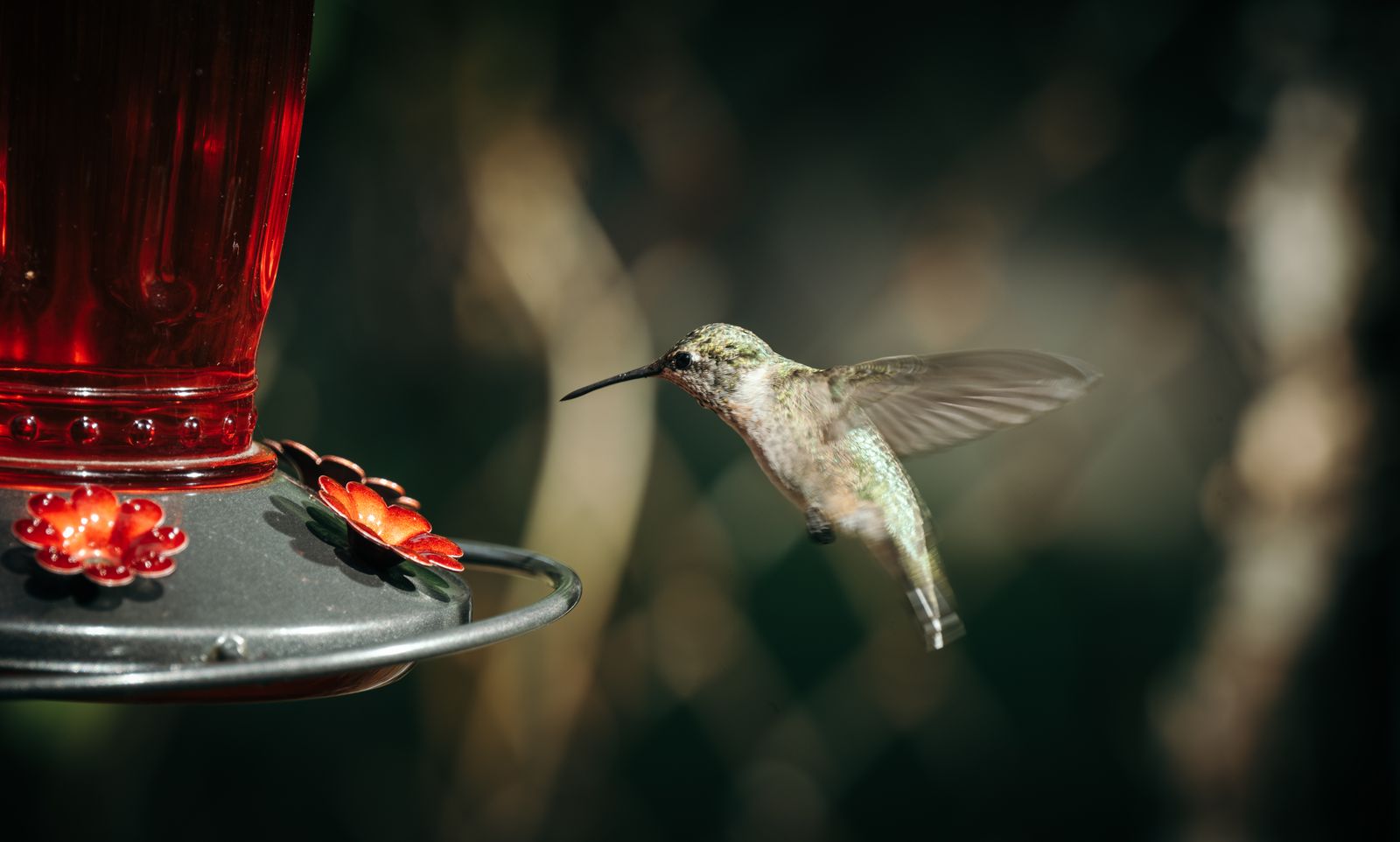
Autumn to Winter Garden Transition Decor: Glass Solar Feeder Guide
Apply the 32°F rule: Keep hand-blown glass solar feeders outdoors until overnight temperatures consistently drop to 32°F. While a 4:1 sugar-water nectar solution resists freezing down to 27°F, liquid expansion at 32°F threatens handcrafted glass reservoirs. Leave feeders active for 14 days after your last hummingbird sighting, ensuring solar panels receive 4 to 6 hours of direct sunlight for up to 8 hours of evening RGB illumination.
Essential Autumn-to-Winter Garden Transition Rules
- 32°F Glass Threshold: Artisan hand-blown glass should be protected before sustained sub-32°F nights cause liquid expansion.
- 27°F Nectar Freeze Point: Standard 4:1 sugar-water nectar stays fluid down to 27°F, providing crucial energy for late fall stragglers.
- 14-Day Migration Window: Maintain active feeders for 14 consecutive days after seeing your last hummingbird.
- 4-to-6 Hour Solar Recharge: Position solar caps south-southwest to harvest 4–6 hours of low-angle winter sun for 8 hours of evening RGB light.
- Off-Season Storage Switch: Set the solar cap power switch to OFF when storing feeders indoors to protect rechargeable batteries.
4-Phase Transition Timeline: Early Fall to Deep Frost
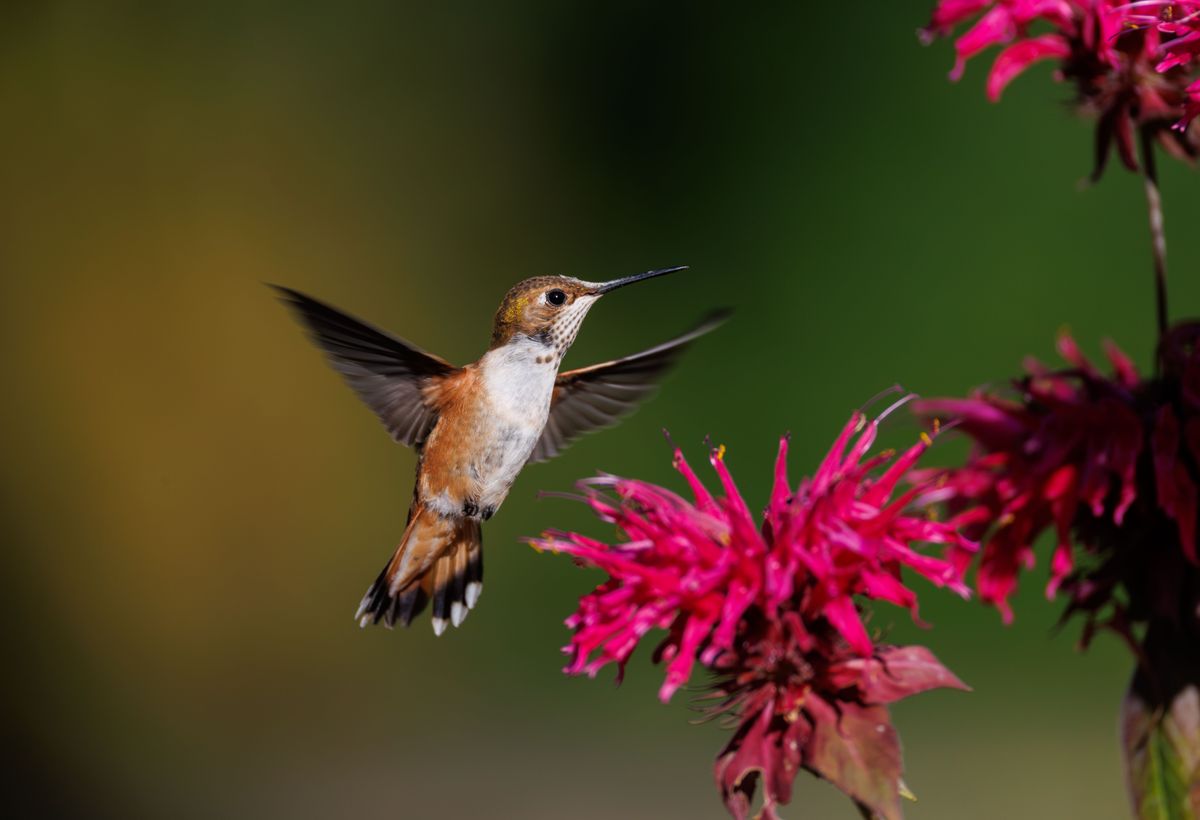
Photo by Veronika Andrews on Pexels
- Phase 1: Early Fall (70°F to 55°F) — Clean top solar caps with a damp microfiber cloth to remove autumn dust. Keep 32 fl. oz. nectar fresh every 3 to 4 days and enjoy 8-hour RGB twilight illumination.
- Phase 2: Mid Fall (54°F to 40°F) — Reposition solar panels toward south-southwest to account for low winter sun angles. Inspect anti-rust metal bases after heavy fall rains.
- Phase 3: Late Fall (39°F to 32°F) — Monitor overnight weather forecasts daily. Prepare indoor storage space or implement a dual-feeder rotation system for overnight freeze warnings.
- Phase 4: First Hard Freeze (Below 30°F) — Bring hand-blown glass reservoirs indoors overnight. Maintain the 14-day count after your last bird sighting before final winter storage.
Solar Battery & Nectar Maintenance Schedule for Cold Twilight
- Daily at Dusk — Check nectar clarity and fluid level through translucent hand-blown glass; inspect base for ice crystals if temps hover near 30°F.
- Bi-Weekly — Wipe the plastic solar cap free of leaf dust, sap, and frost to maintain maximum solar cell charging efficiency.
- Weekly — Flush the 32 fl. oz. glass reservoir with warm water; never use boiling water on cold glass to prevent thermal shock.
- Seasonal Storage — Wash and dry glass completely, store above freezing, and toggle the solar power switch to OFF during indoor off-season storage.
5 Critical Mistakes During Late-Autumn Decor Prep
Avoid these common pitfalls that compromise artisan garden decor or leave late-migrating hummingbirds without fuel.
Pro Tip: Positioning Solar Caps Under Low Winter Sun Angles
As the sun dips lower on the southern horizon from October through December, solar radiation drops by up to 40% in northern US latitudes. To keep your solar hummingbird feeder glowing with vivid RGB light for its full 8-hour capacity, angle your hanging location toward the south-southwest. Ensure no tree branches or roof eaves cast shade between 10:00 AM and 2:00 PM. Cleaning your solar caps weekly with a damp microfiber cloth removes micro-films of fall dust, boosting solar charging intake by up to 25%.
Cold Weather Thermal Limits: Glass vs. Plastic vs. Metal Decor
| Material Type | Safe Operating Range | Freeze Risk Threshold | Thermal Shock Vulnerability | Winter Care Action |
| --- | --- | --- | --- | --- |
| Hand-Blown Artisan Glass | 32°F to 105°F | 32°F (liquid expansion) | High (at >40°F temp delta) | Bring indoors when night temps reach 30°F–32°F. |
| Coated Anti-Rust Metal Base | -10°F to 120°F | N/A (Structural Integrity) | None | Leave hanging year-round; wipe down anti-rust finish. |
| Plastic Solar Cap Shield | -5°F to 110°F | 15°F (Plastic Embrittlement) | Low | Store if snow exceeds 3 inches or switch OFF for winter. |
| Standard Molded Acrylic | 25°F to 95°F | 25°F (Crazing & Cracking) | Moderate | Store before hard freeze; UV degradation speeds winter cracking. |
Understanding how different garden decor materials respond to autumn temperature drops helps you decide what can stay outdoors and what needs freeze protection.
Seasonal Decor & Wildlife Action Calendar by Temperature Zone
| USDA Hardiness Zone | First Frost Window | Migration Departure | Glass Protection Trigger | Winter Decor Role |
| --- | --- | --- | --- | --- |
| Zones 4–5 (Northern US) | Late Sept – Mid Oct | Early October | First night forecast at 35°F | Store glass by Nov 1; replace with winter solar lanterns. |
| Zones 6–7 (Central/Mid-East) | Mid Oct – Early Nov | Late October | First night forecast at 32°F | Dual-feeder swap through Nov 15; store glass before hard freeze. |
| Zones 8–9 (Southern US) | Mid Nov – Mid Dec | Late November / Winter Residents | Night drops below 30°F | Keep hand-blown solar glass out year-round for Anna's & winter stragglers. |
| Zone 10+ (Subtropical) | Rare / None | Year-Round Residents | None (Inspect for winter storms) | Continuous 8-hour RGB twilight illumination and nectar station. |
Align your transition tasks with regional temperature drops across United States climate zones.
Featured Solar Garden Decor: The LUJII Hand-Blown Feeder
Enhance your autumn twilight garden with handcrafted art glass that shines through early nightfall while supporting late-season wildlife.
🌟 LUJII Solar-Powered Hummingbird Feeder 🌟
- Hand-Blown Glass Art: Each glass reservoir is handcrafted by master artisans at 2,300 degrees Fahrenheit, creating unique colorful patterns and a translucent reservoir for easy 32 fl. oz. nectar monitoring.
- Solar Power & RGB Lights: Recharges automatically during daylight to illuminate your garden for up to 8 hours with multiple RGB lighting modes.
- Leak-Proof & Weather-Shielded: Slender shape with a sealed base minimizes drips, while the protective plastic solar cap shields nectar against autumn rain and snow.
- Anti-Rust Metal Base: Coated with weather-resistant finishing for long-lasting outdoor durability.
Your Next Steps for Mid-Autumn Garden Styling
Your decision: Determine whether your local overnight temperatures are approaching the critical 32°F glass threshold or 27°F nectar freeze point.
Do this next: Clean top solar caps weekly, maintain fresh 4:1 nectar for late migrants, and prepare indoor storage space for hand-blown glass decor before the first hard freeze.
- Read next: Nighttime Garden Safety for Roosting Hummingbirds: Autumn Twilight Feeding Tips
- Read next: Early Spring Hummingbird Nectar FAQ: Ratios, Cold Weather Care, and Feeder Prep
Elevate autumn dusk aesthetics with the LUJII Solar-Powered Hand-Blown Glass Hummingbird Feeder featuring auto-on RGB twilight lighting.
Take these immediate actions to prepare your garden for twilight beauty and cold-weather wildlife support.
Microclimate Adjustments: Wind Chill & Frost Pocket Safety
Garden microclimates can vary by 5°F to 8°F across a single property. Low-lying flowerbeds and valleys in your yard often form 'frost pockets' where cold air settles, dropping temperatures below the official regional forecast. Conversely, hanging feeders near brick house walls or thermal stone patios provides radiated daytime warmth that protects glass reservoirs during mild early fall dips. Always place your temperature monitoring gauge at the exact height and location of your hanging solar feeder.
10-Step Autumn-to-Winter Garden Decor & Feeder Transition Checklist
- [ ] Monitor local weather forecasts daily for overnight dips below 35°F.
- [ ] Keep 4:1 sugar-water nectar solution fresh and fluid for late-migrating stragglers.
- [ ] Wipe top solar caps weekly with a damp microfiber cloth to remove fall leaf dust.
- [ ] Reposition solar feeders to face south/southwest for maximum low-angle winter sunlight.
- [ ] Inspect anti-rust metal bases and hang hooks for autumn wind security.
- [ ] Wait 14 full days after the last hummingbird sighting before storing feeders for winter.
- [ ] Never pour boiling water directly into cold hand-blown glass reservoirs (prevents thermal shock).
- [ ] Wash glass reservoirs with warm soapy water, dry thoroughly, and store indoors above freezing.
- [ ] Switch solar cap switches to OFF if storing feeders inside for the season to protect rechargeable batteries.
- [ ] Layer winter evergreen boughs in flowerbeds while leaving clear overhead clearance for solar panel access.
Frequently Asked Questions About Late-Season Garden Transition
Clear answers to essential questions about freeze points, solar RGB lights, and late migration care.
Explore Related Seasonal Hummingbird & Decor Guides
Expand your seasonal garden knowledge with these expert guides on twilight outdoor lighting, cold-weather nectar ratios, and handcrafted glass care:
- Nighttime Garden Safety for Roosting Hummingbirds: Autumn Twilight Feeding Tips — Learn how ambient RGB light supports late-staying hummingbirds during chilly autumn twilights.
- Early Spring Hummingbird Nectar FAQ: Ratios, Cold Weather Care, and Feeder Prep — Master thermal nectar prep for early spring arrivals and late autumn stragglers.
- Hand-Blown Glass vs. Plastic Hummingbird Feeders: Why Artisan Craftsmanship Wins — Discover how 2,300°F hand-crafted glass elevates garden aesthetic value across all four seasons.
Final Action Checklist for Garden Winterization
Your decision: Transition your outdoor solar glass decor before sustained overnight freezes risk artisan glass integrity.
Do this next: Clean solar panels weekly, maintain 4:1 nectar for late migrants, and prepare indoor storage space for artisan glass decor before the first hard freeze.
- Read next: Nighttime Garden Safety for Roosting Hummingbirds: Autumn Twilight Feeding Tips
🌟 LUJII Solar-Powered Hummingbird Feeder 🌟
Complete your autumn decor transition with these recommended actions.
Cover photo by Chris F on Pexels.