Styling Your Cottage Garden for Fall: Solar Accents and Late-Season Bird Care
14 days after your last hummingbird sighting, maintain clean nectar; tilt solar panels at 45° South for lower autumn sun arcs; and move 2,300°F hand-blown glass feeders indoors when overnight temperatures hit 40°F (4°C) to prevent freeze damage and thermal stress.
Essential Metrics for Fall Garden Lighting & Avian Care
- 14-Day Rule: Leave feeders active for 14 consecutive days after seeing your last hummingbird to support late-season migrants.
- 40°F Threshold: Bring hand-blown glass reservoirs inside when night temperatures reach 40°F to prevent nectar expansion and glass fatigue.
- 45° Solar Angle: Re-orient solar panel caps 45° facing South/Southwest to catch lower autumn sun rays and maintain 8 hours of evening RGB illumination.
- 4:1 Nectar Ratio: Maintain a strict ratio of 4 parts boiled water to 1 part refined white sugar; never add red dye or chemical anti-freeze agents.
- 14-Day Rule: Leave feeders active for 14 consecutive days after seeing your last hummingbird to support late-season migrants.
- 40°F Threshold: Bring hand-blown glass reservoirs inside when night temperatures reach 40°F to prevent nectar expansion and glass fatigue.
- 45° Solar Angle: Re-orient solar panel caps 45° facing South/Southwest to catch lower autumn sun rays and maintain 8 hours of evening RGB illumination.
- 4:1 Nectar Ratio: Maintain a strict ratio of 4 parts boiled water to 1 part refined white sugar; never add red dye or chemical anti-freeze agents.
Late-Season Hummingbird & Feeder Care Timeline
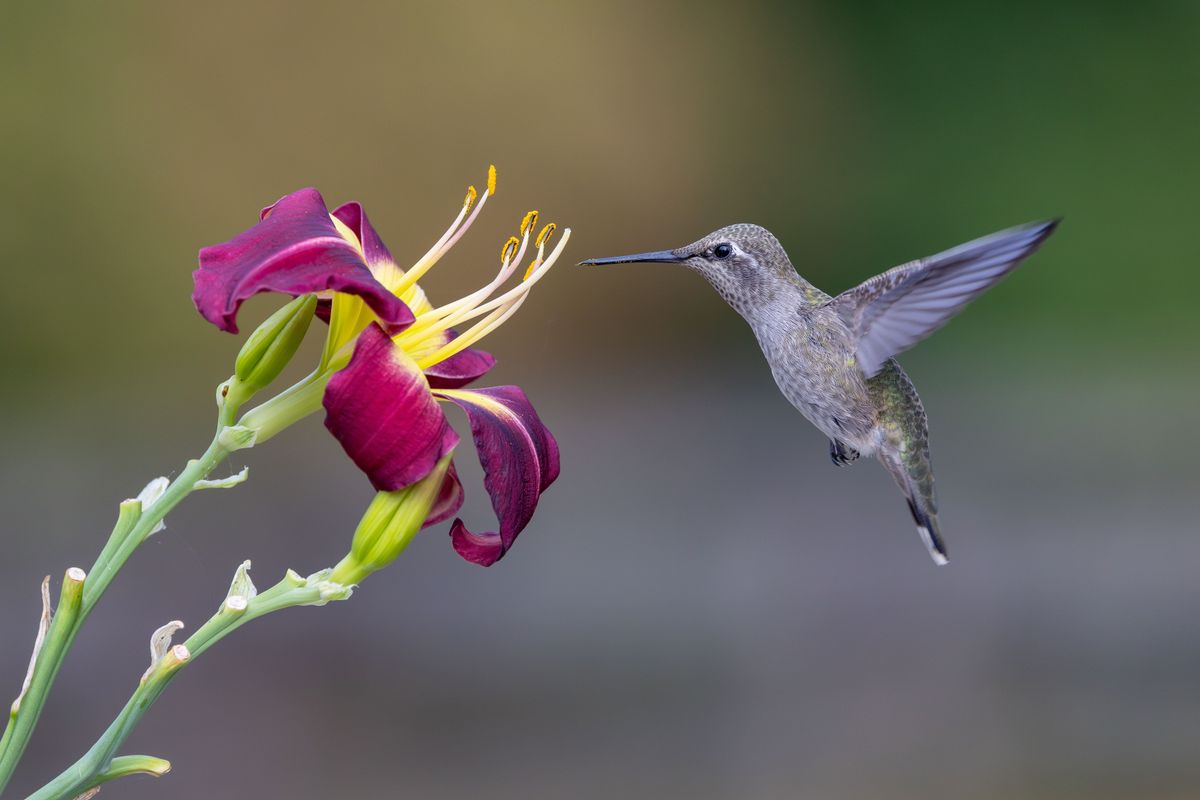
Photo by Veronika Andrews on Pexels
- Early September (Phase 1: Migration Peak) — Adjust solar caps to a 45° angle facing South. Clean 32 oz glass reservoirs every 5 days as temperatures drop below 70°F.
- Late September (Phase 2: Canopy Thinning) — Prune surrounding tall perennials or falling branches to ensure 10 AM to 3 PM direct sunlight hits solar collectors.
- October (Phase 3: First Frost Warnings) — Monitor overnight forecasts. Bring hand-blown glass indoors at dusk when temps dip below 40°F; rehang filled with room-temp nectar at pre-dawn.
- November (Phase 4: Winterizing) — Count 14 days after your final hummingbird sighting. Thoroughly wash the anti-rust metal base, dry all components, and store glass before hard freezing (<28°F).
Autumn Nectar Refresh & Glass Maintenance Schedule
- 70°F and above — Change nectar every 2 days. Inspect rubber base seals for thermal expansion.
- 60°F to 69°F — Change nectar every 3 to 4 days. Wipe solar collector caps clean of dust and fallen leaves.
- 50°F to 59°F — Change nectar every 5 days. Check hand-blown glass body for micro-cracks before nightfall.
- Below 50°F — Change nectar every 7 days. Bring glass reservoirs indoors overnight whenever temperatures drop below 40°F.
3 Critical Fall Cottage Garden Mistakes to Avoid
Even experienced gardeners fall for persistent myths during the seasonal transition. Avoid these three common pitfalls to protect your artisan decor and visiting wildlife:
Master Gardener Tip: 45° Solar Angle Optimization for Shorter Autumn Days
To maximize nighttime ambiance without artificial wiring, optimize solar placement as daylight wanes. Re-orient your feeder's solar panel cap to a 45-degree angle facing due South. In mid-to-late autumn, sun trajectory drops dramatically across Northern Hemisphere skies. Angling the panel catches low-altitude rays, storing enough battery power to deliver a full 8 hours of automatic RGB dusk-to-dawn illumination.
Additionally, hang your feeder within a microclimate zone—such as 18 inches beneath a covered porch fascia or near a heat-retaining brick garden wall. This ambient thermal cushion adds 3°F to 5°F of protection against sudden morning frosts, keeping nectar fluid longer.
Zone-By-Zone Fall Garden Transition Calendar
| USDA Hardiness Zone | Average First Frost Window | Solar Cap 45° Tilt Date | Glass Freeze Protection Protocol |
| --- | --- | --- | --- |
| Zones 3–5 (Northern US / Canada Border) | Late September – Mid October | September 1 | Store glass indoors overnight when temps hit 40°F; complete winter cleanup by Nov 1. |
| Zones 6–7 (Mid-Atlantic / Midwest) | Mid October – Early November | September 15 | Bring glass indoors on sub-40°F nights; complete 14-day post-sighting protocol by mid-Nov. |
| Zones 8–10 (Southern US / Sunbelt) | Late November – December | October 1 | Keep feeders hung year-round; re-orient solar cap South for maximum winter RGB recharge. |
First-frost dates dictate when to adjust solar lighting angles and protect handcrafted glass elements. Compare your USDA Hardiness Zone below:
Action Plan: Prepare Your Autumn Sanctuary Today
Your decision: Determine whether your local night temperatures allow continued outdoor hanging of hand-blown glass feeders or require dusk indoor storage.
Do this next: Adjust solar feeder cap tilt to 45 degrees facing South and implement a 5-day nectar refresh cycle.
- Read next: Audubon Hummingbird Migration Tracking
- Read next: USDA Plant Hardiness Zone Map
LUJII Hand-Blown Glass Solar Hummingbird Feeder (32 oz) featuring anti-rust metal base and dusk-to-dawn RGB solar illumination.
Take these immediate steps to ensure your late-season garden remains a magical, safe haven for hummingbirds and evening visual delight.
Artisan Solar Accents for Fall Cottage Gardens
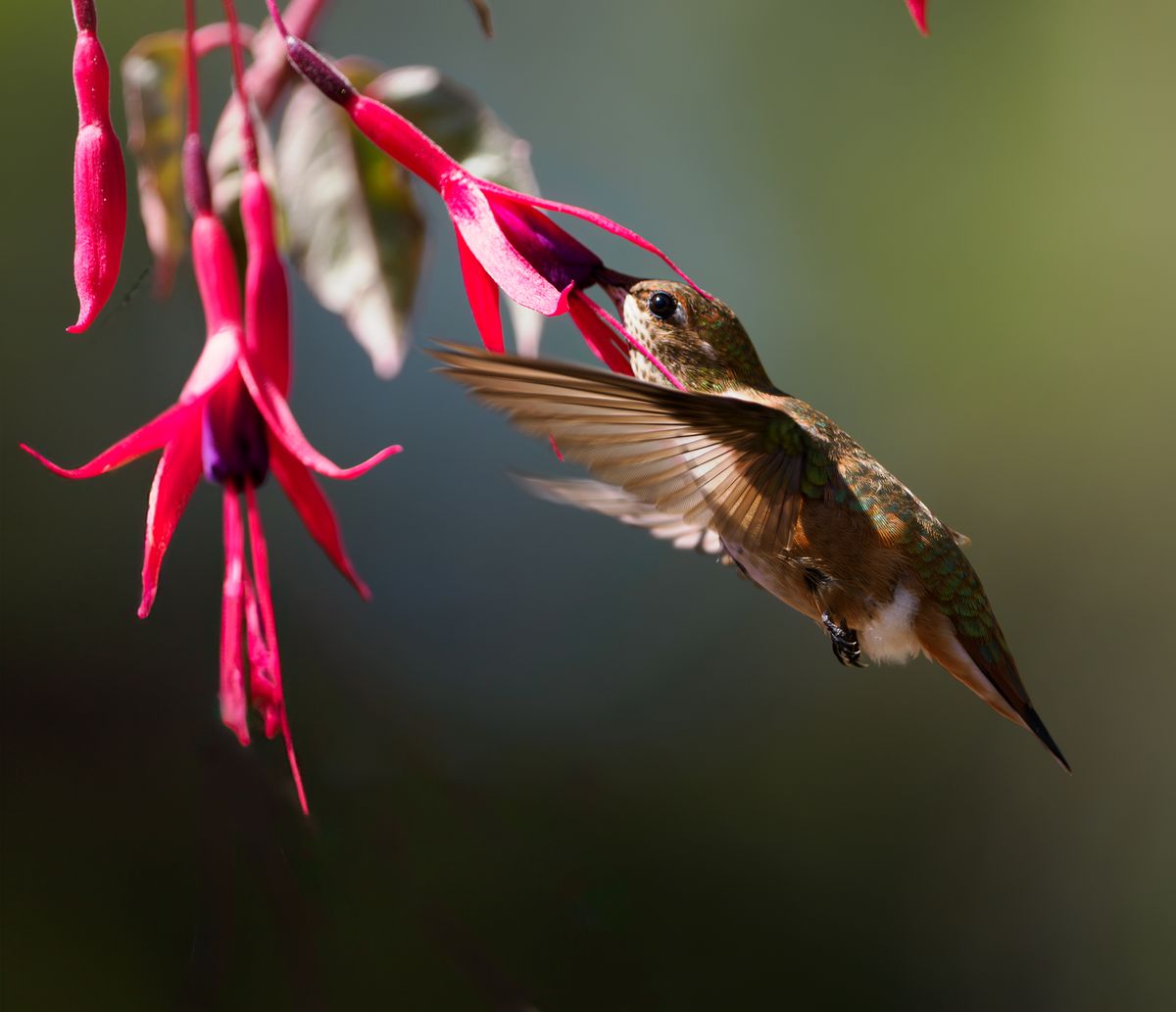
Photo by Mike Knibbs on Pexels
Bring heritage craftsmanship and brilliant illumination to your autumn garden layout with this top-rated solar glass feeder.
🌟 LUJII Solar-Powered Hummingbird Feeder 🌟
- Hand-Blown Glass Art: Each 32 fl. oz reservoir is individually handcrafted by glass artisans at 2,300°F, creating swirling, translucent patterns that catch daytime sunlight.
- Solar-Powered RGB Lights: Features an integrated waterproof solar cap that automatically turns on at dusk, casting vibrant RGB light for up to 8 hours after a full daylight recharge.
- Leak-Proof & Weather-Resistant: Designed with a slender see-through shape, a sealed base to minimize drips, and an anti-rust metal base engineered to withstand autumnal rain and wind.
- Ideal Cottage Garden Accent: Blends seamlessly into fall flower beds alongside coneflowers, asters, and goldenrod while attracting late-migrating birds.
Regional Climate Thresholds: Frost, Wind, and Solar Exposure
Autumn weather varies drastically depending on your geographic region. Adapt your solar feeder care according to these specific environmental triggers:
- Coastal & High-Wind Regions: Autumn gusts can rock hanging feeders, causing nectar spills. Utilize the leak-proof sealed base of 32 oz glass feeders and suspend them from rigid shepherd's hooks rather than flexible tree branches.
- Mountain & Valley Microclimates: High elevations experience rapid 30°F temperature drops between afternoon and nightfall. Even if daytime temperatures reach 65°F, inspect night forecasts daily. When ambient air drops below 40°F, liquid nectar contracts and thermal stress on glass increases.
- Pacific Northwest / High-Cloud Zones: Shorter cloudy days reduce solar panel input. Position solar feeder caps away from north-facing walls and clear canopy overhangs to capture ambient ultraviolet light.
The Autumn Cottage Garden & Solar Feeder Maintenance Checklist
- [ ] Tilt solar cap panel to 45° facing South/Southwest to compensate for lower autumn sun trajectory.
- [ ] Prune surrounding tall foliage to prevent shadows from blocking solar cells between 10 AM and 3 PM.
- [ ] Switch nectar cleaning schedule from 2 days (summer) to 5-7 days based on sub-60°F temps.
- [ ] Inspect 32 oz hand-blown glass reservoir for micro-cracks before overnight temperatures drop below 40°F.
- [ ] Maintain 4:1 water-to-sugar nectar ratio (never add food coloring or anti-freeze additives).
- [ ] Record date of last hummingbird sighting; maintain feeder for precisely 14 additional days.
- [ ] Bring feeder indoors on nights forecasted below 40°F; rehang warm feeder at pre-dawn.
- [ ] Clean anti-rust metal base and clear seals prior to late-season winter storage.
Frequently Asked Questions About Fall Solar Feeder Care
Find fast answers to common questions about maintaining solar glass bird feeders during autumn:
Expand Your Sustainable Backyard Knowledge
For further authoritative guidance on supporting autumn wildlife and selecting weather-resistant garden accents, explore these trusted industry resources:
- Audubon Society: Hummingbird Feeding & Migration Guidelines
- Cornell Lab of Ornithology: Attracting Hummingbirds in Autumn
- National Wildlife Federation: Creating Certified Wildlife Habitat Sanctuaries
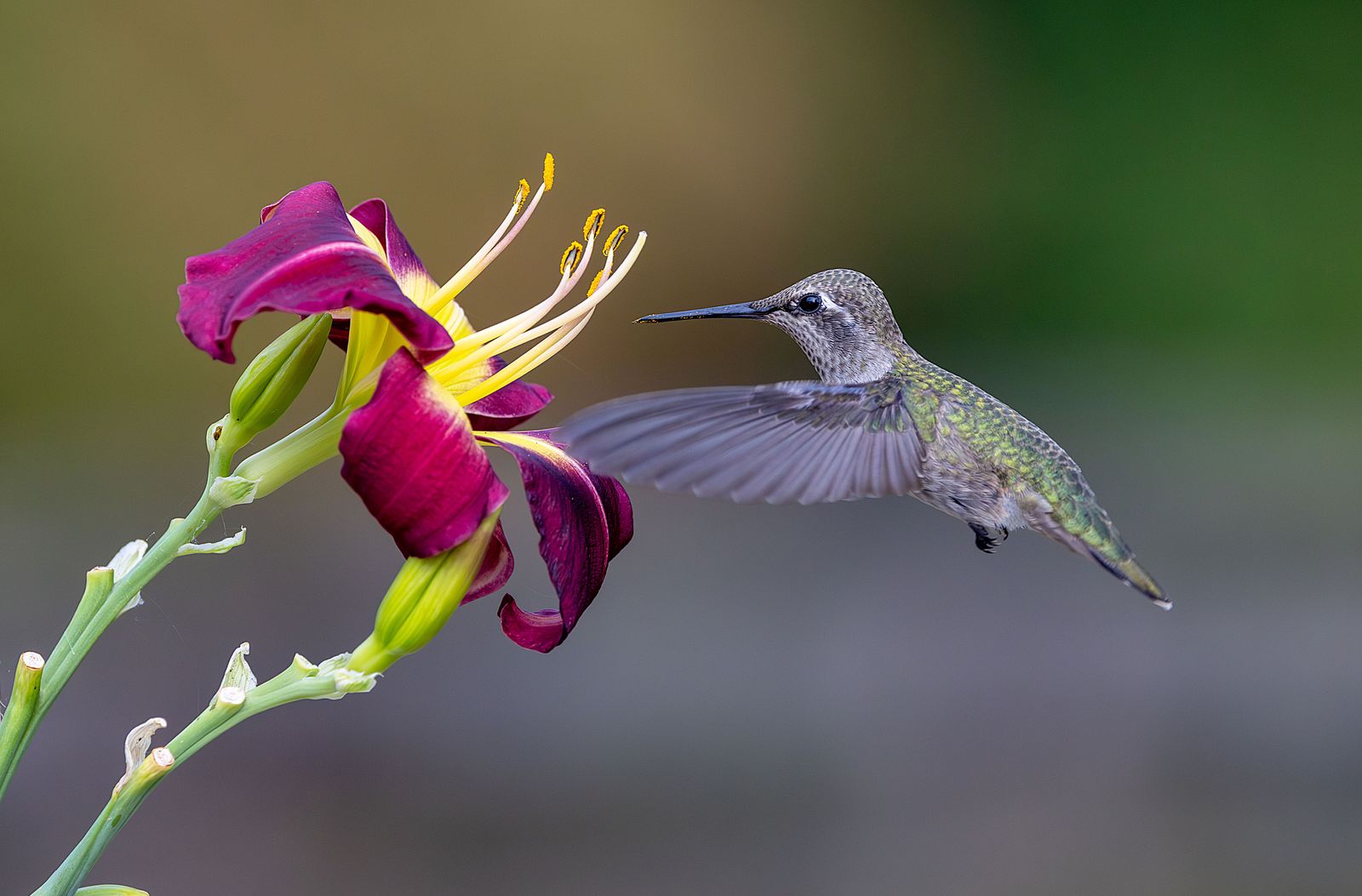
Cover photo by Veronika Andrews on Pexels.