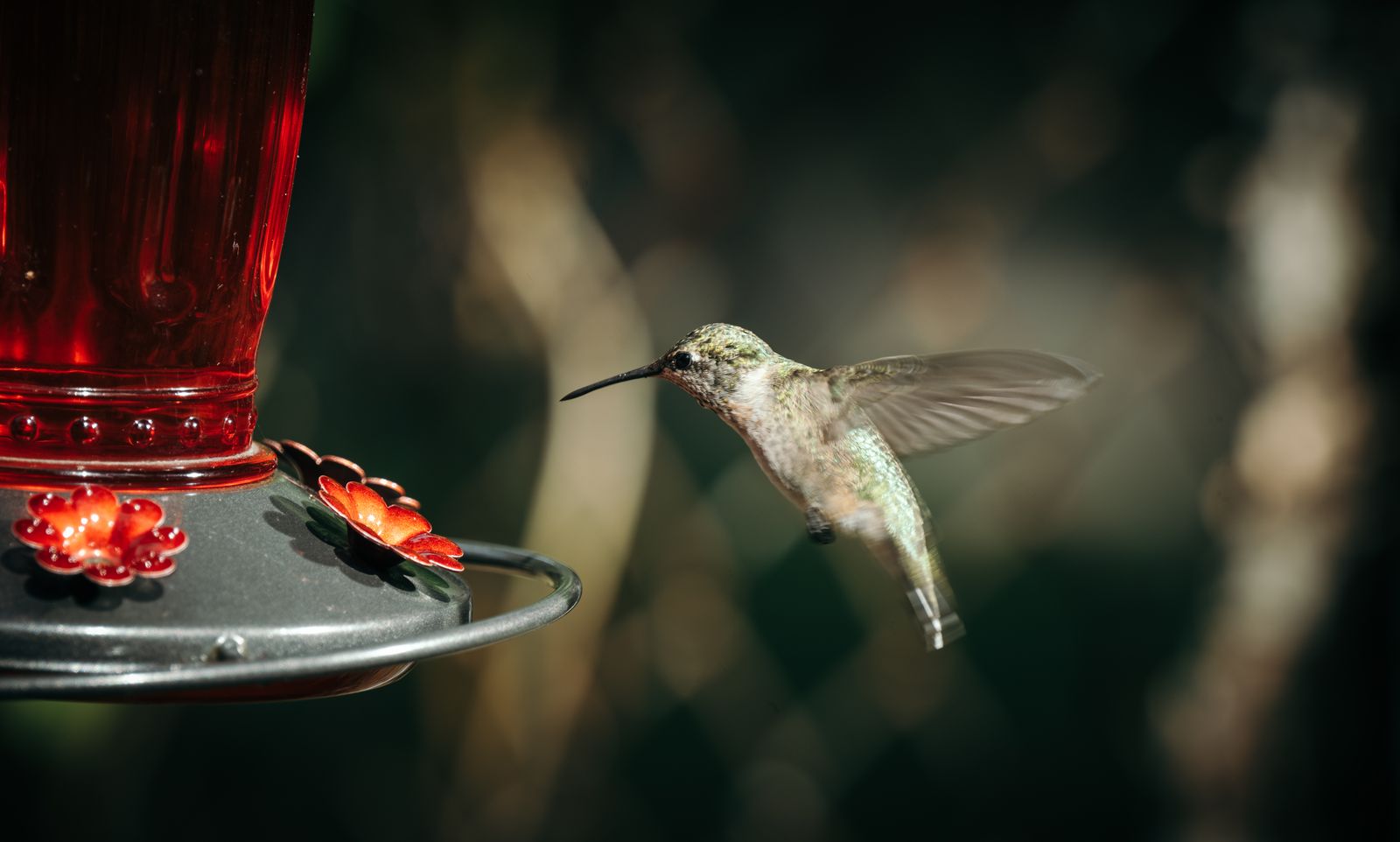
2,300°F Hand-Blown Glass Art: Heritage Craft vs. Machine Glass Decor
Should you invest in 2,300°F hand-blown glass art for your garden? Yes. At 2,300°F (1,260°C), raw silica and mineral color oxides fuse into a seamless, non-porous glass matrix. Controlled annealing eliminates internal stress, creating weather-resistant, UV-proof outdoor decor with brilliant light refraction that never peels or chips like painted machine glass.
Technical Specification Comparison: Hand-Blown vs. Machine Glass
| Technical Parameter | 2,300°F Hand-Blown Art Glass | Machine-Pressed / Molded Glass |
| --- | --- | --- |
| Furnace Peak Temperature | 2,300°F (1,260°C) | 1,400°F - 1,600°F (760°C - 870°C) |
| Color Integration Method | Fused mineral oxide frit (embedded full depth) | Surface-sprayed acrylic/epoxy paint coating |
| Structural Seam Presence | 100% Seamless (Mouth-blown on pipe) | Dual vertical mold seams (Mechanical stress points) |
| Stress Relief Process | Controlled 12-hour lehr annealing at 900°F | Rapid ambient cooling (Leaves micro-stresses) |
| UV Fade Resistance | Permanent (Chemical fusion into silica) | Degrades in 1–2 seasons under direct sunlight |
| Thermal Expansion Tolerance | High (Uniform stress distribution) | Low (Prone to cracking along mold line seams) |
| Base Structure / Signature | Polished pontil (punty) scar | Stamped factory mold number / ring ridge |
A side-by-side comparison of material physics, thermal boundaries, and structural parameters between artisan hand-blown glass art and factory machine-pressed glass.
Anatomical Structural Comparison: Hand-Blown vs. Molded Glass
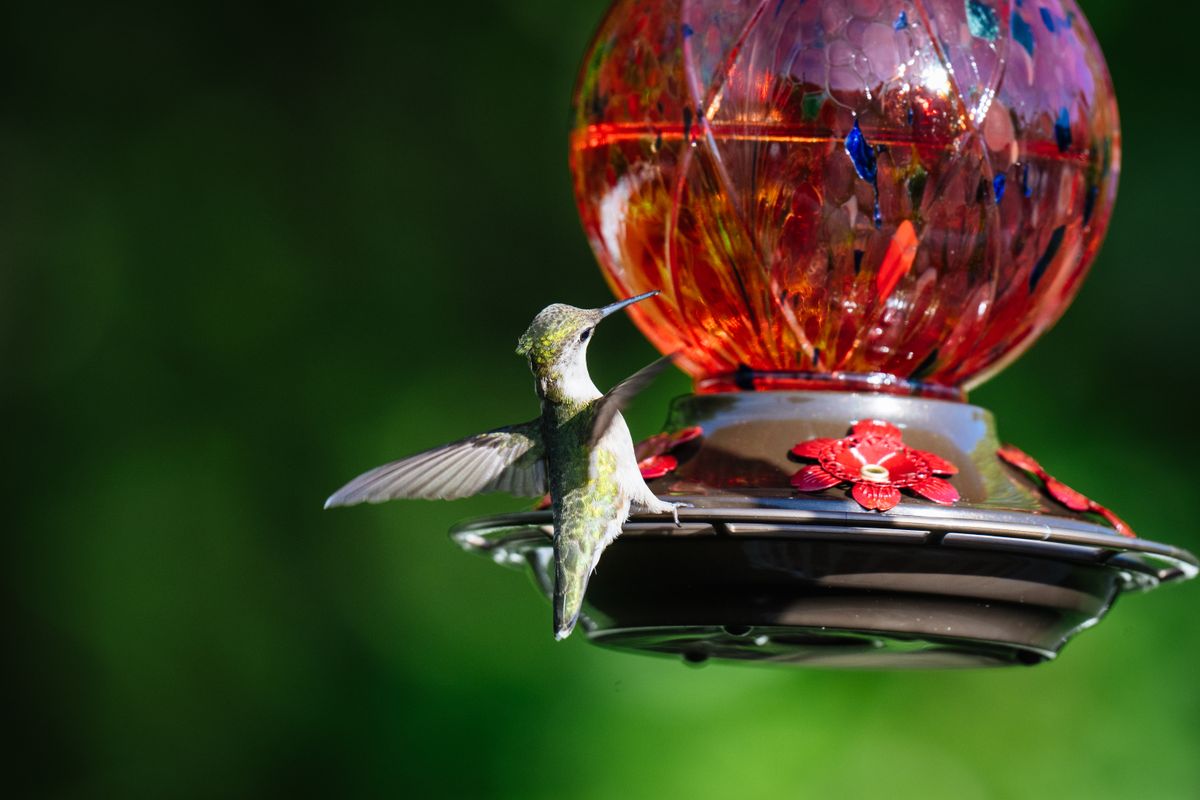
Understanding the visual markers and structural points of failure in outdoor decorative glass.
Visual Breakdown: From Molten Silica to Backyard Masterpiece
This visual overview charts the heat, tools, and transformation steps required to shape raw minerals into functional, weather-hardened garden art.
The 2,300°F Glassblowing Process: From Furnace to Garden Art
- Stage 1: 2,300°F Furnace Melt — Silica sand, soda ash, and lime are heated inside a ceramic pot furnace to 2,300°F (1,260°C) until trapped gases escape, forming crystal-clear, molten glass with the viscosity of honey.
- Stage 2: The Gathering & Mineral Frit Layering — The glassmaker dips a stainless steel blowpipe into the molten bath to 'gather' a glowing globe of glass. It is immediately rolled over a steel plate (marver) covered in crushed, colored glass chips (mineral frit).
- Stage 3: Hand Blowing & Sculpting — Air is gently blown through the pipe to create an internal air pocket. Using hand wooden blocks and damp leather pads, the artisan spins and shapes the glass at 2,000°F, pulling organic swirls into the molten walls.
- Stage 4: Punty Transfer & Flame Polishing — A solid steel rod (punty) is attached to the base using a small dab of hot glass. The top is detached from the blowpipe and flame-polished under direct burner flames to create a smooth, rounded lip.
- Stage 5: Pontil Separation — The finished glass reservoir is tapped lightly off the punty rod, leaving a unique, small, smooth scar known as the pontil mark at the base—the signature hallmark of authentic mouth-blown art glass.
- Stage 6: 12-Hour Annealing Stress Relief — The glowing glass enters an annealing lehr oven held at 900°F (480°C). Over 12 hours, the temperature drops slowly to room temperature, relaxing molecular tension and guaranteeing thermal shock resistance.
Pro Tip: Spotting Genuine Artisanal Pontil Marks in the Wild
When shopping for hand-blown glass garden decor, flip the reservoir over and inspect the base under indirect light. A genuine mouth-blown piece will feature a slightly irregular, ground, or fire-polished circular scar (the pontil mark) where the punty rod was severed. Factory-molded glass will lack this signature entirely, offering instead a uniform stamped ring or mold-alignment line. If the bottom is perfectly flat with faint raised numbers, it came out of an industrial stamping machine, not a 2,300°F artisan furnace.
Frequently Asked Questions About 2,300°F Hand-Blown Glass Decor
Clear technical answers to common questions about artisan glass manufacturing, heat resistance, and long-term garden durability.
Mid-Guide Action Steps: Evaluating Your Garden Decor Setup
Your decision: Choose authentic 2,300°F hand-blown glass for permanent outdoor beauty without yellowing or color peeling.
Do this next: Inspect your existing or prospective glass garden decor for machine seams and surface paint before exposure to freezing weather or high sun.
Related resource: Read our guide on maintaining hand-blown solar hummingbird feeders to preserve glass clarity season after season.Explore the LUJII 32 oz Hand-Blown Solar Hummingbird Feeder featuring hand-blown art glass and built-in solar light illumination.
Before purchasing new garden accents or illuminated bird feeders, evaluate your outdoor setup for long-term durability and safety.
Essential Summary: Why 2,300°F Heritage Glass Outlasts Mass Alternatives
Core technical advantages that make hand-blown artisan glass superior for outdoor sanctuaries.
Is 2,300°F Hand-Blown Glass Right for Your Outdoor Space?
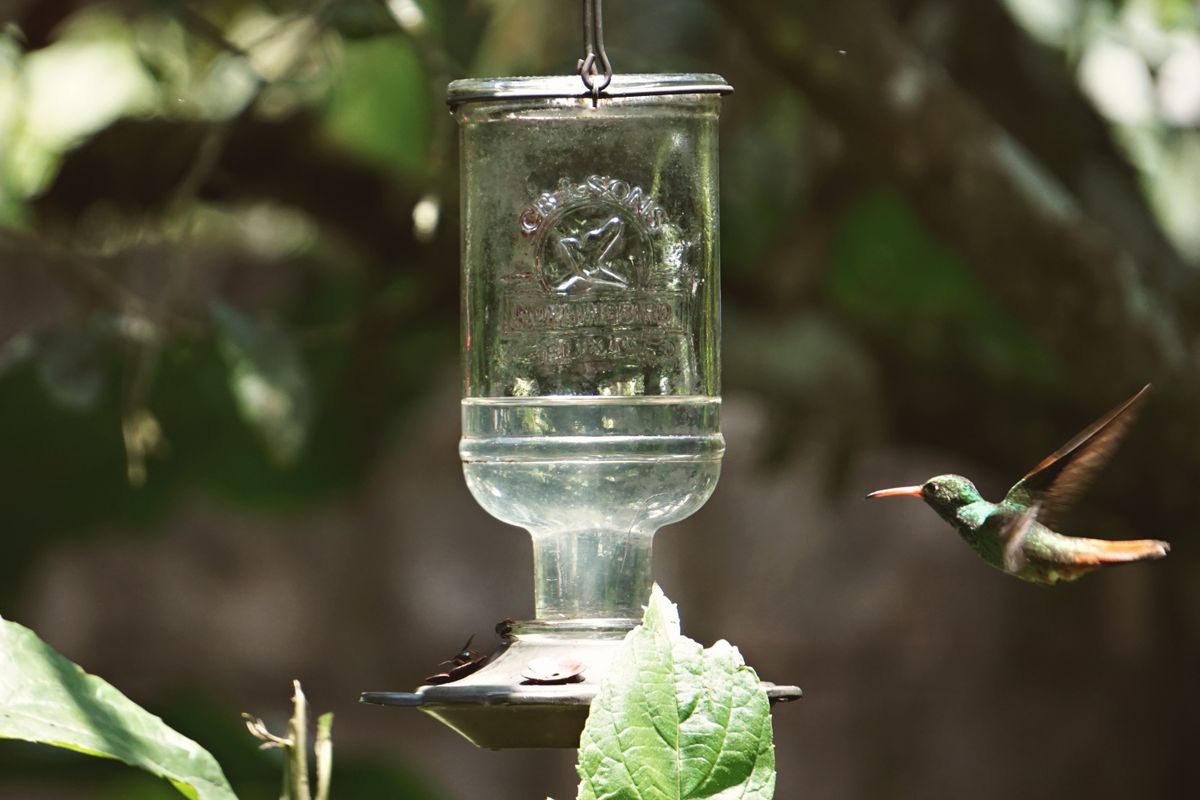
Photo by DΛVΞ GΛRCIΛ on Pexels
Choose 2,300°F hand-blown glass art if you value dynamic light refraction, color that never fades in direct sunlight, and unique artisan beauty. Avoid cheap painted machine glass if your area experiences high heat or extreme temperature swings.
Best choice for
- 2,300°F Hand-Blown Glass — Fused mineral frit pigments never fade, crack, or peel under strong midday sun.
- Solar Lighted Hand-Blown Feeder — Hand-blown thickness gradients act as natural prisms for solar-powered RGB lights at dusk.
- Artisan Glass Art — Handmade using timeless techniques that last for years without contributing plastic waste.
- You expect low-cost, disposable plastic decor that you replace every single season.
- You intend to leave liquid-filled glass hanging outdoors in deep, sub-zero winter freeze conditions without draining.
- Heavy-Duty Molded Clear Glass — Functional, but lacks unique art character, contains visible mold seams, and relies on external paint that eventually flakes off.
To understand why a 2,300°F hand-blown glass piece feels fundamentally different in the hand—and performs differently in the garden—one must look at the atomic behavior of silica under intense thermal energy.
Molecular Fusion at 2,300°F
When silica sand ($SiO_2$) is heated past 2,000°F, its rigid crystalline lattice breaks down into an amorphous fluid. At the peak furnace temperature of 2,300°F (1,260°C), the viscosity drops sufficiently for trapped atmospheric gases to boil off. This degassing phase is critical: any micro-bubbles left inside machine-pressed glass become localized stress points that can snap when exposed to heat or cold.
During hand-blowing, glass artists introduce colored glass 'frit'—crushed glass infused with raw metal oxides like cobalt (blue), copper (green), gold (red), and iron (amber). Because the molten gather is at 2,300°F, these color particles do not merely stick to the surface; they melt directly into the silica matrix. The color becomes an inseparable part of the glass wall itself. You can learn more about how light and color interact with outdoor glass by reading about solar-powered lighted feeders vs standard glass.
``` +-------------------------------------------------------------------+ | 2,300°F MOLTEN GLASS MATRIX | | | | (Silica Sand) + (Mineral Oxides) ---> Fused Chemical Bond | | [SiO2 Matrix] [Cobalt/Copper] [Zero UV Degradation] | +-------------------------------------------------------------------+ ```
The Science of Annealing: Eliminating Internal Stress
Why does factory glass crack when left on a hot deck or exposed to sudden summer rain, while artisan glass survives? The secret lies in the annealing lehr.
When molten glass cools rapidly in air (the standard process for high-speed machine stamping), the exterior layer hardens first while the core remains hot and expanded. As the interior eventually cools and shrinks, it pulls against the rigid outer shell, trapping massive tension inside the molecular structure. A tiny bump or sudden temperature drop causes this trapped energy to release catastrophically along the weakest line—typically the mold seam.
In hand-blown glass craft, the finished piece goes immediately into a controlled 900°F annealing oven. Over 8 to 14 hours, the furnace gradually steps down the temperature. This allows the inner and outer glass molecules to contract at the exact same rate, eliminating structural strain. For tips on maintaining this stress-free glass year-round, see our guide on cleaning and maintaining hand-blown glass feeders.
Light Refraction and Solar RGB Integration
Because hand-blown glass is shaped by human breath and gravity, its walls possess microscopic, organic variations in thickness. When direct sunlight—or night illumination from solar-powered RGB LEDs—passes through these sculpted curves, the glass acts as a natural lens. It bends and refracts light into rippling, wave-like patterns across nearby leaves and patio ground. Blending these traditional materials with renewable solar energy creates a stunning focal point; discover how in our feature on sustainable fall backyard decor guide.
Evaluation Criteria: Hand-Blown Art Glass vs. Pressed Glass
| Evaluation Criteria | 2,300°F Hand-Blown Art Glass | Machine-Pressed / Painted Glass |
| --- | --- | --- |
| Primary Failure Mode | Accidental impact drop onto concrete (High tensile strength otherwise) | Thermal shock cracking along mold seams & surface paint peeling into nectar |
| Surface Coating Vulnerability | None (Flame-polished glass surface is 100% non-reactive and non-porous) | High (Synthetic paint flakes off after exposure to sun and acidic nectar) |
| UV Sun Exposure Result | Zero degradation; colors retain original vibrancy indefinitely | Fading, chalking, and micro-cracking of synthetic topcoats within 90 days |
| Structural Mold Seams | Zero seams; mouth-blown circular structure distributes pressure evenly | Two high-stress vertical seams vulnerable to splitting during temperature swings |
| Visual Optical Quality | Dynamic wave refraction; unique organic glass patterns on every piece | Flat, rigid reflections with visible machine molding lines and dull finish |
| Cleaning & Maintenance | Easy to wash with warm water and soft brush; scratch-resistant | Scratches easily; harsh scrubbers rub away surface paint layers |
Leading with real-world outdoor failure modes to help you avoid cheap glass knockoffs that fail after one season.
Failure Modes & Buyer Pitfalls: How Cheap Glass Fails Outdoors
Avoid these critical mistakes when choosing outdoor decorative glass and hummingbird feeders:
- Falling for 'Painted Glass' Knockoffs: Many cheap feeders are clear machine-pressed soda glass sprayed with an exterior coat of colored paint. Within weeks, UV rays and rain break down the paint binders. The color peels off, leaving bare glass and shedding synthetic chips into your garden (or into bird nectar).
- Ignoring Vertical Mold Seams: Inspect any prospective glass feeder for dual vertical lines running up the sides. Machine molds join two halves under high mechanical pressure, leaving weak seam joints. During summer heatwaves, differential thermal expansion causes stress cracks right down these seam lines.
- Scrubbing Art Glass with Abrasive Metal Pads: While true 2,300°F fused glass color cannot fade, scrubbing the surface with steel wool or wire pads can scratch the smooth, flame-polished silica outer layer, creating cloudy micro-grooves where mold and algae can lodge.
- Assuming Heavy Means Strong: Mass-produced factory glass is often extremely thick and heavy to compensate for poor annealing. True structural strength comes from stress-relief annealing at 900°F, not bulk mass. A well-annealed, hand-blown piece with subtle wall gradients is far tougher against thermal shocks than a thick, un-annealed factory chunk.
Expand Your Knowledge: Heritage Crafts & Backyard Light
- How Hummingbirds See Color: The Secret Science Behind Glass & Light Attraction
Featured Heritage Craftsmanship: LUJII Solar Hummingbird Feeder
Bring timeless hand-blown glass art and magical evening lighting into your garden with our flagship solar feeder.
Next Steps: Transform Your Backyard Sanctuary Today
Your decision: Upgrade from painted machine glass to durable, 2,300°F hand-blown solar glass art that will never fade or crack under UV sun.
Do this next: Check out our featured LUJII Solar-Powered Feeder to bring artisanal glass craftsmanship and charming evening light patterns to your patio.
- Read next: How Hummingbirds See Color: The Secret Science Behind Glass & Light Attraction
Discover the LUJII Solar Hummingbird Feeder today and add a magical touch to your garden!
Elevate your outdoor space with authentic heritage glass art and sustainable solar illumination.