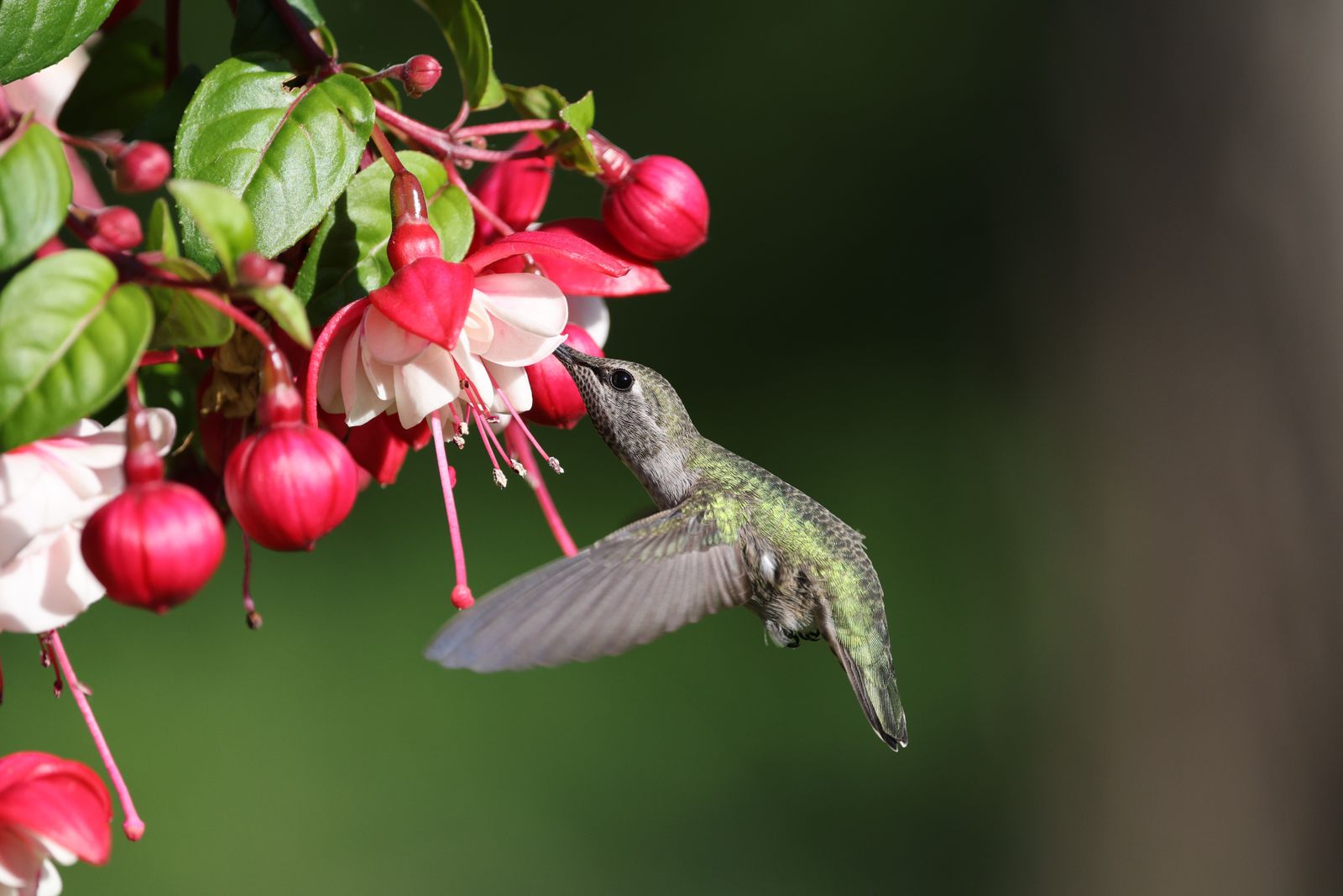
Winterizing Hand-Blown Glass vs. Plastic Solar Feeders: Durability & Care Comparison
Hand-blown glass solar hummingbird feeders outperform plastic in UV resistance and structural durability, but both materials require liquid nectar removal before freezing temperatures to prevent internal expansion damage to the reservoir and solar battery cap. Remove nectar before deep freezes, clean fully, and store the solar module dry to protect the lithium battery.
Material Science Breakdown: Glass vs. Plastic in Freeze Conditions
| Evaluation Criteria | Hand-Blown Glass Solar Feeder (LUJII) | Standard Molded Plastic Solar Feeder |
| --- | --- | --- |
| | | |
| | | |
| | | |
| | | |
| | | |
| | | |
Evaluating hand-blown glass versus commercial plastic under freeze-thaw stress, solar battery housing protection, and thermal shock thresholds.
Pros and Cons of Wintering Glass vs. Plastic Feeders
Photo by Veronika Andrews on Pexels
Pros
- Hand-blown glass maintains crystal optical clarity without yellowing or clouding after winter sun exposure.
- Thick artisan glass reservoir walls provide robust structural integrity against wind gusts and rain.
- LUJII sealed metal base and protective solar cap shield RGB light electronics from winter moisture.
- Vibrant translucent colors add magical garden warm brilliance during dreary winter twilight hours.
- Liquid nectar expanding into solid ice will crack glass reservoirs if left full during hard freezing nights.
- Hand-blown glass requires gentle temperature acclimation during indoor winter cleaning to avoid thermal shock.
The LUJII Hand-Blown Glass Advantage in Cold Climates
For bird lovers seeking multi-season garden elegance without material degradation, the LUJII Solar-Powered Hummingbird Feeder offers handcrafted 2,300°F annealed glass, a 32 fl.oz see-through reservoir, and an anti-rust metal base. Paired with an automated RGB solar LED cap that lights up for up to 8 hours, it turns your garden into a glowing sanctuary. Simply drain nectar during hard freeze warnings to protect the reservoir while enjoying a stunning piece of outdoor art year-round.
Thermal Shock Prevention Protocol
Never wash a cold glass feeder with hot water! When bringing your hand-blown glass feeder inside from chilly outdoor weather, let it acclimate naturally to room temperature for at least 30 to 45 minutes before cleaning with lukewarm water. Rapid temperature differences exceeding 50°F cause uneven material contraction and can induce invisible micro-fractures in solid glass.
Regional Winterization Timeline by Hardiness Zone
| USDA Zone Range | First Freeze Window | Nectar & Reservoir Action | Solar Cap & Battery Protocol |
| --- | --- | --- | --- |
| | | | |
| | | | |
| | | | |
Map your seasonal maintenance and solar cap protection schedule based on your USDA climate zone.
Autumn Feeder Transition Checkpoint
Your decision: Determine whether your local region experiences hard sub-zero freezes or mild winter frosts.
Do this next: Verify your area's average first-frost date and prepare a dedicated climate-controlled storage space for your hand-blown glass feeder and solar module.
Related resource: Hummingbird Feeder Gasket and O-Ring Maintenance Guide
LUJII Hand-Blown Glass Solar Hummingbird Feeder
Prepare your outdoor space before temperatures drop below freezing.
Frequently Asked Questions About Winter Feeder Care
Common questions regarding freezing temperatures, battery health, and thermal safety.
Essential Winterization Summary
Keep these key rules in mind when caring for your solar hummingbird feeder during winter:
- Material Durability: Hand-blown 2,300°F glass will not become brittle or yellow under winter UV radiation, unlike commercial plastics.
- Freeze Protection: Water expands by approximately 9% upon freezing. Always empty liquid nectar before hard overnight freezes to prevent hydraulic pressure from cracking glass or splitting plastic seams.
- Solar Electronics Care: Sub-zero temperatures temporarily suppress lithium battery discharge performance. Store solar caps indoors with the power switch OFF when not in use.
- Thermal Shock Safeguard: Allow outdoor cold glass to acclimate to indoor room temperature before washing with lukewarm water.
- Protective Construction: The LUJII feeder features an anti-rust metal base and protective cap, ensuring long-term rust resistance across wet winter months.
5-Step Solar Feeder Winterization Protocol
Follow this step-by-step checklist to safely prepare your hand-blown glass feeder and solar electronics for cold storage.
Off-Season Storage & Routine Inspection Schedule
Photo by Veronika Andrews on Pexels
- Early Autumn (Pre-Freeze Warning) — Inspect hand-blown glass reservoir for minor micro-chips, test RGB lighting modes, and check metal base anti-rust coating.
- First Overnight Freeze Forecast — Empty liquid nectar, perform lukewarm wash after temperature acclimation, and allow all components to air-dry for 24 hours.
- Mid-Winter Storage (Month 2) — Verify solar cap power switch is set to OFF. Ensure glass reservoir is stored wrapped in soft cloth or bubble wrap in a dry space.
- Early Spring Re-Installation — Place solar cap under direct sunlight for 8 full hours to top up rechargeable battery before filling reservoir with fresh sugar nectar.
Choosing the Right Feeder Strategy for Your Climate
Both hand-blown glass and plastic solar feeders require specific winterization steps, but hand-blown glass paired with a sealed solar module provides superior long-term weather resistance and visual clarity if protected from freeze expansion and thermal shock.
Best choice for
- LUJII Hand-Blown Glass Solar Feeder — Thick 2,300°F artisan glass maintains surface integrity and glowing translucent colors year after year when protected from internal ice expansion.
- Molded Plastic Solar Feeder — Lower replacement cost if physically knocked over, though plastic degrades rapidly under freeze-thaw cycles and winter UV.
- Leaving any liquid nectar filled inside a tightly sealed glass reservoir during sub-zero overnight freezes without an active external heating element.
- Rotating two hand-blown glass reservoirs between indoors and outdoors — Allows continuous morning feeding for wintering hummingbirds in mild climates while safely warming frozen nectar indoors.
Real-World Climate Scenarios: Sub-Zero vs. Mild Freezes
Scenario A: Overnight Sudden Snap Freeze (USDA Zone 5, 18°F Forecast) — Bring your LUJII hand-blown glass feeder indoors at dusk. Liquid nectar expands when turning to solid ice, creating intense internal hydraulic pressure that can crack glass reservoirs or burst plastic seams. Store the solar cap indoors with the switch turned OFF.
Scenario B: Mild Winter Coastal Sun (USDA Zone 9, 45°F Daytime / 34°F Night) — Keep your LUJII feeder active outdoors year-round. The anti-rust coated metal base and protective solar cap shield electrical components from winter mist, while the automated RGB solar lights bring magical ambient color to dark winter evenings.
How to handle your solar feeder setup depending on your local winter weather patterns.
When comparing materials for outdoor garden decor, understanding how environmental forces act upon glass and plastic is essential for long-term enjoyment. Hand-blown glass and molded plastic react in fundamentally different ways when exposed to sub-zero temperatures, freezing moisture, and winter sunlight.
The Physics of Cold Embrittlement in Plastic
Plastic feeders are manufactured from synthetic polymers such as acrylic or polycarbonate. While these materials are lightweight and inexpensive, cold temperatures induce a phenomenon known as glass transition temperature embrittlement. As temperatures drop below 32°F, the polymer chains lose their internal flexibility and lock into a rigid matrix. Under these conditions, plastic loses up to 80% of its impact resistance. Wind vibration, slight bumps, or the expansion of freezing water in feeding ports can cause sudden brittle fractures.Furthermore, winter sunlight delivers concentrated ultraviolet (UV) radiation that breaks down chemical bonds in plastic. Over time, this results in micro-crazing, yellowing, and surface chalking—making plastic feeders cloudy and increasingly fragile with every passing winter.
High-Temperature Annealed Glass Resilience
In contrast, hand-blown glass feeders—such as the LUJII Solar-Powered Hummingbird Feeder—are forged at temperatures reaching 2,300°F and subjected to controlled annealing processes. This thermal treatment relieves internal structural stress, resulting in dense, non-porous glass walls that are entirely immune to cold embrittlement and UV degradation. Sun exposure will never fade, yellow, or cloud hand-blown glass, ensuring crystal clarity season after season.However, glass possesses a rigid crystal structure that cannot stretch. When liquid nectar freezes, water molecules arrange into a crystalline lattice that expands by approximately 9% in volume. If liquid is trapped inside a glass reservoir with no room to expand, the resulting hydraulic force easily exceeds the physical strength of any glass wall. Thus, winterizing glass feeders is not about protecting the glass from cold air—it is about preventing liquid ice expansion inside the vessel.
Protecting Solar Battery Electronics in Low Temperatures
The top solar module of an illuminated hummingbird feeder houses a solar panel array, a rechargeable lithium battery, and an RGB LED lighting control circuit. Cold weather temporarily slows down the chemical reactions inside lithium batteries, causing a temporary reduction in voltage discharge capacity. If a battery is left completely discharged in freezing conditions, the internal electrolyte can freeze, causing permanent cell degradation.To preserve battery life during winter storage:
Recommended Guides for Feeder Maintenance
Explore additional guides to keep your illuminated solar garden decor operating at peak beauty:
- How to Clean and Maintain Your Hand-Blown Solar Hummingbird Feeder
- Hummingbird Feeder Gasket and O-Ring Maintenance Guide
- Best Illuminated Feeders for Twilight Garden Decor: Solar RGB Glass vs. Standard Feeders
Featured Solar Hummingbird Feeders
Discover the artisan craftsmanship of the LUJII Solar-Powered Hummingbird Feeder, featuring handcrafted 2,300°F hand-blown glass art, a leak-proof 32 fl.oz see-through reservoir, an anti-rust metal base, and automated RGB nighttime lighting.
Next Steps for Your Winter Garden Strategy
Your decision: Choose artisan hand-blown glass for permanent structural durability and garden elegance, provided liquid nectar is emptied during sub-zero freezes to prevent ice expansion damage.
Do this next: Follow the 5-step winterization checklist to clean your glass reservoir and protect the solar cap battery housing before your area's first hard freeze.
- Read next: How to Clean and Maintain Your Hand-Blown Solar Hummingbird Feeder
LUJII Hand-Blown Glass Solar Hummingbird Feeder (32 fl.oz, RGB Solar Cap)
Protect your garden art investment with proper seasonal care.
Cover photo by Veronika Andrews on Pexels.