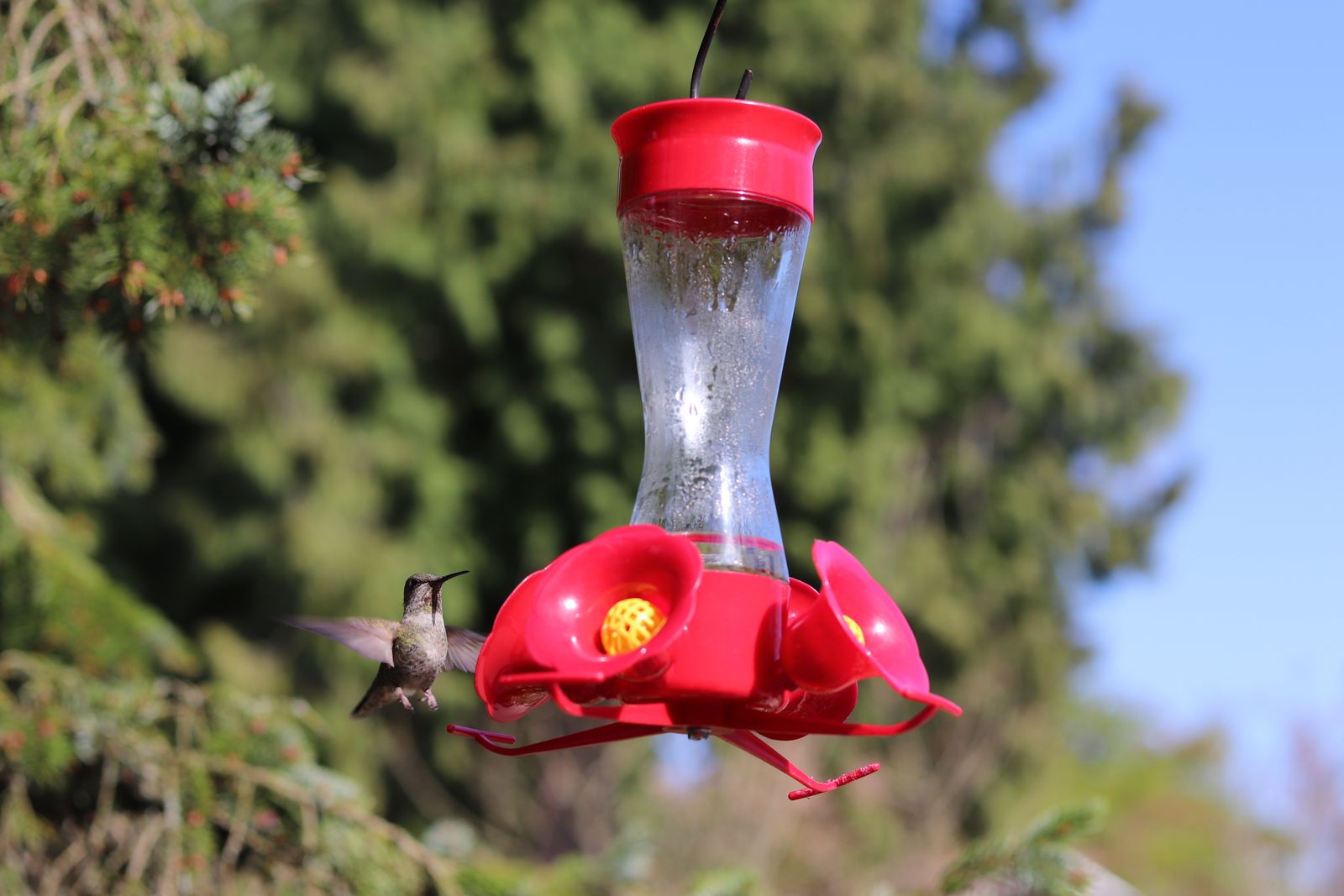
Glass vs. Plastic Hummingbird Feeders: Comparison & Material Guide
Hand-blown glass hummingbird feeders are superior to plastic models because non-porous glass resists UV breakdown, prevents micro-scratch mold harbors, and eliminates chemical leaching in direct sunlight. While plastic feeders cost less upfront, artisan glass offers easy sanitation, superior thermal protection, and long-lasting garden beauty.
Glass vs. Plastic Feeder Breakdown Matrix
| Evaluation Feature | Hand-Blown Glass Feeder | Standard Plastic Feeder |
| --- | --- | --- |
| UV Resistance & Material Lifespan | Indefinite; impervious to sun degradation, yellowing, or cracking | 1-3 seasons; turns brittle, yellows, and cracks under direct UV rays |
| Micro-Scratch & Mold Risk | Zero micro-scratches; non-porous glass cleans completely bacterial-free | High risk; brush scrubbing creates microscopic grooves harboring mold |
| Chemical Leaching & Safety | 100% chemically inert, zero leaching at high outdoor temperatures | Risk of BPA and plasticizer leaching when ambient warmth exceeds 85°F |
| Thermal Insulation | Thick blown glass insulates nectar against rapid solar heat spikes | Thin plastic warms quickly, accelerating sucrose fermentation |
| Aesthetic & Nighttime Utility | Artisan 2,300°F hand-blown art with integrated solar RGB illumination | Utilitarian aesthetic, prone to surface clouding over time |
| Wind Stability & Weight | Substantial weight (2-3 lbs filled) prevents excessive wind sway | Lightweight (under 1 lb filled); prone to tipping and spilling in gusts |
Compare key performance metrics, material safety factors, and aesthetic qualities between hand-blown glass and standard plastic hummingbird feeders.
Weighing the Trade-Offs: Material Performance Breakdown
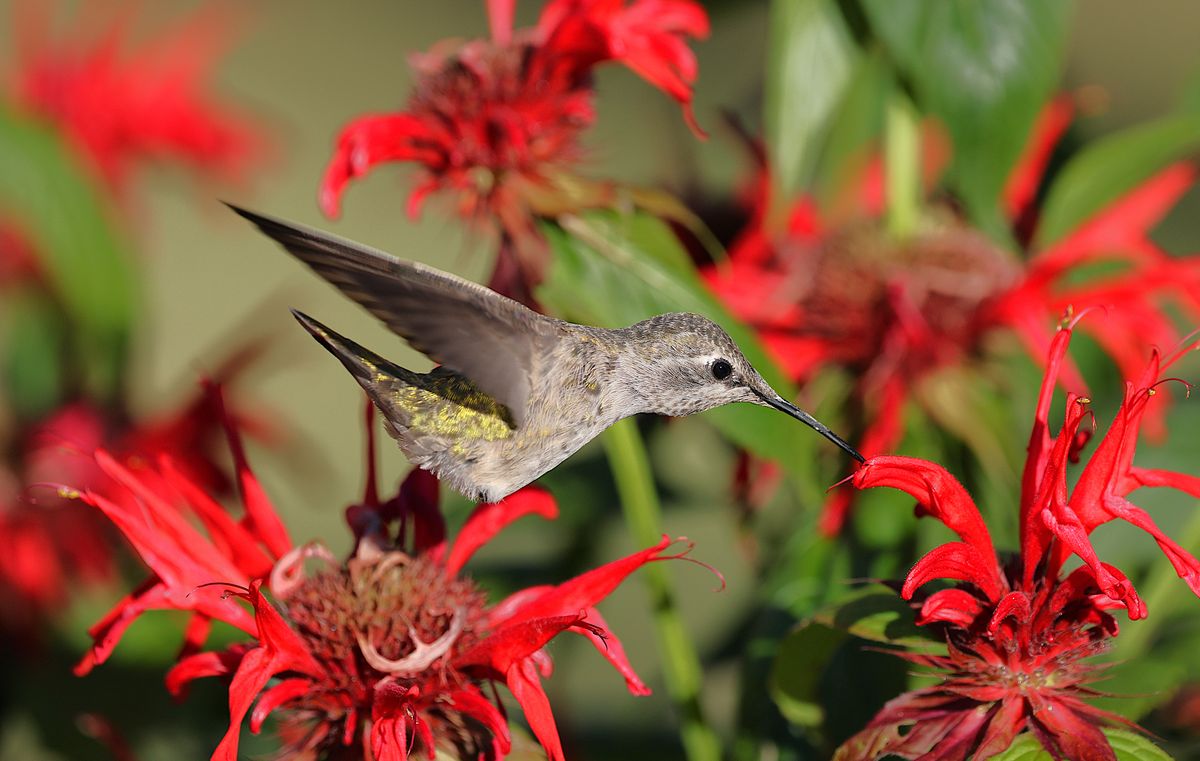
Photo by Veronika Andrews on Pexels
Pros
- Hand-blown glass features a non-porous surface that stops toxic mold and yeast colonies from embedding.
- Handcrafted glass colors are melted into the structure at 2,300°F and will never fade, peel, or leach chemicals.
- Integrated solar caps charge during the day to cast a magical multi-colored RGB light display after sunset.
- Heavier glass reservoirs stabilize the feeding station during sudden summer wind gusts, preventing nectar spills.
- Hand-blown glass carries a higher upfront investment compared to mass-produced plastic alternatives.
- Requires sturdy hanging hardware, such as heavy-duty S-hooks rated for 5+ pounds.
- Standard plastic feeders degrade quickly in sunlight, losing transparency and becoming brittle within 12 to 24 months.
- Abrasive cleaning brushes leave micro-scratches on plastic interiors that trap stubborn black mold spores.
Editor's Choice for Long-Term Backyard Use
For wild bird health, effortless sanitation, and captivating garden aesthetics day and night, we recommend investing in a handcrafted solar glass feeder.
Micro-Surface Comparison: Why Glass Prevents Mold
Visual representation showing how microscopic abrasions in plastic create harborage points for black mold spores compared to smooth hand-blown glass.
Expert Sanitation Tip: Avoiding Micro-Scratch Bacterial Buildup
When scrubbing plastic hummingbird feeders, standard nylon bottle brushes leave microscopic abrasions on the interior walls. These micro-grooves act as safe havens for black mold (Cladosporium) and fermenting yeast spores, which resist basic rinsing and quickly spoil fresh sugar water. In contrast, hand-blown glass crafted at 2,300°F retains a smooth, non-porous fire-polished finish. You can easily sanitize glass reservoirs using warm water and vinegar without needing harsh abrasives that scratch the surface.
Feeder Material Matchmaker Tool
- Is your hanging spot exposed to direct sunlight for more than 4 hours per day? → Yes: Choose hand-blown glass. Sunlight causes plastic to yellow, craze, and leach chemicals into warm nectar.. No: Both materials offer basic thermal stability, but glass still delivers superior cleanability.
- Do you want your garden feeder to double as an evening lighting centerpiece? → Yes: Select a solar-powered hand-blown glass feeder with built-in RGB night illumination.. No: A traditional non-illuminated glass or plastic feeder will meet basic daytime bird feeding needs.
- Are you hanging your feeder on a sturdy shepherd's hook, tree branch, or metal bracket? → Yes: Hand-blown glass (weighing 2-3 lbs filled) provides steady wind resistance on solid mounts.. No: If using temporary adhesive hooks, upgrade your mounting hardware before hanging a heavy glass feeder.
Frequently Asked Questions About Feeder Materials
Get clear answers to common questions regarding hummingbird attraction, solar lighting, weight support, and nectar safety.
Next Steps: Upgrading Your Backyard Feeding Station
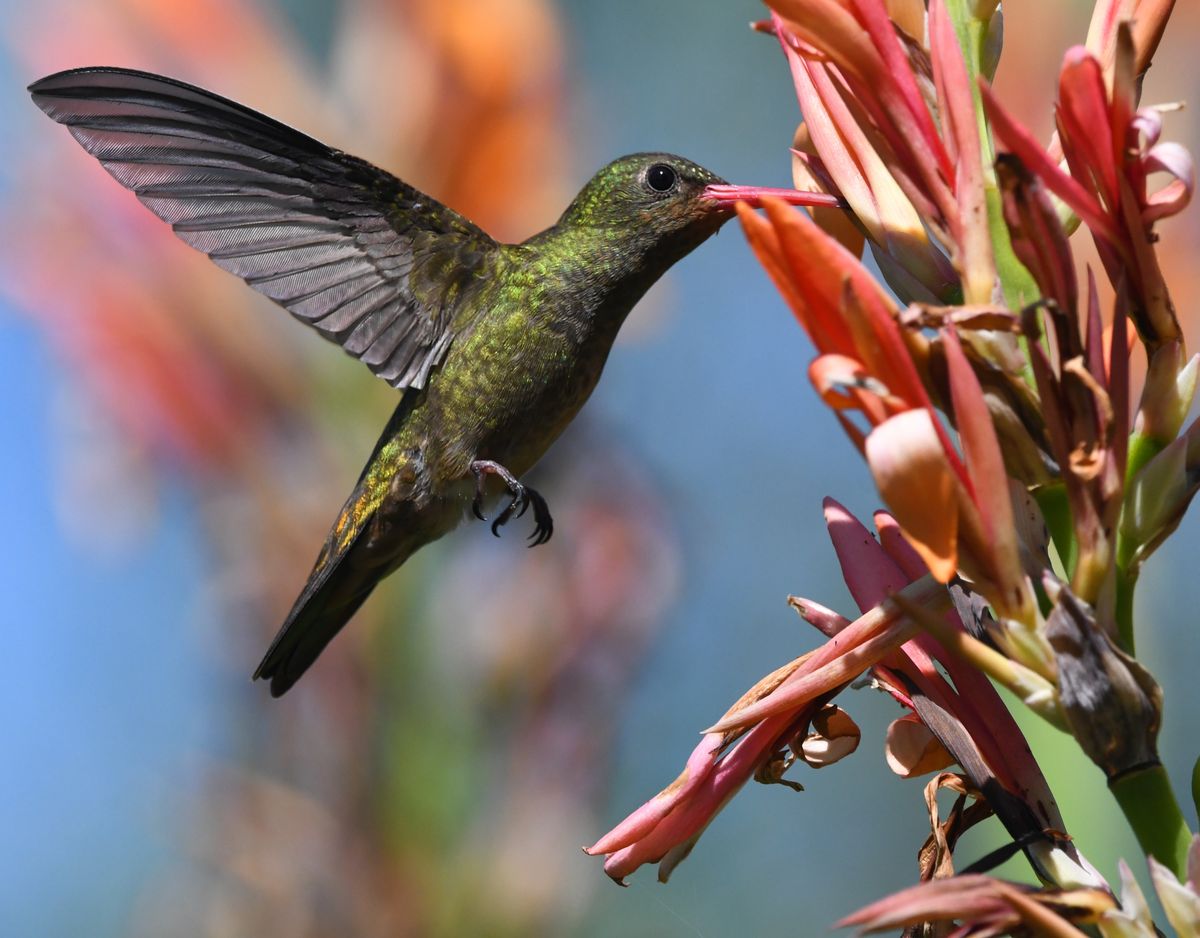
Photo by Pablo Asaroff on Pexels
Your decision: Choose hand-blown solar glass feeders for long-term health, ease of cleaning, and garden aesthetics.
Do this next: Select a heavy-duty S-hook rated for 5+ lbs and place your hand-blown glass solar feeder in partial shade.
- Read next: How to Clean and Maintain Your Hand-Blown Solar Hummingbird Feeder
- Read next: Troubleshooting Nectar Leaks and Solar Lights on Handcrafted Feeders
LUJII Handcrafted Solar Glass Hummingbird Feeder (32 oz capacity, anti-rust metal base, RGB night illumination).
Take these simple steps to ensure your new artisan feeder provides maximum hummingbird enjoyment and hassle-free operation.
Key Takeaways: Material Impact on Hummingbird Health
- Hygiene Supremacy: Non-porous glass prevents mold-trapping micro-abrasions caused by cleaning brushes.
- Sunlight Durability: Hand-blown glass will never cloud, yellow, or become brittle from harsh UV rays.
- Chemical Purity: Glass eliminates risks of BPA and phthalate leaching during hot summer afternoons.
- Wind Stability: Heavier glass reservoirs reduce tilting and dripping when windy gusts hit your garden.
- Dual-Purpose Art: Handcrafted glass offers vibrant daytime colors and evening RGB lighting without outdoor wiring.
Decision Support Matrix for Backyard Bird Enthusiasts
Hand-blown glass feeders are the superior long-term choice for bird enthusiasts prioritizing nectar safety, easy sanitation, and garden aesthetic, whereas low-cost plastic is suitable for temporary setup or high-risk spill zones.
Best choice for
- Hand-Blown Glass Feeder — Glass resists UV clouding and degradation while maintaining non-porous chemical stability.
- Solar RGB Glass Feeder — Offers handcrafted artistry and evening ambient glow impossible to achieve with molded plastic.
- You are hanging a feeder from thin, unanchored plant hooks incapable of supporting 3+ lbs.
- You require disposable, ultra-low-cost equipment for temporary seasonal feeding.
- Heavy-Duty Polycarbonate Plastic — Offers break-resistance but still suffers micro-scratching and UV yellowing over time.
Real-World Performance Across Outdoor Scenarios
Intense Midsummer Heat (85°F+ Direct Sun Exposure) — Use hand-blown glass. Thin plastic reservoirs can soften, warp their seals, and leach chemical compounds into warm nectar. Glass retains structural integrity, resists UV degradation, and insulates solution against sudden temperature spikes.
High-Wind Open Deck or Balcony Setup — Opt for a heavy glass feeder secured with a 5+ lb rated metal S-hook. Lightweight plastic feeders swing wildly in wind gusts over 15 mph, spilling sugar water and attracting ants or wasps to the base.
Shaded Backyard Sanctuary with Evening Patio Use — Choose a solar-powered artisan glass feeder. Its solar cap recharges during daylight, casting a soft RGB glow through hand-blown patterns after dark to transform your yard into a magical evening retreat.
How hand-blown glass and plastic perform under diverse weather conditions and backyard environments.
Maintaining a clean, safe hummingbird feeding station requires understanding how outdoor materials react to environmental stress. Hummingbirds (Trochilidae) possess extraordinary metabolic rates, hovering at up to 80 wingbeats per second. This rapid energy expenditure makes them exceptionally vulnerable to spoiled nectar, fungal toxins, and chemical impurities.
Polycarbonate Degradation and Micro-Abrasions
Mass-produced plastic hummingbird feeders are typically manufactured from molded polycarbonate or PET plastic. When exposed to solar ultraviolet (UV) radiation over several months, polymer chains undergo photodegradation. This molecular breakdown causes surface clouding, structural brittleness, and hairline micro-cracking.Furthermore, routine cleaning with nylon bottle brushes creates microscopic abrasions across plastic interior walls. Research in food contact surface hygiene shows that micro-grooves smaller than 10 microns provide ideal anchoring points for fungal spores, particularly black mold (Cladosporium) and sugar-fermenting yeasts. Once embedded in plastic micro-scratches, mold colonies survive simple hot-water rinses and rapidly spoil fresh 4:1 sugar water.
Thermal Insulation and Chemical Neutrality of Hand-Blown Glass
In contrast, high-temperature hand-blown glass is formed at temperatures reaching 2,300°F (1,260°C). This process fuses natural silica into a completely non-porous, fire-polished matrix. Glass is chemically inert, meaning it will never react with acidic solutions or release bisphenol compounds (BPA, BPS, or phthalates) when heated by ambient summer temperatures.Additionally, the structural wall thickness of handcrafted glass (typically 3mm to 5mm) provides superior thermal buffer capacity compared to thin plastic shell construction. While all feeders should ideally hang in partial shade, hand-blown glass dampens sudden ambient temperature swings, slowing down the rate of sucrose fermentation and keeping food fresh longer.
Related Guides & Backyard Wisdom
- Glass vs Plastic Hummingbird Feeders: Which Is Best?
- Solar Glass vs. Plastic Hummingbird Feeders: Which Belongs in Your Garden?
- Hand-Blown Glass vs. Plastic Feeders: Which Keeps Summer Nectar Fresher?
Featured Solar Hand-Blown Glass Feeders
Discover the ultimate blend of handcrafted glass art, hummingbird safety, and nighttime garden ambiance.