Ant Moat Safety FAQ: What Liquid Should You Fill It With?
Fill a hummingbird feeder ant moat with plain water and nothing else. Water is the barrier ants will not cross, it is harmless if a drop reaches a bird, and it costs nothing to refresh. Oil, petroleum jelly, soapy water, and insecticides all work as barriers too, and all of them carry a risk to feathers or to the birds themselves, which is why plain water is the only answer worth giving.
Why plain water is the correct fill
An ant moat is a physical barrier, not a poison. Ants walk down the hanger, meet an open span of water, and turn around. Water is enough because ants will not swim to reach food, and the moat simply removes the only dry route to the nectar.
Plain water also fails safely. Wind swings the feeder, a squirrel bumps the hook, a heavy rain overflows the cup, and the worst outcome is a few drops of water on the feeder cap. Every alternative fill turns that same routine event into a problem.
There is no performance argument for anything else. A moat filled with water works as well as a moat filled with oil, provided you keep it topped up. The only thing oil buys is a longer interval between refills, and that convenience is not worth the risk.
Is oil safe in an ant moat?
No, and this is the most common mistake. Cooking oil, mineral oil, and petroleum jelly are all sometimes recommended because they do not evaporate, but they create three real problems.
The first is feathers. Oil that reaches a hummingbird's plumage destroys the feather structure that keeps the bird insulated and able to fly precisely. Birds land on and around feeders, they perch on hangers, and oil creeps and spreads along surfaces in heat. The exposure route is not hypothetical.
The second is that oil migrates. On a hot day, petroleum jelly smeared on a hanging wire softens and runs down toward the feeder. What was a neat ring becomes a film on the cap.
The third is that it stops working. Oil collects dust, pollen, and dead insects until it forms a crust ants can walk straight across. A water moat that you refill is more reliable than an oil barrier that quietly fails.
What not to put in an ant moat
| Fill | Why people try it | Why to avoid it | |---|---|---| | Cooking or mineral oil | Does not evaporate | Ruins feathers; runs in heat; crusts over with debris | | Petroleum jelly | Sticky, seems permanent | Softens and migrates onto the feeder; transfers to birds | | Soapy water | Breaks surface tension so ants sink | Soap residue can strip protective oils from feathers; needs replacing constantly anyway | | Bleach or vinegar solution | Assumed to repel insects | Corrodes metal moats and hardware; no benefit over water | | Insecticide or ant bait | Kills ants directly | Never appropriate at a bird food source; also reaches pollinators | | Salt water | Believed to last longer | Corrodes metal parts and offers no advantage | | Antifreeze or any automotive fluid | Does not freeze or evaporate | Highly toxic to birds, pets, and wildlife | | Plain water | The barrier ants will not cross | This is the right answer |
How to keep a water moat from drying out
The one genuine weakness of water is evaporation, and it is easy to manage.
Why ants still get in even with a full moat
If ants are reaching the nectar while the moat holds water, something is bridging the gap. Look for these in order:
- A leaf, twig, or vine touching the feeder or its hanger.
- The feeder swinging against a fence, wall, post, or tree trunk. Give it at least a foot of clearance in every direction.
- A second hanging line, a wire, or a decorative chain running past the moat.
- Spider silk, which sounds far-fetched but genuinely carries ants over short spans.
- A leaking feeder. Sugar running down the outside of the body is what recruits ants in the first place, and enough of them will find any dry route.
Does moat water attract other problems?
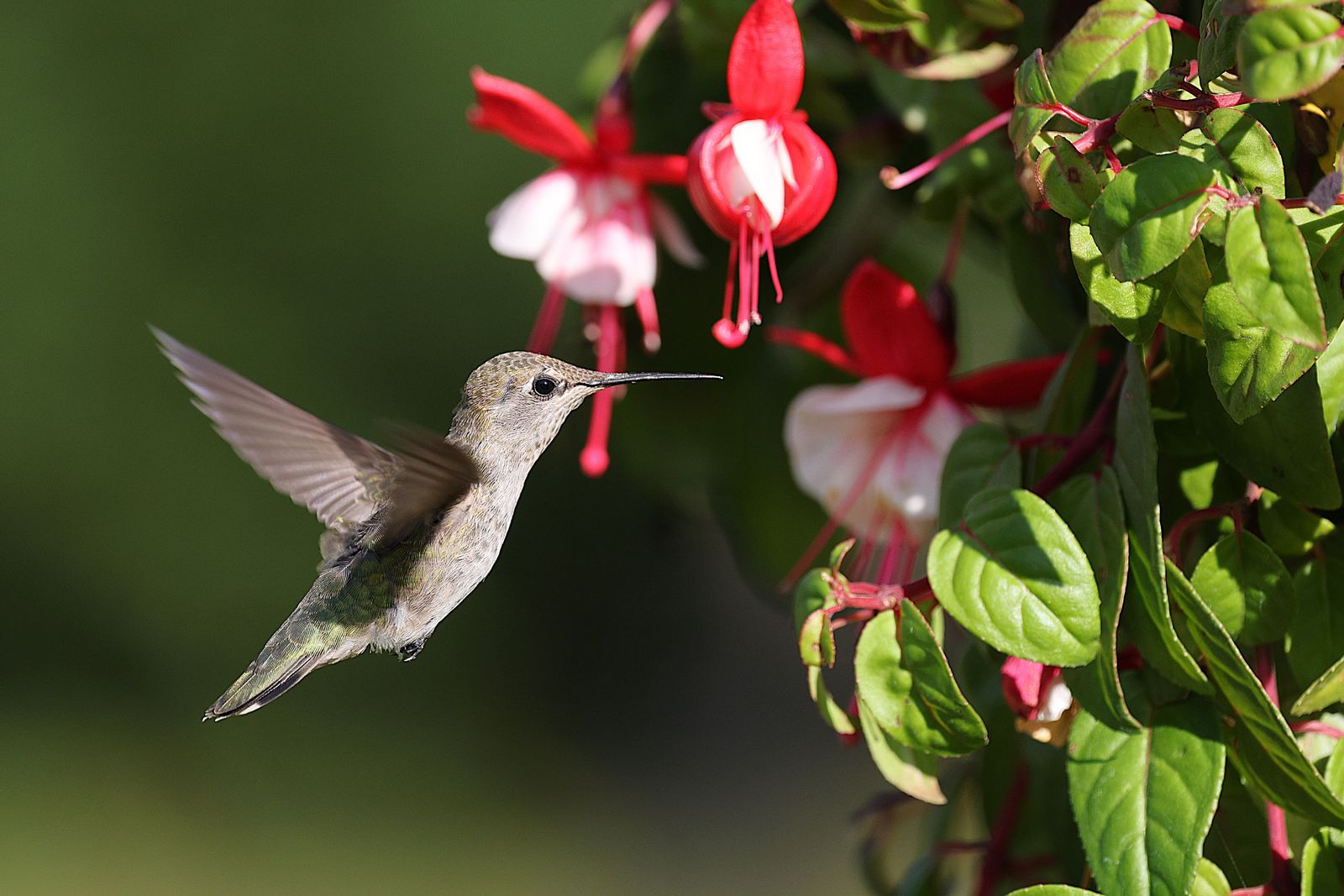
Photo by Veronika Andrews on Pexels
Standing water in a small cup is refreshed too often to matter for mosquitoes if you are topping it up every couple of days, since mosquito larvae need longer than that undisturbed. Rinsing and refilling on your nectar schedule resolves the concern entirely.
Other birds sometimes sip from a wide moat, and that is harmless when the water is plain and changed regularly. It is one more reason to keep additives out: the moat is effectively a tiny birdbath whether you intended it as one or not.
Keep an eye on the moat's finish as well. If it is coated metal, watch for chips, because bare steel sitting in water rusts and rust stains streak down the feeder.
The rest of a clean feeding setup
A moat solves the walking insects. Fresh nectar and a clean feeder solve most of the rest. Mix one part plain white granulated sugar into four parts water, stir until fully dissolved, and cool it before filling. No red dye, no honey, no brown sugar, no artificial sweeteners.
Empty, wash, and refill every few days, more often in hot weather or whenever the nectar looks cloudy or shows dark specks. Hot water and a bottle brush are enough; scrub the ports and the sealing surfaces and rinse thoroughly. Mold is the real hazard in sugar water, and it is why a reservoir you can see into is worth having.
For the wider picture of what pulls hummingbirds into a yard, this comparison of nectar plants and glass solar feeders is a good companion, and the differences in how glass and plastic feeders age and clean up explain why some feeders stay easy to keep clean and others do not.
FAQ
Can I add a drop of dish soap to make the water more effective? There is no need, and it is a bad trade. Plain water already stops ants. Soap residue can strip the natural oils that keep feathers waterproof, and any bird that drinks from or bathes in the moat is exposed.
Does the moat water need to be distilled or filtered? No. Ordinary tap water is fine. What matters is that it is plain and refreshed regularly, not its purity.
How often should moat water be changed rather than just topped up? Rinse and fully refill whenever you change the nectar, which for most yards is every few days. Topping up between changes is fine, but a full rinse clears the debris that eventually bridges the gap.
Will a moat freeze and crack in cold weather? It can, like any water-filled container. In most regions hummingbirds have migrated before hard freezes arrive, so the sensible practice is to bring the feeder and moat indoors at the end of the season.
A practical next step
Empty whatever is currently in your moat, rinse it, and fill it with plain water. Then walk a slow circle around the hanging feeder looking for anything solid it touches, and trim or move that one contact point. Those two actions handle almost every ant problem people have with nectar feeders.
Cover photo by A. G. Rosales on Pexels.