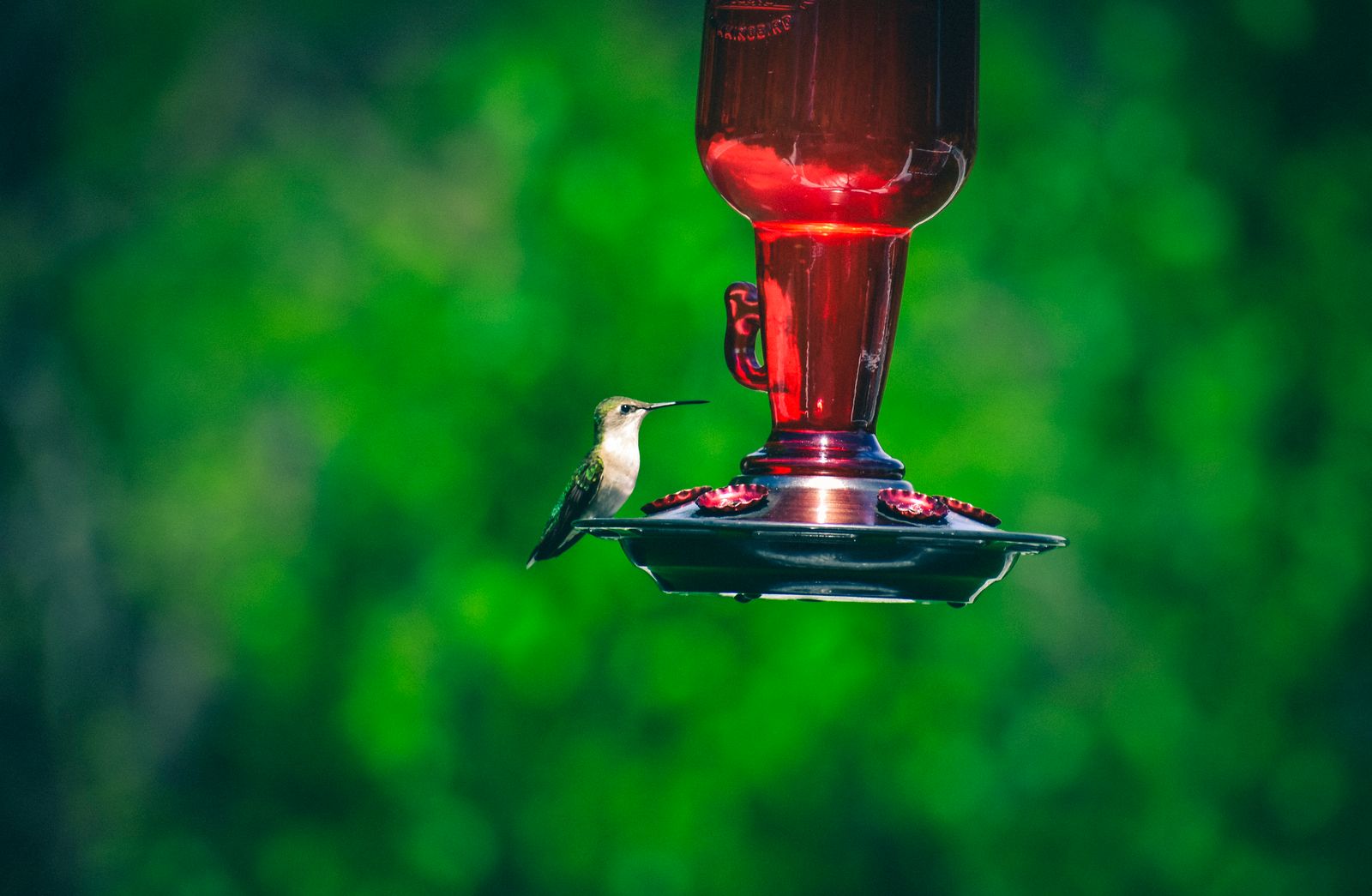
Hand-Blown Glass vs. Plastic Hummingbird Feeders: Aesthetic and Durability Compared
Hand-blown glass hummingbird feeders are superior to plastic models because high-fired glass resists UV yellowing, avoids micro-scratch mold build-up, maintains non-porous hygiene, and offers timeless beauty that lasts for years. While plastic is lightweight and inexpensive, hand-crafted 2,300°F glass combined with an anti-rust metal base provides unmatched visual elegance, weather endurance, and nectar safety.
Material Performance Breakdown: Hand-Blown Glass vs. Plastic
| Evaluation Criteria | Hand-Blown Glass (2,300°F Artisan) | Molded Polycarbonate Plastic |
| --- | --- | --- |
| UV Resistance & Clarity | 100% UV stable; never clouds, fogs, or discolors over decades of direct sun exposure. | Degrades rapidly under UV rays; yellows, becomes brittle, and clouds within 1–2 seasons. |
| Surface Porosity & Hygiene | Impermeable non-porous surface prevents mold spores from lodging in micro-grooves. | Soft polymer surface scratches easily during cleaning, creating hidden micro-cavities for mold. |
| Thermal Insulation Mass | Thick glass walls buffer against sharp ambient temperature spikes, stabilizing nectar. | Thin plastic walls transfer outdoor heat instantly, hastening nectar fermentation in hot sun. |
| Structural Weight & Stability | Substantial weight (3–4 lbs filled) anchors the feeder against wind sway and tipping. | Lightweight body swings violently in sudden breezes, causing nectar spillages and leaks. |
| Aesthetic & Artistic Value | Handcrafted individual art piece with rich, permanent embedded colors and light reflection. | Mass-produced look with surface-printed patterns that fade and peel over time. |
| Lifespan & Sustainability | Multi-year to lifetime durability with zero microplastic Leaching or environmental waste. | Frequent replacement required every 1–3 years due to stress cracking and degradation. |
Evaluating feeder materials across core environmental, structural, and aesthetic performance metrics.
Weighing the Trade-offs: Hand-Blown Glass vs. Plastic
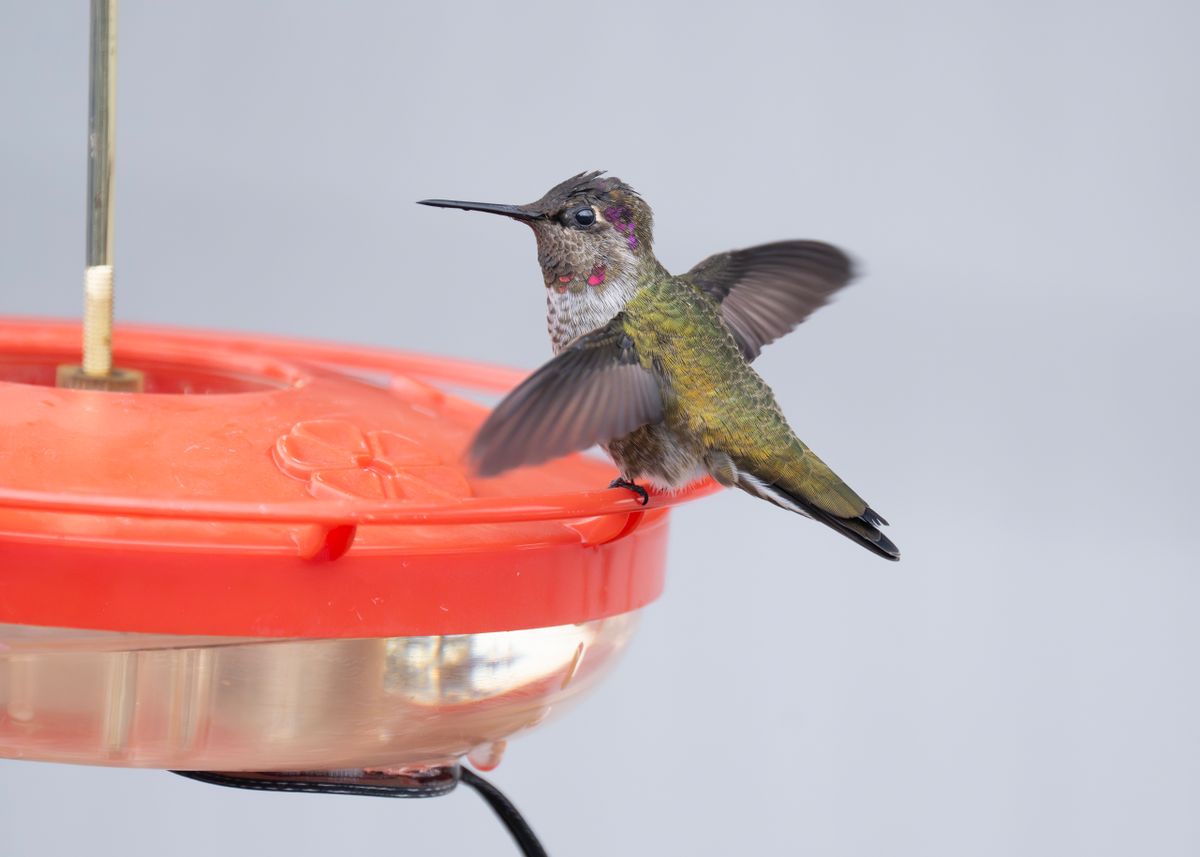
Photo by Frank Cone on Pexels
Compare the core advantages and potential operational trade-offs of both materials before deciding on your backyard setup.
Expert Care & Material Longevity Insight
To maximize the life of a hand-crafted artisan feeder, avoid thermal shock. Never pour boiling homemade nectar directly into a cold glass reservoir, and do not submerge hot glass straight into icy wash water. Allow glass to reach room temperature naturally before washing with hot water and mild vinegar.
Which Feeder Material Suits Your Garden?
- Is your primary goal long-term garden aesthetic beauty and easy mold prevention? → Yes: Choose Hand-Blown Glass with a sealed base and metal cap.. No: Proceed to next question.
- Are you hanging the feeder in intense direct sunlight with high summer temperatures? → Yes: Choose Hand-Blown Glass for superior UV resistance and thermal stability.. No: Proceed to next question.
- Is the hanging area subject to frequent high-velocity storm winds or mounted on weak thin wire hooks? → Yes: Choose Heavy-Duty Plastic or upgrade your hanging hardware to a heavy-duty steel hook for Glass.. No: Choose Hand-Blown Glass for superior all-around quality.
Visual Performance Comparison: Solar Glass vs. Standard Plastic
Conceptual diagram detailing material resilience under UV sunlight, heat transfer, and mechanical cleaning wear.
Frequently Asked Questions About Feeder Materials
Answers to critical questions regarding glass strength, cleaning techniques, thermal behavior, and hanging hardware.
Summary: Key Takeaways at a Glance
- Hand-blown 2,300°F art glass provides permanent color clarity that never yellows or fogs under intense UV sunlight.
- Non-porous glass prevents bacterial colonization in micro-scratches, ensuring safer, cleaner nectar for hummingbirds.
- Substantial structural weight (32 fl.oz capacity) prevents wind tipping, reduced nectar leakage, and stabilized feeding ports.
- Solar-powered lighting elements integrated into protective weather caps transform glass feeders into dual-purpose daytime feeders and evening garden artwork.
- Using anti-rust metal bases and proper 1/2-inch steel hanging hooks ensures multi-season durability and storm protection.
Material Selection Matrix: Matching Options to Garden Scenarios
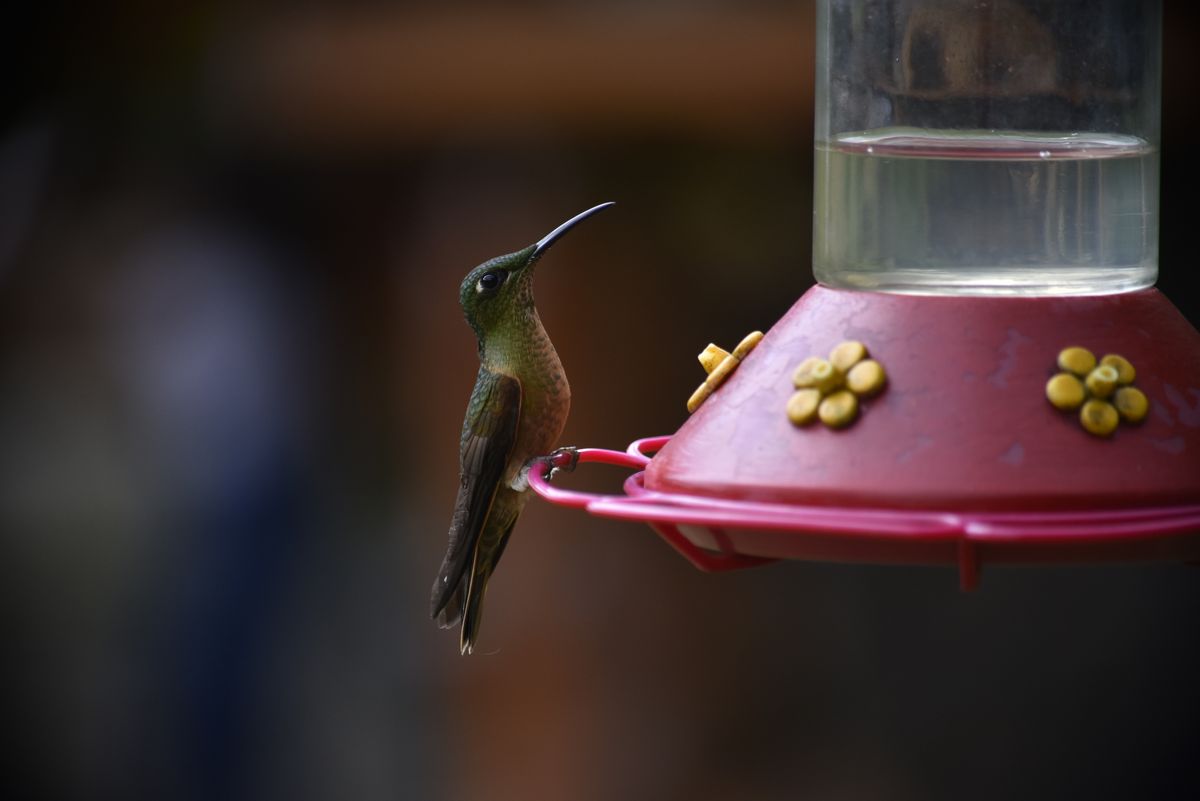
Photo by gabriel ramirez on Pexels
Hand-blown glass outperforms plastic in longevity, sanitation, UV stability, and visual appeal, whereas plastic offers lightweight affordability for temporary setups.
Best choice for
- Hand-Blown Glass Feeder — Non-porous surfaces prevent mold buildup, while 2,300°F fired glass never yellows or degrades under direct sunlight.
- Heavy-Duty Polycarbonate Plastic — Impact-resistant material reduces risk of cracking upon accidental falls.
- Avoid low-grade clear plastic feeders in intense direct sunlight zones, as UV rays cloud the plastic and cause harmful chemical leaching into nectar.
- Avoid ultra-thin, un-annealed glass in sub-freezing winter storms filled with liquid nectar, as ice expansion will break non-reinforced reservoirs.
- Hybrid Glass Reservoir with Reinforced Metal Base — Combines non-porous glass hygiene and aesthetic brilliance with anti-rust metal durability at wear points.
Real-World Garden Use Cases
Intense Mid-Summer Sunlight (95°F+ Environments) — Use hand-blown glass. Plastic feeders quickly become brittle, yellow, and release surface polymers when exposed to high UV indexes. Glass reflects UV radiation and maintains structural integrity indefinitely.
Breezy Open Backyard or High-Deck Hanging — Use a heavy 32 fl.oz hand-blown glass feeder with a sealed base. The weight acts as a natural ballast, keeping the feeder level during wind gusts where light plastic feeders tilt and spill nectar.
Seasonal Autumn & Winter Twilight Feeding — Opt for a solar-powered hand-blown glass feeder. The glass reservoir acts as a brilliant diffuser for internal RGB LED lighting, adding ambient garden light while serving late-migrating hummingbirds.
How material performance unfolds across different environmental conditions.
Featured Garden Pick: The Artisan Choice
For gardeners seeking the ultimate combination of hand-crafted elegance, solar illumination, and leak-proof engineering, the LUJII Solar-Powered Hand-Blown Glass Hummingbird Feeder represents the gold standard. Featuring a generous 32 fl.oz capacity, sealed anti-rust metal base, protective plastic solar cap, and auto-charging RGB lights that glow for up to 8 hours, it offers unmatched multi-season value.
When selecting outdoor garden decor, understanding how materials interact with environmental forces is essential. According to research on polymer degradation from the National Institute of Standards and Technology (NIST), synthetic plastics exposed to solar ultraviolet (UV) radiation undergo severe photo-oxidation. This process breaks down molecular polymer chains, causing yellowing, clouding, surface embrittlement, and micro-cracking within months of continuous outdoor display.
The Science of Non-Porous Glass Hygiene
In contrast, high-fired silicate glass forged at 2,300°F possesses a completely inert, non-porous crystalline structure. Glass does not react with acidic nectar or absorb ambient organic materials. When plastic feeders are scrubbed with standard kitchen brushes, tiny micro-scratches develop across the soft polymer surface. These microscopic grooves create sheltered breeding grounds for persistent mold spores like Cladosporium and bacterial colonies, which can cause avian fungal infections such as candidiasis. Because glass surfaces resist scratching, a simple soak in a warm water and vinegar solution cleans the reservoir thoroughly without aggressive mechanical abrasion.Thermal Mass and Nectar Preservation
Nectar freshness is highly sensitive to ambient temperature fluctuations. Rapid temperature spikes accelerate sucrose fermentation, souring nectar and forcing gardeners to dump and replace food daily. Thick, hand-blown art glass possesses high thermal mass. This thermal inertia acts as a buffer against rapid outdoor temperature spikes during peak afternoon hours. When combined with a protective weather cap that shades the upper reservoir, glass feeders help maintain stable nectar temperatures longer than thin-walled plastic containers.Ballast and Wind Stability Mechanics
Wind resistance is another critical factor often overlooked by bird watchers. Lightweight plastic feeders weigh only a few ounces when nectar levels run low, causing them to sway wildly in light breezes. This motion breaks the vacuum seal in traditional gravity-fed ports, dumping sticky nectar onto the ground below and attracting ants, yellowjackets, and rodents. A full 32 fl.oz hand-blown glass feeder provides 3 to 4 pounds of downwards ballast weight, holding the feeder steady and preserving the nectar seal even during spring wind gusts. To explore best practices for maintaining these fixtures, review our guide on how to clean and maintain your solar glass feeder.Further Reading for Garden & Birding Enthusiasts
- Evening Garden Magic: How Dusk Bird Watching Transforms Your Sunset Wellness Routine
- Best Illuminated Feeders for Twilight Garden Decor: Solar RGB Glass vs. Standard Feeders
Upgrade Your Garden with Handcrafted Solar Art Glass
Elevate your backyard sanctuary with our top-rated hand-blown solar glass hummingbird feeder.
Next Steps for Your Hummingbird Haven
Your decision: Choose hand-blown glass for permanent garden aesthetics and non-porous mold resistance, or durable plastic for budget-focused temporary setups.
Do this next: Select a heavy-base hand-blown glass feeder featuring a protective weather cap and sealed anti-rust metal base to keep nectar fresh, prevent wind tipping, and add glowing evening light.
Related resource: How to Clean and Maintain Your Hand-Blown Solar Hummingbird FeederLUJII Solar-Powered Hand-Blown Glass Hummingbird Feeder (32 fl.oz)
Take action today to create a healthier, more beautiful feeding station for your local hummingbirds.