Weatherproof Solar Garden Decor Care: Seasonal Protection Guide
Should you leave your solar hand-blown glass hummingbird feeder outdoors through every season? No. To prevent catastrophic glass cracking from thermal shock and permanent moisture damage to the solar light cap, bring hand-blown glass reservoirs indoors when ambient temperatures drop below 40°F (4°C). Clean the solar panel monthly with a damp microfiber cloth and swap nectar daily during extreme summer heatwaves exceeding 90°F.
Master Weatherproofing & Seasonal Care Checklist
- [ ] Summer Heatwave Shielding: Move feeder to a morning sun / afternoon shade location to prevent rapid nectar fermentation above 85°F.
- [ ] Nectar Hygiene Cycle: Refresh sugar water every 24 to 48 hours during peak summer heat to stop mold development.
- [ ] Thermal Shock Prevention: Allow sun-baked hand-blown glass to cool to room temperature before washing with lukewarm water.
- [ ] Solar Panel Clarity: Wipe the clear plastic solar cap shield monthly with a microfiber cloth to clear pollen, dust, and hard water film.
- [ ] Rainstorm Water Checks: Inspect silicone seal gaskets and drain channels on the solar cap after heavy downpours.
- [ ] Anti-Rust Base Inspection: Check metal base and feeding ports for scratches in the powder coating and wipe dry after spills.
- [ ] Winterization Intake: Bring hand-blown glass reservoirs indoors as soon as overnight forecasts touch 40°F (4°C).
- [ ] Off-Season Battery Storage: Remove internal AA Ni-MH rechargeable battery if storing the solar cap in dark indoor storage over 90 days.
Printable Seasonal Sanctuary Protection Card
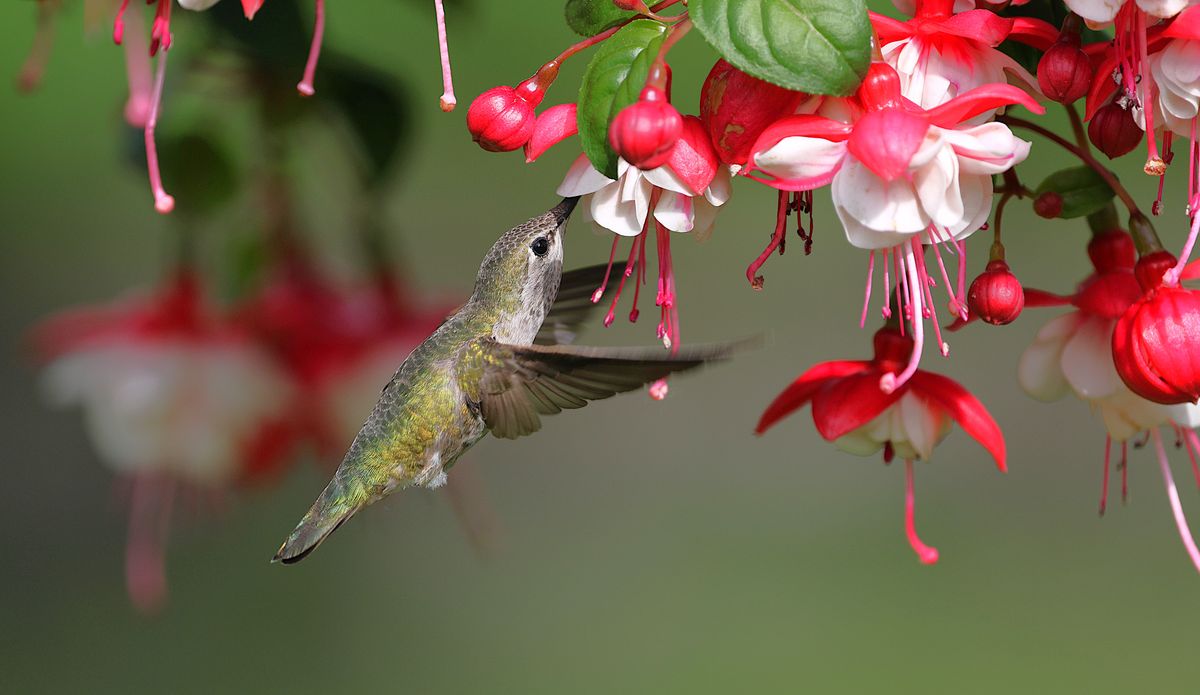
Photo by Veronika Andrews on Pexels
- SPRING (50°F–70°F): Rehang glass feeder in direct morning sun. Verify switch is ON and charge battery in full sun for 8 hours.
- SUMMER (>85°F): Shift to afternoon shade. Swap nectar every 1–2 days. Never wash sun-warmed glass in cold water.
- AUTUMN (40°F–55°F): Inspect silicone water-tight seals on solar cap. Wipe top solar panel to maximize shorter daylight hours.
- WINTER (<40°F): Bring glass body indoors! Deep clean, dry thoroughly, and store in a padded box until spring thaw.
Expert Field Tip: Thermal Shock & Silicone Seal Care
Never pour cold nectar direct from the refrigerator into a sun-baked hand-blown glass reservoir! Hand-blown glass formed at 2,300°F possesses micro-structural tension that makes it uniquely vulnerable to rapid temperature drops (thermal shock). If a 90°F glass reservoir meets 40°F chilled nectar or cold tap water, invisible hairline micro-fractures can instantly turn into catastrophic cracks. Always let your glass reservoir sit at room temperature for 15 minutes before washing, and use room-temperature nectar for refills. Additionally, when re-assembling your feeder base, apply a tiny drop of food-safe vegetable oil along the silicone rubber gasket ring—this keeps the rubber supple against rain and prevents nectar drips from drying into a tacky, seal-damaging crust.
Troubleshooting Weather-Induced Failure Modes
| Weather Failure Scenario | Primary Cause | Immediate Corrective Action | Long-Term Prevention |
| --- | --- | --- | --- |
| RGB Solar LEDs dim or flicker after a heavy rainstorm | Water ingress past solar cap gasket or battery terminal moisture build-up | Unscrew solar top, dry battery compartment thoroughly with a microfiber cloth, check Ni-MH contacts for corrosion | Ensure plastic solar cap shield is hand-tightened against silicone gasket seal after every routine refill |
| Hand-blown glass reservoir develops stress fractures during routine cleaning | Thermal shock caused by rinsing sun-heated glass under cold tap water | Discontinue feeder use immediately to protect wild birds from glass slivers | Always cool sun-warmed glass to indoor ambient temperature before washing with lukewarm water |
| Nectar turns cloudy and ferments within 24 hours of hanging | Direct intense UV exposure combined with ambient air temperatures exceeding 85°F | Discard fermented nectar, sanitize glass reservoir with a 1:10 warm vinegar rinse, refilling with fresh 1:4 sugar water | Relocate hanging hook to a spot receiving morning sunshine and full afternoon dappled shade |
| Metal base exhibits minor surface discoloration near feeding ports | Acidic fermented nectar leaks contacting micro-scratches in anti-rust coating | Scrub base gently with a soft nylon brush, dry completely, and apply a dab of food-grade mineral oil | Keep base gasket securely sealed and wipe off nectar drips promptly during routine refills |
Address weather-induced issues before they cause permanent damage to your feeder's solar engine or handcrafted glass body.
Four-Season Weather Risk Matrix & Action Calendar
| Season & Temperature Trigger | Hand-Blown Glass Reservoir Care | Solar Cap & Battery Protocol | Nectar Refresh Frequency |
| --- | --- | --- | --- |
| Spring Awakening (50°F to 70°F) | Inspect glass body for winter storage stress; hang in morning sun spot. | Switch ON solar cap; allow 8 full hours of direct sunlight for initial Ni-MH battery deep charge. | Every 4 to 5 days |
| Summer Heatwave Peak (>85°F) | Ensure afternoon shade protection; never use cold water on sun-baked glass. | Wipe top solar cell clear of pollen, dust, and bird droppings weekly using a damp cloth. | Every 24 to 48 hours |
| Autumn Transition (40°F to 55°F) | Monitor night forecast daily; prepare padded storage box for sudden freeze alerts. | Inspect silicone cap seal for fallen leaf debris or water channel blockages. | Every 3 to 4 days |
| Winter Freeze Danger (<40°F) | BRING GLASS INDOORS! Wash, dry completely, and store safely above freezing. | Remove AA Ni-MH battery from cap compartment if storing indoors over 90 days. | N/A (Feeder stored until spring) |
Plan your feeder care around seasonal temperature triggers to keep solar lights glowing bright and hummingbirds safely fed.
Mid-Guide Care Action Steps
Your decision: Assess your local 7-day weather forecast to determine whether your setup requires summer heat shade or winter freeze intake.
Do this next: Inspect your feeder's solar cap silicone gasket ring, wipe the top solar panel with a damp microfiber cloth, and confirm morning-sun placement.
- Read next: How to Clean and Maintain Your Hand-Blown Solar Hummingbird Feeder
Explore the LUJII Solar-Powered Hummingbird Feeder featuring hand-blown artisanal glass and anti-rust metal components.
Ready to put these protection protocols into practice for your garden setup?
Essential Solar Glass Decor Care Principles
- Respect Thermal Shock: Hand-blown glass formed at 2,300°F will crack if sudden temperature jumps exceed 25°F during washing or refilling.
- Shield the Electronics: The protective plastic solar cap features IP65 weather-resistance, but silicone gaskets must be clean and hand-tightened.
- Control Nectar Fermentation: High temperatures accelerate sugar fermentation; shift feeders to afternoon shade and refresh nectar daily above 90°F.
- Protect the Metal Base: Anti-rust powder coatings withstand rain, but wiping off spilled nectar prevents acidic micro-corrosion.
Routine Solar & Nectar Maintenance Timeline
- Daily (Summer >85°F) — Check nectar level through see-through glass reservoir; glance at base ports for drips or insect activity.
- Every 2–3 Days — Empty remaining nectar, rinse glass reservoir with warm water, refill with fresh 1:4 sugar solution.
- Monthly — Wipe top solar cell clear of grime with a damp microfiber cloth; soak glass body and metal base in a 1:10 warm water and vinegar bath.
- Bi-Annually — Inspect solar cap battery compartment for terminal oxidation; verify silicone rubber gasket elasticity.
- Annually (Every 12-18 Months) — Replace internal AA Ni-MH rechargeable battery with a fresh cell of matching mAh rating for full 8-hour RGB night illumination.
Material Resistance Breakdown Across Extreme Scenarios
| Weather Stress Scenario | Hand-Blown Glass Reservoir (2,300°F Craft) | Protective Solar Cap Assembly | Coated Anti-Rust Metal Base |
| --- | --- | --- | --- |
| Direct Summer UV Sunlight (>90°F Peak) | Completely immune to UV breakdown; translucent colored glass retains hand-crafted brilliance indefinitely. | Protective plastic shield guards solar cells from direct sun degradation and housing yellowing. | Powder-coated metal reflects ambient heat, keeping the sealed nectar chamber cooler. |
| Torrential Rain & High Winds | Generous 32 fl.oz weight and slender, aerodynamic curves minimize wind sway and accidental tipping. | Sealed upper cap repels heavy rain; internal water channels divert moisture away from RGB battery well. | Sealed base gasket prevents rainwater from seeping into feeding ports and diluting sugar nectar. |
| Sub-Freezing Frost & Hail (<32°F) | CRITICAL RISK: Ice expansion inside filled 32 oz bottle shatters glass. Indoor winter storage mandatory. | MODERATE RISK: Cold temp temporarily reduces Ni-MH battery discharge efficiency; electronics stay safe. | LOW RISK: Metal withstands freezing, but moisture trapped in screw threads can cause stress lockups. |
Understanding how each component handles extreme weather elements helps you protect your investment.
Weather Action Guide: Leave Out, Shield, or Store Indoors?
Match your immediate garden decor maintenance actions to real-time weather conditions.
Best choice for
- Full Outdoor Display — Direct sunlight powers up to 8 hours of RGB night glow, while nectar remains fresh for 3 to 5 days.
- Shaded Outdoor Display — Prevents rapid nectar fermentation while top solar panel still harvests indirect UV rays for evening lighting.
- Leaving hand-blown glass hanging during severe hail warnings or forecasted night frosts under 40°F.
- Store Glass Body / Leave Hanger Mount — If an unexpected frost hits overnight, quickly unscrew the glass reservoir and bring it inside, leaving sturdy tree hooks in place.
Sanctuary Essentials: Solar Feeder Care & Decor
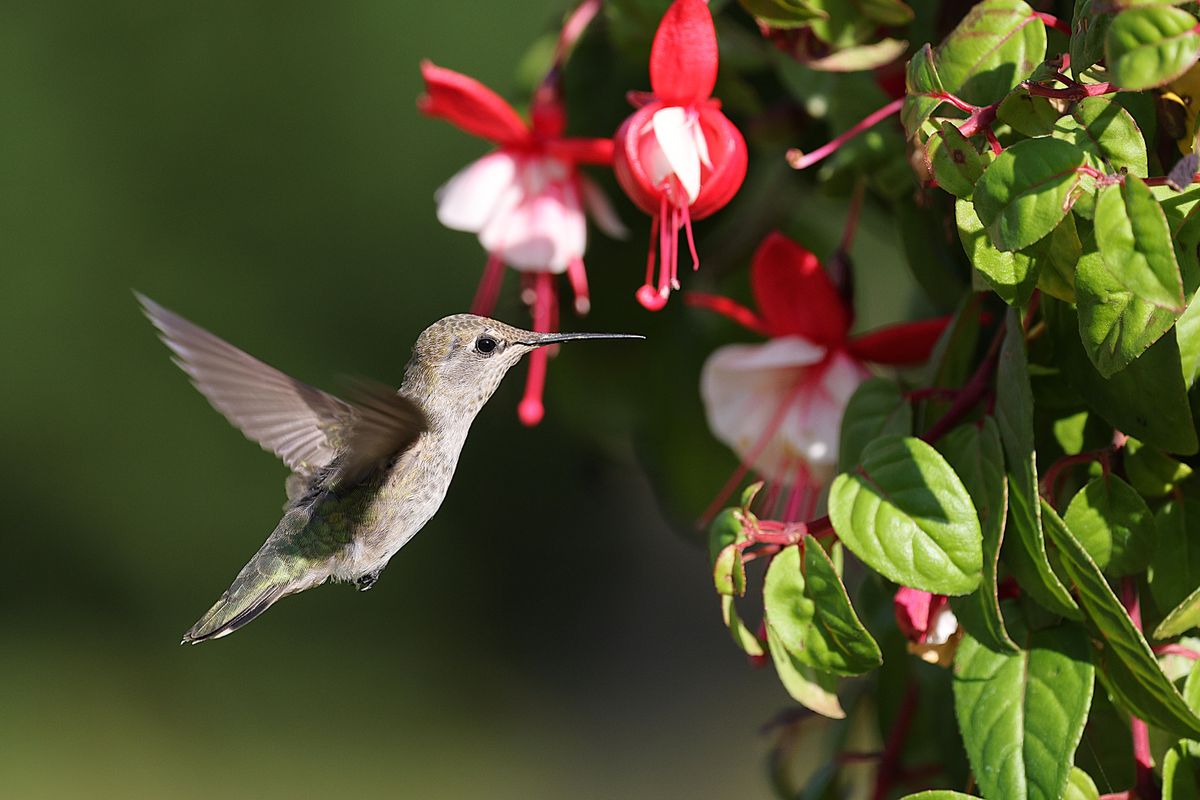
Photo by Veronika Andrews on Pexels
Elevate your outdoor living space with handcrafted solar garden art engineered for beauty, durability, and bird wellness.
🌟 LUJII Solar-Powered Hummingbird Feeder 🌟
- Handcrafted Glass Artistry: Each 32 fl.oz reservoir is individually mouth-blown at 2,300°F by glass artisans, creating vibrant, one-of-a-kind color patterns that turn your yard into a sanctuary.
- Solar RGB Night Glow: Features a high-efficiency top solar panel that charges in daylight to illuminate your garden for up to 8 hours with automatic dusk-to-dawn RGB multi-mode lights.
- Weatherproof Engineering: Outfitted with a protective plastic solar cap shield against rain, snow, and UV rays, paired with an anti-rust coated metal base.
- Sealed & Leak-Proof Base: Slender reservoir geometry and a precision silicone base seal minimize messy drips, keeping wasps and ants away.
- See-Through Monitoring: Transparent colored glass lets you instantly monitor nectar levels while hummingbirds feed safely.
Solar Feeder Durability Specifications
| Component | Material / Construction | Weather Resistance Rating | Maintenance Requirement |
| --- | --- | --- | --- |
| Nectar Reservoir | Hand-Blown Translucent Colored Glass (2,300°F Artisanal Handcraft) | Thermal shock limit: ~25°F rapid delta; indoor storage required below 40°F | Wash with lukewarm water and mild vinegar; cool sun-baked glass before rinsing |
| Solar Light Cap Shield | Monocrystalline Solar Panel + Protective UV-Stabilized Plastic Shield | IP65 Weatherproof Rating (Rain, Snow, Wind Splashes) | Wipe panel top monthly with damp microfiber cloth; check silicone ring seal |
| Illumination Engine | Multi-Mode RGB LED Assembly with Dusk-to-Dawn Auto Light Sensor | Rated for 10,000+ operational lighting hours | Keep internal power switch set to 'ON' position for solar charging cycle |
| Feeder Base Assembly | Heavy-Duty Metal Base + Anti-Rust Powder Coating + Silicone Gaskets | Rust-resistant marine-grade powder finish; leak-proof seal | Rinse weekly with warm water; inspect rubber gasket tightness |
Technical specifications for the LUJII Solar-Powered Hummingbird Feeder hardware and materials.
Top 5 Weather Care Mistakes That Ruin Solar Feeders
Avoid these five frequent maintenance pitfalls to keep your feeder glowing and leak-free for years:
Seasonal Transition Action Plan
- Late March / Early Spring — Unbox hand-blown glass reservoir, verify AA Ni-MH battery charge in solar cap, hang in a morning sun spot.
- Mid-July / Heatwave Peak — Relocate feeder hook to afternoon dappled shade; step up nectar replacement to every 24 to 48 hours.
- Late September / Early Fall — Wipe down solar cell top, check silicone water seal, and clear fallen autumn leaves from top channels.
- November / First Frost Alert (<40°F) — Deep clean glass reservoir with warm vinegar rinse, dry completely, remove battery, and store safely indoors.
Expand Your Backyard Sanctuary Knowledge
Continue exploring our garden care and solar decor guides to build an outdoor haven:
- How to Clean and Maintain Your Hand-Blown Solar Hummingbird Feeder: Detailed vinegar sanitization steps and deep-cleaning rituals.
- Creating an Enchanted Summer Twilight: How to Style Solar Accents & RGB Feeder Lights: Creative garden lighting placement ideas.
- Artisan Glass Garden Sanctuary Care FAQ: Understanding handcrafted glass stress points, color vibrancy, and weather resilience.
Frequently Asked Questions About Solar Decor Weatherproofing
Protect Your Garden Sanctuary Today
Your decision: Determine whether your local weather forecast requires summer heat adjustments or winter storage intake.
Do this next: Inspect solar cap silicone gaskets, wipe panel tops with a damp microfiber cloth, and bring glass reservoirs indoors if temperatures drop below 40°F.
- Read next: How to Clean and Maintain Your Hand-Blown Solar Hummingbird Feeder
Explore the LUJII Solar-Powered Hummingbird Feeder featuring hand-blown artisanal glass and anti-rust metal components.
Take action today to safeguard your handcrafted garden decor and welcome hummingbirds night and day.
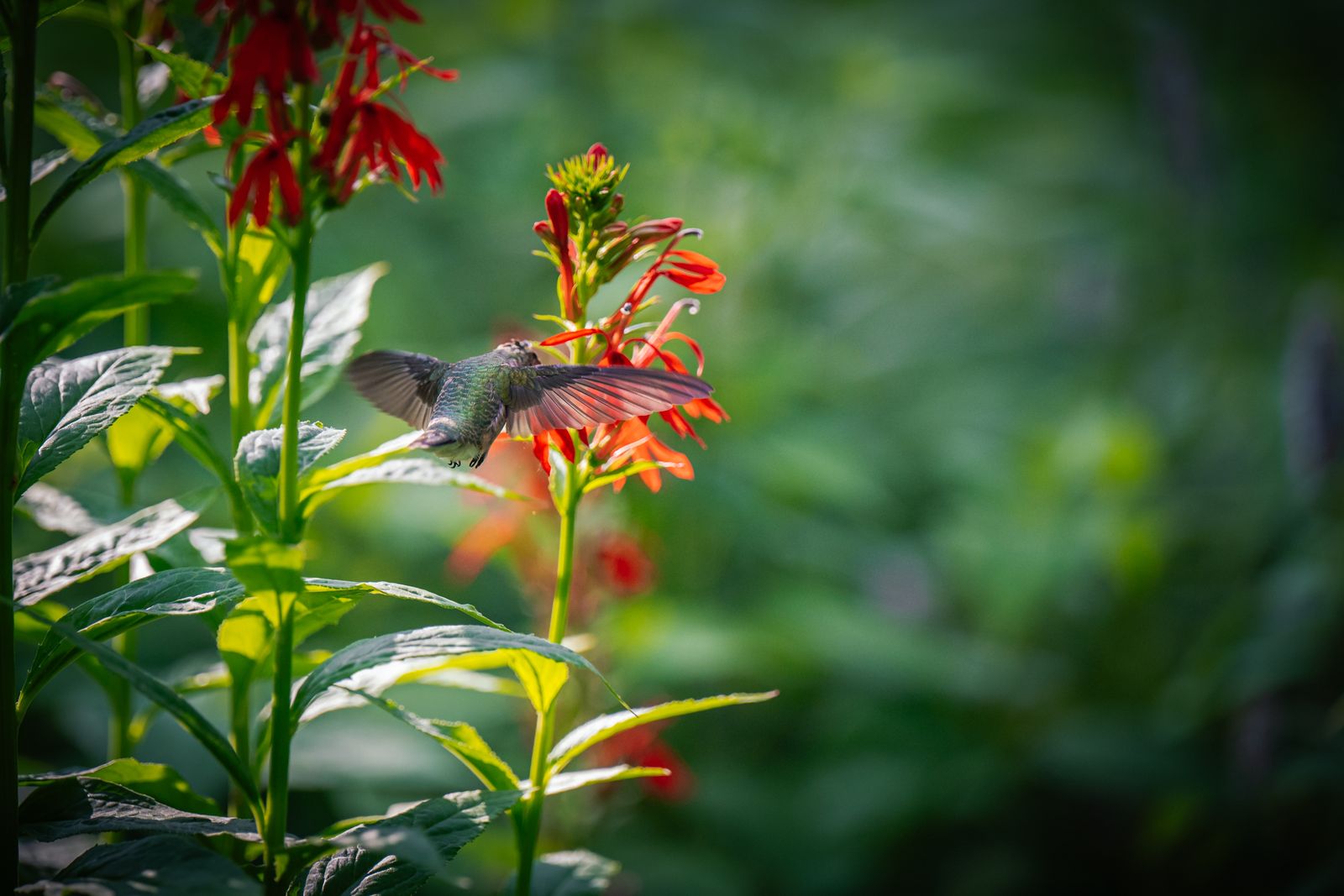
Cover photo by Chris F on Pexels.