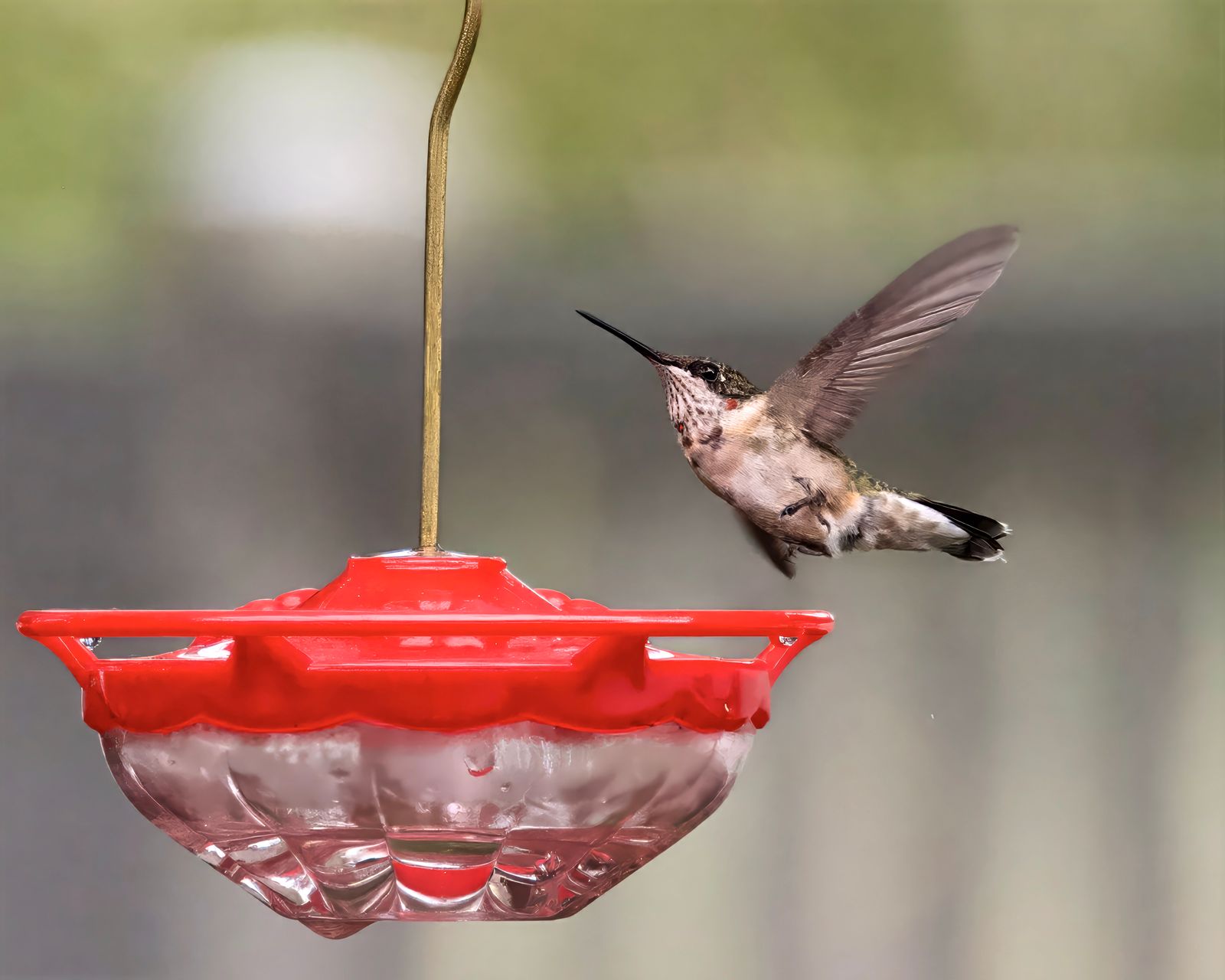
Summer Evening Magic: Styling Your Backyard with Illuminated Artisan Glass Feeders
To style a solar glass hummingbird feeder effectively, position it 5 feet off the ground where the top cap receives 6 hours of direct sunlight daily, delivering 8 hours of automatic RGB night illumination. Place the feeder 10 to 15 feet away from dense tree foliage to ensure ambient evening light never disrupts sleeping birds in torpor.
Essential Rules for Solar Glass Feeder Styling
- 6:8 Sunlight-to-Glow Ratio: 6 hours of unshaded sunlight on the waterproof solar cap yields up to 8 hours of continuous multi-color RGB light at dusk.
- 5-Foot Elevation Rule: Hang the feeder precisely 5 feet high on an anti-rust shepherd's hook to block crawling pests and keep nectar at eye level.
- 10-to-15 Foot Roosting Buffer: Maintain a 10 to 15 foot gap from dense nesting branches so ambient night lighting does not disturb roosting hummingbirds.
- 85°F Heat Threshold: When summer temperatures exceed 85°F, replace the 32 fl. oz sugar-water nectar every 2 to 3 days to prevent fermentation under afternoon sun.
24-Hour Cycle of an Illuminated Artisan Glass Feeder
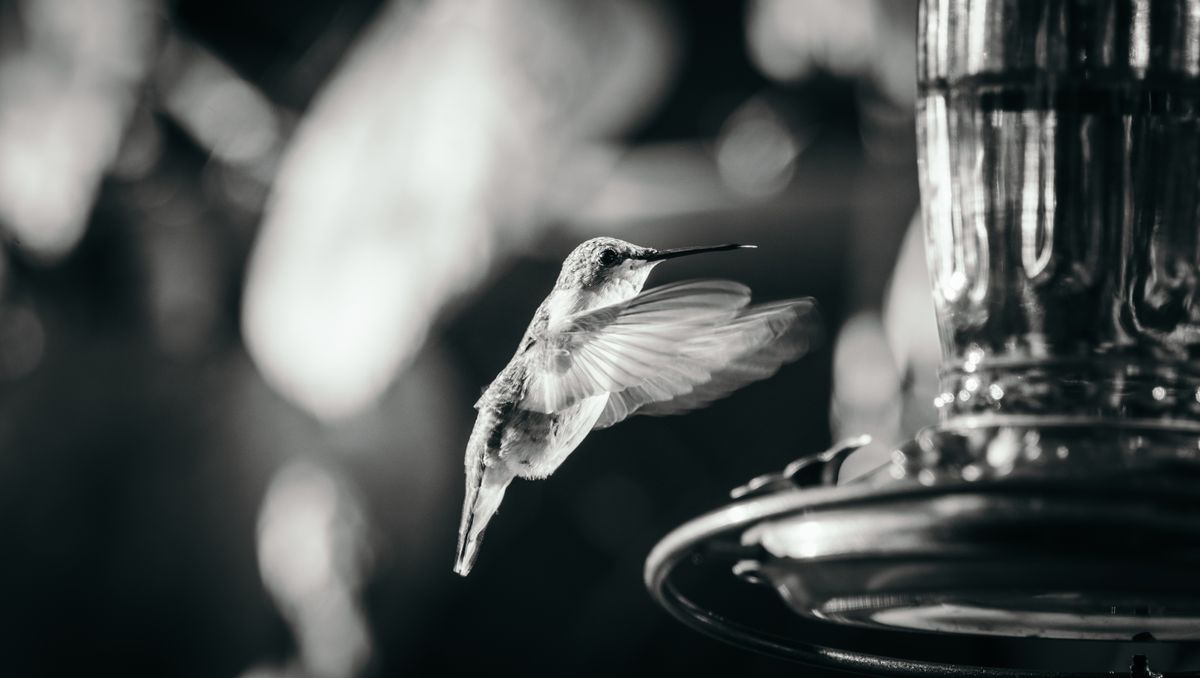
- 06:00 AM – 10:00 AM (Morning Feeding) — Hummingbirds arrive for high-energy morning feeding. Translucent hand-blown glass catches early sunlight, casting colorful light refractions across surrounding garden blooms.
- 10:00 AM – 03:00 PM (Peak Solar Charge) — The integrated solar panel cap absorbs direct sunlight to recharge internal batteries. Positioning under light partial shade protects the 32 oz nectar reservoir from extreme heat.
- 05:00 PM – 08:00 PM (Dusk Feeding) — Hummingbirds return for their final hyper-active dusk feed before nightfall. The sealed leak-proof base prevents drips that attract late-afternoon wasps.
- 08:00 PM – 04:00 AM (Nightly RGB Glow) — Automatic dusk-to-dawn sensors trigger the multi-color RGB LEDs. The hand-blown glass reservoir transforms into a glowing, translucent jewel, illuminating patio seating for up to 8 hours.
Summer Maintenance Schedule for Solar Feeders
- Every 2 to 3 Days (Above 85°F) — Flush the 32 oz glass body with warm water and refill with fresh 4:1 sugar-water nectar. Check the built-in ant moat level.
- Weekly — Wipe the waterproof solar cap with a damp micro-fiber cloth to clear dust, pollen, and water spots that reduce solar panel charging efficiency.
- Bi-Weekly — Inspect the rubber leak-proof base seal and clean feeding ports using a soft bottle brush. Learn complete artisan glass hummingbird feeder care tips for long-lasting glass brilliance.
- Monthly — Check the anti-rust powder coating on the metal base and hanging bracket. Verify that dusk-to-dawn light sensors operate cleanly.
Top Pick for Twilight Garden Decor
If you want to combine heritage craftsmanship with effortless solar lighting, the LUJII Solar-Powered Hand-Blown Glass Hummingbird Feeder is engineered for both wildlife safety and patio elegance.
Crafted at 2,300°F by glass artisans, each 32 fl. oz reservoir features unique color swirls that shimmer in daylight. At dusk, the waterproof solar cap powers vibrant multi-mode RGB lights for up to 8 hours. Supported by a leak-proof sealed metal base and integrated ant moat, it keeps nectar fresh while transforming your yard into a magical retreat.
Transform your garden setup—explore options for transforming your backyard into a nighttime sanctuary with illuminated garden decor.
Visual Gallery: Artisan Glass Patterns in Daylight vs. Dusk
Handcrafted glass reacts dynamically to shifting light levels throughout the day. Below is an aesthetic comparison guide showing how translucent glass finishes look under 12:00 PM midday sun versus 9:00 PM RGB twilight illumination.
The 15-Degree Solar Angle Trick
To capture maximum sunlight while keeping your nectar cool, tilt your hanging shepherd's hook slightly or position the feeder near a south-facing tree canopy edge. This ensures the solar cap receives unshaded sunlight when the sun is lower in the sky (9:00 AM – 11:30 AM), while higher foliage casts cooling shade directly over the glass nectar reservoir during intense peak afternoon hours (12:00 PM – 3:30 PM). To keep solar performance peak, read our guide on how to maximize solar battery life.
Backyard Zone Map: Positioning for Beauty and Safety
A well-planned garden layout balances human viewing sightlines, solar exposure requirements, and hummingbird safety zone buffers.
Seasonal Backyard Lighting & Bird Attraction Calendar
| Season / Month | Sunlight & Solar Care | Nectar Maintenance | Styling & Lighting Strategy |
| --- | --- | --- | --- |
| Late Spring (May) | Position cap for 5+ hours of sun; clean panel after pollen storms. | Refill 32 oz reservoir weekly (temps < 75°F). | Hang near early blooming perennials like salvia and fuchsia. |
| Peak Summer (June – July) | Ensure 6+ hours direct sun; clean solar panel weekly. | Replace nectar every 2 days (temps > 85°F) to stop fermentation. | Set RGB modes to cool turquoise or magenta to complement lush green lawns. |
| Late Summer (August) | Adjust hook position as sun angles shift southward. | Refill every 2 days; high bird traffic before south migration. | Combine illuminated feeder with a solar garden accent lighting guide layout. |
| Early Autumn (September) | Maximize direct sun exposure as days shorten to maintain 6-hour glow. | Keep feeder full with fresh 4:1 nectar for migrating stragglers. | Shift RGB palette to warm amber and ruby gold tones. |
Adjust your feeder placement and care routine across the summer season to match hummingbird migration patterns and solar angles.
Featured Handcrafted Solar Feeder Styles
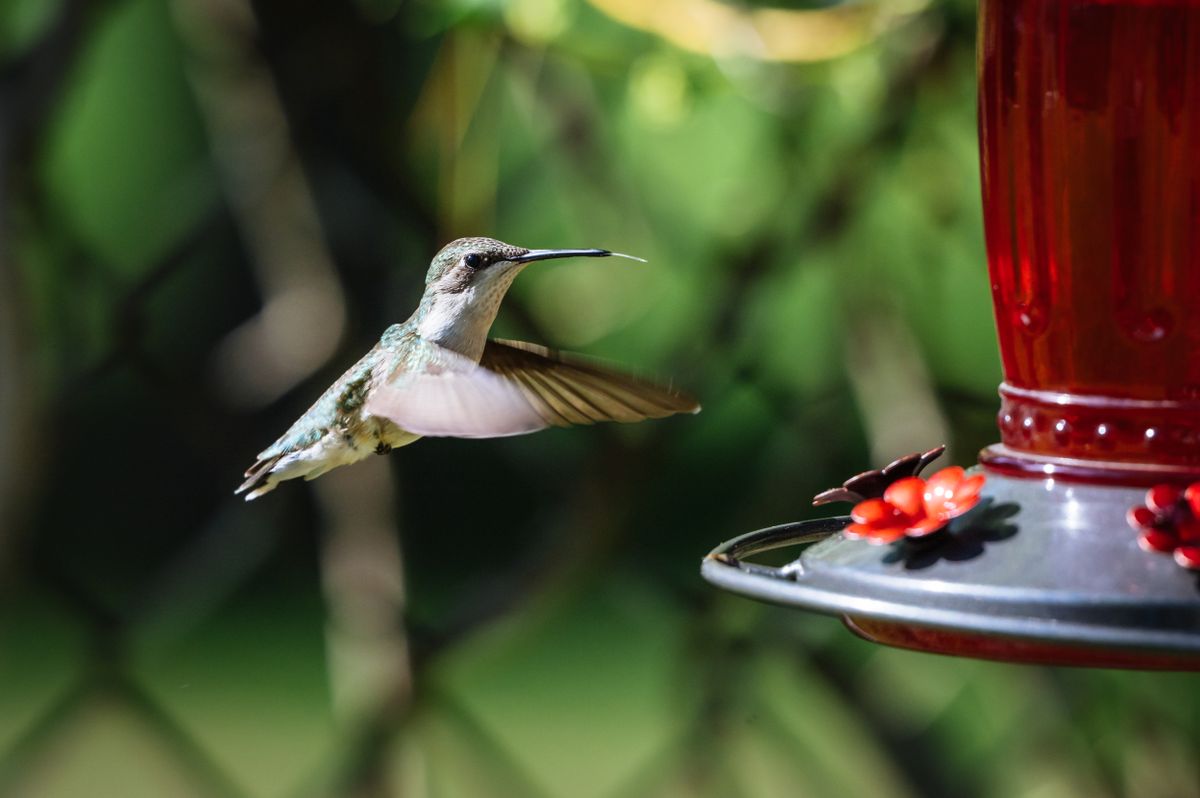
Discover the flagship handcrafted solar hummingbird feeder engineered specifically for long-lasting summer beauty and leak-proof performance.
Regional Heat & Weather Protection Rules
Summer weather variations across the United States affect nectar freshness and solar panel charging speed. Follow these regional guidelines to safeguard your garden setup:
Bird-Safe Solar Feeder Installation Checklist
- [ ] Solar panel cap turned ON and tested in a dark room before outdoor hanging.
- [ ] Hanging height set to exactly 5 feet off the ground to deter predators.
- [ ] Position receives at least 6 hours of unshaded sunlight for full 8-hour nighttime charge.
- [ ] Feeder hung at least 10-15 feet away from dense roosting branches so evening lights do not disrupt bird sleep.
- [ ] Nectar capacity checked (up to 32 oz) and sealed leak-proof base tightened.
- [ ] Ant moat filled with clean water above the metal base.
Frequently Asked Questions
Does nighttime solar light disturb roosting hummingbirds?
No. Hummingbirds sleep in a state of deep torpor tucked safely inside dense tree foliage. As long as the feeder is hung 10 to 15 feet away from dense sleeping branches, the ambient RGB glow will not disturb their natural rest cycle. For deeper details, read Do Hummingbirds Feed at Night? Understanding Dusk Behavior Around Illuminated Feeders.
How do I prevent summer heat from spoiling nectar in a solar feeder?
Position the feeder where it catches morning sun for solar charging but benefits from partial afternoon shade between 12:00 PM and 4:00 PM. When ambient temperatures surpass 85°F, clean and refill the feeder every 2 to 3 days. Check our guide on Hot Weather Nectar Ratios: How to Keep Hummingbird Food Fresh in Summer.
Where should I place the feeder to keep ants and wasps away while keeping it lit?
Fill the integrated built-in ant moat with clean water, hang the feeder 5 feet high away from climbing climbing structures, and ensure the sealed metal base is firmly screwed tight to eliminate sugary drips that attract wasps.
How many hours of direct sunlight are required for 8 hours of evening light?
Approximately 6 hours of direct, unshaded sunlight on the top waterproof solar cap provides enough energy to power up to 8 hours of continuous multi-mode RGB night lighting.
Answers to common reader questions about solar lighting, hummingbird sleep habits, and nectar safety.
Related Reading & Garden Guides
- Hot Weather Nectar Ratios: How to Keep Hummingbird Food Fresh in Summer
- sunset bird watching routine
- solar garden accent lighting guide
Next Steps for Your Summer Oasis
Your decision: Choose an open garden location that receives 6+ hours of morning sun and afternoon shade.
Do this next: Hang your artisan solar glass feeder 5 feet high using an anti-rust shepherd's hook, fill with 32 oz of fresh 4:1 water-to-sugar nectar, and switch the solar cap ON.
- Read next: Hot Weather Nectar Ratios: How to Keep Hummingbird Food Fresh in Summer
LUJII Hand-Blown Solar Hummingbird Feeder (32 oz, Leak-Proof, RGB Lighting)
Ready to design your illuminated backyard sanctuary? Follow these simple steps to enjoy vibrant daytime birds and magical evening light.
Cover photo by A. G. Rosales on Pexels.