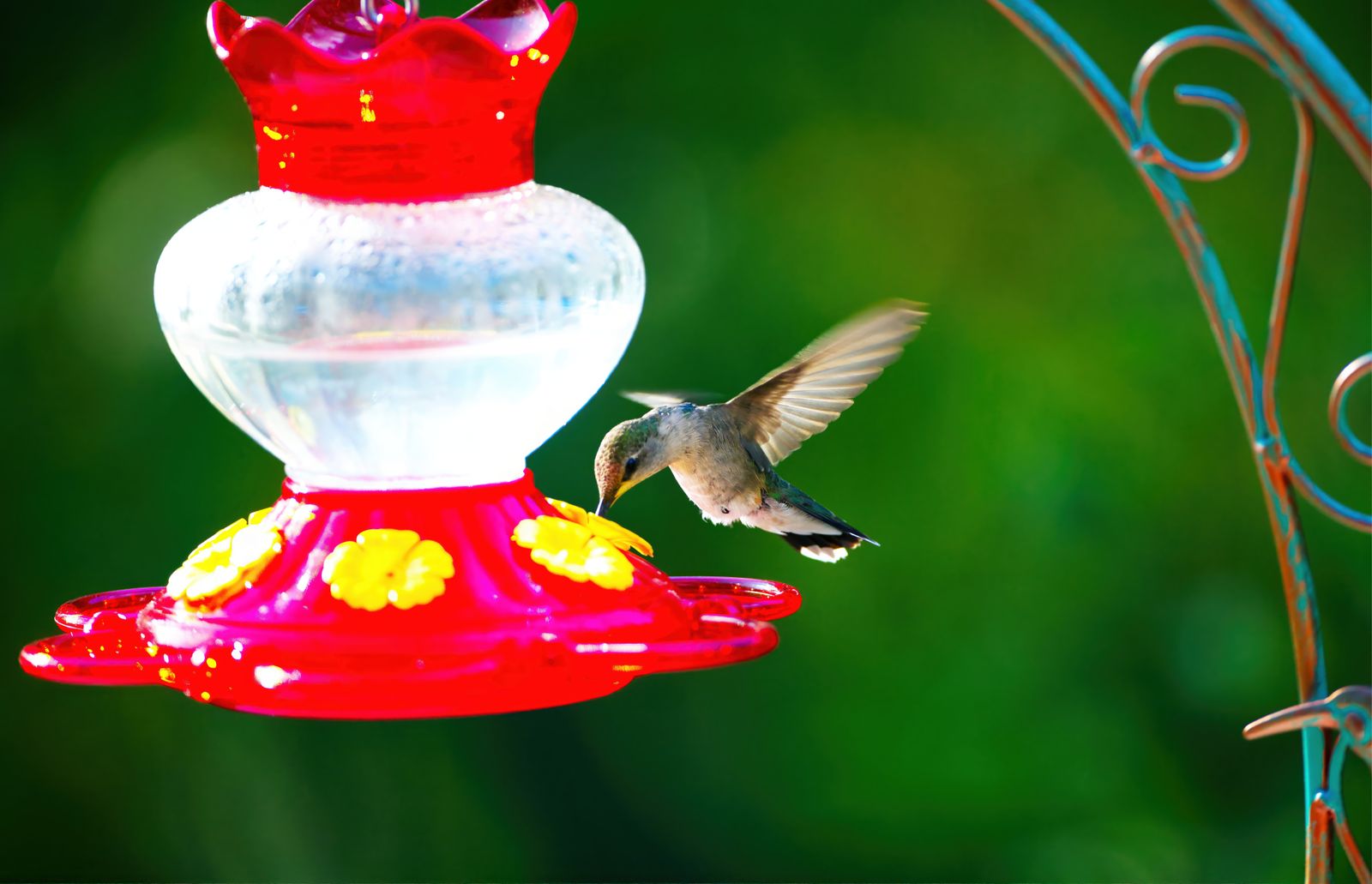
Stop Leaks & Night Pests on Solar Hummingbird Feeders
To stop solar hummingbird feeder leaks and nighttime pests, reset the inverted vacuum seal in shaded temperatures, fill the glass reservoir to 80% capacity, and switch RGB solar lights to static red or warm wavelengths while utilizing a wide raccoon baffle and suspended ant moat.
Visual Leak & Pest Diagnostic Flow
- Is your solar feeder actively losing nectar or dripping from the metal base ports? → Yes: Proceed to Thermal & Seal Inspection: Does dripping occur primarily during warm afternoon sun?. No: Proceed to Nocturnal Lighting Check: Are night moths or insects clustering around the solar cap?.
- Does dripping occur primarily during warm afternoon sun? → Yes: Thermal Expansion Issue: The trapped air pocket inside the artisan glass bottle is expanding. Reduce fill volume to 80% capacity and relocate to afternoon shade.. No: Mechanical Seal Defect: Inspect the silicone gasket ring on the anti-rust metal base for misalignments, food debris, or cross-threading..
- Are night moths or insects clustering around the solar cap? → Yes: Spectral Attraction: Your LED light is set to short-wavelength blue, purple, or cycling RGB modes. Switch the solar module switch to static red or warm yellow.. No: Crawling Pest Breach: Ants or earwigs are bridging your hanging hardware. Install a clear suspended ant moat filled with water above the solar cap..
Solar Feeder Troubleshooting Matrix
Photo by Veronika Andrews on Pexels
| Symptom & Scenario | Root Cause | Immediate Fix Action |
| --- | --- | --- |
| Nectar drips from base ports only between 12 PM and 4 PM on warm days. | Thermal Air Expansion: Solar rays heat the air space at the top of the hand-blown glass reservoir, causing air pressure to push syrup out. | Fill reservoir to 80% with cold nectar in the shade. Leave a 15-20% air cushion and move feeder to receive afternoon shade. |
| Continuous, rapid dripping immediately after hanging a newly filled feeder. | Broken Vacuum Seal: Silicone ring on the anti-rust metal base is pinched, debris-covered, or bottle was inverted too slowly. | Unscrew glass bottle, wipe silicone gasket clean, re-thread base tightly, and rapidly invert the feeder over a sink to lock pressure. |
| Clouds of moths and nocturnal beetles swarming the solar cap at dusk. | High Insect Wavelengths: RGB solar light is operating in blue, purple, or multi-color strobe modes that attract night fliers. | Cycle the solar cap switch to static red or 2700K warm amber light mode (620-750nm wavelengths are invisible to most night insects). |
| Ants swarming the metal base and drowning inside the flower feeding ports. | Unprotected Hanging Point: Crawling insects are marching down the hanging wire directly onto the glass reservoir. | Add a slim, clear acrylic ant moat above the solar cap using offset hooks so sunlight still reaches the solar panel. |
| Solar LED light dims out after only 1-2 hours of twilight illumination. | Solar Panel Shading: Ant moat, tree leaves, or porch roof overhang is blocking direct sunlight from reaching the cap. | Relocate feeder or adjust hanging chain length so the solar cap receives 6-8 hours of direct, unshaded daytime sunlight. |
Match your feeder's symptom to the root physical cause and apply the instant fix to restore leak-free operation and pest control.
Pro Advice on Solar Light Management and Thermal Glass Care
Hand-blown glass reservoirs are created at temperatures over 2,300 degrees Fahrenheit, producing unique internal curves that elevate garden aesthetic. However, glass is a strong thermal conductor. When placed in direct sunlight, the glass shell transfers ambient heat directly to internal air pockets. Always fill your feeder with chilled nectar in a shaded location. When inverting your feeder, perform a swift 180-degree flip over a clean sink—this immediate action creates a tight vacuum seal beneath the silicone gasket ring before air can disrupt fluid pressure.
10-Point Solar Feeder Leak & Pest Inspection Checklist
- [ ] Inspect silicone sealing ring at metal base for cracks, twists, or sugar residue before filling.
- [ ] Ensure glass reservoir is filled in a cool, shaded area (never under direct mid-day sun).
- [ ] Leave 15-20% air gap at the top of the reservoir to act as a thermal air expansion buffer.
- [ ] Tighten glass bottle into anti-rust metal base firmly without over-torquing hand-blown threads.
- [ ] Invert feeder rapidly over a sink to establish immediate inverted vacuum pressure.
- [ ] Wipe external hand-blown glass and metal base thoroughly with a damp cloth to remove sticky syrup.
- [ ] Confirm suspended ant moat is positioned above feeder without shading the top solar panel cap.
- [ ] Set RGB solar light switch to warm red or static warm yellow light mode.
- [ ] Ensure feeder hangs completely level on its chain to prevent gravity-induced port tilts.
- [ ] Verify hanging location provides morning light for solar charging and afternoon shade to reduce nectar heat.
Understanding Thermal Expansion Leaks in Hand-Blown Glass
This cross-sectional breakdown illustrates how ambient sunlight drives internal air pressure expansion inside hand-blown glass vessels, and how proper filling levels preserve the vacuum lock.
How to Choose the Right Nighttime Pest Defense Strategy
- What primary pest is disturbing your solar feeder after dark? → Yes: Proceed to Moth & Flying Insect Branch. No: Proceed to Mammal & Crawling Pest Branch
- Are night moths or swarming midges attracted to the illuminated cap? → Yes: Switch solar lighting switch from multi-color RGB cycling to static red mode. Red light (620-750nm) is nearly invisible to nocturnal insect compound eyes.. No: Ensure nectar isn't splashing onto the outside glass surface during high winds.
- Are raccoons or opossums tipping the feeder to drink sweet nectar? → Yes: Install a 14-inch smooth wrap-around raccoon baffle on your mounting pole and hang the feeder at least 5 feet above the ground and 10 feet away from tree limbs.. No: If ants or earwigs are reaching the base, install a slim, transparent acrylic hanging ant moat filled with water.
Key Takeaways for a Leak-Free, Pest-Safe Feeder
- Thermal expansion is the #1 cause of afternoon leaks; filling to 80% capacity leaves room for heated air to expand safely.
- Vacuum locks require clean seals; always rinse sugar granules off the silicone gasket before screwing the glass reservoir into the metal base.
- Short-wavelength lights (blue, purple, flashing RGB) attract night moths; warm red and yellow light settings deter nocturnal insects.
- Solar panels require sunlight; use narrow or transparent ant moats to avoid blocking the top solar cap.
- Anti-rust metal bases resist rust best when cleaned with soft microfiber sponges rather than abrasive steel pads.
Selecting Accessories: Ant Moats, Baffles, and Light Shields
When outfitting a solar hummingbird feeder with pest barriers, prioritize clear acrylic hanging hardware that blocks crawling insects without shading the top solar panel cap.
Best choice for
- Slim Transparent Acrylic Ant Moat — Clear acrylic allows 95%+ of sunlight to pass through to the top solar panel cap while maintaining an effective water barrier against ants.
- 14-Inch Stovepipe Pole Baffle — Mounts below the feeder on a metal pole, physically blocking climbing mammals without casting shade over the top solar collector.
- Avoid wide, solid dark umbrella guards mounted directly above the feeder, as they permanently block sunlight from reaching the solar cap battery charger.
- Offset Shepherds Hook with Side Branch Mount — Allows you to hang solid rain guards slightly away from the solar cap, ensuring full solar charging while providing weather protection.
Recommended Leak-Proof & Anti-Rust Solar Glass Feeders
Discover handcrafted solar glass feeders engineered with precision silicone seals and durable metal bases designed for pest-free backyard birding.
RGB Solar Light Modes vs. Nocturnal Pest Attraction
Photo by Veronika Andrews on Pexels
| RGB Light Mode | Wavelength (nm) | Moth Attraction Index | Hummingbird Dusk Visibility | Recommended Garden Scenario |
| --- | --- | --- | --- | --- |
| Static Red Mode | 620 - 750 nm | Very Low | High (Visible to hummers at twilight) | Best overall setting for high-moth areas and evening hummingbird observation. |
| Static Warm Yellow / Amber | 570 - 590 nm | Low | High | Ideal for cozy, warm garden ambiance without attracting night swarms. |
| Static Green Mode | 495 - 570 nm | Moderate | Moderate | Decor accent mode; suitable for low-bug spring months. |
| Static Blue / Purple Mode | 400 - 495 nm | Very High | Low | Avoid in summer; short wavelengths attract high numbers of night moths. |
| Rapid Multi-Color Cycling | Variable Spectrum | High | Moderate | Use sparingly during festive gatherings; continuous color changes disorient night insects. |
Compare light spectrum wavelengths to see how different RGB solar illumination settings impact night insect activity around your feeder.
Step-by-Step Method to Re-Seal and Fill Your Hand-Blown Glass Feeder
Follow this precise routine to reset vacuum pressure and prevent nectar dripping every time you refill your glass reservoir.
5 Mistakes That Cause Solar Feeder Leaks and Bug Swarms
Avoid these frequent missteps to protect your artisan glass feeder and keep your garden tidy.
- Filling to 100% Brim Capacity: Overfilling leaves no room for thermal air expansion. When sun hits the glass, expanding liquid has nowhere to go except out through the feeding ports.
- Hanging Opaque Rain Shields Over the Solar Cap: Solid dark baffles placed directly above the feeder block sun rays, preventing the internal solar battery from recharging for evening light.
- Scrubbing Anti-Rust Metal with Steel Wool: Using abrasive scouring pads removes the protective anti-rust powder coating on the metal base, exposing raw metal to moisture.
- Using Fast Multi-Color Strobe Lighting in Bug Season: Running bright blue or cycling light modes during peak moth season turns your feeder into an illuminated insect magnet.
- Inverting the Feeder Slowly After Refilling: Flipping the feeder slowly gives gravity time to push nectar out before a vacuum lock can form inside the hand-blown bottle.
More Solar Hummingbird Feeder Guides
Explore additional guides to optimize your solar garden decor and attract wild birds:
- Do Hummingbirds Feed at Night? Understanding Dusk Behavior Around Illuminated Feeders — Learn how twilight lighting affects hummingbird feeding schedules.
- How to Hang Your Solar Hummingbird Feeder to Block Ants and Crawling Insects — Full pole assembly techniques for pest prevention.
- Best Weather Baffles and Rain Shields for Solar Feeders — Keep nectar dilute-free during heavy summer rainstorms.
Frequently Asked Questions About Solar Feeder Troubleshooting
Does the solar LED light attract nocturnal predators like bats or owls?
No, soft ambient solar LED lights do not attract owls or predatory birds. Owls rely on silent movement and acoustic cues to hunt small rodents on the ground, not soft garden illumination. While bright unfiltered lights can draw harmless night moths, selecting static warm or red light wavelengths keeps insect activity minimal and prevents bat interest around the feeder.
Which RGB light color mode is least attractive to night-flying moths?
Static red and warm yellow amber light modes (operating in the 590 to 750 nanometer spectrum) are least visible and attractive to nocturnal insects. Conversely, short-wavelength blue, purple, and rapid multi-color flash modes draw higher numbers of moths and midges.
How do I clean sticky nectar residue off the anti-rust metal base without scratching it?
Soak the metal base in warm water mixed with mild dish soap for 5-10 minutes. Use a soft microfiber cloth or non-abrasive sponge to gently wipe away dried sugar syrup. Never use steel wool, wire brushes, or harsh bleach solutions, as abrasive scrubbers can strip the protective anti-rust coating.
Will an ant moat block the solar panel cap from getting sunlight?
A wide, solid dark ant moat hung directly over the feeder will cast shade on the top solar panel cap, preventing the battery from fully charging. To ensure full solar performance, use a slim, transparent acrylic ant moat or mount the feeder using an offset hook setup that keeps the solar cap exposed to direct sunlight.
Answers to common questions about managing solar lighting, maintaining metal bases, and preventing nocturnal pest visits.
Your Action Plan for Tonight
Your decision: Determine whether your feeder issue requires a thermal fill adjustment, silicone gasket cleaning, or an RGB lighting mode adjustment.
Do this next: Inspect your base silicone gasket, refill the hand-blown glass reservoir to 80% capacity with cool nectar in a shaded area, invert rapidly to establish vacuum pressure, and set solar RGB light to static red tonight.
- Read next: Do Hummingbirds Feed at Night? Understanding Dusk Behavior Around Illuminated Feeders
LUJII Hand-Blown Glass Solar Hummingbird Feeder (32 fl.oz, Anti-Rust Metal Base)
Take these simple steps right now to enjoy a drip-free, beautifully illuminated garden setup this evening.
Cover photo by DANNIEL CORBIT on Pexels.