Seasonal Solar Charging: How to Maintain 8-Hour Nighttime Light in Autumn and Winter
Are your solar garden lights turning off after only an hour or two once autumn sets in?
Winter light failure stems from four primary factors: low solar elevation angles, shorter daylight hours, surface frost or grime accumulation, and sub-freezing battery sluggishness. To maintain an 8-hour RGB illumination runtime throughout cold weather seasons, you must clean solar cap lenses weekly, adjust hanging locations to clear low southern shadow lines, and protect artisan hand-blown glass reservoirs when temperatures drop below 20°F (-6°C).
4-Step Cold-Weather Solar Charging Checklist
- [ ] Inspect solar cap lens weekly for frost, tree sap, snow, or mineral dust build-up.
- [ ] Wipe solar collector surface with a soft, warm microfiber cloth (avoid harsh chemical sprays or abrasive scrapers).
- [ ] Check surrounding trees and eaves for new winter shadow lines caused by low southern sun angles.
- [ ] Verify waterproof cap rubber gasket is snugly seated to protect internal circuitry from snowmelt.
- [ ] Inspect anti-rust metal base for direct contact with wet leaf litter or standing moisture.
- [ ] Store liquid nectar glass reservoirs indoors when local temperatures drop below 20°F (-6°C) to prevent thermal expansion cracking.
Quick Reference: Autumn & Winter Solar Care Card
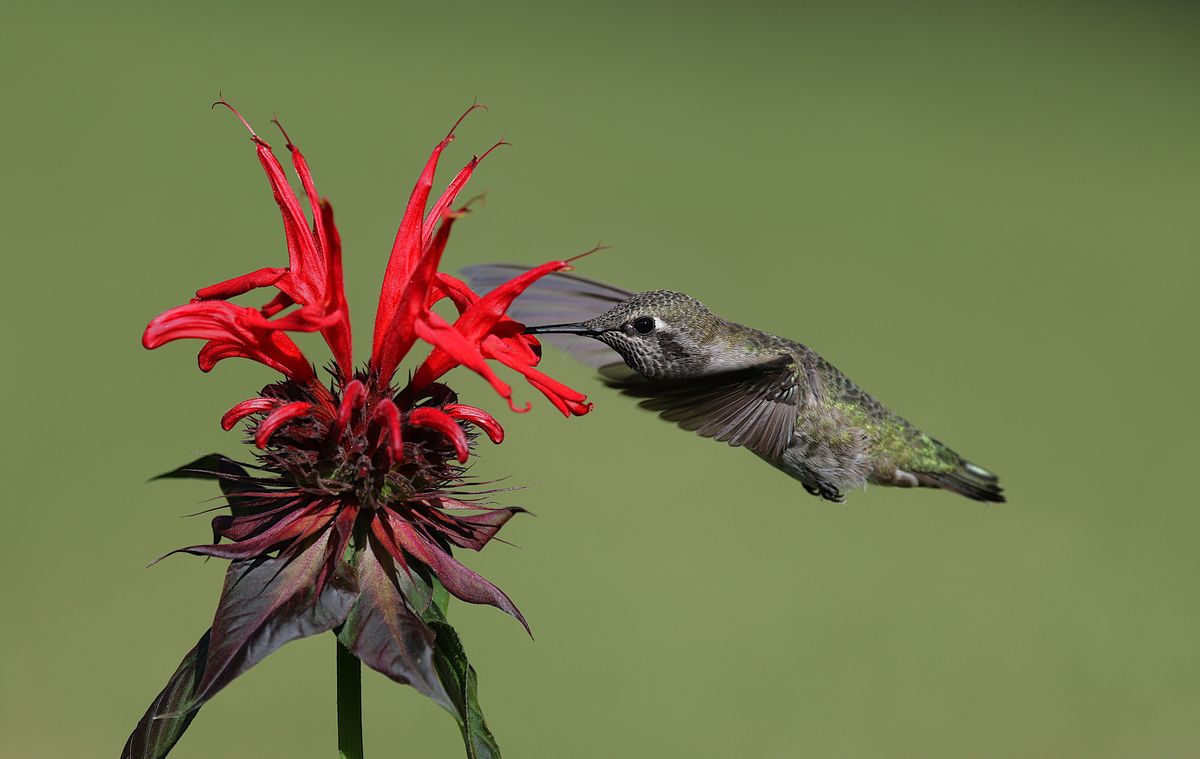
Photo by Veronika Andrews on Pexels
- Solar Cap Cleaning: Warm water + microfiber cloth. Never scrape ice with metal or hard plastic.
- Sun Exposure Target: Minimum 4–5 hours of unshaded, direct southern sun exposure per day.
- Temperature Threshold: 20°F (-6°C) — Bring hand-blown glass reservoirs inside while leaving the solar cap outdoors to maintain battery health.
- Battery Recovery Charge: If lights dim completely, switch the solar cap OFF for 48 hours in direct sunlight to perform a deep solar re-condition.
- Metal Base Protection: Wipe down anti-rust powder-coated bases to remove salt or soil buildup before winter rains.
Pro Tip: Extending Battery Efficiency in Sub-Zero Temps
Did you know that nickel-metal hydride (NiMH) rechargeable batteries inside solar garden caps temporarily lose up to 30% of their discharge capacity when ambient temperatures dip below freezing?
> Expert Insight: "Sub-freezing temperatures increase internal resistance inside 1.2V NiMH rechargeable cells, causing the circuit's low-voltage cut-off to trigger prematurely even if the battery holds a partial charge. To counteract this, elevate solar light caps at least 4 feet above cold ground surfaces, where ambient air is slightly warmer, and ensure the top solar collector is pristine so the cell reaches a 100% full charge state during peak midday sun hours."
Winter Solar Light Troubleshooting Matrix (Scenario Breakdown)
| Scenario / Symptom | Primary Root Cause | Immediate Corrective Action |
| --- | --- | --- |
| RGB lights illuminate at dusk but turn off after 30–60 minutes. | Solar panel covered in invisible micro-frost or shaded by low southern roof eaves. | Wipe cap lens with warm microfiber cloth; relocate hanging hook 3 feet southward away from winter shadow lines. |
| Solar cap fails to light up at all despite a sunny winter day. | Water ingress past compromised rubber cap gasket causing battery contact oxidation. | Unscrew cap, dry internal housing with a dry towel, clean battery contacts with a cotton swab, and seat rubber ring tightly. |
| Light flickers rapidly or gets stuck on a single RGB color mode. | NiMH rechargeable battery voltage dropped below critical threshold (under 1.0V) due to cold. | Perform a 48-hour reset: turn power switch OFF, let solar cap absorb 2 full sunny days outdoors, then turn switch back ON. |
| Glass reservoir shows fine line fractures after a sudden nighttime freeze. | Nectar expansion inside closed glass chamber at temperatures below 25°F (-4°C). | Bring hand-blown glass inside during hard freezes. Use slender leak-proof designs with open bases when winter feeding. |
Match your nighttime garden lighting symptom with the underlying seasonal cause and immediate recovery solution:
Seasonal Solar Care & Nectar Safety Calendar
| Month | Solar Panel & Battery Focus | Glass & Nectar Safety Task |
| --- | --- | --- |
| September / October | Audit garden sun lines; prune northern tree branches casting low autumn shadows on solar caps. | Clean hand-blown glass reservoirs with warm water and soft brush; check seals on leak-proof bases. |
| November | Switch to energy-efficient RGB color-morphing or steady ambient lighting modes to conserve battery power. | Prepare fresh 1:4 sugar-to-water nectar ratio; do not add red dye or antifreeze additives. |
| December / January | Clear morning frost, ice, and snow off solar panels immediately using warm water cloths. | Monitor overnight forecasts. If temps drop below 20°F (-6°C), bring glass inside; leave solar cap outside charging. |
| February / March | Inspect internal NiMH battery health; replace aging 1.2V AA rechargeable cells if runtime remains short after full sun. | Wash anti-rust metal bases and perches thoroughly as early spring migrating hummers begin arriving. |
Plan your garden maintenance tasks month by month as daylight hours shrink and winter weather sets in:
Immediate Winter Solar Audit Steps
Your decision: Determine whether your local winter freeze risk requires bringing artisan glass inside while leaving the solar lighting cap outdoors to charge.
Do this next: Perform a 10-minute winter solar audit today: clean solar cap lenses with a warm microfiber cloth, clear north-side tree branches blocking low southern sun, and check seals on anti-rust bases.
- Read next: Nighttime Garden Safety for Roosting Hummingbirds: Autumn Twilight Feeding Tips
- Read next: Solar RGB Garden Lighting FAQs: Color Science, Placement, and Nighttime Ambiance
If your current garden lights have degraded seals or rusted bases, explore the LUJII Solar-Powered Hummingbird Feeder featuring a waterproof solar cap, anti-rust metal base, and artisan hand-blown glass.
Take 10 minutes this afternoon to safeguard your outdoor ambiance and bird decor before tonight's temperature drop.
Core Principles of Winter Solar Charging Optimization
Keep these key scientific principles in mind when managing solar-powered garden accents during cold weather:
- Sun Arc Shift: In the US winter, the sun travels along a much lower southern trajectory. A solar panel that received direct overhead light in July may sit in total shade by November if placed near a north-facing fence or building wall.
- Surface Transmittance Matters: A microscopic film of dust, tree pollen, or mineral water spots can reflect up to 40% of incoming solar photons. Weekly cleaning yields immediate runtime gains.
- Thermal Shock Prevention: Hand-blown glass is shaped at 2,300°F (1,260°C). While remarkably durable, sudden temperature swings (like pouring hot nectar into ice-cold glass) create thermal stress. Always fill glass reservoirs at room temperature.
- Waterproof Seal Integrity: Snow melting on top of solar caps can pool around battery hatch seams. Ensure plastic solar housing gaskets are tight and undamaged.
Routine Maintenance Schedule for Solar Feeders & Garden Lights
- Weekly (5 Minutes) — Wipe the plastic solar cap lens with a damp microfiber cloth to remove frost, bird droppings, and dust.
- Bi-Weekly (10 Minutes) — Rinse glass nectar reservoirs with warm water; inspect anti-rust metal perches and bases for soil accumulation.
- Monthly (15 Minutes) — Check battery compartment seals; verify the auto-on dusk-to-dawn sensor turns on smoothly when covered.
- Seasonally (First Frost) — Re-angle solar caps toward southern sun lines; test rechargeable NiMH battery health and swap if over 18 months old.
5 Critical Mistakes That Drain Winter Solar Batteries
Avoid these common pitfalls that sabotage winter solar charging and damage garden accents:
Winter Preparation Timeline: From First Frost to Spring Thaw
- Late September — Observe early afternoon sun shadows. Relocate hanging feeders and solar lights to southern, unshaded tree branches or shepherd hooks.
- Late October — Perform a deep clean of the plastic solar cap and hand-blown glass reservoir. Inspect waterproof rubber seals.
- Mid-November — Check overnight forecasts. Prepare indoor backup space for glass reservoirs during unexpected hard freeze warnings.
- December – January — Wipe morning snow and frost off solar collector caps daily. Perform 48-hour off-switch solar re-charges after prolonged cloudy spells.
- Early March — Re-hang glass reservoirs for spring hummingbird arrivals. Clean metal perches and verify bright 8-hour RGB night runtime.
Deepen Your Nighttime Garden Knowledge
Explore these complementary guides to enhance your outdoor sanctuary, preserve bird safety, and master garden aesthetics:
- Nighttime Garden Safety for Roosting Hummingbirds: Autumn Twilight Feeding Tips — Learn how soft ambient lighting helps late migrators locate feeders safely without disrupting roosting rhythms.
- Solar RGB Garden Lighting FAQs: Color Science, Placement, and Nighttime Ambiance — Discover how custom RGB color palettes transform garden foliage and glass art after dark.
- The Complete Care Guide for Hand-Blown Glass Hummingbird Feeders — Essential tips for preserving handcrafted glass curves, preventing drips, and cleaning slender reservoirs.
Frequently Asked Questions About Winter Solar Care
Get expert answers to common questions about keeping your solar lights glowing and your glass decor safe during cold months.
Featured All-Weather Solar Hummingbird Decor
Looking for garden decor built to handle changing seasons while delivering breathtaking nighttime magic? Consider the LUJII Solar-Powered Hummingbird Feeder.
- Hand-Blown Glass Art: Each reservoir is individually handcrafted by glass artisans shaping vibrant patterns at 2,300°F, creating a unique centerpiece for your yard.
- Solar Power & RGB Lights: Automatically lights up at dusk for up to 8 hours after a full recharge, offering gorgeous color-changing ambient modes.
- Leak-Proof & See-Through Design: 32 fl.oz capacity featuring a slender shape and sealed base to minimize drips while making nectar levels easy to monitor.
- All-Weather Protection: Features a protective waterproof plastic solar cap that shields electronics against rain and snow, paired with an anti-rust metal base for long-lasting durability.
- Delightful Gift Idea: Perfect for adding color, life, and evening enchantment to gardens, patios, and yards of bird lovers of all ages.
Final Checklist & Next Steps for Your Illuminated Garden
Your decision: Choose whether to adjust solar panel angles today and audit your winter sun line exposure.
Do this next: Clean your solar cap lens with a warm microfiber cloth, inspect your rechargeable battery seal, and enjoy up to 8 hours of ambient nighttime RGB beauty.
- Read next: Nighttime Garden Safety for Roosting Hummingbirds: Autumn Twilight Feeding Tips
- Read next: Solar RGB Garden Lighting FAQs: Color Science, Placement, and Nighttime Ambiance
Upgrade your outdoor sanctuary with the LUJII Solar-Powered Hummingbird Feeder at https://solarhummingbirdfeeder.com for handcrafted glass elegance and waterproof solar reliability.
Ready to keep your garden glowing with magical RGB lights all winter long? Put your maintenance strategy into action today!
Cover photo by Jon Champaigne on Pexels.