How to Stop Outdoor Bird Feeders from Rusting in Damp Climates: A Bird-Safe Prevention Guide
To prevent bird feeder rust in damp climates, soak corroded metal parts in pure white vinegar, scrub away iron oxide with brass wool, and seal with food-grade mineral oil or organic beeswax. Avoid toxic aerosol paints near feeding ports, and upgrade to anti-rust powder-coated bases paired with hand-blown glass.
Visual Guide: 5-Step Bird-Safe Rust Restoration Flowchart
- Are surface rust spots visible on hanging hooks or metal base welds? → Yes: Proceed to Step 2: Structural Flaking Assessment. No: Perform routine monthly beeswax preventative sealing..
- Is the metal structurally flaking or deeply pitted near nectar ports? → Yes: Replace damaged metal components immediately to avoid nectar contamination.. No: Proceed to Step 3: Solar Cap Isolation & Vinegar Soak..
- Have you detached the solar electronics cap before treating metal? → Yes: Soak metal components in pure white vinegar for 2 to 4 hours.. No: Unthread solar cap first to protect LED circuitry and rubber seals..
- Did brass wool scrub remove all remaining iron oxide flakes? → Yes: Rinse thoroughly with baking soda bath and dry completely.. No: Re-soak corroded metal for an additional 2 hours..
- Is the fully dried metal sealed with organic beeswax or mineral oil? → Yes: Rehang feeder safely in a sheltered garden location.. No: Apply a thin coat of food-grade sealant before exposing hardware to rain..
Feeder Rust Troubleshooting Matrix by Climate & Material
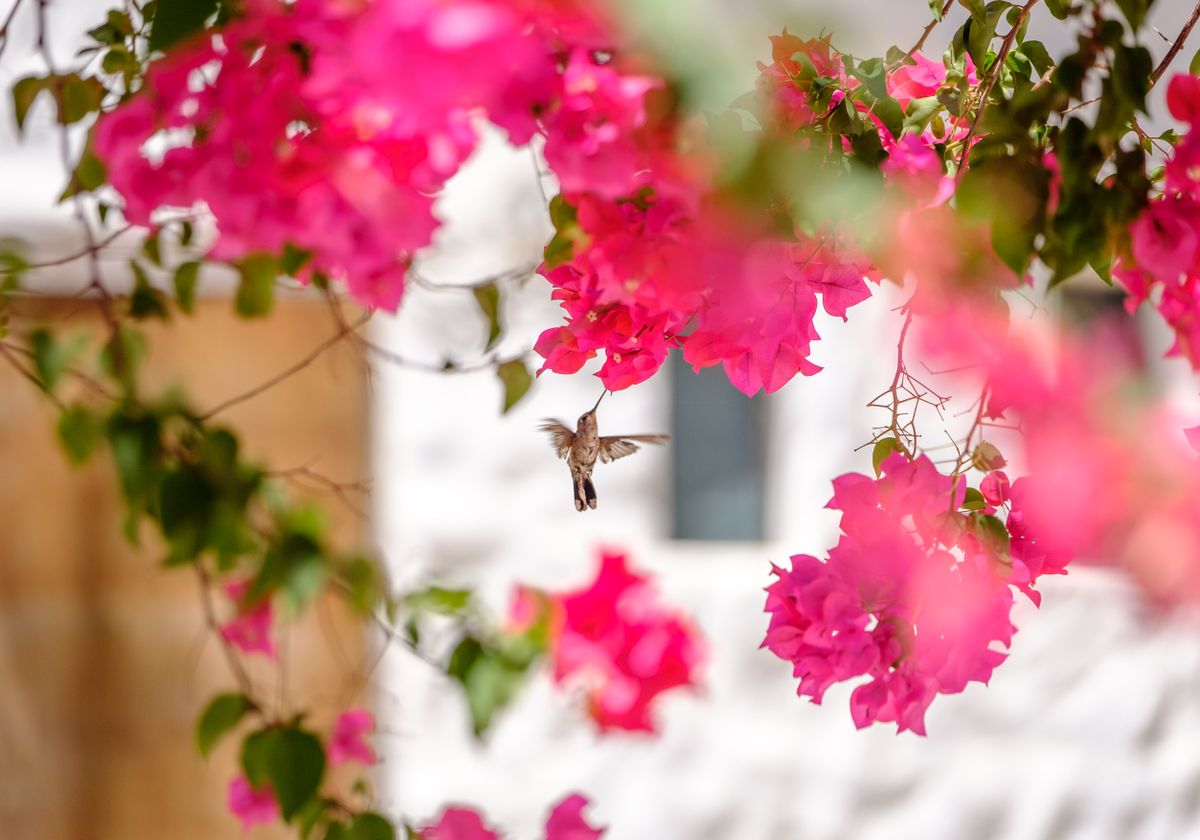
Photo by Ludvig Hedenborg on Pexels
| Climate Scenario | Corrosion Symptom | Avian Safety Risk | Recommended Solution |
| --- | --- | --- | --- |
| Pacific Northwest High Rain | Orange rust crusting along lower metal base seams | Rust flakes falling into feeding ports contaminate nectar with iron oxide | Disassemble base, scrub with vinegar, and apply food-grade beeswax sealant every 60 days. |
| Coastal Salt Air & Humidity | Pitting corrosion and white salt residue on hanging hooks | Structural weakness leads to feeder drops; jagged edges cut hummingbird tongues | Replace S-hooks with stainless steel or powder-coated hardware; wipe with mineral oil monthly. |
| Summer Dew & Overhead Shade | Fine black oxide spots near solar housing gasket | Trapped dampness harbors toxic mold and degrades rubber solar water seal | Wipe housing perimeter dry weekly; clear drain holes and seal metal seams with carnauba wax. |
| Winter Freeze & Thaw Dampness | Flaking paint on raw iron perches | Ingested paint particles and heavy metal toxicity during preening | Strip loose paint, scrub with brass wool, and upgrade to an anti-rust powder-coated base. |
Identify specific corrosion symptoms caused by regional dampness and apply avian-safe corrective measures.
Seasonal Anti-Rust Maintenance Schedule for Damp Climates
- Early Spring (Pre-Migration) — Inspect metal bases, perches, and hooks for winter rust spots. Soak hardware in white vinegar and seal with food-grade mineral oil.
- Mid-Summer (High Humidity) — Wipe down solar housing perimeters every two weeks. Apply a thin layer of organic beeswax to exposed metal perches to repel heavy rain.
- Late Autumn (Rainy Season) — Clear all solar cap drainage channels. Check powder-coated finishes for hairline cracks and touch up with non-toxic carnauba wax.
- Winter (Frost & Coastal Damp) — Inspect S-hooks and shepherd's hooks for structural integrity. Store unsealed raw iron feeders indoors during prolonged damp spells.
Avian Safety Expert Tip: Avoid Aerosol Paints & Synthetic Sealants
Avian toxicologists emphasize that standard aerosol rust-inhibiting paints, zinc-rich galvanized coatings, and petroleum-based lubricants (like WD-40) should never touch a hummingbird feeder. Volatile organic compounds (VOCs) off-gas from aerosol sprays for weeks, irritating delicate avian respiratory sacs. Furthermore, petroleum lubricants transfer onto feather barbules, ruining their flight aerodynamics and insulation. Stick exclusively to natural barriers: white vinegar for rust removal, and food-grade mineral oil or organic beeswax for sealing exposed metal.
Monthly Damp Climate Anti-Rust Inspection Checklist
- [ ] Check hanging S-hooks and shepherd's hooks for hairline rust spots.
- [ ] Inspect metal base seams and perch welds for paint chipping or moisture trapping.
- [ ] Wipe solar housing perimeter to ensure drain holes are clear of debris.
- [ ] Verify that no rust flakes or metallic dust are present near feeding ports or nectar reservoirs.
- [ ] Reapply a light coat of organic beeswax or food-grade mineral oil to exposed metal fittings.
Rust Treatment Decision Path: Scrub, Seal, or Replace?
- Is rust present on feeder metal hardware? → Yes: Proceed to Question 2: Severity Check. No: Maintain monthly beeswax protective coating.
- Is the rust flaking or pitting deeply into structural welds? → Yes: Replace metal component or upgrade to an anti-rust powder-coated feeder.. No: Proceed to Question 3: Proximity Check
- Is rust located near nectar ports or perches? → Yes: Soak in white vinegar, scrub with brass wool, and seal with food-grade mineral oil.. No: Proceed to Question 4: External Hardware Check
- Is rust on external hanging hardware? → Yes: Scrub with vinegar and wire brush, then seal with beeswax or swap for stainless steel.. No: Clean with mild vinegar solution and keep dry.
Immediate Actions for Rusted Hardware
Your decision: Inspect your existing feeder hardware for flaking orange oxide or structural weakening.
Do this next: Soak affected metal hooks in white vinegar and seal with food-grade beeswax, or replace deteriorating feeders with an anti-rust powder-coated glass model.
- Read next: Summer Storm Protection: Weatherproofing Your Glass Solar Feeder
- Read next: Buying Guide to Weather Baffles and Shields for Solar Feeders
LUJII Hand-Blown Glass Solar Hummingbird Feeder with Anti-Rust Coated Base
Take these initial steps to isolate damaged metal and safeguard your visiting birds.
Essential Rust Prevention Key Takeaways
- White vinegar dissolves iron oxide safely without introducing harsh chemical residues to your yard.
- Food-grade mineral oil and organic beeswax create non-toxic moisture barriers that won't harm visiting hummingbirds.
- Never use aerosol rust paints, petroleum lubricants, or industrial rust converters near feeding ports.
- Feeders crafted with hand-blown glass and anti-rust powder-coated metal bases provide permanent protection in humid climates.
- Regular seasonal inspections prevent minor surface oxidation from becoming structural metal failure.
Feeder Metal Rust-Resistance & Bird-Safety Matrix
| Material / Finish | Humid Climate Lifespan | Rust Resistance Level | Avian Safety Rating | Maintenance Effort |
| --- | --- | --- | --- | --- |
| Powder-Coated Metal Base & Hand-Blown Glass | 5–10+ Years | Superior (Barrier Sealed) | 10/10 (100% Non-Toxic) | Low (Seasonal Wipe) |
| Stainless Steel Hardware (304 Grade) | 7–12+ Years | High (Corrosion Proof) | 10/10 (Safe) | Very Low (Occasional Clean) |
| Galvanized Iron / Zinc-Coated Steel | 1–2 Years | Moderate (Flakes over time) | 4/10 (Zinc toxicity risk if ingested) | High (Frequent Inspection) |
| Raw Untreated Iron | 3–6 Months | Poor (Rapid Oxidation) | 2/10 (Rust flakes contaminate nectar) | Very High (Bi-weekly scrubbing) |
Compare common feeder hardware materials across humid climate lifespan, corrosion resistance, and avian non-toxicity.
Material Selection Decision Support for Coastal & Rainy Zones
Select hardware materials and sealants based on your local humidity and strict avian safety requirements.
Best choice for
- Powder-coated metal base with hand-blown glass body — Thick powder coat prevents atmospheric moisture from reaching iron, while non-porous glass never oxidizes.
- Stainless steel hanging hooks with beeswax sealing — Resists severe chloride pitting while beeswax forms an extra salt-repellent layer.
- Avoid commercial rust converters containing phosphoric acid near feeding ports.
- Avoid spray paint or polyurethane clear coats that off-gas toxic fumes or chip into nectar.
- Acrylic Weather Shields — Diverts rain away from metal perches, reducing direct water exposure by up to 80%.
Recommended Weatherproof & Rust-Resistant Feeders
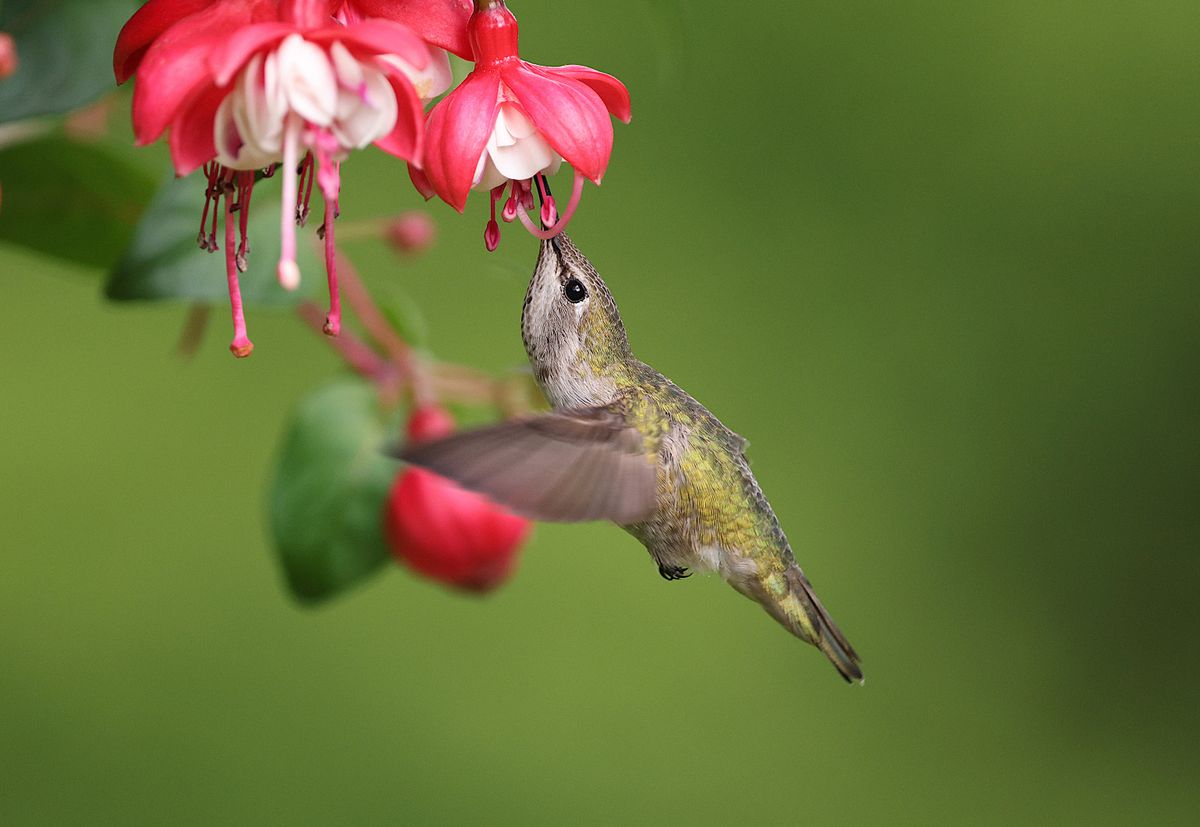
Photo by Veronika Andrews on Pexels
When dealing with damp climates, the best defense is starting with superior materials. The LUJII Hand-Blown Glass Solar Hummingbird Feeder features a durable metal base treated with a specialized anti-rust powder coating, keeping it pristine through heavy rain and coastal humidity. Paired with a 32 fl. oz handcrafted glass reservoir and an IP65 waterproof solar light cap, it combines whimsical beauty with all-weather longevity.
Discover the LUJII Solar-Powered Hummingbird Feeder with rust-resistant base
Hardware & Finish Technical Specification Matrix
| Component | Material Specification | Weatherproofing Feature | Rust Prevention Mechanism |
| --- | --- | --- | --- |
| Feeder Base & Perches | Heavy-gauge alloy metal | Electrostatic Powder Coating | Non-porous polymer barrier blocks water and oxygen |
| Nectar Reservoir | Hand-blown thick art glass | Translucent 32 fl. oz bottle | Naturally inert glass cannot rust or leach chemicals |
| Solar Lighting Cap | UV-stabilized waterproof plastic housing | Rubber O-ring gasket seal | Protects LED electronics and battery from rain infiltration |
| Hanging Rod & Fixtures | Coated metallic rod | Weather-resistant finish | Smooth surface prevents water pooling at stress points |
Technical specifications detailing how anti-rust powder coating and art glass resist damp weather degradation.
Step-by-Step Bird-Safe Rust Removal & Protection Method
Follow this precise, chemical-free process to strip existing rust from metal feeder parts without putting visiting wildlife at risk.
1. Disassemble & Isolate Electronics
Unthread the glass nectar reservoir from the metal base. Carefully unclip or detach the solar light cap, storing the battery housing and LED module in a dry indoor area to prevent moisture intrusion during cleaning.2. Soak Metal Components in Pure White Vinegar
Place corroded metal S-hooks, hanging rods, or metal base perches into a plastic bowl filled with undiluted white household vinegar (5% acetic acid). Allow parts to soak for 2 to 4 hours. The mild acid dissolves iron oxide without producing toxic fumes.3. Scrub Away Oxide Flakes with Brass Wool
Remove the metal hardware from the soak and scrub surface rust using fine brass wool or a stiff nylon brush. Avoid using standard steel wool, as steel fibers break off into microscopic scratches and generate rapid secondary rusting.4. Neutralize Acid and Thoroughly Dry
Rinse scrubbed metal parts in a solution of 2 tablespoons baking soda per quart of warm water. This neutralizes remaining acetic acid. Wipe immediately with a clean microfiber cloth and let air-dry in direct sun for 30 minutes.5. Apply Food-Grade Organic Sealant
Buff a thin, even coat of organic beeswax or food-grade mineral oil onto all external metal surfaces using a soft cloth. Allow it to set for 10 minutes before wiping away excess residue. Reassemble your feeder and hang securely.Dangerous Rust-Prevention Mistakes Bird Owners Make
Avoid these hazardous habits that threaten hummingbird health or permanently damage solar feeder electronics:
- Spraying Clear Coat or Aerosol Paint: Commercial rust sprays contain heavy metals and VOCs. Off-gassing irritates avian respiratory systems, while flaking paint chips contaminate nectar.
- Applying Petroleum Jelly or WD-40 on Perches: Petroleum products coat bird feathers upon contact. Birds cannot preen oil off their plumage, ruining insulation and flight aerodynamics.
- Submerging Solar Caps in Vinegar Baths: Vinegar penetrates rubber O-ring seals, short-circuiting LED circuits and corroding internal lithium solar batteries.
- Scrubbing with Wire Brushes Made of Carbon Steel: Steel particles embed in soft base metals, acting as oxidation catalysts during the next rainfall.
Further Reading for Sanctuary Weatherproofing
Explore additional guides to protect your garden sanctuary from rain, wind, and seasonal weathering:
Summer Storm Protection: Weatherproofing Your Glass Solar Feeder Setup* Buying Guide to Weather Baffles and Shields for Solar Feeders* How to Clean and Maintain Hand-Blown Glass Hummingbird Feeders Without Fading Color*
Frequently Asked Questions About Bird Feeder Rust
Is white vinegar or baking soda safer for cleaning rust off bird feeder hooks?
White vinegar is superior for removing iron oxide because its mild acetic acid actively dissolves rust without toxic chemicals. Baking soda works best as a post-soak neutralizing scrub when mixed with water into a paste. Both are 100% bird-safe when rinsed thoroughly.Can rust flaking into hummingbird nectar make the birds sick?
Yes. Iron oxide flakes contaminate nectar and create microscopic pits on metal surfaces where harmful bacteria and fungal mold multiply. Ingestion of metal dust can lead to iron overload in small avian organs and cause physical cuts on hummingbird tongues.How do I protect the metal base of a solar hummingbird feeder without damaging the electronics?
Always unthread and detach the plastic solar light cap before cleaning or treating metal components. Apply a thin coat of organic beeswax or food-grade mineral oil exclusively to the external metal base with a soft cloth, keeping oils completely clear of the solar panel lens and rubber gasket seals.What are the best weather shields and baffles to block rain from metal feeders?
Wide acrylic or polycarbonate weather domes hung directly above the feeder deflect heavy rainfall away from metal perches and bases. This minimizes standing water accumulation and drastically slows oxidation in damp or rainy climates.Next Steps for a Lasting Backyard Sanctuary
Your decision: Inspect your existing feeder hardware for flaking orange oxide or structural weakening.
Do this next: Soak affected metal hooks in white vinegar and seal with food-grade beeswax, or replace deteriorating feeders with an anti-rust powder-coated glass model.
- Read next: Summer Storm Protection: Weatherproofing Your Glass Solar Feeder
- Read next: Buying Guide to Weather Baffles and Shields for Solar Feeders
LUJII Hand-Blown Glass Solar Hummingbird Feeder with Anti-Rust Coated Base
Protect your investment and elevate your garden sanctuary with weatherproof, non-toxic hardware choices.
Cover photo by Veronika Andrews on Pexels.