How to Maximize Nighttime Battery Life and Illumination for Your Solar Feeder
Is your solar hummingbird feeder shutting off after just an hour or two at dusk? To restore a full 8 hours of magical evening illumination, position your feeder to receive 6 to 8 hours of direct, unshaded sunlight daily, clean the solar cap weekly with a damp microfiber cloth, select energy-efficient dynamic RGB color-fade modes, and replace internal 1.2V AAA NiMH batteries every 12 to 18 months.
Technical Specifications: Solar Panel & Battery System
| Component / Metric | Technical Specification | Performance Impact |
| --- | --- | --- |
| Solar Panel Type | Polycrystalline Silicon (2V / 40mA) | Converts sunlight to direct electrical current; performance drops 40-60% under cloudy conditions. |
| Battery Chemistry | 1.2V AAA NiMH (Nickel-Metal Hydride), 600mAh - 1000mAh | Stores daily solar energy harvested; supports 300 to 500 charge-discharge cycles before capacity declines. |
| Light Source | Energy-Efficient Surface-Mount RGB LEDs | Consumes 40mA to 75mA per hour depending on dynamic color mode versus solid white illumination. |
| Auto Dusk-to-Dawn Sensor | Integrated CdS Photocell Sensor | Detects ambient light drop below 10 lux to automatically trigger LED night illumination. |
| Enclosure Protection | IP65 Weatherproof Sealed Cap | Shields internal circuitry and battery housing against rain, snow, and garden irrigation spray. |
Understanding the electrical specifications of your solar feeder cap allows you to diagnose power drops and source exact replacement components without damaging the internal micro-circuits.
Ideal Yard Placement for Maximum Solar Charging
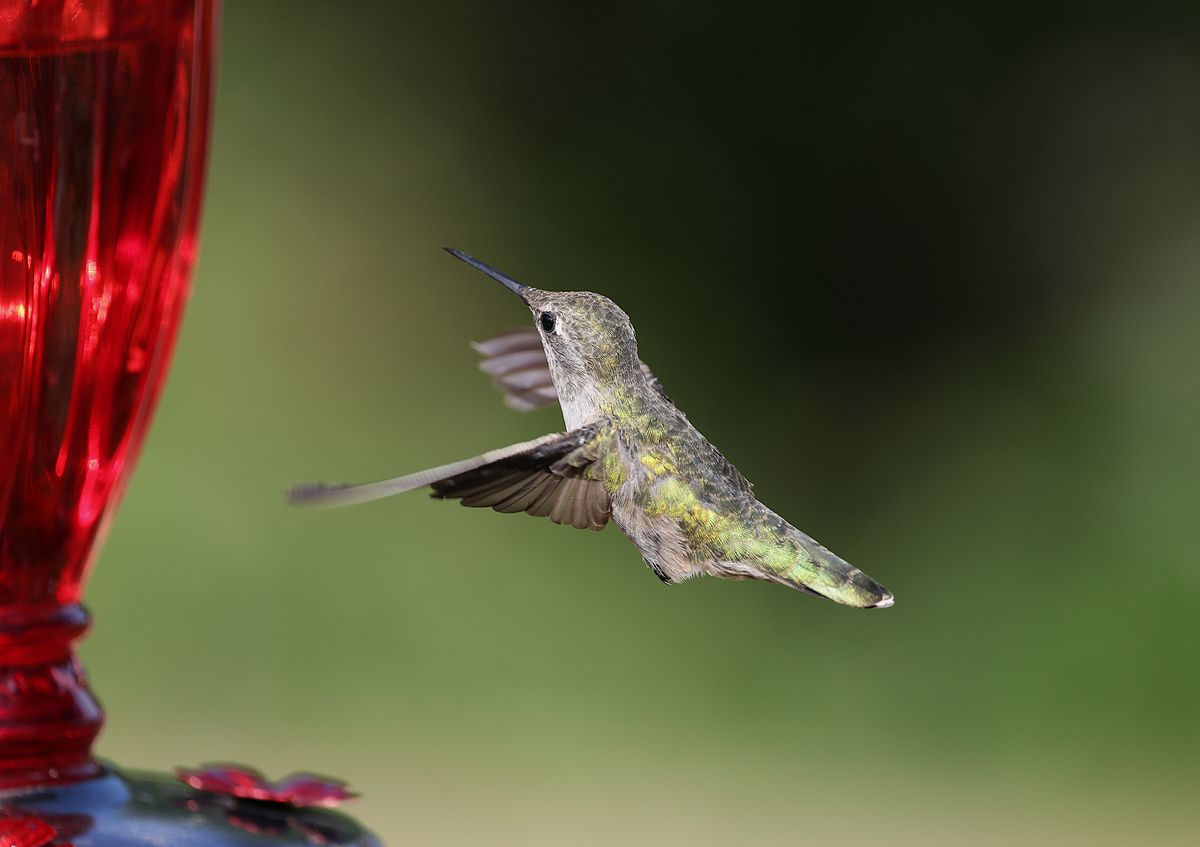
Photo by Veronika Andrews on Pexels
Proper placement determines whether your solar collector receives pure direct radiation or weak, diffused ambient daylight.
Solar Feeder Illumination Failure Modes & Diagnostic Matrix
| Failure Mode | Root Cause | DIY Fix | Prevention |
| --- | --- | --- | --- |
| Lights illuminate for less than 2 hours after sunset. | Dirty solar cap surface or partial daytime shading from tree branches. | Wipe cap clean with damp microfiber cloth; relocate feeder to a clear south-facing spot receiving 6-8 direct sun hours. | Trim overhanging garden foliage bi-weekly during peak spring and summer growth. |
| LEDs flicker continuously or dim rapidly upon dusk activation. | Degraded NiMH battery unable to hold nominal 1.2V operating charge. | Open solar cap compartment and replace internal AAA NiMH cell with a fresh 1.2V 600-1000mAh rechargeable battery. | Store solar cap indoors during severe sub-zero winter spells to protect internal chemistry. |
| Solar light completely fails to turn on at night. | Corroded battery contacts or switch boot set to 'OFF' position. | Inspect battery spring contacts for white oxidation rust; scrub clean with vinegar-dipped cotton swab and verify switch is 'ON'. | Ensure weather-resistant rubber toggle boot is fully pressed and sealed against rain ingress. |
| Lights stay off despite dark skies. | External porch or security lights shining directly on the photocell sensor. | Move feeder at least 15 feet away from artificial night lighting sources so dusk sensor triggers reliably. | Position solar decor in ambient dark garden zones away from high-lumen floodlights. |
When your feeder's night glow begins to fail, systematic diagnosis separates simple surface maintenance from electrical component degradation.
Quick Monthly Maintenance Checklist for Solar Feeders
- [ ] Wipe solar cap glass with a damp microfiber cloth to remove pollen, dust, and dried sugar syrup film.
- [ ] Check metal base and battery housing contacts for early signs of rust, corrosion, or moisture ingress.
- [ ] Ensure the rubber switch protective boot is securely sealed against driving rain and snow.
- [ ] Verify the feeder receives at least 6 hours of unshaded, direct sunlight in its current hanging spot.
- [ ] Test battery voltage or install a fresh NiMH AAA battery if total evening illumination drops below 4 hours.
Pro Tip: Cold Weather Battery Chemistry and Deep-Cycle Care
Rechargeable Nickel-Metal Hydride (NiMH) batteries rely on an aqueous potassium hydroxide electrolyte solution. When autumn temperatures drop below 32°F (0°C), internal chemical reactions slow down substantially, temporarily reducing battery capacity by 30% to 50%.
If you live in a region with freezing winter conditions, bring the solar cap assembly indoors while leaving your hand-blown glass reservoir stored safely. Before re-deploying in spring, perform a 'deep-cycle reset' by charging the solar cap in direct sunlight for 2 consecutive days with the power switch set to 'OFF'. This allows the NiMH battery to reach 100% saturation without night-time discharge cycles, restoring full molecular capacity for the new bird-watching season.
Frequently Asked Questions About Solar Feeder Illumination
Addressing common technical and bird-care questions regarding illuminated garden decor.
Immediate Actions to Restore Your Nighttime Glow
Your decision: Determine whether your short illumination runtime is caused by solar cap shading, cleaning needs, or a worn-out NiMH battery.
Do this next: Clean the solar panel cap with a damp microfiber cloth and set the RGB light mode to dynamic color-fade for maximum evening runtime.
Related resource: Download our printable Seasonal Garden Solar Maintenance Log.
LUJII Solar-Powered Hand-Blown Glass Hummingbird Feeder
Follow these practical optimization steps to immediately improve your feeder's evening performance.
Key Principles of Solar Feeder Energy Efficiency
Mastering these core principles guarantees a long-lasting, vibrant twilight garden experience.
Seasonal Solar Feeder Maintenance Calendar
Photo by Luis Pimenttel on Pexels
- Early Spring (Deployment) — Inspect rubber switch seals, clear storage dust, install a fresh 1.2V AAA NiMH battery, and place cap in direct south-facing sunlight for a 48-hour initial charge.
- Mid-Summer (Peak Season) — Wipe solar panel cap weekly with warm water to remove sticky nectar drips, tree sap, and airborne pollen. Verify dusk sensor operates properly.
- Late Autumn (Angle Adjustment) — Re-evaluate feeder hanging spot as lower sun angles create longer shadow zones from roof eaves and falling garden foliage.
- Winter (Storage) — In freezing climates, clean hand-blown glass reservoir and store solar cap indoors in a dry area with the power switch set to OFF.
The art of illuminating hand-blown glass lies in balancing aesthetic vibrance with electrical conservation. Modern solar feeder caps utilize Surface-Mount Device (SMD) Light Emitting Diodes containing separate Red, Green, and Blue semiconductor chips (dies) housed within a single lens package.
When you select High-Bright White Mode, the micro-controller must energize all three semiconductor dies simultaneously at maximum forward voltage. This combined electrical draw demands approximately 70mA to 75mA per hour. Given that a fully charged 600mAh NiMH battery yields roughly 480mAh of usable energy before terminal voltage sags below operating thresholds, solid white lighting exhausts the battery reserves in roughly 4 to 5 hours.
In contrast, selecting Dynamic RGB Color-Fade Mode creates a captivating, magical transition across the handcrafted glass swirls while drawing significantly less energy. During dynamic color cycling, the micro-controller pulse-width modulates the LEDs, activating only one or two color dies at a time while gradually cross-fading brightness. This reduces continuous electrical draw down to a modest 40mA to 45mA per hour.
By switching from static white to dynamic RGB color-fading, you effectively lower hourly power consumption by over 40%. This single setting adjustment can extend evening illumination from a brief sunset glow into a reliable 8-hour nighttime garden centerpiece that shines well past midnight.
Lighting Mode Power Consumption & Runtime Comparison
| Evaluation Criteria | Dynamic RGB Color-Fade | Static Single Color (Red/Green) | High-Bright White Mode |
| --- | --- | --- | --- |
| Average Current Draw (mA/h) | 40 - 45 mA | 50 - 55 mA | 70 - 75 mA |
| Expected Runtime (Full Direct Solar Charge) | 7.5 - 8.5 Hours | 5.5 - 6.5 Hours | 3.5 - 4.5 Hours |
| Battery Depletion Velocity | Slow & Balanced | Moderate | Rapid |
| Visual Highlight on Hand-Blown Glass Patterns | Exceptional (Highlights multi-color swirls) | Strong (Enhances specific glass hues) | High Contrast (Brightest core glow) |
| Best Usage Scenario | All-Night Evening Garden Illumination | Targeted Color Scheme Decor | Short High-Visibility Gatherings |
Compare how different internal lighting modes affect current draw, night runtime, and garden ambiance.
5 Common Solar Charging Mistakes to Avoid
Steer clear of these frequent placement and maintenance pitfalls to protect your investment.
Explore Related Garden & Bird Watching Guides
Expand your knowledge on handcrafted garden art, hummingbird care, and seasonal yard styling with these expert guides:
- Twilight Nectar Care FAQ: Does Nighttime Solar Light Affect Nectar Freshness? — A deep dive into ambient light impact on sugar solution temperatures and bacteria control.
- Troubleshooting Nectar Leaks and Solar Lights on Handcrafted Feeders — Step-by-step instructions on sealing metal bases and maintaining leak-free glass reservoirs.
- Hand-Blown Glass vs. Plastic Hummingbird Feeders — Learn how artisan glass forged at 2,300 degrees offers superior UV resistance and durability compared to molded plastic.
Featured Solar Artisan Hummingbird Feeder
Elevate your outdoor sanctuary with handcrafted elegance and brilliant nighttime illumination.
Final Steps for Your Twilight Sanctuary
Your decision: Ready to transform your garden into an illuminated hummingbird haven?
Do this next: Position your LUJII solar feeder in a sunny south-facing spot, select the dynamic RGB mode, and enjoy up to 8 hours of magical night light.
Related resource: Download our printable Seasonal Garden Solar Maintenance Log.
LUJII Solar-Powered Hand-Blown Glass Hummingbird Feeder
Take the next step in creating a beautiful, functional garden focal point.
Cover photo by Chris F on Pexels.