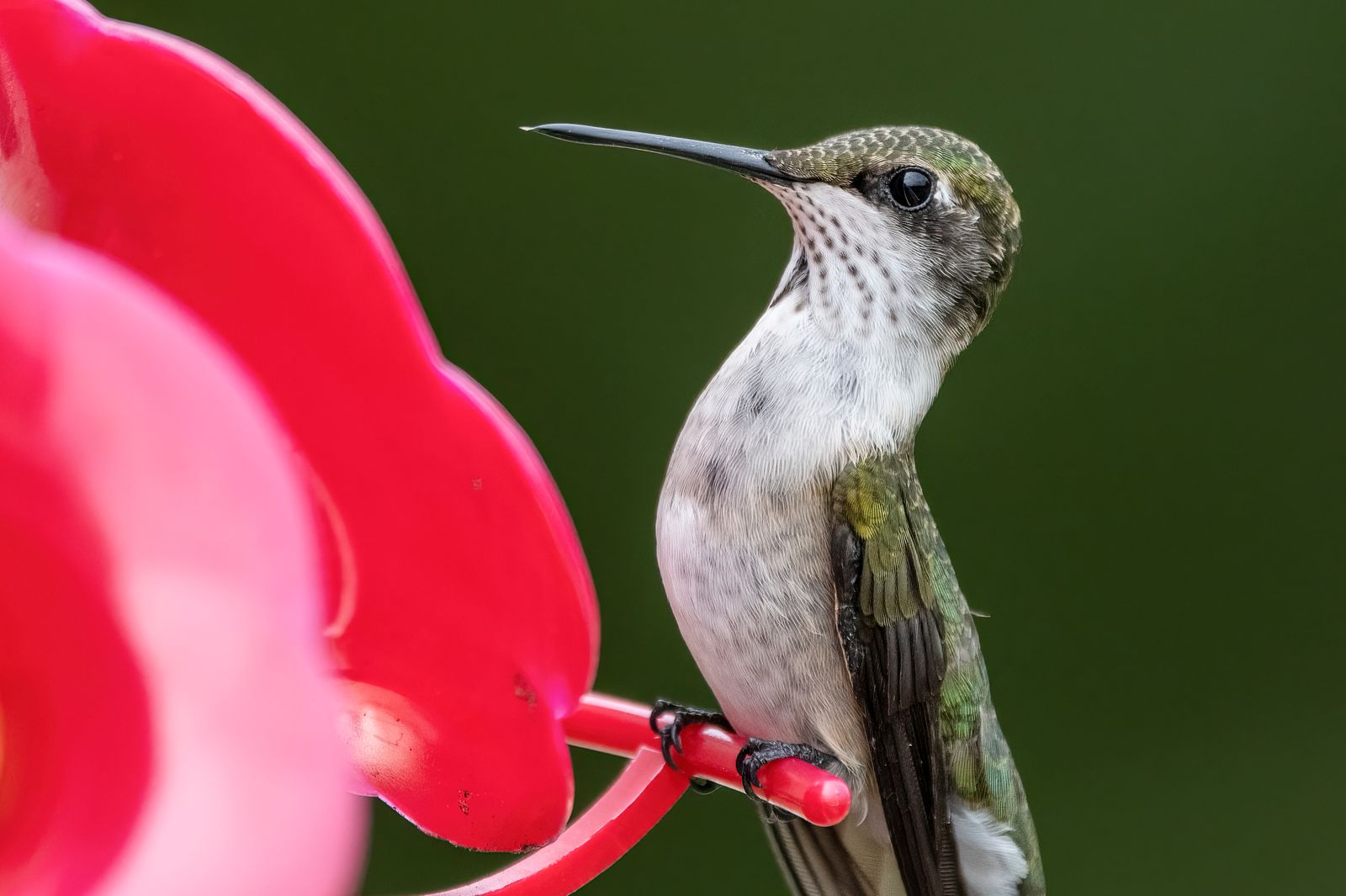
Keeping a Simple Record of Which Birds Visit Your Feeder
A useful feeder record needs only four things per entry: the date, the time you watched, how many birds you saw, and one line of notes. Kept for a few weeks, that is enough to show you when your feeder is busiest, how quickly demand changes with the weather, and whether the nectar schedule you are running actually matches the traffic.
What a record is actually for
Most people start a log because it is enjoyable, and it is. The reason to keep it going is that it answers questions guesswork cannot. How often does the level really drop? Do visits cluster at particular times? Did activity fall off the week you moved the feeder, or was that a coincidence?
Those answers change what you do. A log that shows heavy morning traffic and an empty afternoon tells you the feeder is in the wrong place for evening viewing. A log that shows the reservoir dropping twice as fast in warm weeks tells you the cleaning schedule needs to flex with temperature rather than sit on a fixed day.
It also gives you a baseline. Without one, a quiet week feels like a problem. With one, you can see whether this quiet week is unusual or entirely normal for the time of year.
The four fields worth recording
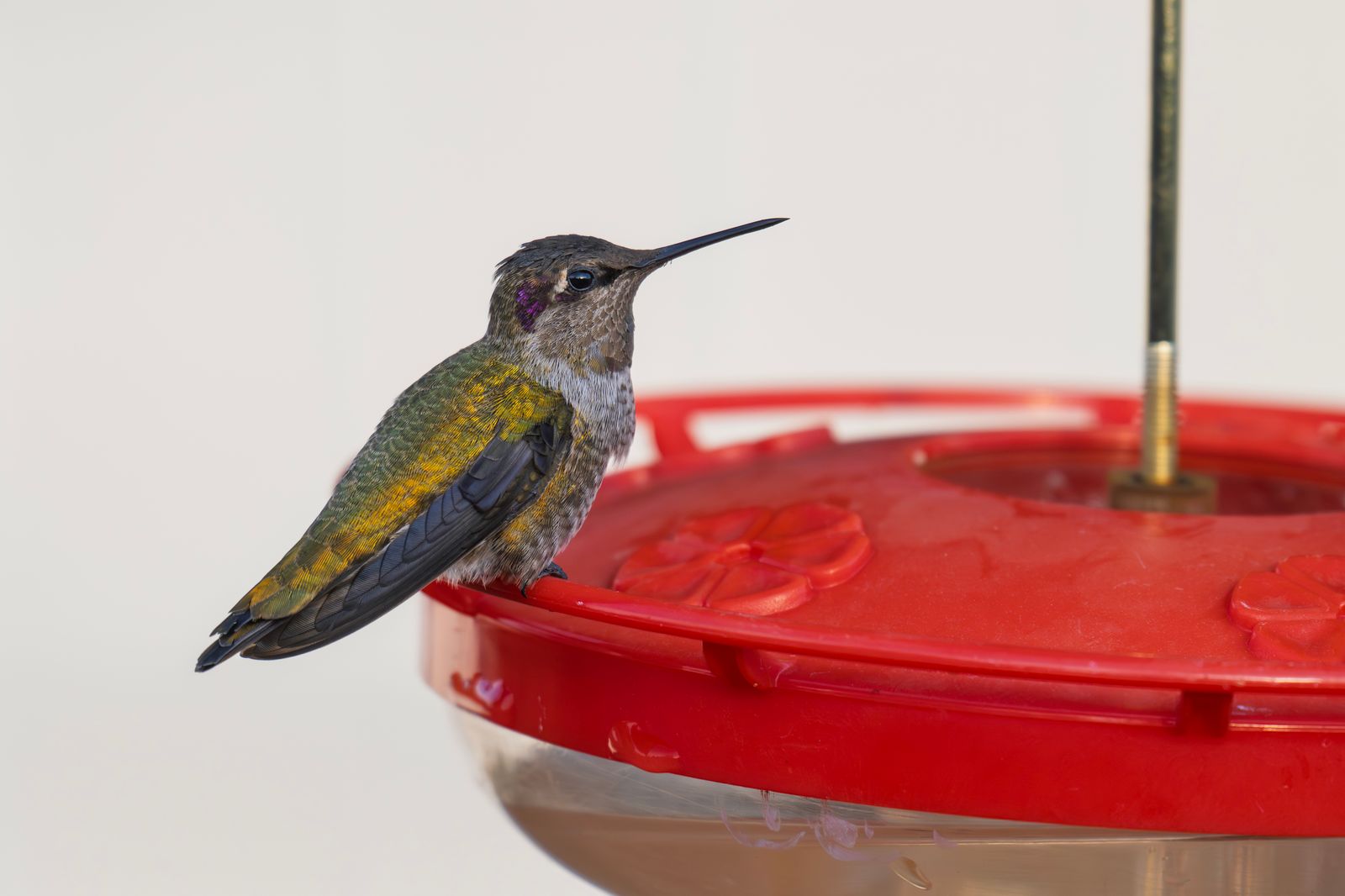
Photo by Frank Cone on Pexels
- Date. Non-negotiable. Everything else is meaningless without it.
- Watch window. Not just the clock time, but how long you watched. Five minutes at 7 a.m. is a different measurement from an hour across the afternoon.
- Peak count. The most birds visible at once, which is far easier to record accurately than total visits.
- One line of notes. Weather, feeder state, anything unusual.
Resist adding more columns. A log with twelve fields gets abandoned in a fortnight, and an abandoned log tells you nothing.
Choosing a format you will actually keep
| Format | Effort | Best for | |---|---|---| | Notebook by the window | Very low | Households where several people watch | | Notes app on a phone | Very low | One person, watching at irregular times | | Spreadsheet | Moderate | Anyone who wants to spot trends across months | | Printed grid on the fridge | Low | Involving children in the routine | | Wall calendar with a number per day | Lowest | Bare-minimum tracking that still shows patterns |
The best format is the one within arm's reach of where you watch. A spreadsheet is more analyzable and less likely to be filled in, so if you choose one, keep a paper note by the window and transfer entries weekly.
Counting in a way that means something
Use peak simultaneous count rather than total visits. Individual hummingbirds are hard to tell apart and they return repeatedly, so counting arrivals inflates the number in a way that varies with how attentively you were watching. The most you can see at one moment is a hard floor on how many birds are using the feeder, and it is consistent between observers.
Standardize the watch itself. Pick a length, five or ten minutes is plenty, and use the same length every time. A count from a five-minute watch and a count from a lazy Sunday hour are not comparable, and mixing them is the fastest way to make a log useless.
Then pick your times deliberately. Early morning and the hour before dusk are the two windows most worth recording, because they bracket the day and show whether the feeder is working at both ends. If the feeder lights itself at night, a short after-dark watch is worth adding as a third slot.
Telling individuals apart
You will not identify every bird, and you do not need to. What is achievable is noticing consistent differences: relative size, throat color and how it flashes, tail markings, worn or missing feathers, and behavior such as a bird that always approaches from the same direction or always uses the same port.
Give recurring individuals a short label and use it consistently. Notes like "the one with the pale patch, arrives from the east hedge" are more useful over time than a name with no description attached, because a description can be checked next month and a name cannot.
Be honest in the log about uncertainty. Writing "probably the same bird" preserves information; writing it as fact destroys it. A record you can trust is worth several times one you have to second-guess.
Turning the record into better feeding
Being able to see the nectar level through a translucent reservoir makes step one trivial, since the level becomes a number you can note in passing rather than something you have to take the feeder down to check.
Recording what happens after dark
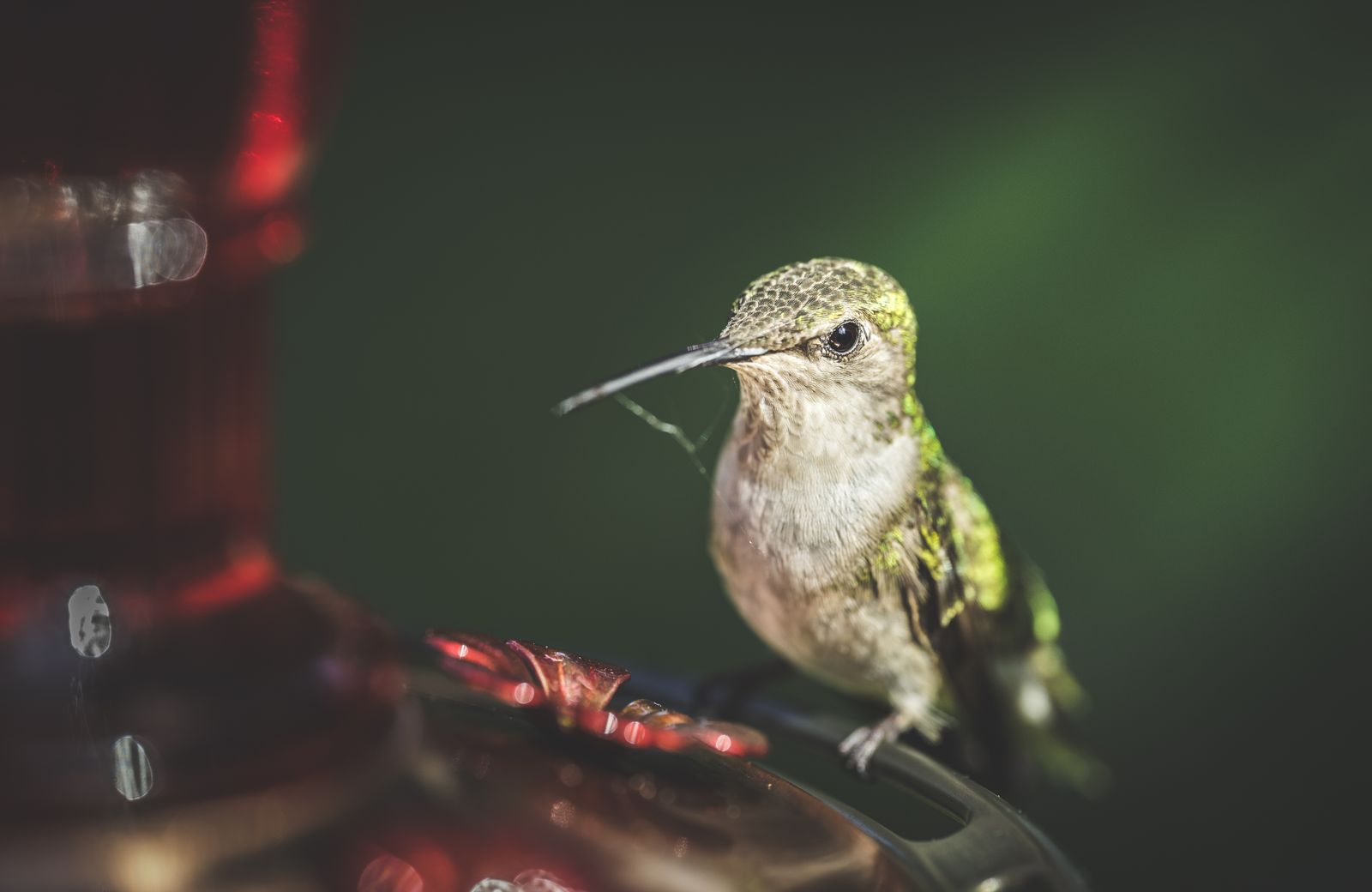
A feeder that lights up at night creates a second observation window most people never use. Hummingbirds are day feeders, so the after-dark notes are mostly about insects, the surrounding garden, and the lighting itself, but they are worth a line.
Record which lighting mode is running and roughly how long the light lasts. A feeder that runs for up to eight hours after a full recharge gives you a rough gauge of how much sun the cap actually received that day, which is genuinely useful information about your placement. Short nights of light usually mean the spot is shadier than it looked.
Note the weather alongside it. A run of overcast days followed by a short-lit evening confirms the cause rather than leaving you wondering whether something has failed.
Using the log to compare feeder and flowers
A record is the only fair way to judge whether your plantings are pulling their weight. Note when a nectar plant comes into bloom and watch what happens to feeder counts over the following two weeks. Some gardens see feeder traffic dip when flowers peak, which is not a failure of the feeder.
That relationship is the practical heart of the comparison between live nectar plants and glass solar feeders, and your own log will tell you which side of it your garden sits on better than any general guidance can.
Records also help with equipment decisions. Notes on how often you clean, how the reservoir handles, and whether the glass has picked up marks over a season feed directly into the comparison of hand-blown glass and plastic feeders when it comes time to add a second station.
FAQ
How long before a log becomes useful? Two weeks of consistent entries is enough to see time-of-day patterns. Seasonal patterns take a full year, which is one reason to keep the format light enough to sustain.
Is it worth counting if only one or two birds visit? Yes. A log of low counts still shows whether numbers are steady, rising, or falling, and it captures the week something changes. Low traffic is data, not an absence of data.
Can hummingbirds really be told apart? Reliably, no. Consistently enough to be useful, often yes, using size, throat color, feather wear, and habitual approach direction. Record the evidence rather than the conclusion.
What is the single most useful thing to record? The nectar level at each watch, alongside the date. It ties activity to something measurable and it tells you whether your cleaning and refilling schedule matches actual demand.
Where to start
Put a notebook and a pen on the windowsill nearest the feeder tonight, and write one line tomorrow morning: date, five-minute watch, peak count, and the nectar level. Do that for two weeks and you will know more about your own garden than any general guide can tell you.
Cover photo by David Dibert on Pexels.